About this artwork
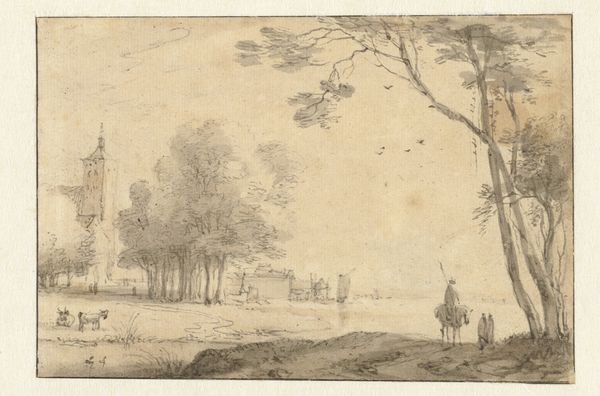
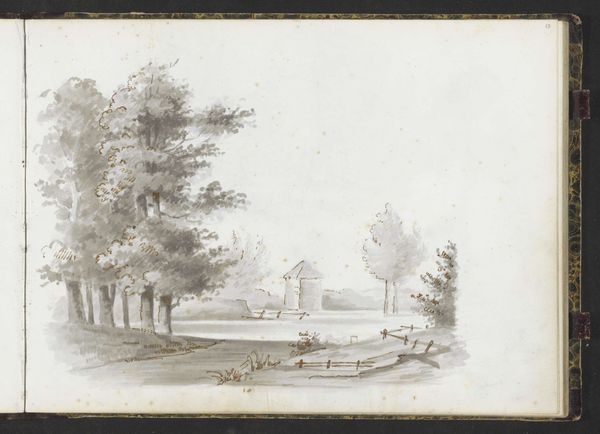
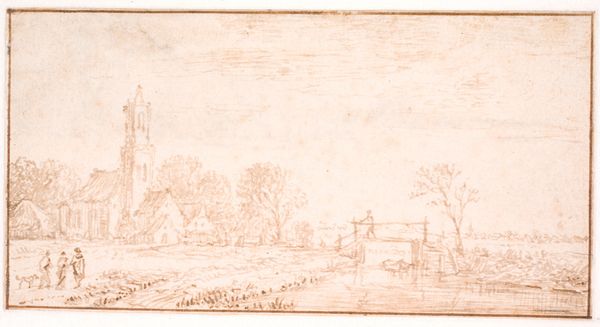
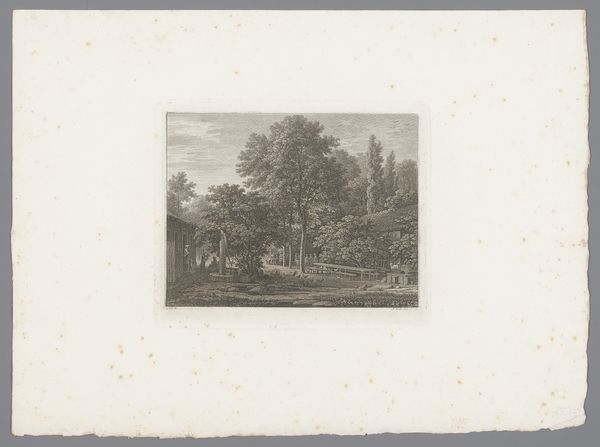
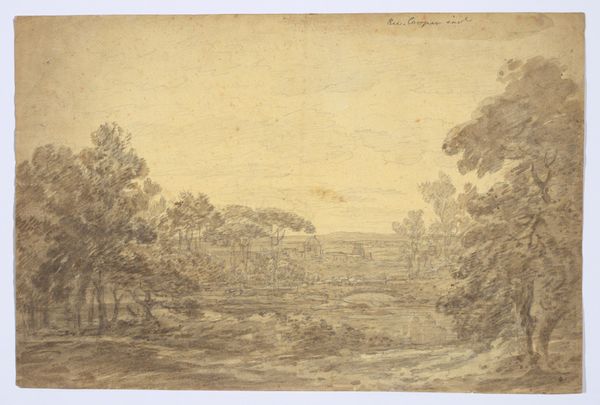
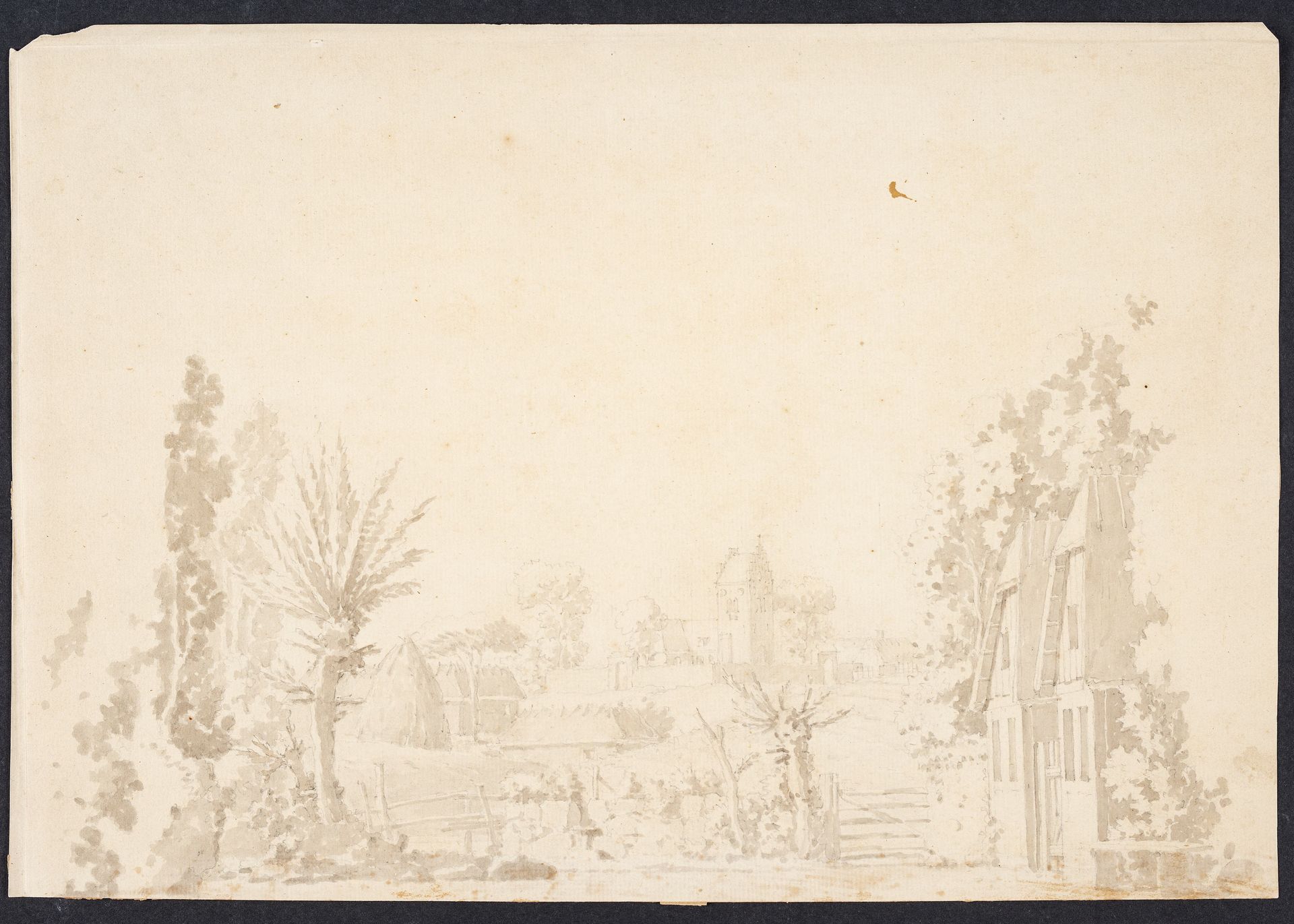
Thomas Bruun created this stage design for "Høstgildet" at the Royal Theatre, likely in the late 18th century, using pencil and wash. The design depicts the Gentofte church nestled in a rural landscape, a setting meant to evoke a sense of Danish pastoral life for the opera's audience. This image provides insight into the cultural values and theatrical conventions of the time. The Royal Theatre, a prominent institution in Copenhagen, played a significant role in shaping national identity and artistic taste. Bruun's design reflects the era's fascination with idyllic rural scenes, likely influenced by Enlightenment ideals of nature and simplicity. The inclusion of the Gentofte church in the background suggests a connection between religious faith and rural life. To fully understand the social context of this design, one could research the history of the Royal Theatre, the artistic trends of 18th-century Denmark, and the cultural significance of harvest festivals. By examining archival materials, theatre programs, and contemporary reviews, we can gain a deeper understanding of this artwork.
Scene-dekoration til "Høstgildet", Det Kgl. Teater. Gentofte kirke i baggrunden.
1790


Artwork details
- Medium
- drawing, watercolor, ink
- Dimensions
- 283 mm (height) x 412 mm (width) (billedmaal)
- Location
- SMK - Statens Museum for Kunst
Tags
Comments
Share your thoughts
About this artwork
Thomas Bruun created this stage design for "Høstgildet" at the Royal Theatre, likely in the late 18th century, using pencil and wash. The design depicts the Gentofte church nestled in a rural landscape, a setting meant to evoke a sense of Danish pastoral life for the opera's audience. This image provides insight into the cultural values and theatrical conventions of the time. The Royal Theatre, a prominent institution in Copenhagen, played a significant role in shaping national identity and artistic taste. Bruun's design reflects the era's fascination with idyllic rural scenes, likely influenced by Enlightenment ideals of nature and simplicity. The inclusion of the Gentofte church in the background suggests a connection between religious faith and rural life. To fully understand the social context of this design, one could research the history of the Royal Theatre, the artistic trends of 18th-century Denmark, and the cultural significance of harvest festivals. By examining archival materials, theatre programs, and contemporary reviews, we can gain a deeper understanding of this artwork.
Comments
Share your thoughts