About this artwork
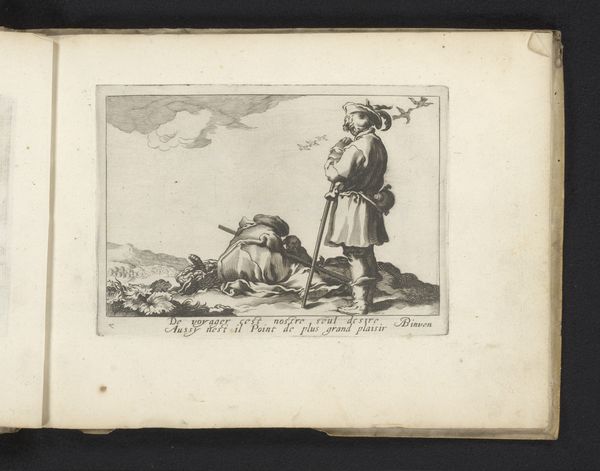
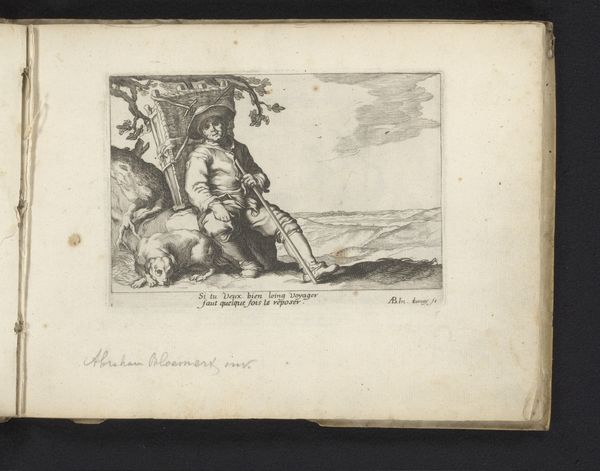
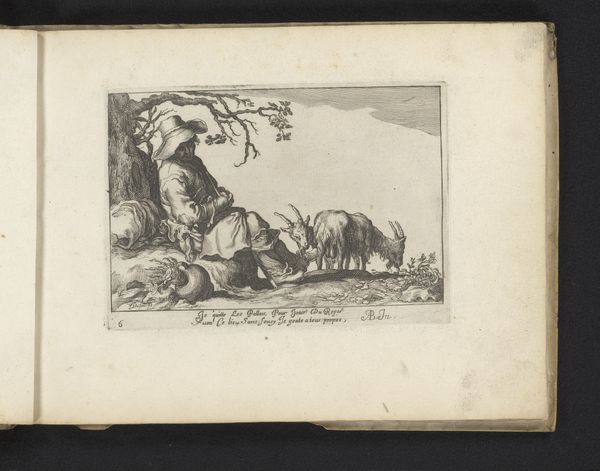
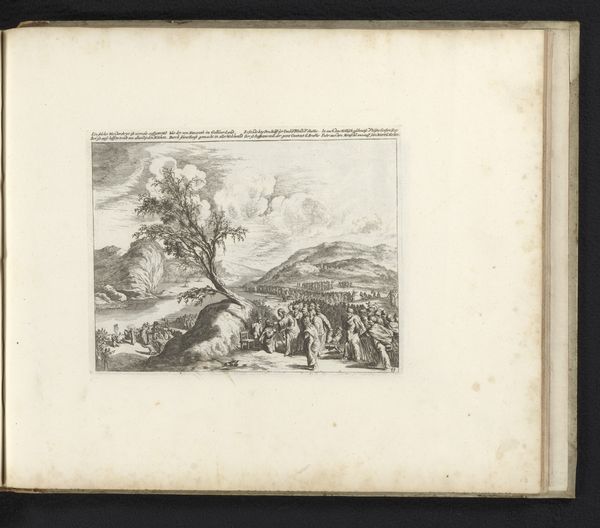
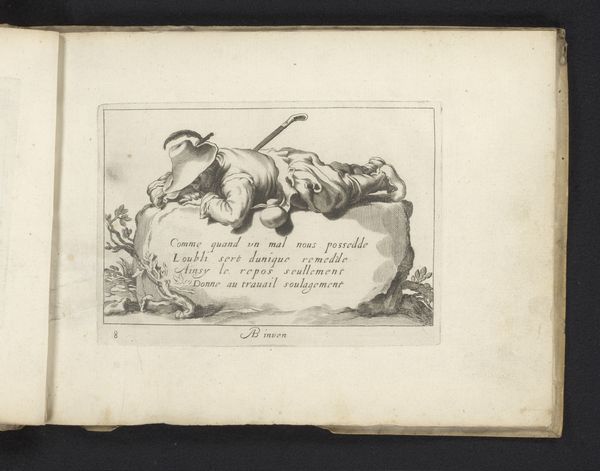
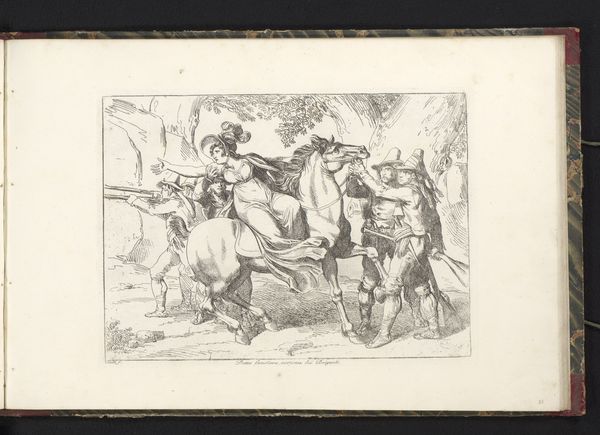
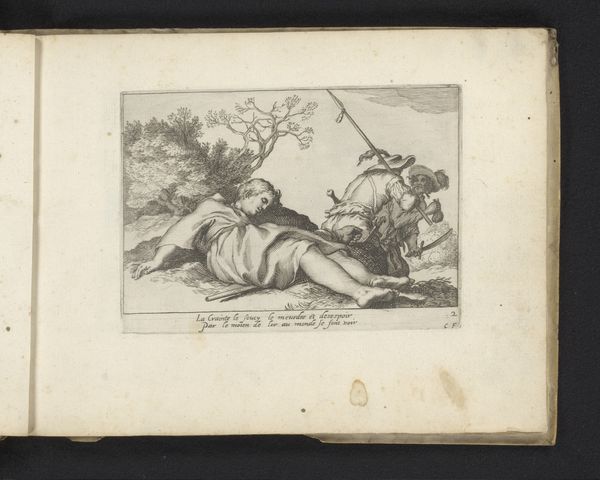
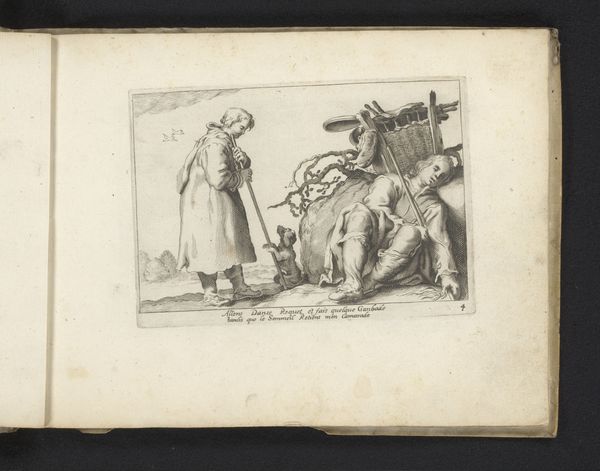
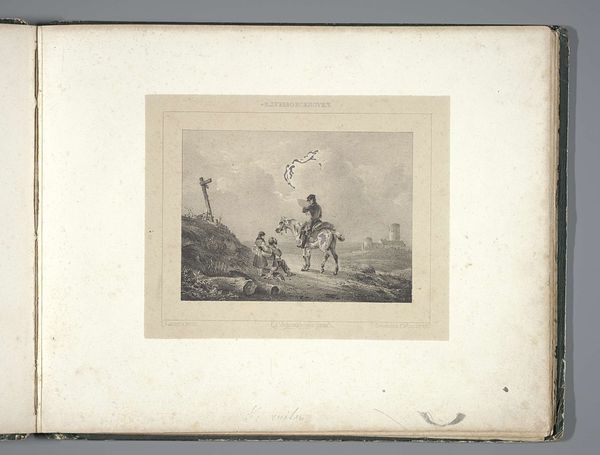
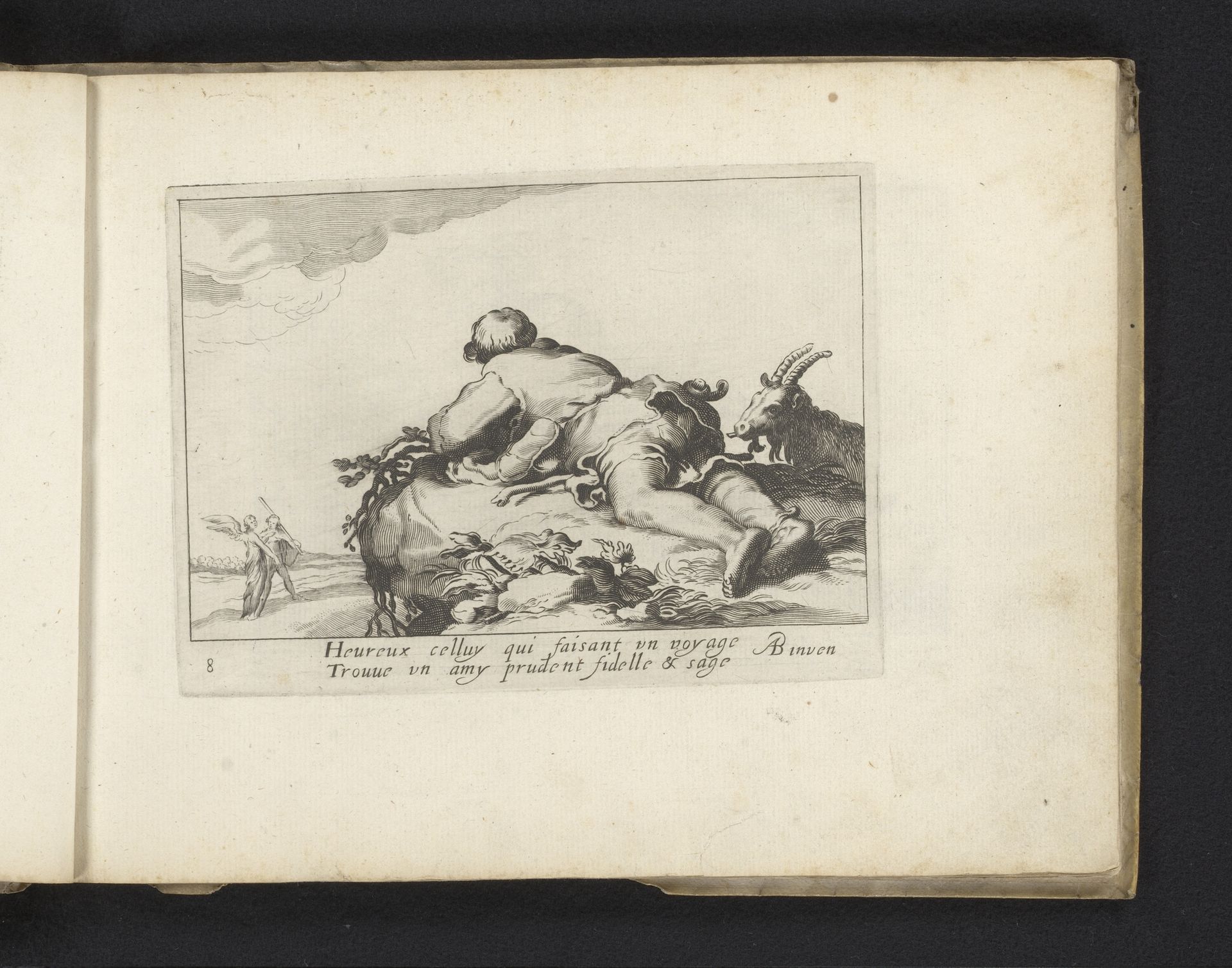
This engraving by an anonymous artist depicts a reclining man with a goat, observing an angel guiding another figure. The printmaking process involves significant hand work, starting with the artist creating an image on a metal plate, likely copper, using tools to incise lines that hold ink. The quality of the line—its depth, width, and character—is all determined by the skill and pressure applied by the artist. This is highly specialized labor. Once the image is carved, the plate is inked, wiped clean, and then pressed onto paper, transferring the image. Each print requires careful repetition of this process. Engravings like this were often produced in multiples, allowing for wider distribution of imagery and ideas. The fine lines and detailed textures achievable through engraving contributed to its popularity as a medium for reproducing artworks and disseminating knowledge, playing a crucial role in the visual culture of its time. Recognizing the labor and material processes behind such prints enriches our appreciation, and challenges the traditional hierarchy separating unique artworks from those made in editions.
Liggende man met een geit kijkt naar een engel die een ander persoon leidt
1600 - 1650

Anonymous
@anonymousLocation
RijksmuseumArtwork details
- Medium
- drawing, print, paper, ink, engraving
- Dimensions
- height 114 mm, width 157 mm
- Location
- Rijksmuseum
- Copyright
- Rijks Museum: Open Domain
Tags
Comments
Share your thoughts
About this artwork
This engraving by an anonymous artist depicts a reclining man with a goat, observing an angel guiding another figure. The printmaking process involves significant hand work, starting with the artist creating an image on a metal plate, likely copper, using tools to incise lines that hold ink. The quality of the line—its depth, width, and character—is all determined by the skill and pressure applied by the artist. This is highly specialized labor. Once the image is carved, the plate is inked, wiped clean, and then pressed onto paper, transferring the image. Each print requires careful repetition of this process. Engravings like this were often produced in multiples, allowing for wider distribution of imagery and ideas. The fine lines and detailed textures achievable through engraving contributed to its popularity as a medium for reproducing artworks and disseminating knowledge, playing a crucial role in the visual culture of its time. Recognizing the labor and material processes behind such prints enriches our appreciation, and challenges the traditional hierarchy separating unique artworks from those made in editions.
Comments
Share your thoughts