About this artwork
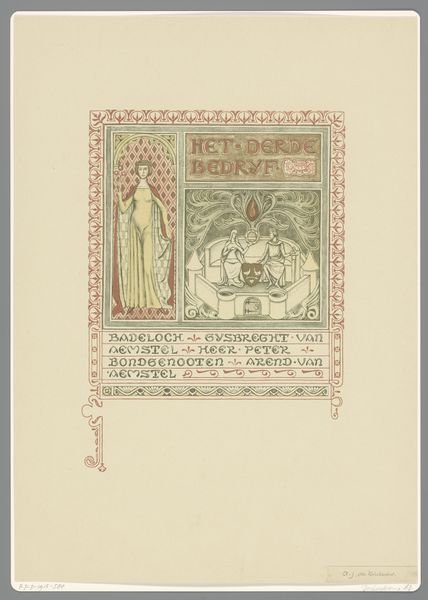
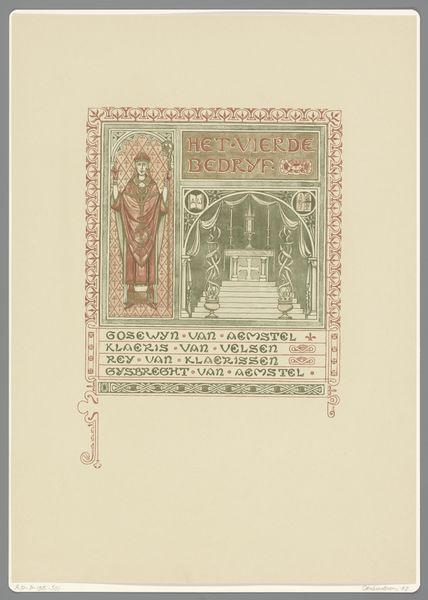
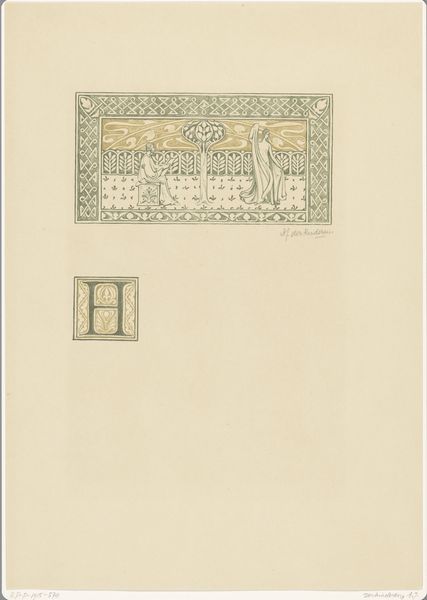
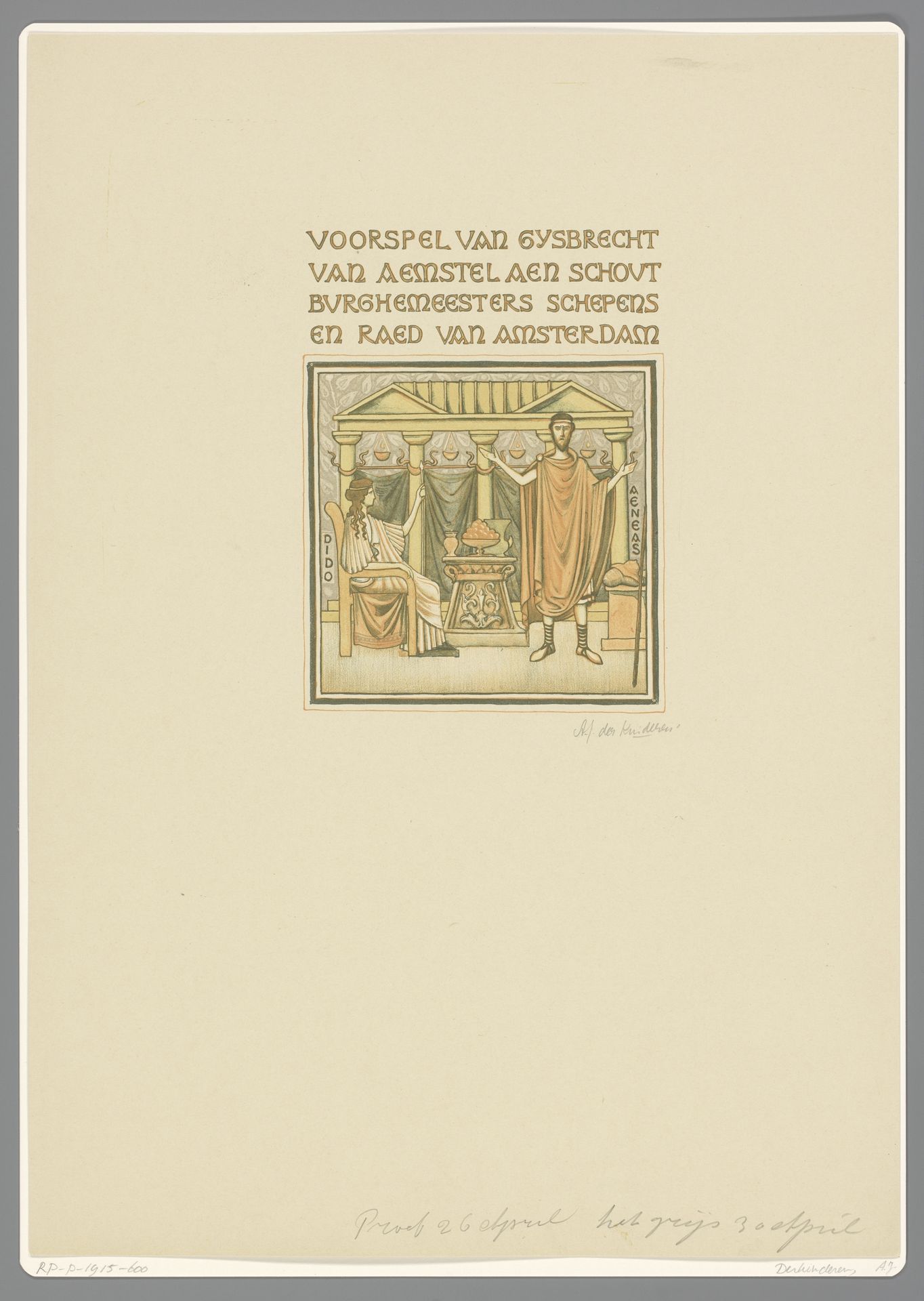
Antoon Derkinderen created this work, "Dido en Aeneas in een interieur," which translates to "Dido and Aeneas in an Interior", using a printmaking technique. Derkinderen was working at a time of significant social and political change in the Netherlands. As industrialization and urbanization progressed, his art, which reflected a longing for simpler times, can be seen as a commentary on these shifts. Here, Derkinderen presents a scene from classical literature. By depicting Dido, the Queen of Carthage, and Aeneas, a Trojan hero, Derkinderen taps into themes of love, duty, and destiny that have resonated through centuries. We can consider the power dynamics at play. Dido, a woman in power, is ultimately undone by her love for Aeneas, whose duty to found Rome takes precedence. This tension between personal desire and public duty raises questions about the roles and expectations placed on individuals, particularly women, in society. Derkinderen's choice to depict this classical scene through a modern lens invites us to reflect on enduring themes of power, gender, and the human condition.

Artwork details
- Medium
- drawing, paper, ink
- Dimensions
- height 414 mm, width 295 mm
- Copyright
- Rijks Museum: Open Domain
Tags
portrait
drawing
art-nouveau
narrative-art
paper
ink
symbolism
academic-art
Comments
No comments
About this artwork
Antoon Derkinderen created this work, "Dido en Aeneas in een interieur," which translates to "Dido and Aeneas in an Interior", using a printmaking technique. Derkinderen was working at a time of significant social and political change in the Netherlands. As industrialization and urbanization progressed, his art, which reflected a longing for simpler times, can be seen as a commentary on these shifts. Here, Derkinderen presents a scene from classical literature. By depicting Dido, the Queen of Carthage, and Aeneas, a Trojan hero, Derkinderen taps into themes of love, duty, and destiny that have resonated through centuries. We can consider the power dynamics at play. Dido, a woman in power, is ultimately undone by her love for Aeneas, whose duty to found Rome takes precedence. This tension between personal desire and public duty raises questions about the roles and expectations placed on individuals, particularly women, in society. Derkinderen's choice to depict this classical scene through a modern lens invites us to reflect on enduring themes of power, gender, and the human condition.
Comments
No comments