About this artwork
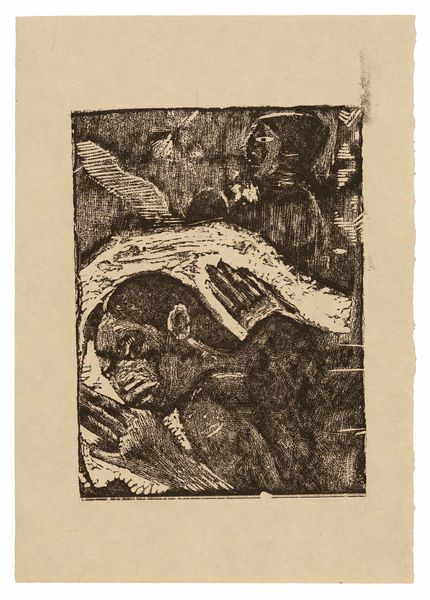
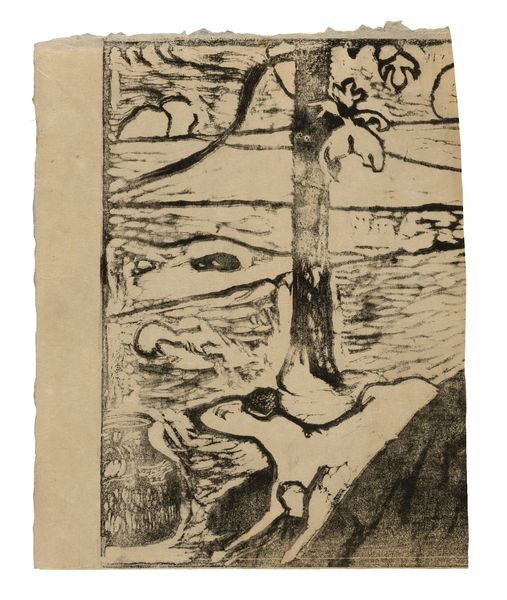
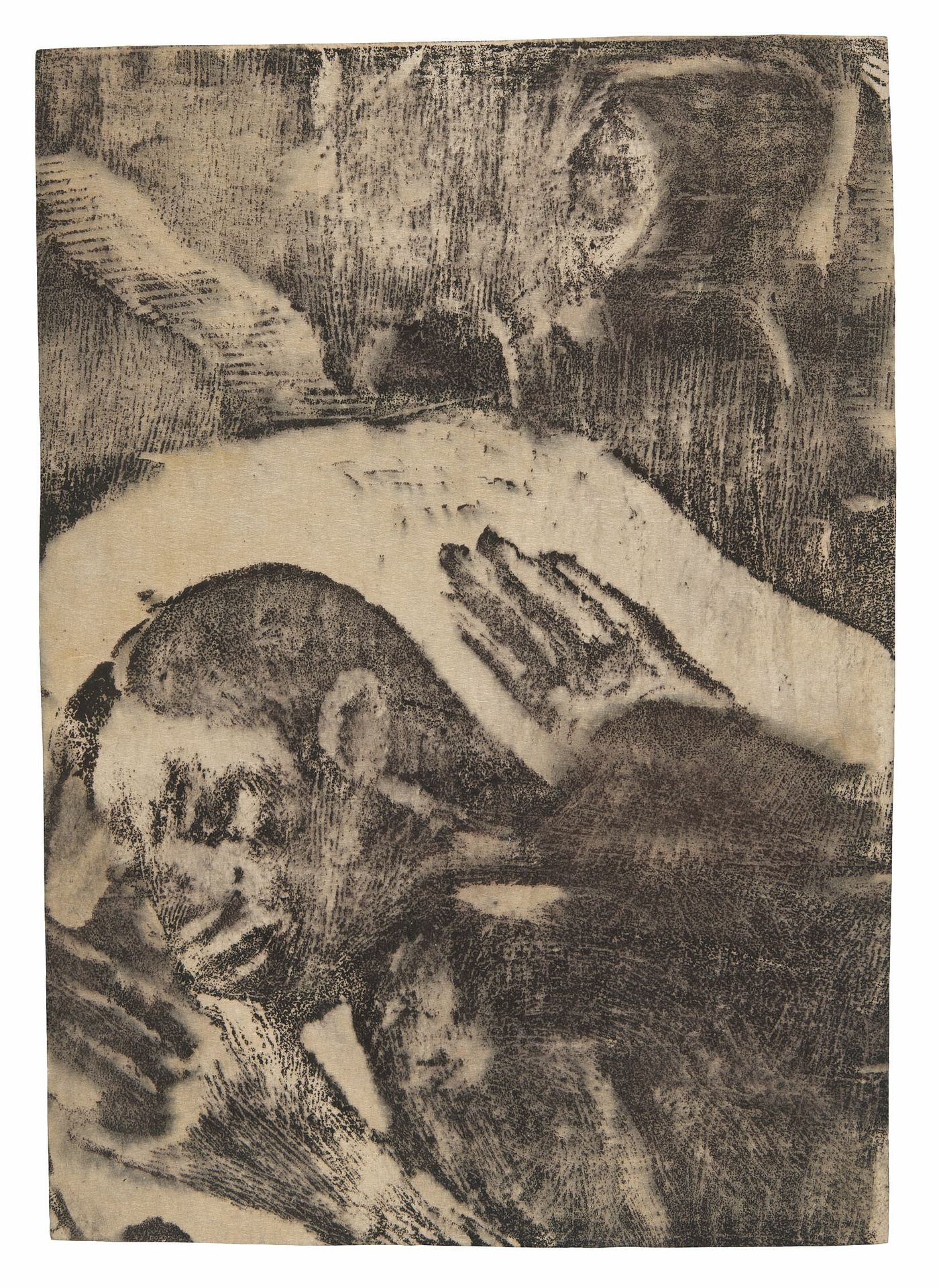
Paul Gauguin made this monotype, "Manao tupapau," using ink on paper. This unusual printmaking technique creates a unique, unrepeatable image. Gauguin would have applied ink to a smooth surface and then pressed paper against it, transferring the design. The resulting print has a raw, immediate quality. Look closely, and you’ll notice the variations in tone and texture, achieved through the pressure of the printing process. The figure's contours aren’t sharply defined, but softly emerge from the background. This almost ghostly effect enhances the work's mysterious, dreamlike atmosphere. Gauguin was interested in non-Western cultures and aesthetics. Here, he seems to be deliberately moving away from academic art traditions. The monotype process allowed him to create an image with a handmade, almost primitive feel, aligning with his vision of art rooted in direct experience and intuition. This print invites us to appreciate the beauty of simplicity and the power of unconventional methods.
Manao tupapau (She Thinks of the Ghost or The Ghost Thinks of Her)
1894 - 1895


Artwork details
- Medium
- drawing, print, paper, woodcut
- Dimensions
- 169 × 121 mm (image/sheet)
- Location
- The Art Institute of Chicago
- Copyright
- Public Domain
Tags
drawing
narrative-art
figuration
paper
woodcut
symbolism
nude
Comments
Be the first to share your thoughts about this work.
About this artwork
Paul Gauguin made this monotype, "Manao tupapau," using ink on paper. This unusual printmaking technique creates a unique, unrepeatable image. Gauguin would have applied ink to a smooth surface and then pressed paper against it, transferring the design. The resulting print has a raw, immediate quality. Look closely, and you’ll notice the variations in tone and texture, achieved through the pressure of the printing process. The figure's contours aren’t sharply defined, but softly emerge from the background. This almost ghostly effect enhances the work's mysterious, dreamlike atmosphere. Gauguin was interested in non-Western cultures and aesthetics. Here, he seems to be deliberately moving away from academic art traditions. The monotype process allowed him to create an image with a handmade, almost primitive feel, aligning with his vision of art rooted in direct experience and intuition. This print invites us to appreciate the beauty of simplicity and the power of unconventional methods.
Comments
Be the first to share your thoughts about this work.