1515 - 1565
Loves of the Gods

Giovanni Jacopo Caraglio
1500 - 1565Location
RijksmuseumListen to curator's interpretation
Curatorial notes
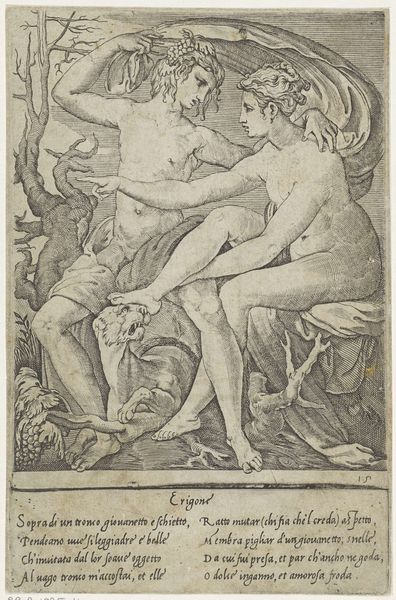
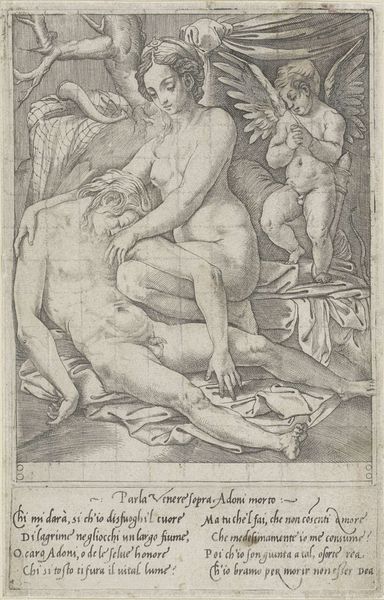
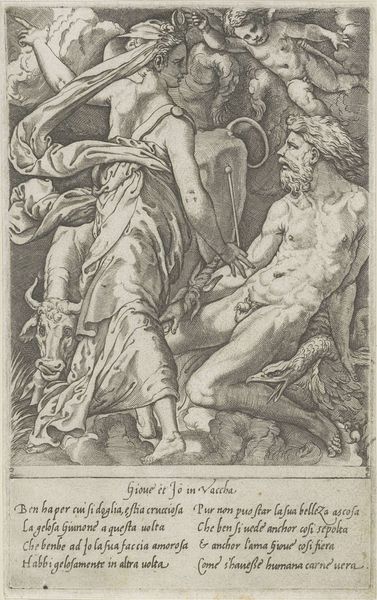
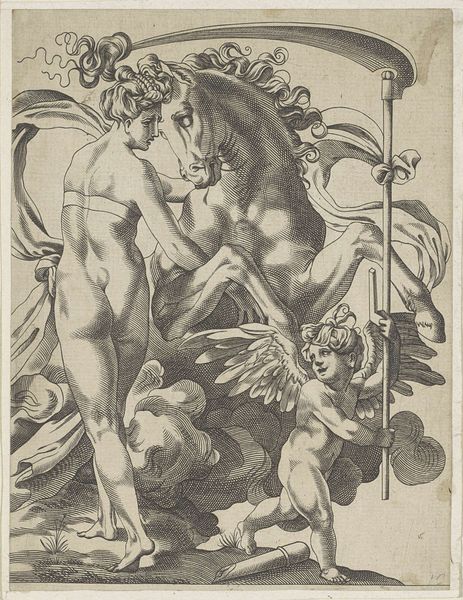
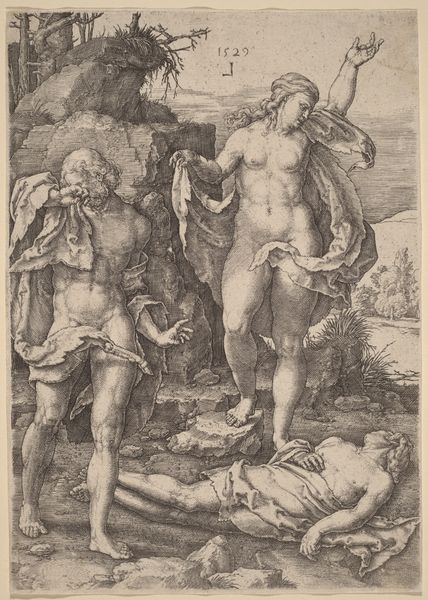
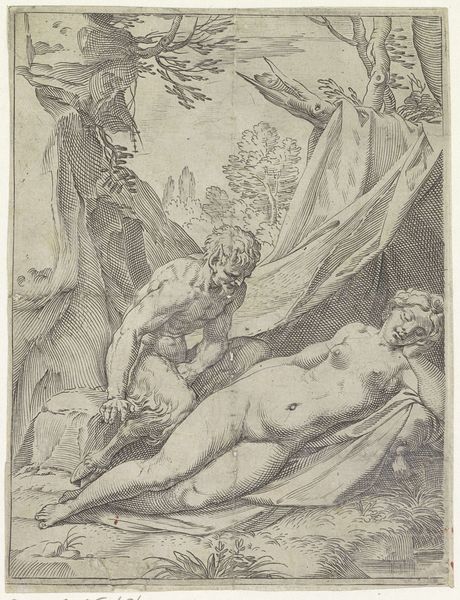
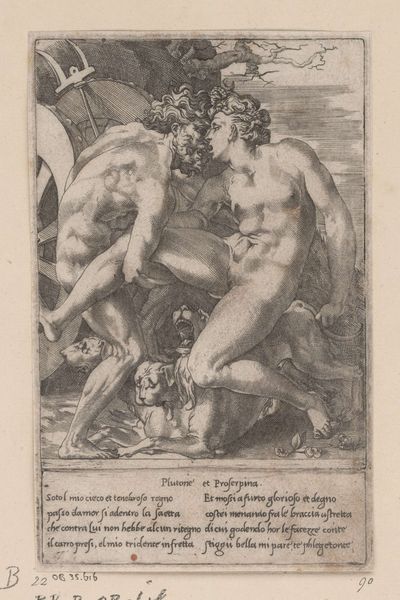
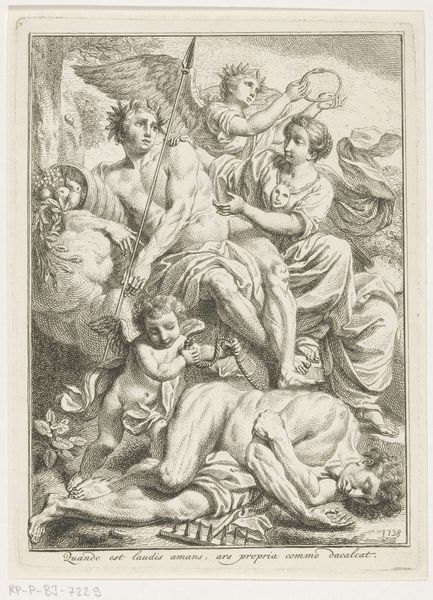
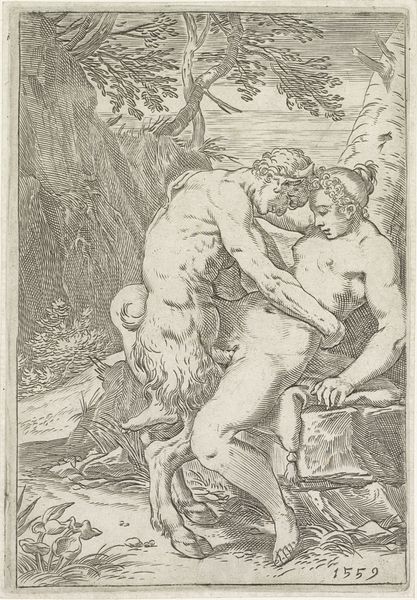
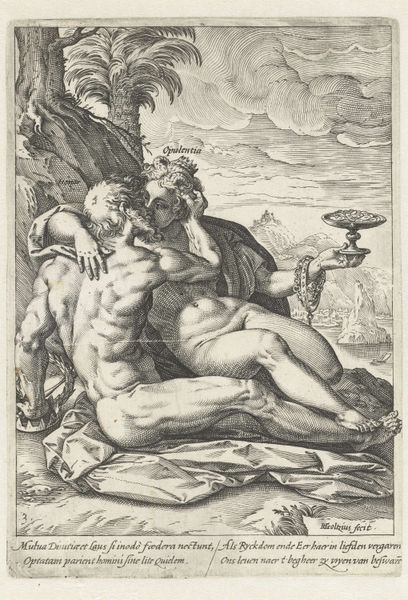
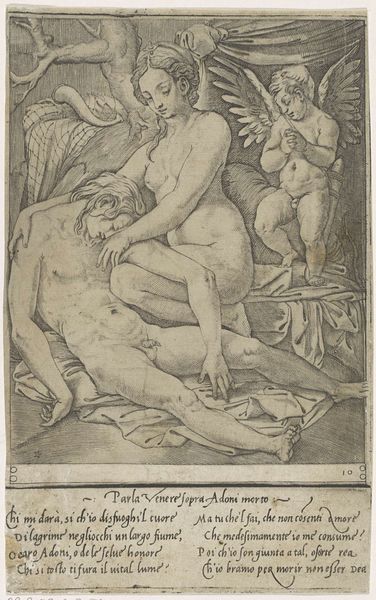
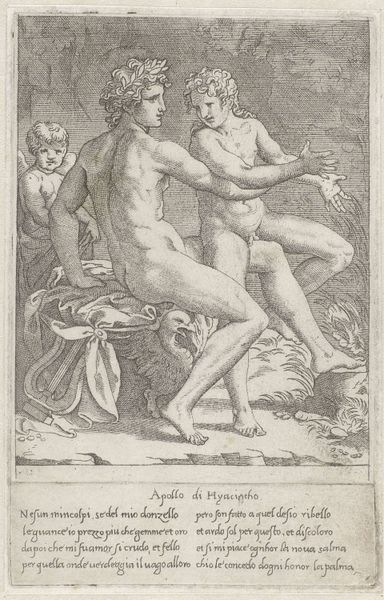
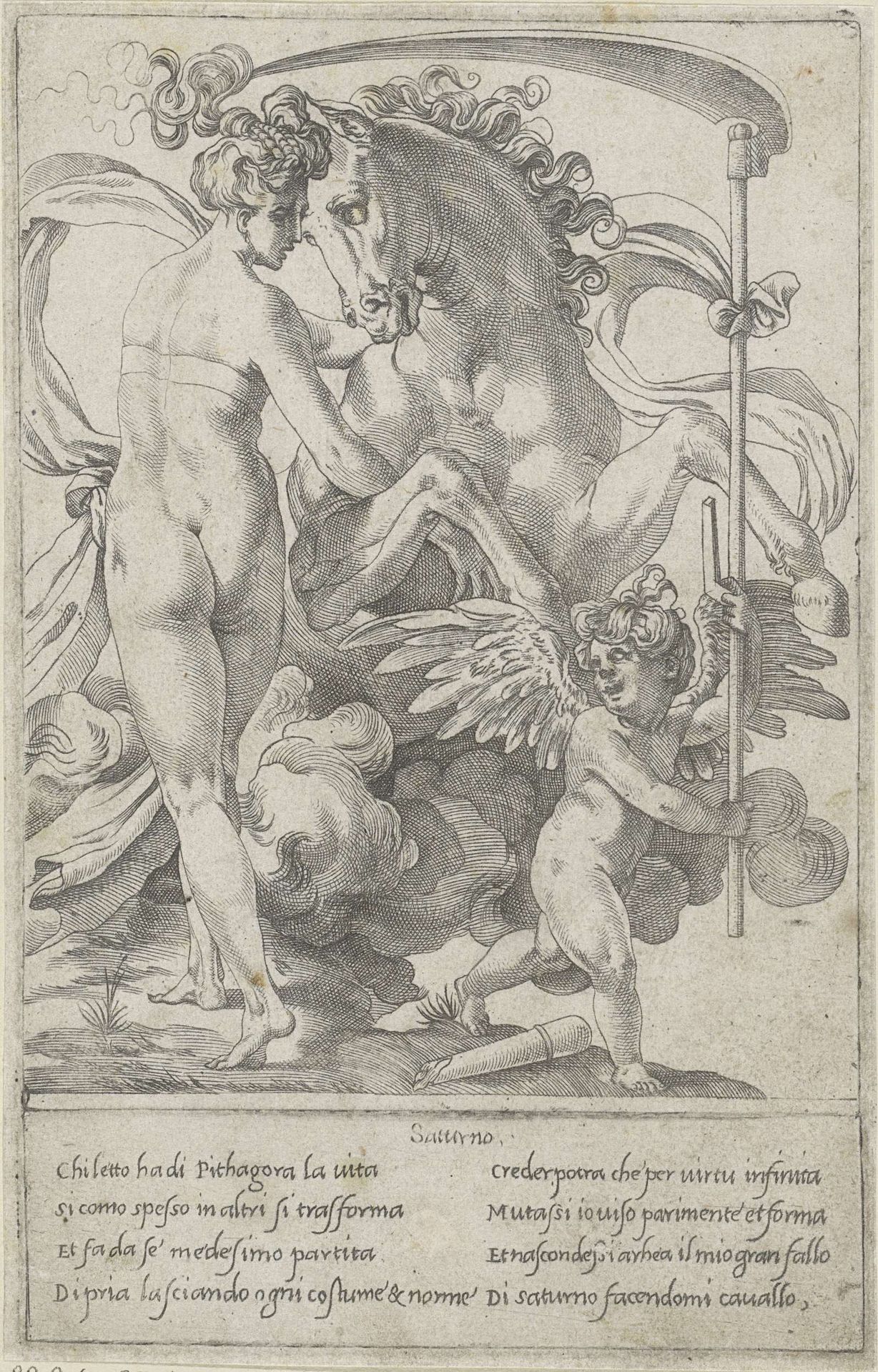
This engraving, Loves of the Gods, was created by Giovanni Jacopo Caraglio around 1500. Immediately, the dynamism of the composition pulls the eye, structured by complex forms and symbolic relationships, all rendered in meticulous detail. Caraglio uses the linear quality of the engraving technique to define shape and texture, creating a visual language that is both descriptive and allegorical. Notice how the figures—the nude woman, the horse, and the cupid—are intertwined. This entanglement might suggest a convergence of beauty, power, and desire, central themes in Renaissance art and philosophy. The forms destabilize traditional interpretations through metamorphosis and transformation. The engraving operates as a semiotic system, where each element is a signifier. For example, the horse can represent untamed passion, while the cupid symbolizes love. Together, they suggest a complex narrative. Consider how Caraglio’s formal choices reflect broader cultural and philosophical concerns about the nature of love, beauty, and transformation. This piece invites ongoing interpretations, as the artwork functions as a site of continuous re-evaluation.