About this artwork
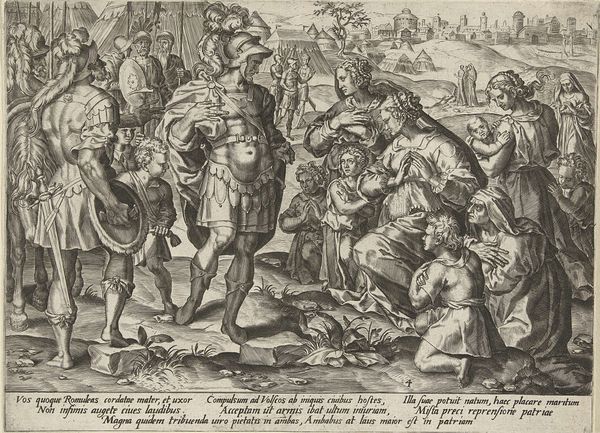
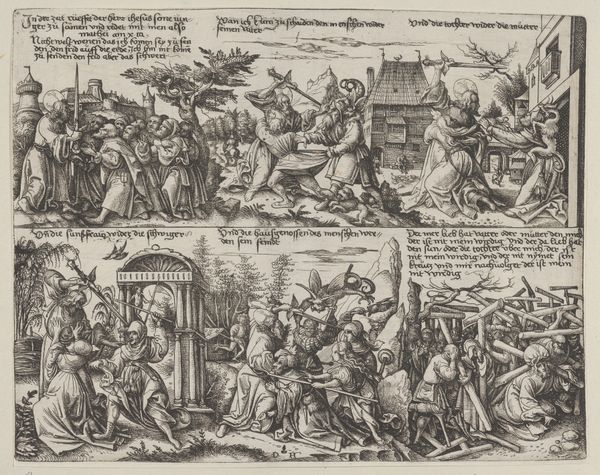
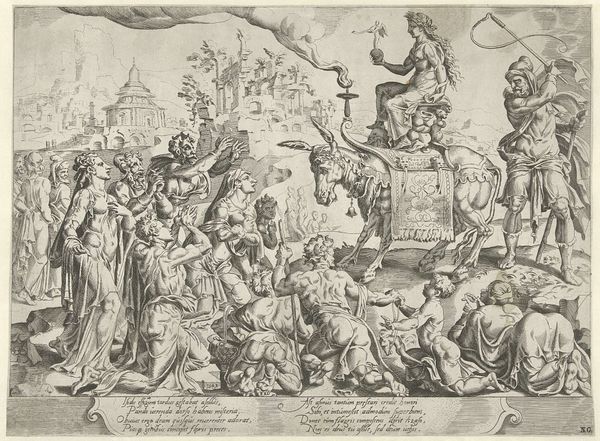
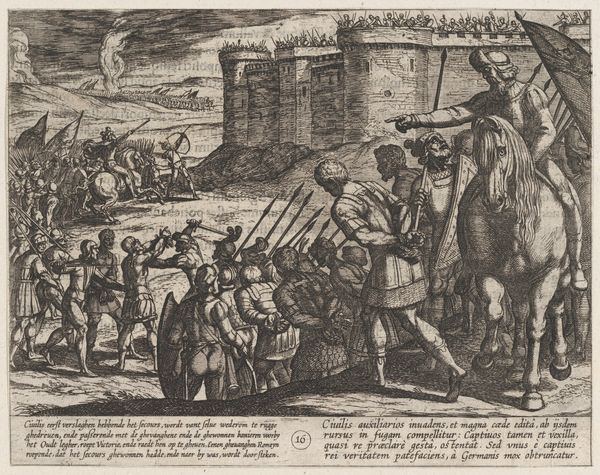
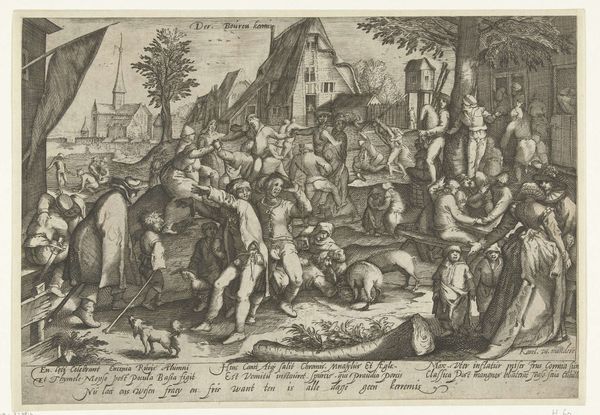
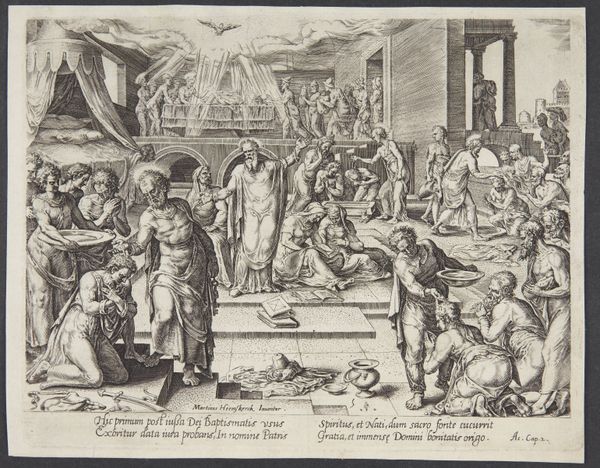
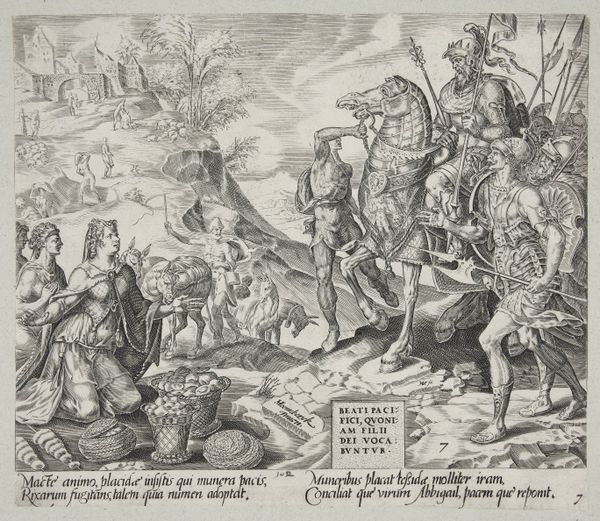
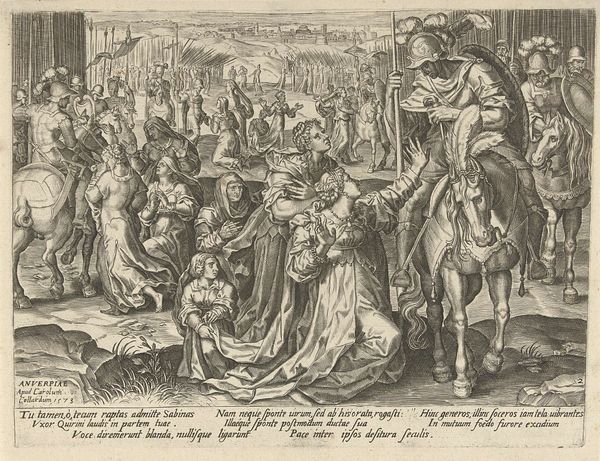
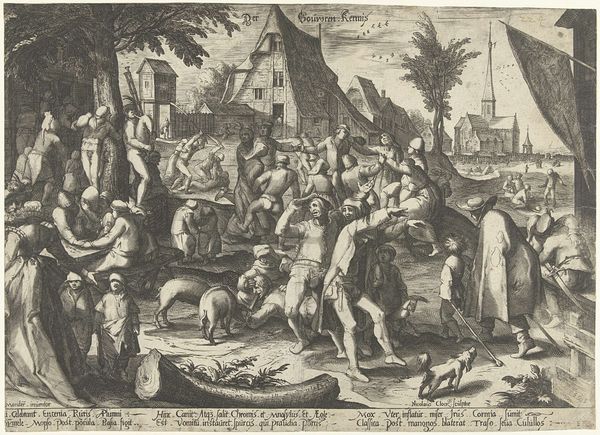
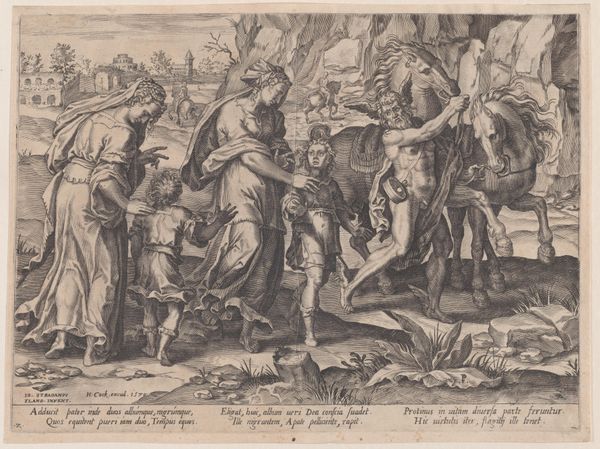
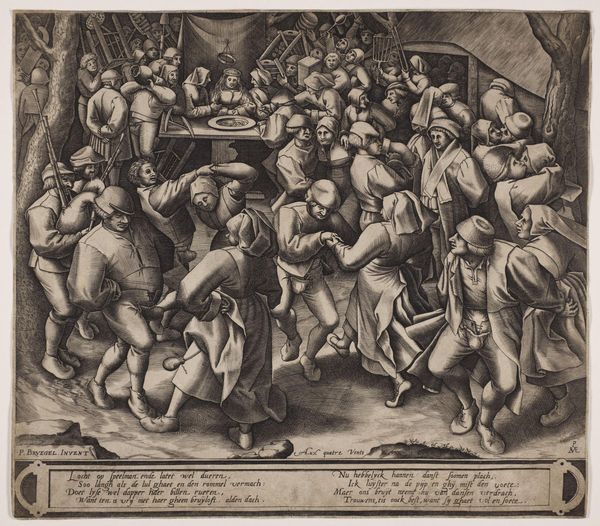
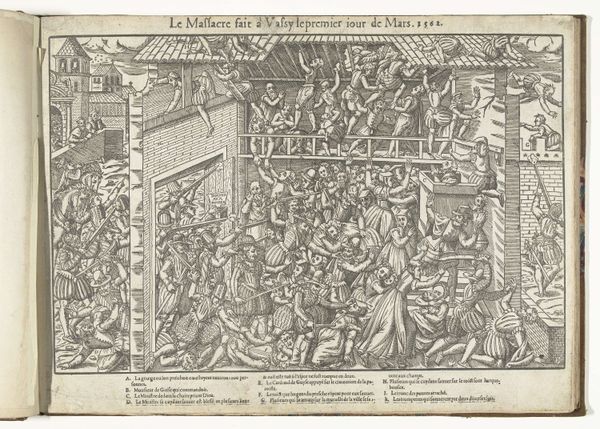
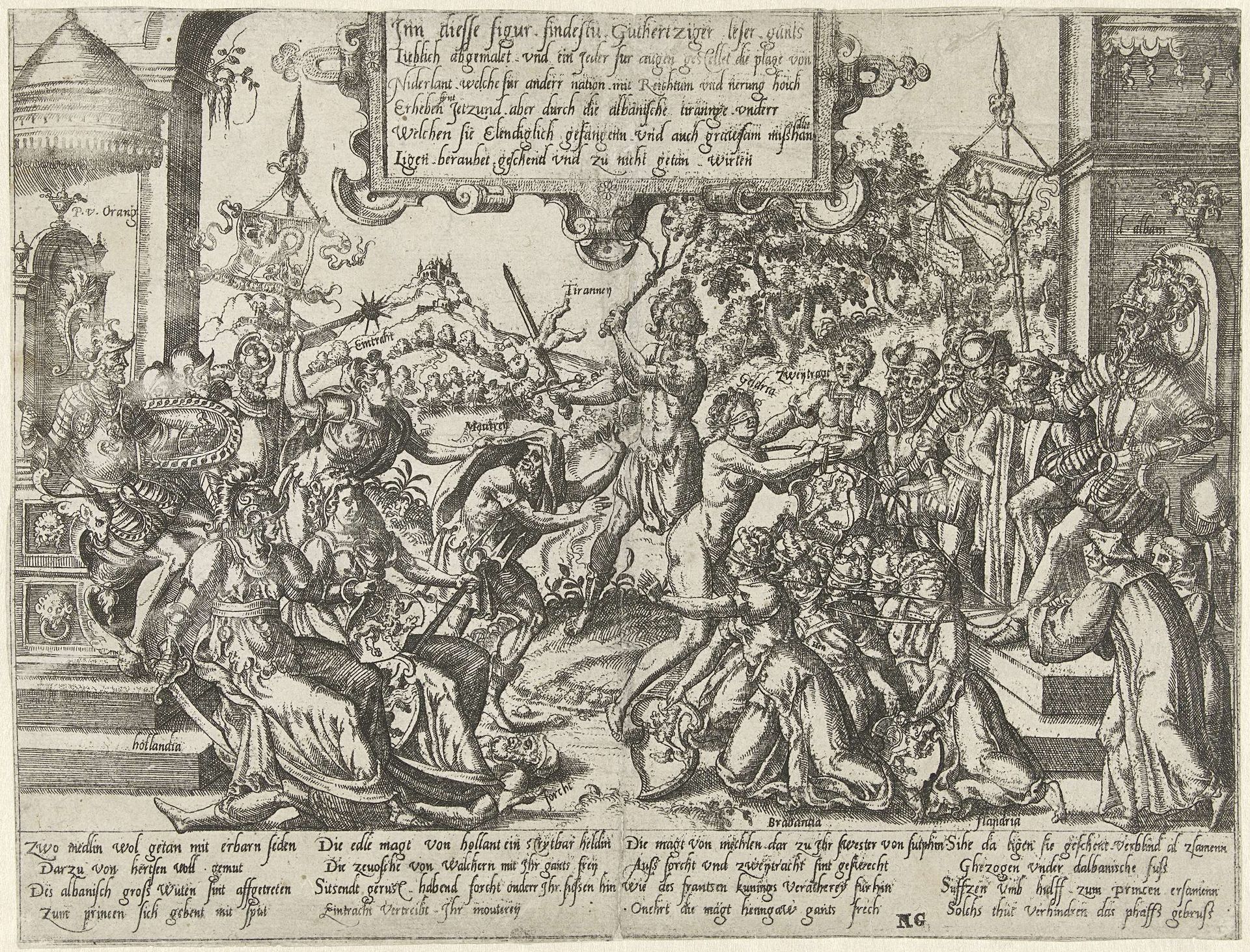
This etching, "The Plague of Alva's Tyranny in the Netherlands," was created around 1572 by an anonymous artist. The detailed lines carve out a scene of turmoil, a stark contrast between the opulence on the left and the violence unfolding on the right. Notice how the composition is divided, the left suggesting order, while the right descends into chaotic gestures and struggling figures, the bodies rendered with expressive intensity. This division embodies a rupture, unsettling the established order. The artist employs a semiotic system of power and suffering, challenging fixed meanings associated with authority. Through this formal arrangement, the work destabilizes established values, forcing a re-evaluation of power. It serves as a potent visual argument, inviting viewers to question and interpret the shifting landscapes of meaning.
De plaag van Alva's tirannie in de Nederlanden, ca. 1572 1572

Anonymous
@anonymousLocation
RijksmuseumArtwork details
- Medium
- print, etching
- Dimensions
- height 240 mm, width 315 mm
- Location
- Rijksmuseum
- Copyright
- Rijks Museum: Open Domain
Tags
allegory
narrative-art
etching
landscape
mannerism
figuration
history-painting
Comments
No comments
About this artwork
This etching, "The Plague of Alva's Tyranny in the Netherlands," was created around 1572 by an anonymous artist. The detailed lines carve out a scene of turmoil, a stark contrast between the opulence on the left and the violence unfolding on the right. Notice how the composition is divided, the left suggesting order, while the right descends into chaotic gestures and struggling figures, the bodies rendered with expressive intensity. This division embodies a rupture, unsettling the established order. The artist employs a semiotic system of power and suffering, challenging fixed meanings associated with authority. Through this formal arrangement, the work destabilizes established values, forcing a re-evaluation of power. It serves as a potent visual argument, inviting viewers to question and interpret the shifting landscapes of meaning.
Comments
No comments