About this artwork
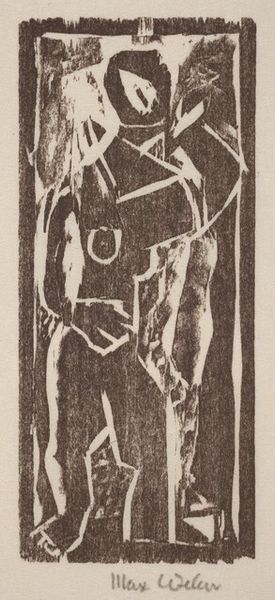
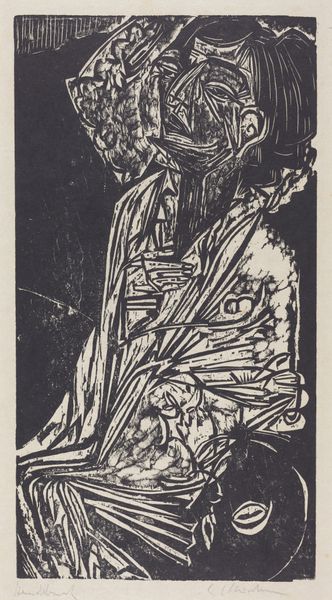
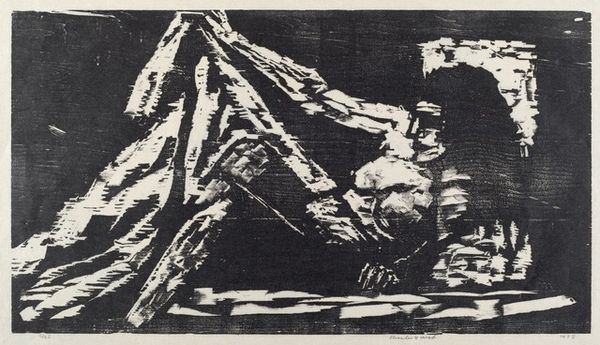
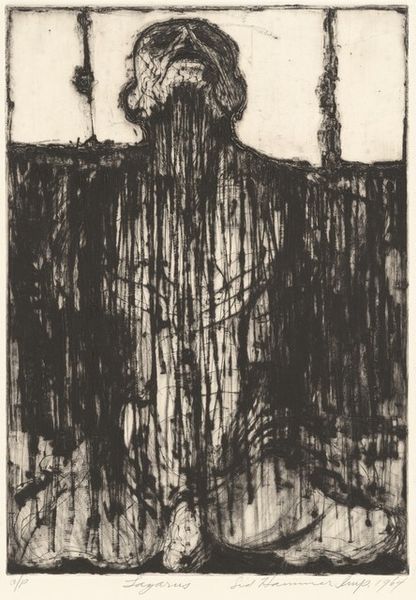
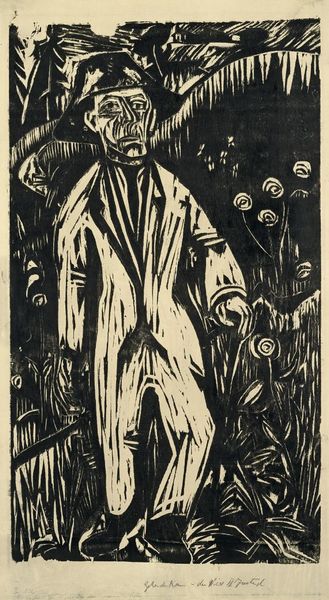
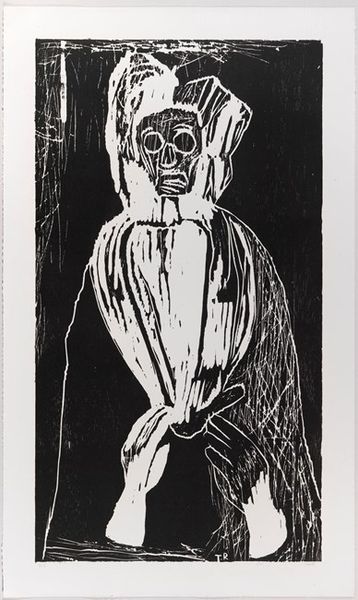
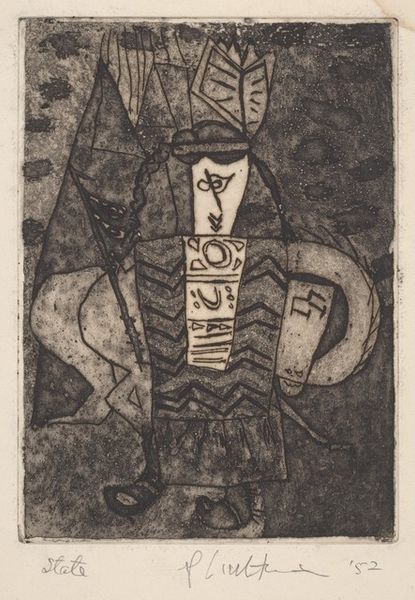
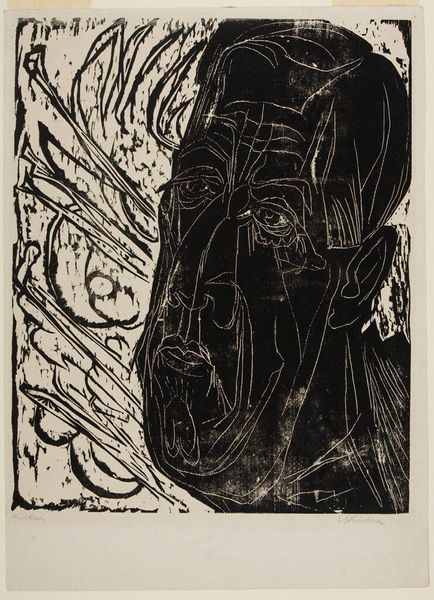
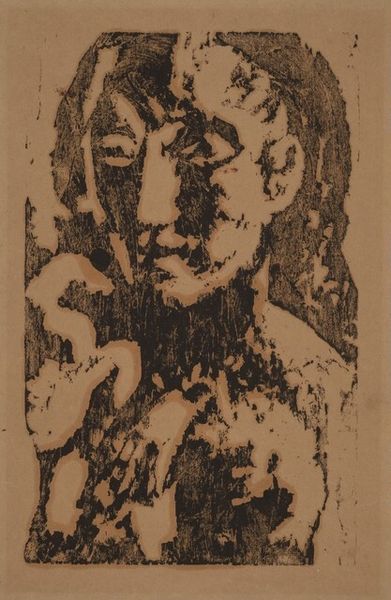
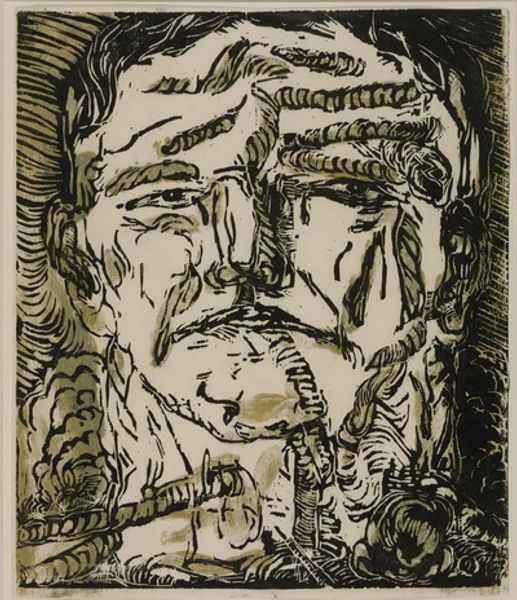
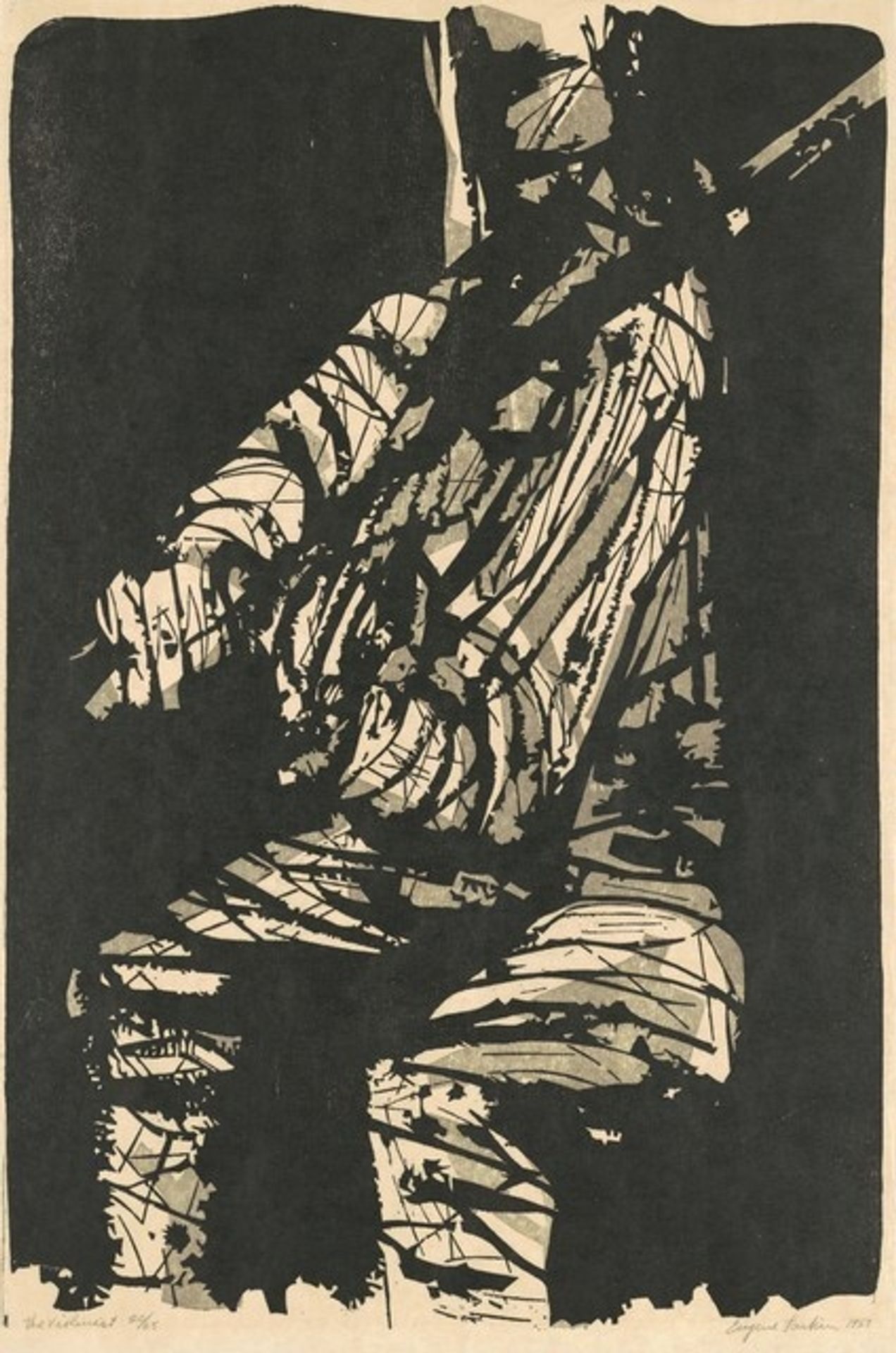
Eugene Larkin made this woodcut, The Violinist, using black ink to carve out something more than just an image, but an experience. The magic of woodcut is that it's a totally physical process: the artist wrestles with the wood, gouging out what isn't necessary to reveal the image. And look at the shirt of the violinist, how Larkin has translated the fabric into something jagged and modern. It's like he’s turning what we expect into something else entirely. Each mark isn't just a line, but a conscious decision, a little dance between intent and accident. You can see this same angularity in Kirchner's woodcuts too, but Larkin brings this very American energy to it all, like he’s inventing a new visual language right before our eyes. Art isn't just about showing something; it’s about messing with what we think we already know.
Artwork details
- Medium
- print, ink, woodcut
- Copyright
- National Gallery of Art: CC0 1.0
Tags
Comments
Share your thoughts
About this artwork
Eugene Larkin made this woodcut, The Violinist, using black ink to carve out something more than just an image, but an experience. The magic of woodcut is that it's a totally physical process: the artist wrestles with the wood, gouging out what isn't necessary to reveal the image. And look at the shirt of the violinist, how Larkin has translated the fabric into something jagged and modern. It's like he’s turning what we expect into something else entirely. Each mark isn't just a line, but a conscious decision, a little dance between intent and accident. You can see this same angularity in Kirchner's woodcuts too, but Larkin brings this very American energy to it all, like he’s inventing a new visual language right before our eyes. Art isn't just about showing something; it’s about messing with what we think we already know.
Comments
Share your thoughts