About this artwork
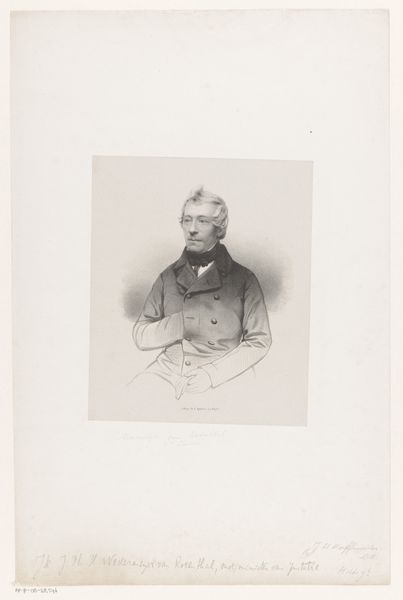
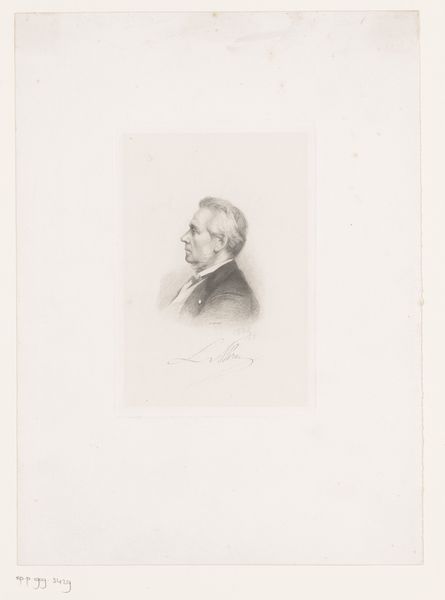
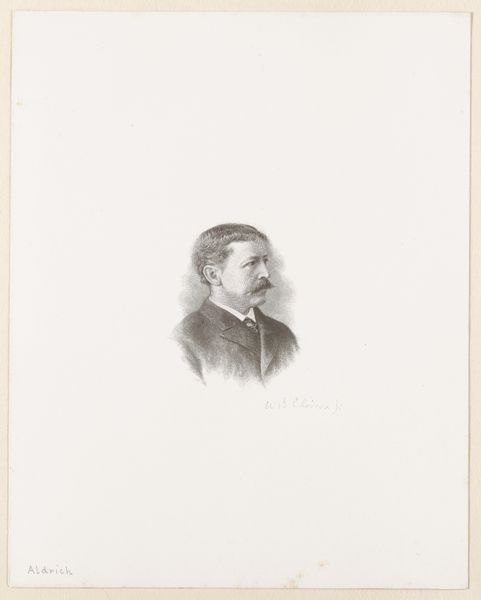
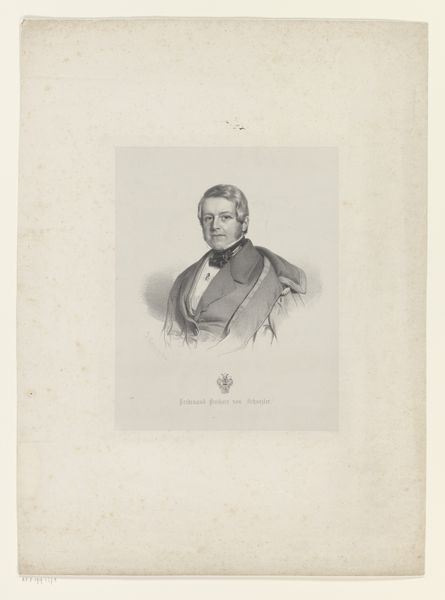
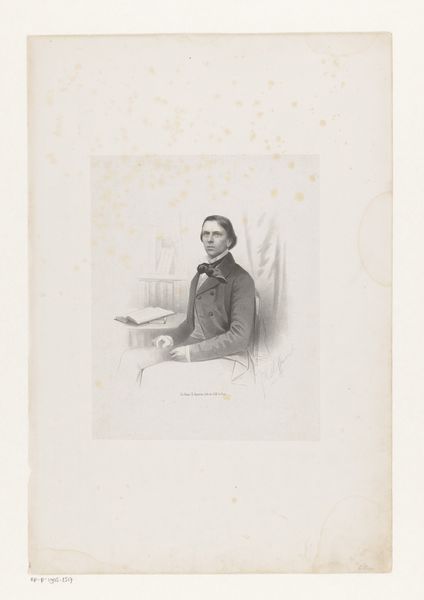
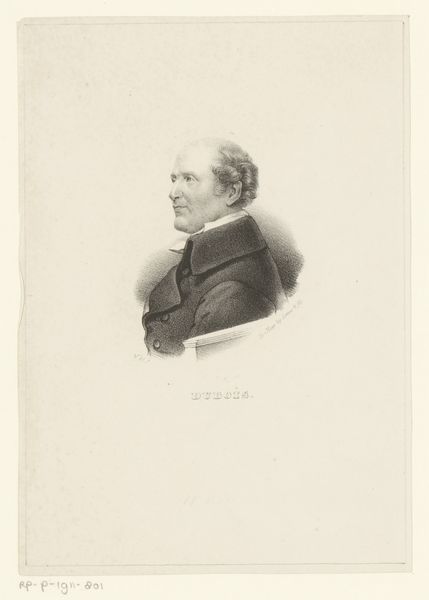
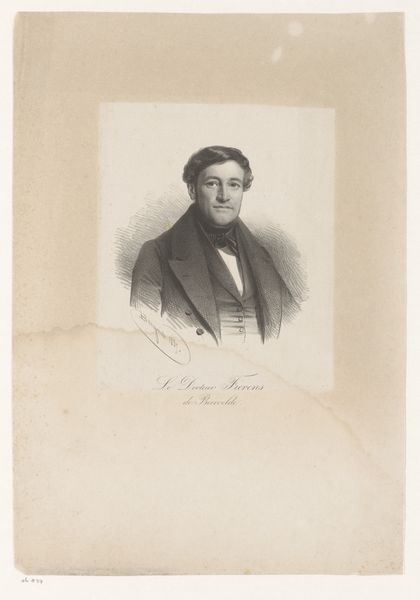
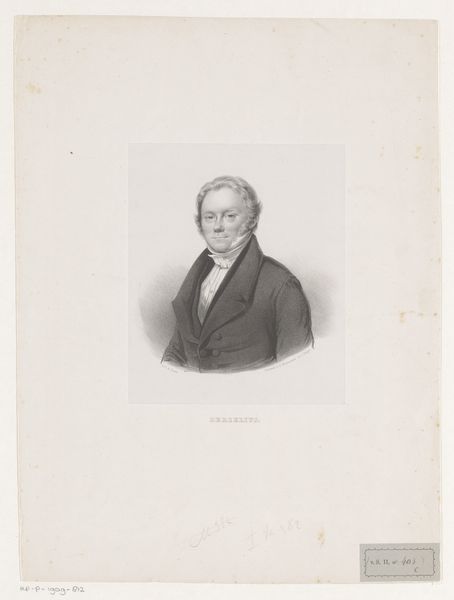
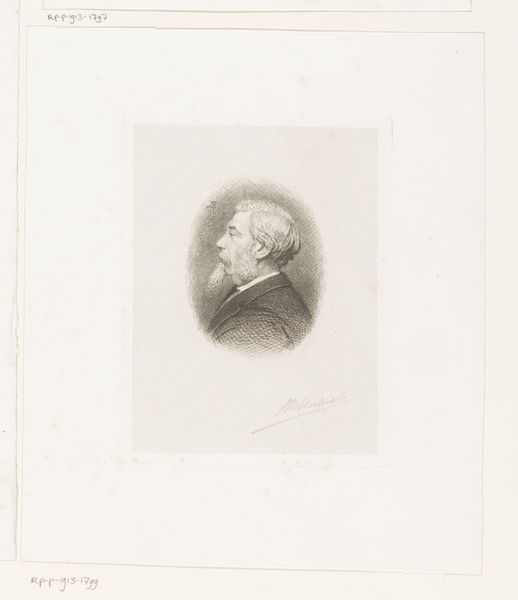
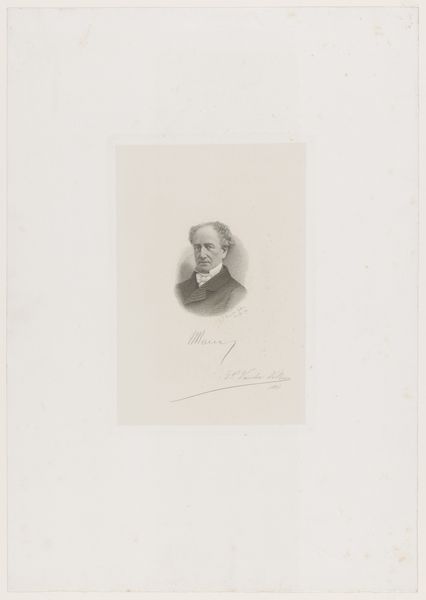
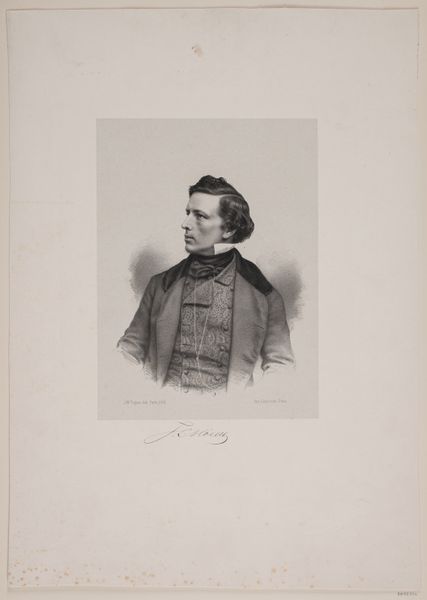
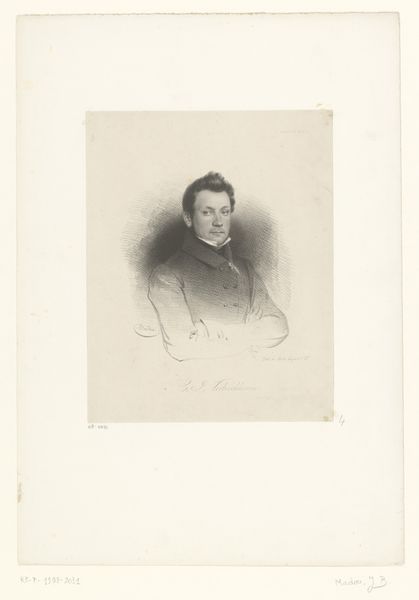
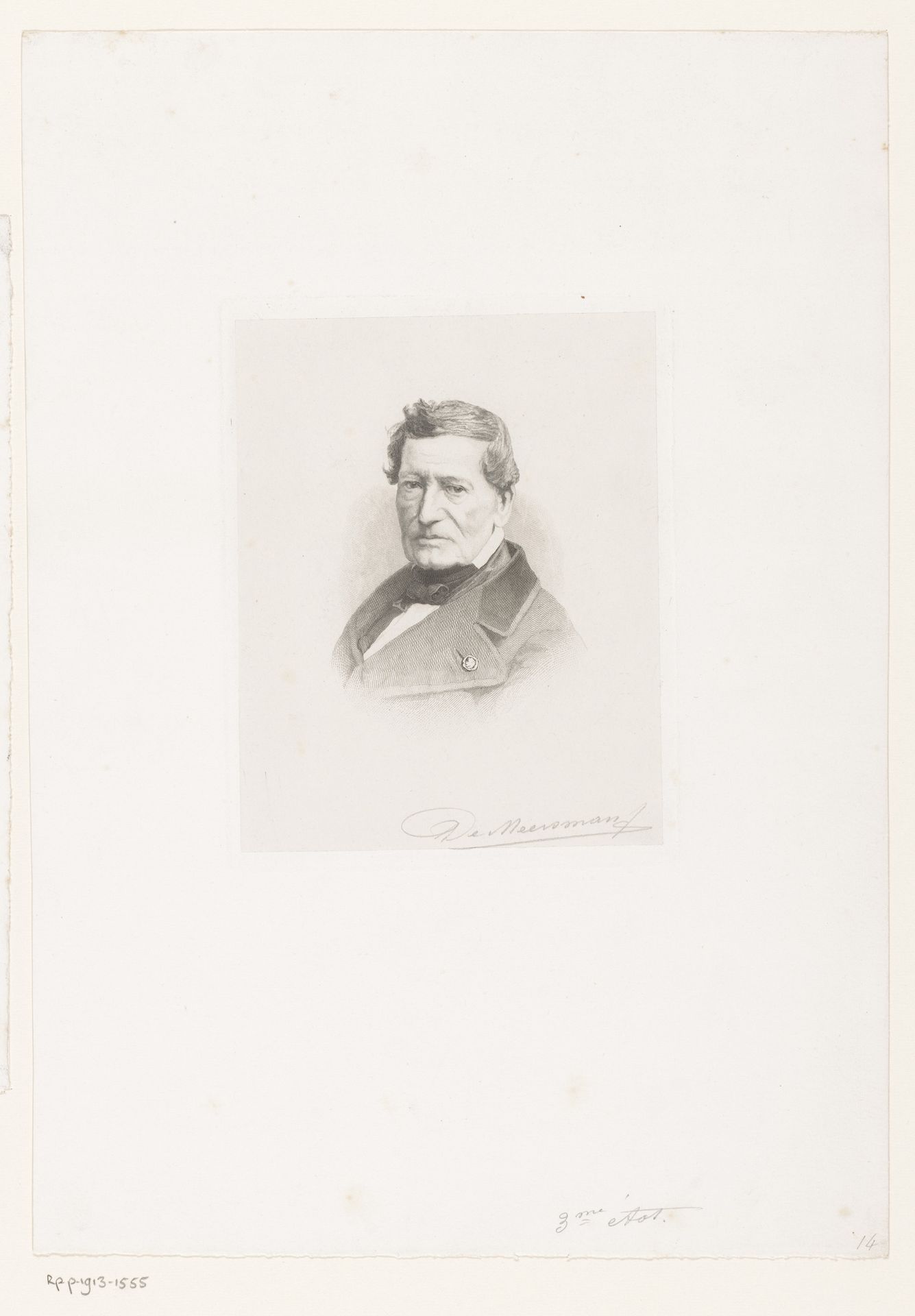
François de Meersman created this portrait of an unknown man, possibly Daupoigne, using etching. Meersman, who lived in Belgium during a period marked by significant social and political change, captures the somber and dignified air of a man who seems conscious of his position. There’s a hint of melancholy in his eyes, an awareness perhaps of the weight of societal expectations. The etching technique, with its fine lines and subtle gradations, lends a sense of intimacy. Consider the implications of representing the bourgeoisie during this era. Does the portrait reinforce traditional power structures, or does it offer a more nuanced glimpse into the individual? This portrait invites us to reflect on the interplay between individual identity and societal role. It’s a quiet, reflective piece that resonates with enduring questions about representation and selfhood.

Artwork details
- Medium
- drawing, pencil
- Dimensions
- height 145 mm, width 115 mm
- Copyright
- Rijks Museum: Open Domain
Tags
portrait
pencil drawn
drawing
light pencil work
pencil sketch
pencil drawing
pencil
pencil work
academic-art
realism
Comments
Be the first to share your thoughts about this work.
About this artwork
François de Meersman created this portrait of an unknown man, possibly Daupoigne, using etching. Meersman, who lived in Belgium during a period marked by significant social and political change, captures the somber and dignified air of a man who seems conscious of his position. There’s a hint of melancholy in his eyes, an awareness perhaps of the weight of societal expectations. The etching technique, with its fine lines and subtle gradations, lends a sense of intimacy. Consider the implications of representing the bourgeoisie during this era. Does the portrait reinforce traditional power structures, or does it offer a more nuanced glimpse into the individual? This portrait invites us to reflect on the interplay between individual identity and societal role. It’s a quiet, reflective piece that resonates with enduring questions about representation and selfhood.
Comments
Be the first to share your thoughts about this work.