About this artwork
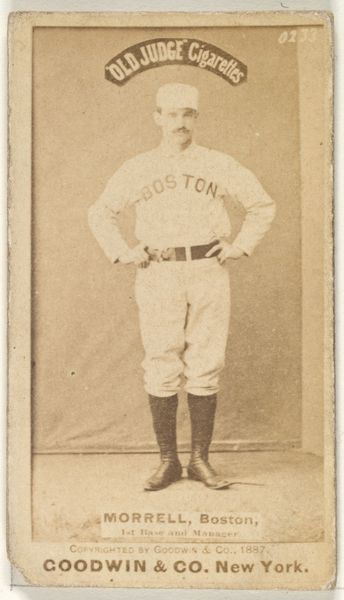
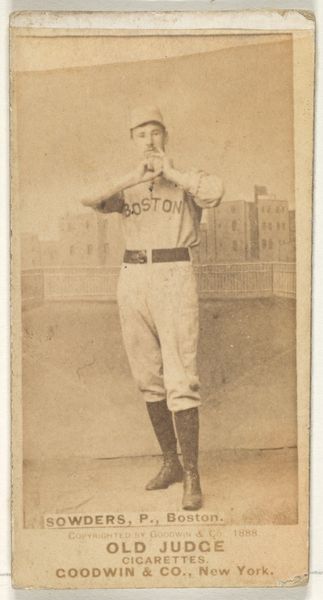
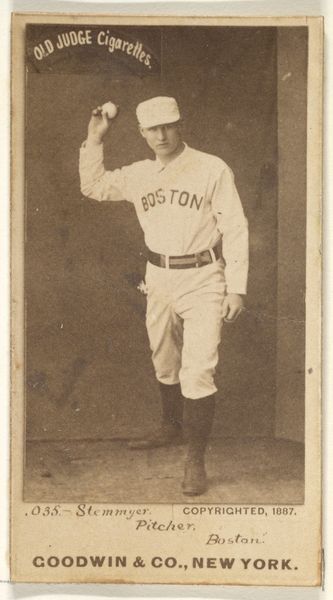
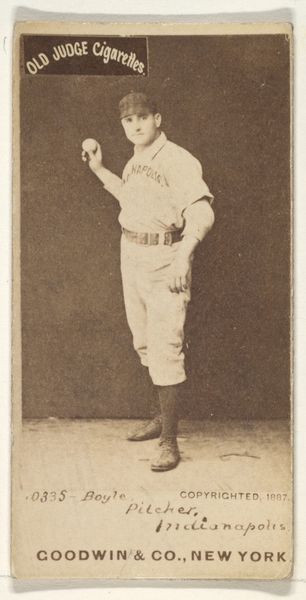
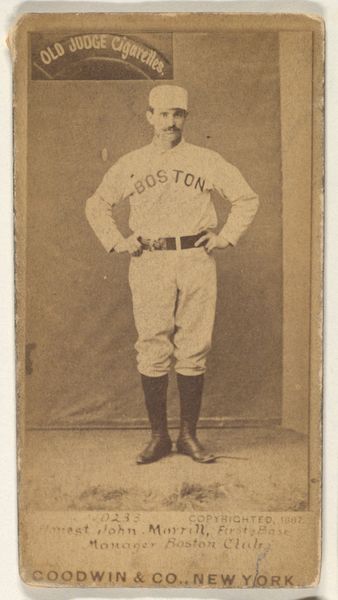
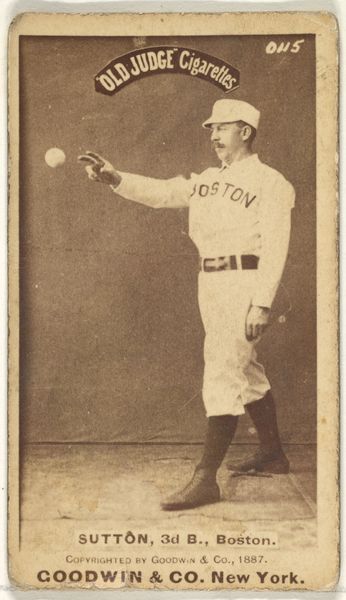
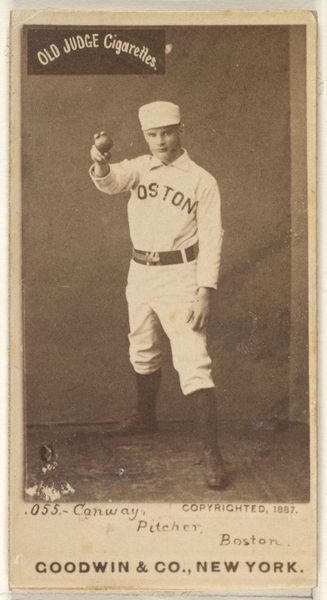
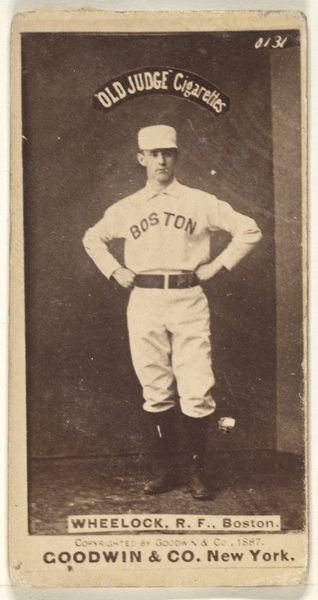
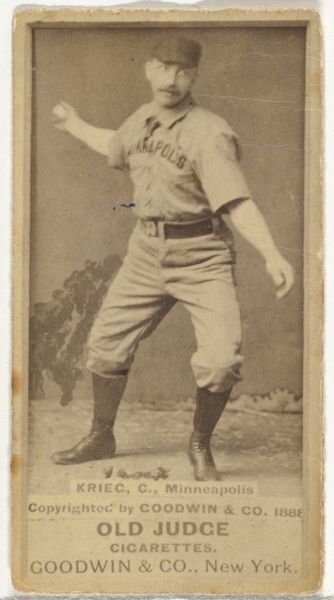
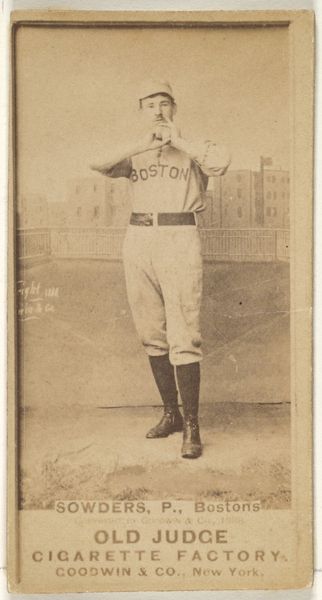
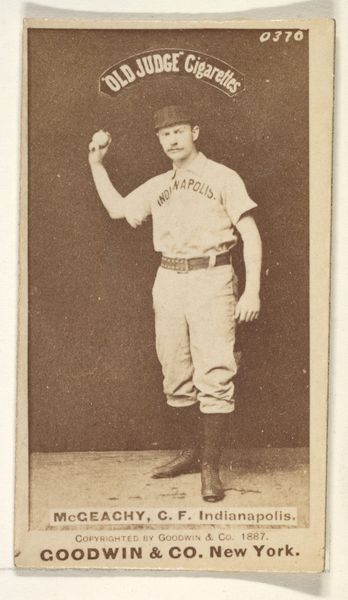
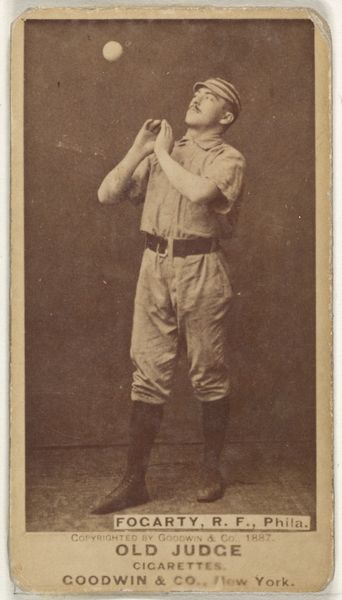
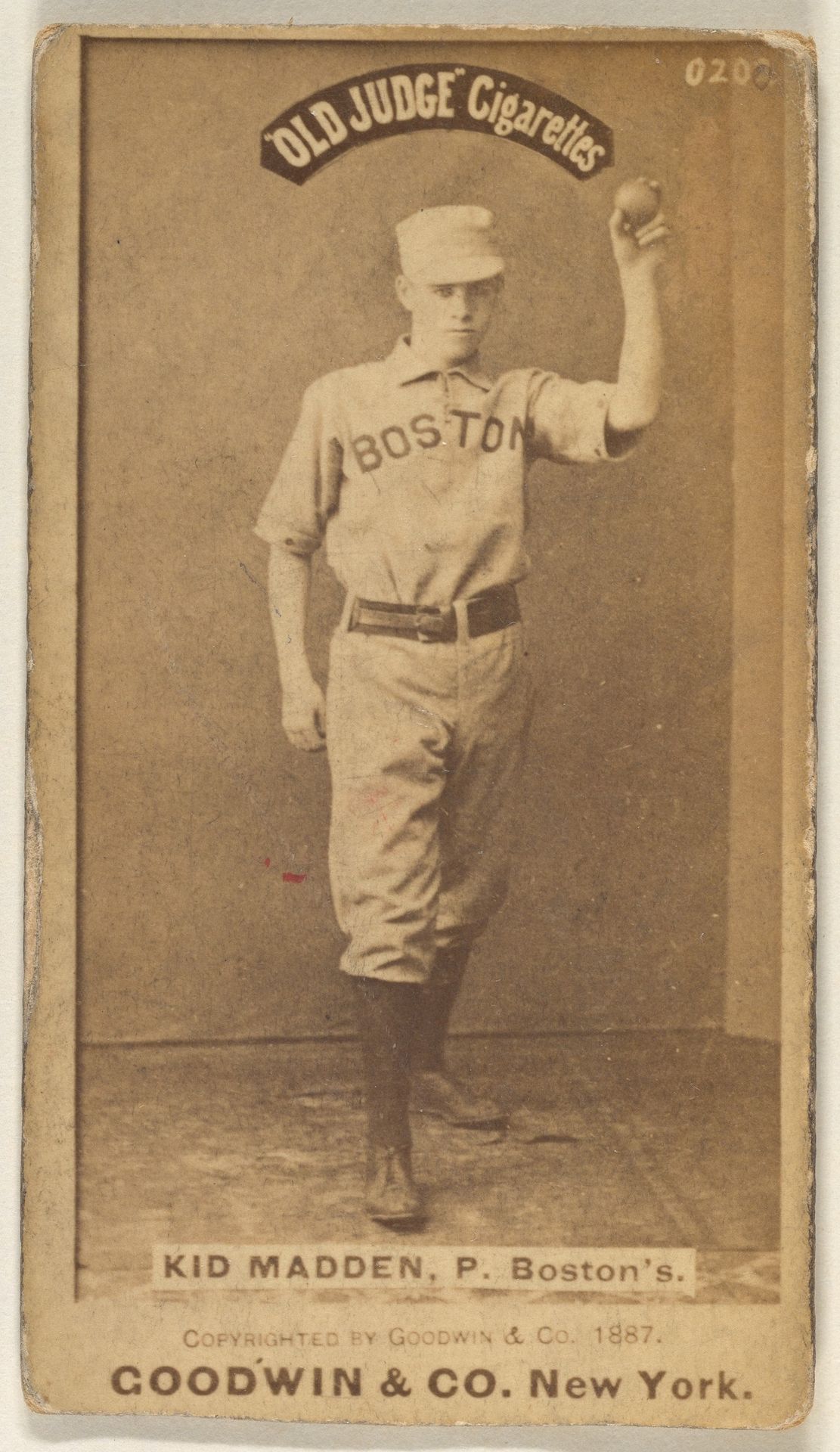
This baseball card of Kid Madden, pitcher for Boston, was produced in 1887 by Goodwin & Company, as part of the Old Judge Cigarettes series. It’s fascinating to consider the historical context of this seemingly simple image. In the late 19th century, baseball was rapidly gaining popularity as America's pastime. This card was a promotional item, inserted into cigarette packs to boost sales. It speaks volumes about the intertwined relationship between commerce, leisure, and celebrity culture in the Gilded Age. The card’s design is equally revealing. The sepia-toned photograph, the typography, and the very act of immortalizing a baseball player through mass-produced imagery all reflect the evolving visual culture of the time. To truly understand the significance of this card, we can consult a variety of historical resources, from baseball archives to advertising history collections. By examining these sources, we can gain a deeper appreciation for the cultural forces that shaped both the game of baseball and the world of art.
Kid Madden, Pitcher, Boston, from the Old Judge series (N172) for Old Judge Cigarettes 1887


Artwork details
- Medium
- print, photography
- Dimensions
- sheet: 2 11/16 x 1 3/8 in. (6.9 x 3.5 cm)
- Location
- Metropolitan Museum of Art, New York, NY
- Copyright
- Public Domain
Tags
portrait
16_19th-century
impressionism
baseball
photography
19th century
men
athlete
Comments
No comments
About this artwork
This baseball card of Kid Madden, pitcher for Boston, was produced in 1887 by Goodwin & Company, as part of the Old Judge Cigarettes series. It’s fascinating to consider the historical context of this seemingly simple image. In the late 19th century, baseball was rapidly gaining popularity as America's pastime. This card was a promotional item, inserted into cigarette packs to boost sales. It speaks volumes about the intertwined relationship between commerce, leisure, and celebrity culture in the Gilded Age. The card’s design is equally revealing. The sepia-toned photograph, the typography, and the very act of immortalizing a baseball player through mass-produced imagery all reflect the evolving visual culture of the time. To truly understand the significance of this card, we can consult a variety of historical resources, from baseball archives to advertising history collections. By examining these sources, we can gain a deeper appreciation for the cultural forces that shaped both the game of baseball and the world of art.
Comments
No comments