About this artwork
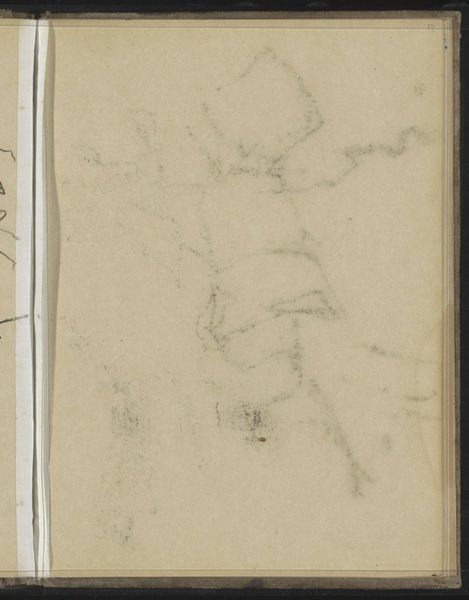
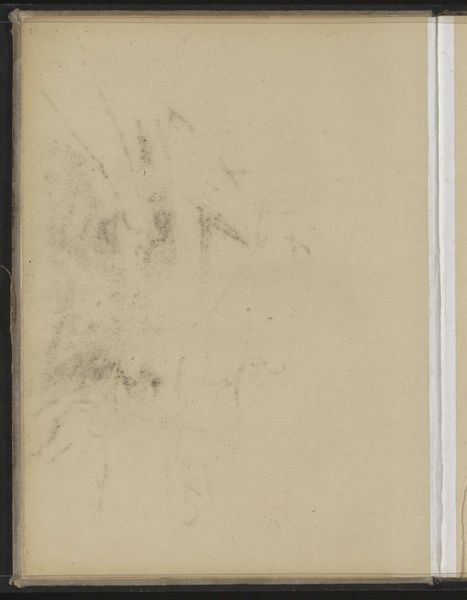
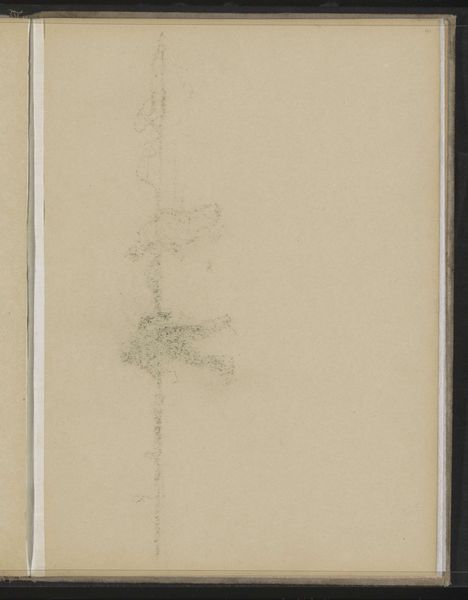
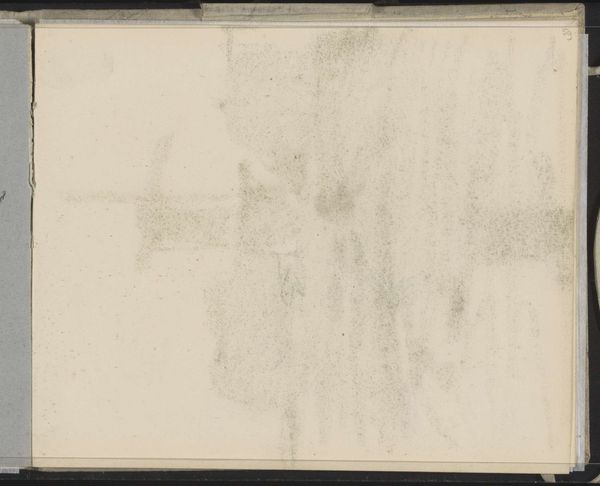
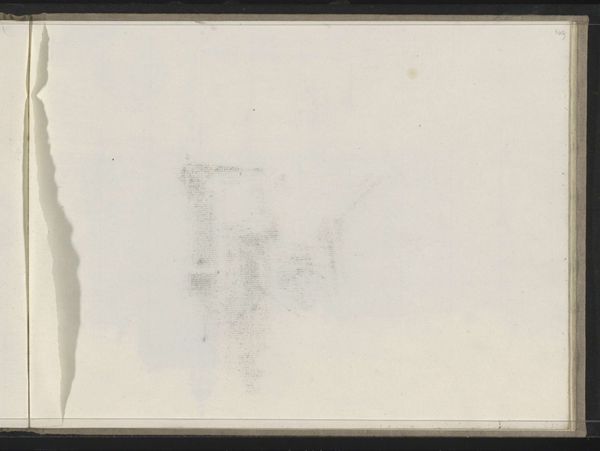
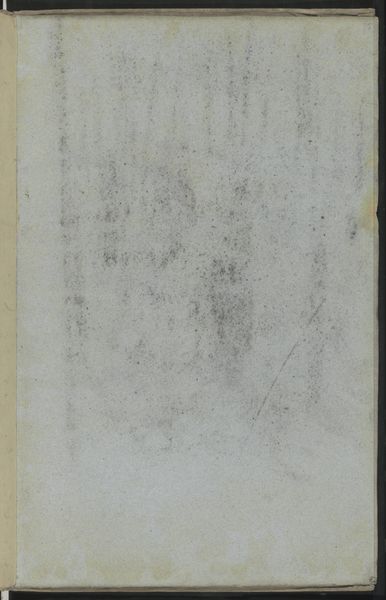
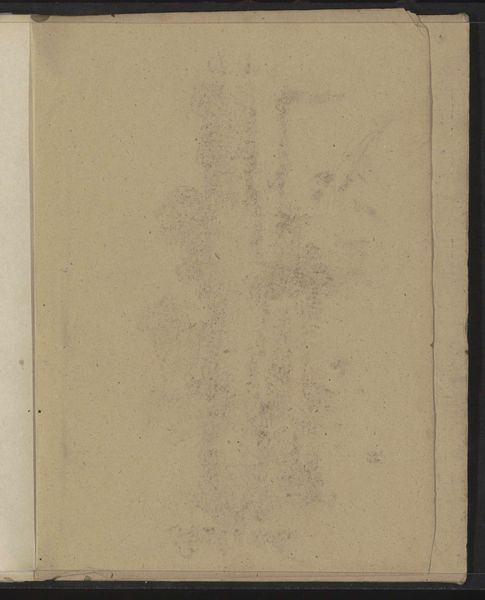
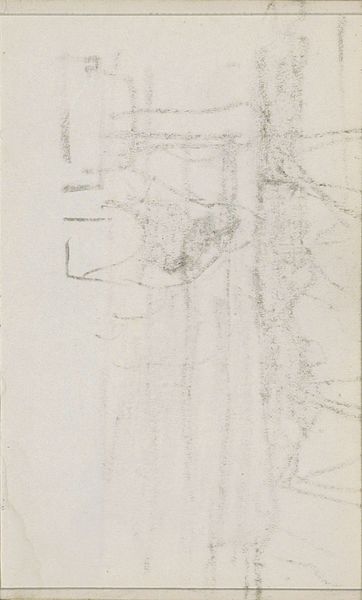
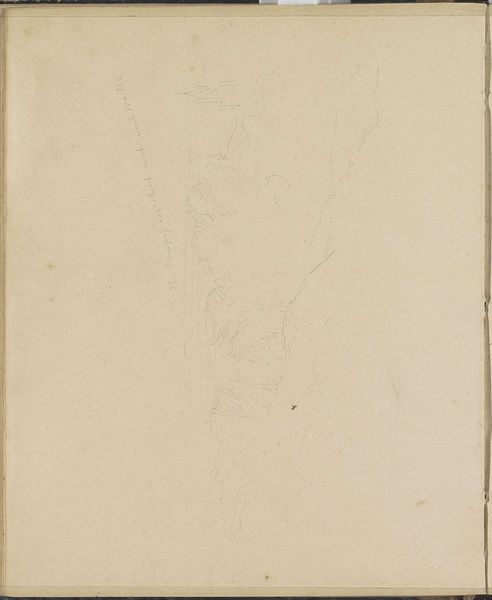
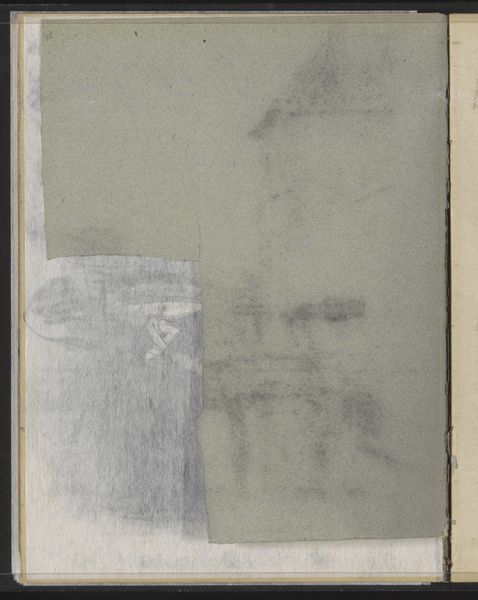
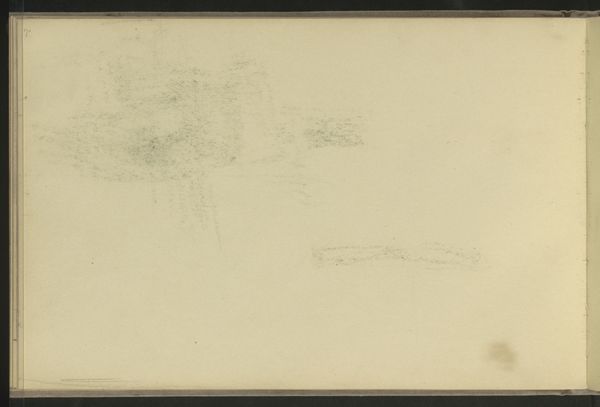
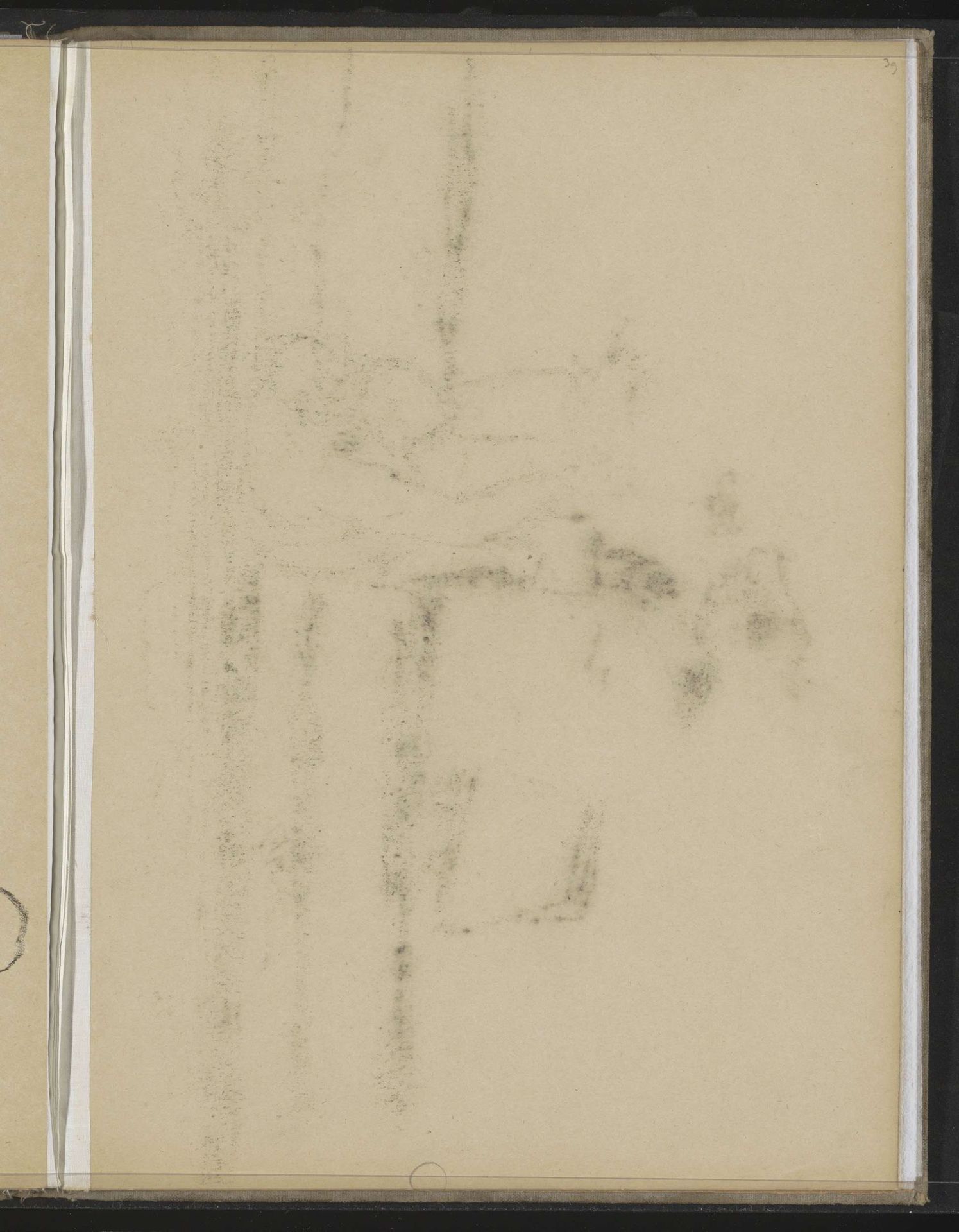
Willem Witsen made this offset of a chalk drawing sometime near the turn of the 20th century. It's now held at the Rijksmuseum. Witsen, a Dutch artist known for his impressionistic style, often depicted quiet scenes of Amsterdam. This particular work, though an offset, hints at his broader artistic concerns. Consider the implications of reproduction in art at the time. The late 19th century was a period of rapid technological advancement, including in printing and photography, which challenged traditional notions of artistic originality and authenticity. Museums, like the Rijksmuseum, were becoming increasingly important institutions for shaping public taste and understanding of art. Witsen, as an artist displayed here, was part of this changing cultural landscape. Art history resources such as exhibition catalogues, period publications, and artist biographies, can give us a richer understanding of the dynamic relationship between artists, institutions, and society at the time.
Abklatsch van de krijttekening op pagina 38
1893 - 1897

Willem Witsen
1860 - 1923Location
RijksmuseumArtwork details
- Location
- Rijksmuseum
- Copyright
- Rijks Museum: Open Domain
Comments
Be the first to share your thoughts about this work.
About this artwork
Willem Witsen made this offset of a chalk drawing sometime near the turn of the 20th century. It's now held at the Rijksmuseum. Witsen, a Dutch artist known for his impressionistic style, often depicted quiet scenes of Amsterdam. This particular work, though an offset, hints at his broader artistic concerns. Consider the implications of reproduction in art at the time. The late 19th century was a period of rapid technological advancement, including in printing and photography, which challenged traditional notions of artistic originality and authenticity. Museums, like the Rijksmuseum, were becoming increasingly important institutions for shaping public taste and understanding of art. Witsen, as an artist displayed here, was part of this changing cultural landscape. Art history resources such as exhibition catalogues, period publications, and artist biographies, can give us a richer understanding of the dynamic relationship between artists, institutions, and society at the time.
Comments
Be the first to share your thoughts about this work.