1854 - 1856
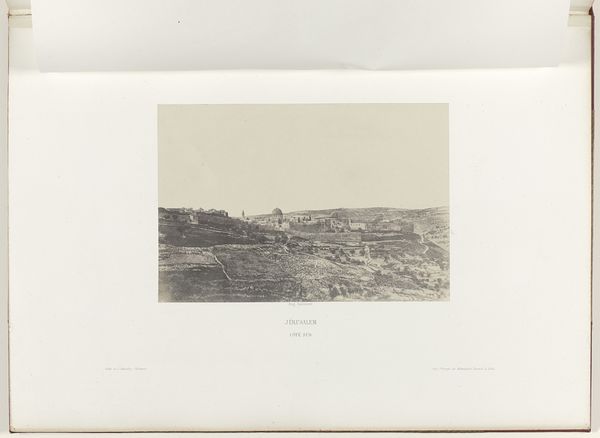
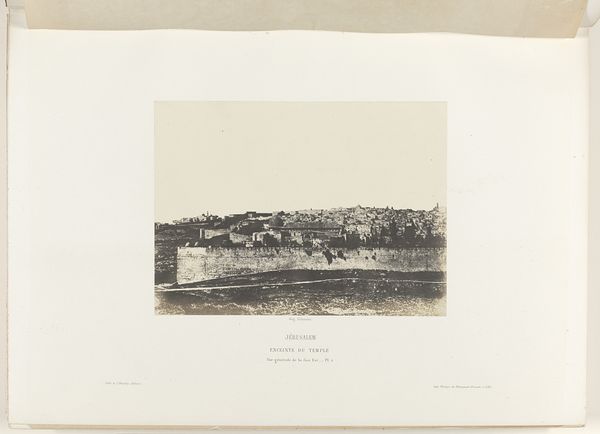
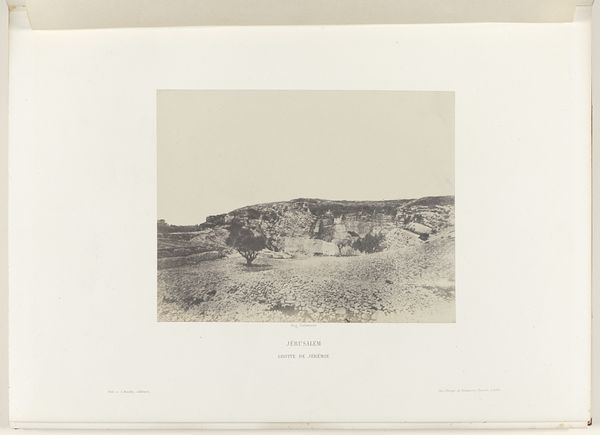
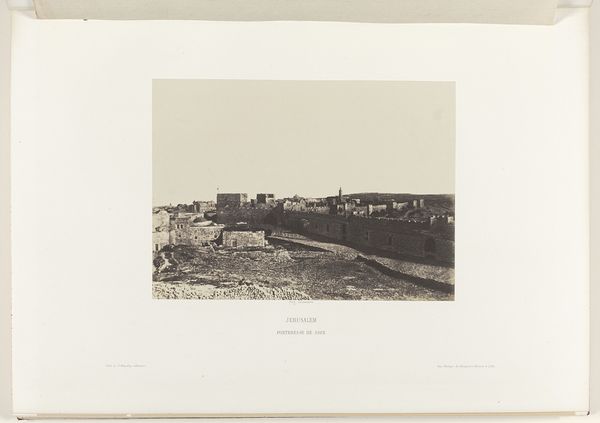
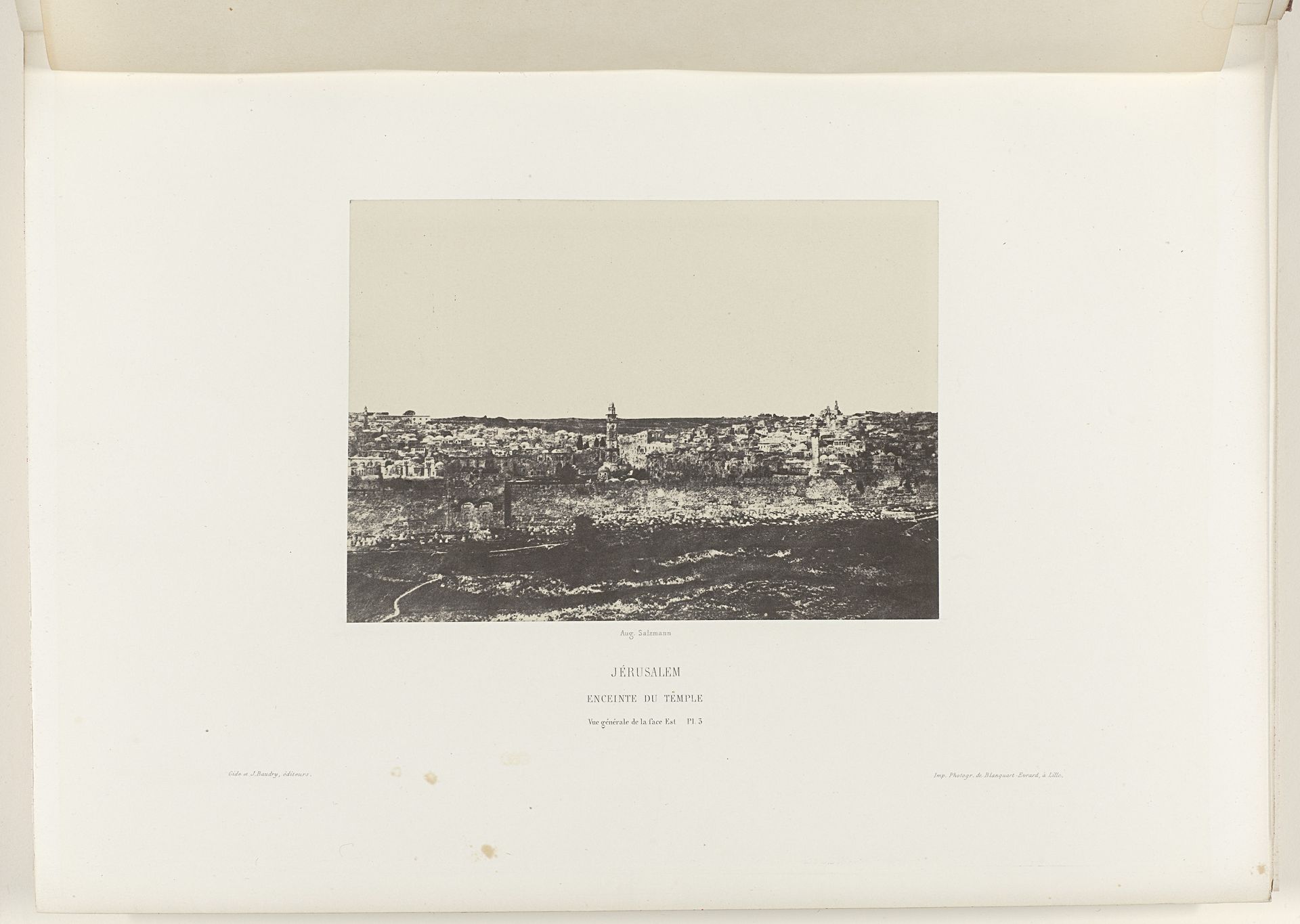
Gezicht op Jeruzalem, met de ommuring van de tempel

Listen to curator's interpretation
Curatorial notes
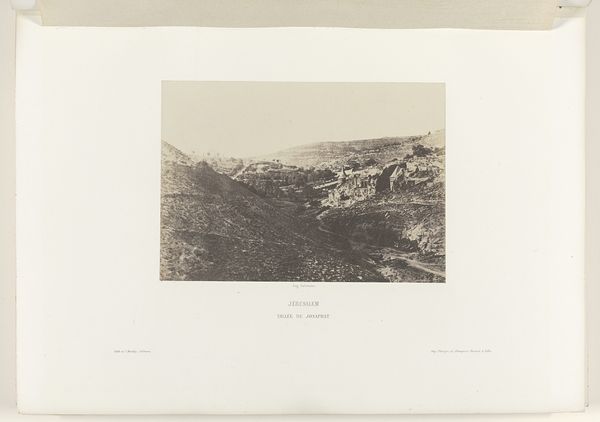
Auguste Salzmann made this photograph of Jerusalem, with the wall of the Temple Mount, using the calotype process sometime in the 1850s. The image invites us to consider the politics of imagery in a place loaded with historical, religious, and political meaning. In the mid-19th century, European and American interest in the Middle East was growing, driven by religious, colonial, and scientific agendas. Photography, with its presumed objectivity, was seen as a powerful tool for documenting and understanding the region. Salzmann, commissioned by the French government, aimed to provide accurate representations of biblical sites, supporting French political and cultural influence in the area. But, the camera never lies, does it? It's crucial to remember that images are always constructed from a particular point of view. Social historians use travel accounts, colonial records, and the biographies of the artists to better understand the cultural context that shaped the making of art.