About this artwork
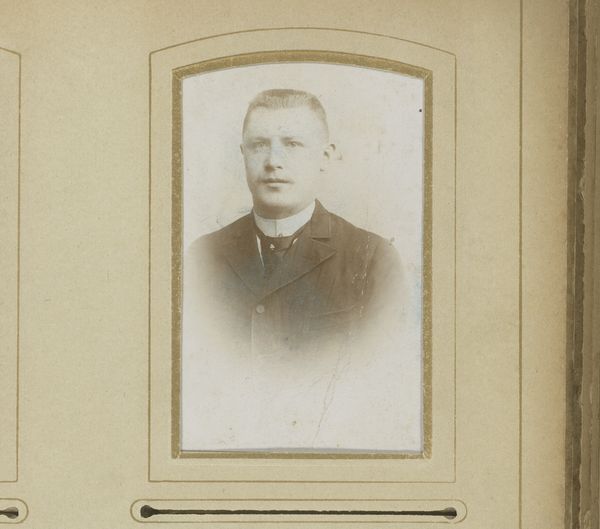
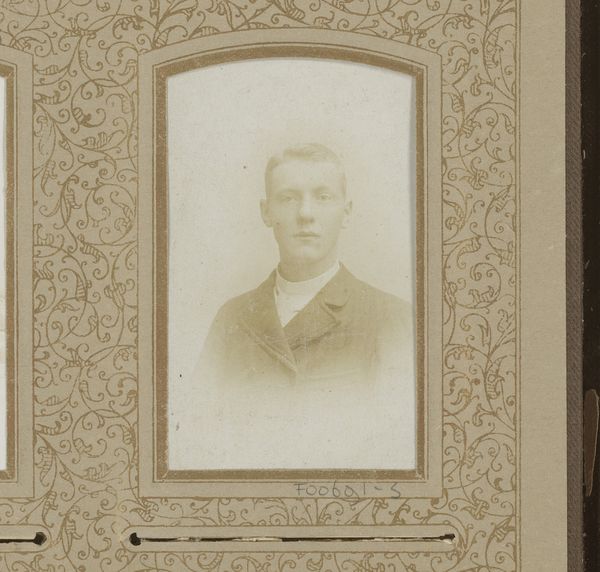
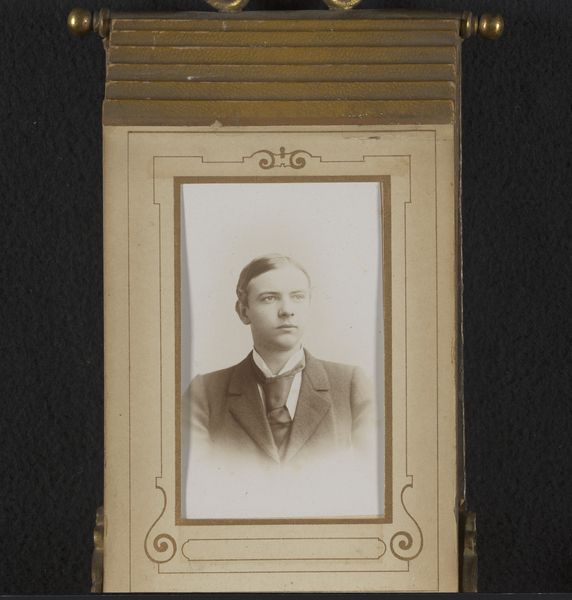
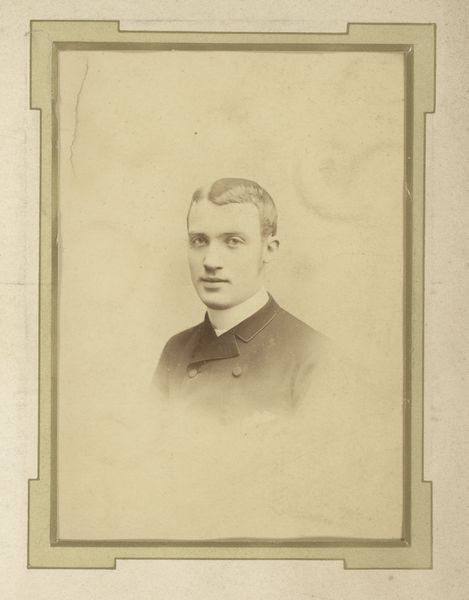
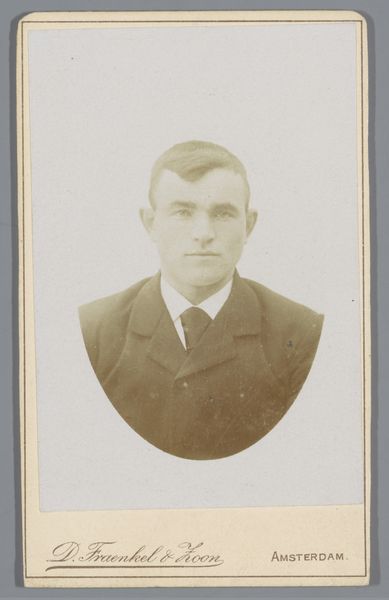
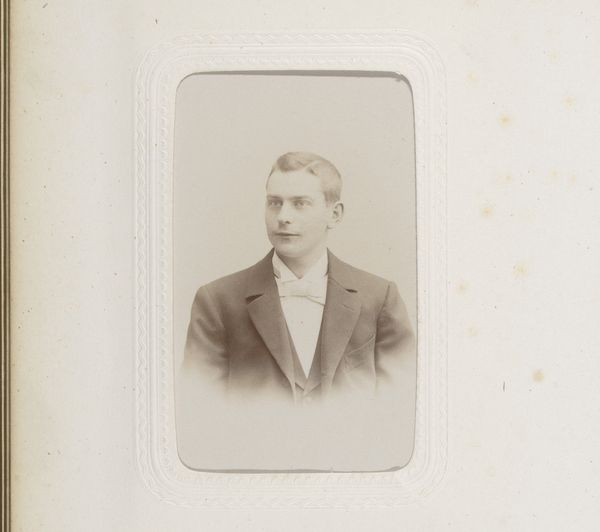
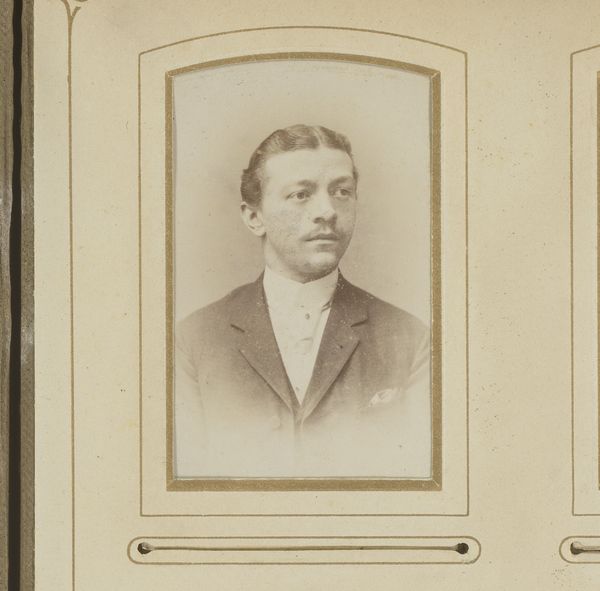
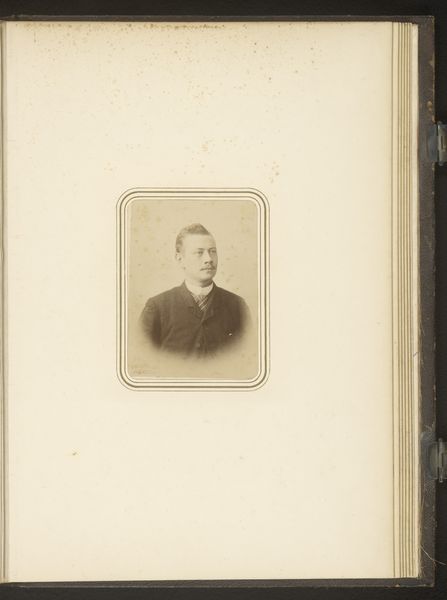
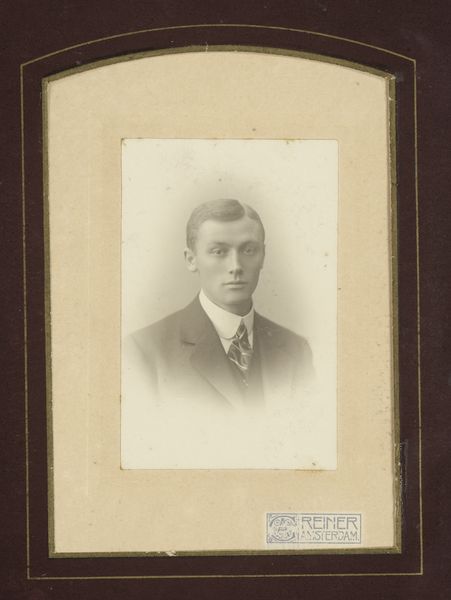
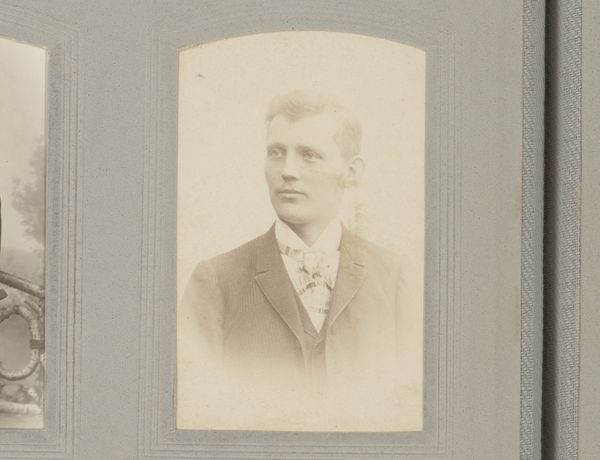
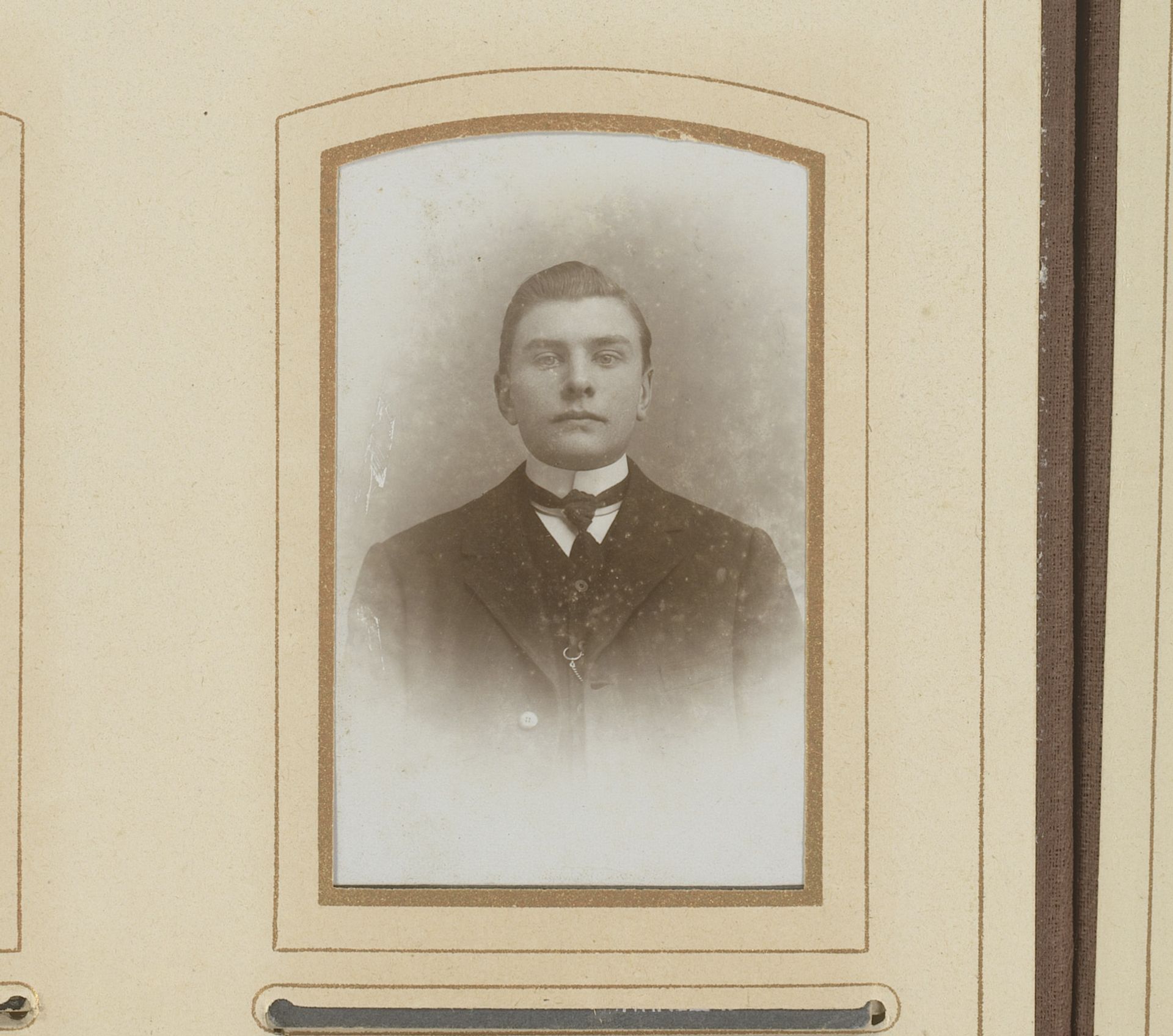
Jan van Roon created this photograph titled "Portret van een jongeman," in the Netherlands at the turn of the 20th century. It embodies more than just a personal likeness. Photography in this era played a crucial role in shaping social identities. The sitter's formal attire, with its carefully knotted tie and the suggestion of a pocket watch chain, speaks volumes about aspirations of middle-class respectability in Dutch society. The studio portrait, itself a product of burgeoning commercial culture, offered a means of self-presentation. Yet, the image also reflects the institutional forces at play. The photographer, like van Roon, mediated the sitter's image, reinforcing or subtly subverting existing social norms. The historian peels back these layers, researching the photographic practices, studio culture, and social aspirations to reveal the complex relationship between individual representation and broader societal forces. This portrait, then, becomes a window into understanding social identity in the Netherlands.

Artwork details
- Medium
- photography, gelatin-silver-print
- Dimensions
- height 81 mm, width 50 mm
- Copyright
- Rijks Museum: Open Domain
Tags
portrait
photography
gelatin-silver-print
modernism
Comments
No comments
About this artwork
Jan van Roon created this photograph titled "Portret van een jongeman," in the Netherlands at the turn of the 20th century. It embodies more than just a personal likeness. Photography in this era played a crucial role in shaping social identities. The sitter's formal attire, with its carefully knotted tie and the suggestion of a pocket watch chain, speaks volumes about aspirations of middle-class respectability in Dutch society. The studio portrait, itself a product of burgeoning commercial culture, offered a means of self-presentation. Yet, the image also reflects the institutional forces at play. The photographer, like van Roon, mediated the sitter's image, reinforcing or subtly subverting existing social norms. The historian peels back these layers, researching the photographic practices, studio culture, and social aspirations to reveal the complex relationship between individual representation and broader societal forces. This portrait, then, becomes a window into understanding social identity in the Netherlands.
Comments
No comments