c. 16th century
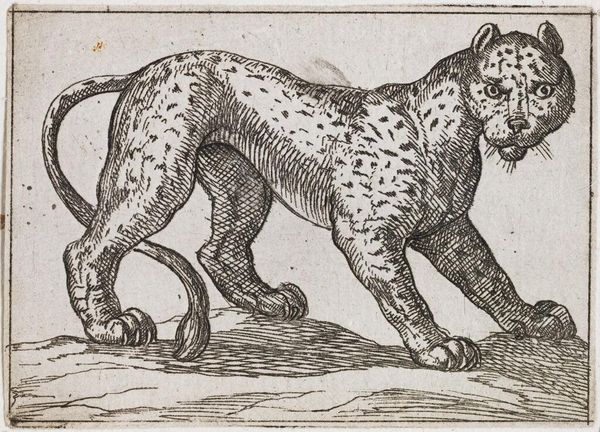
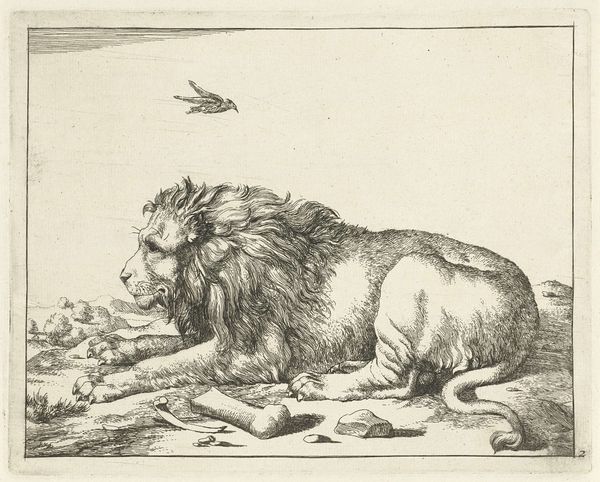
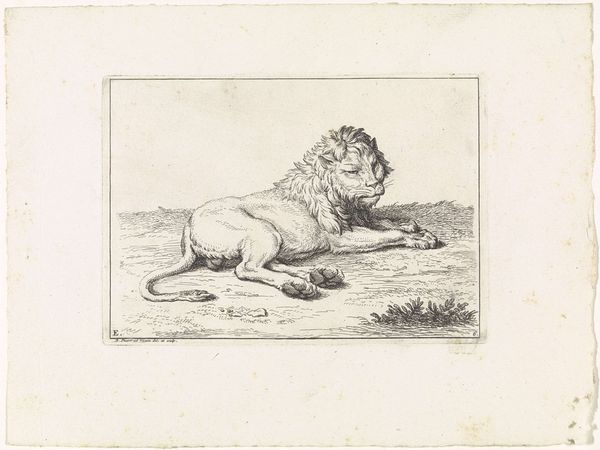
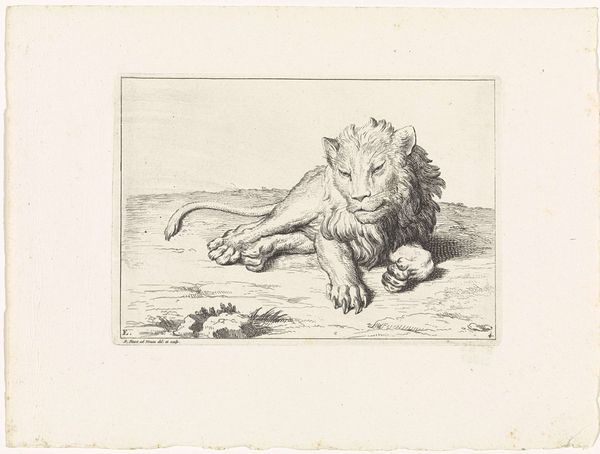
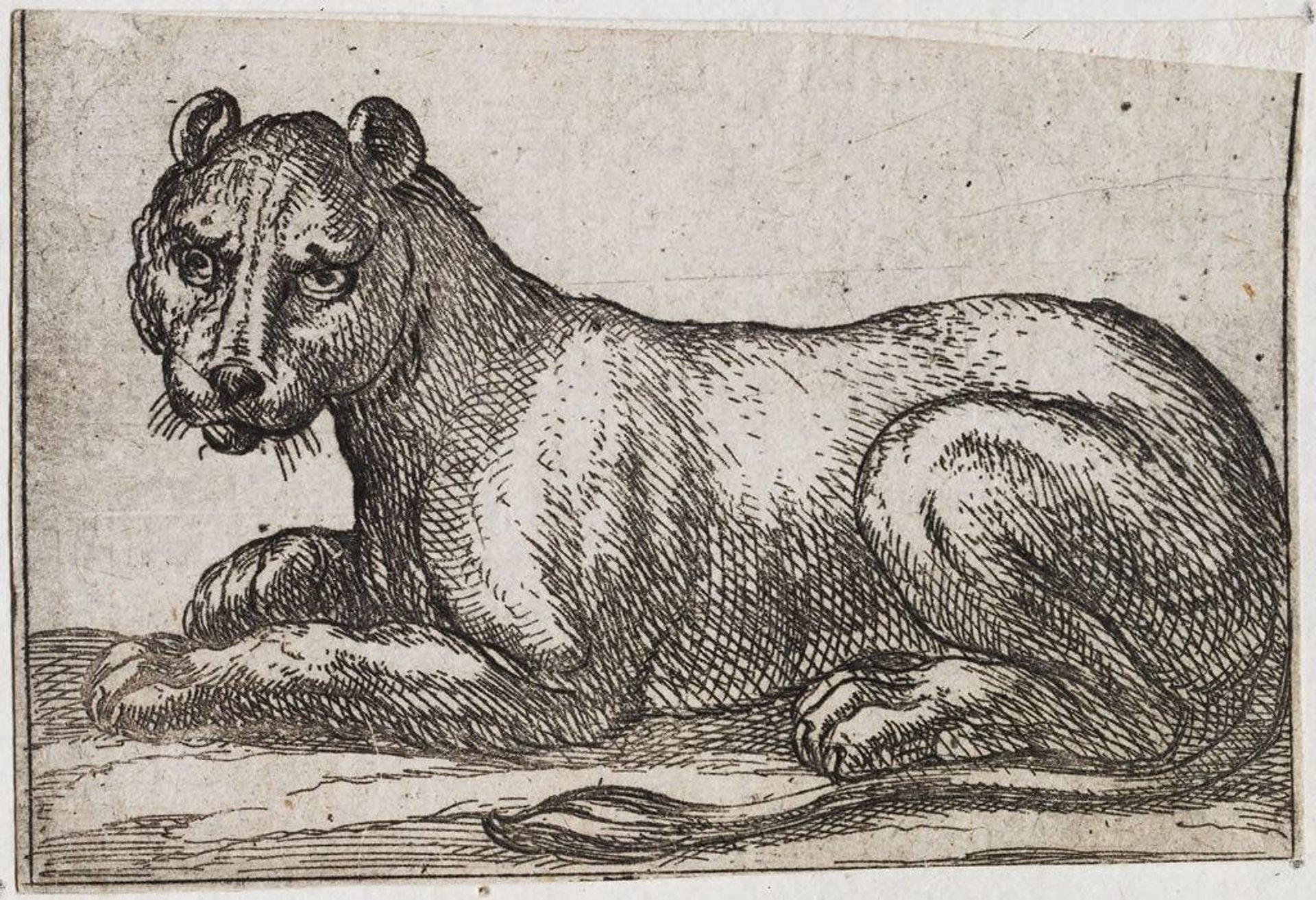
Seated Lioness


Listen to curator's interpretation
Curatorial notes
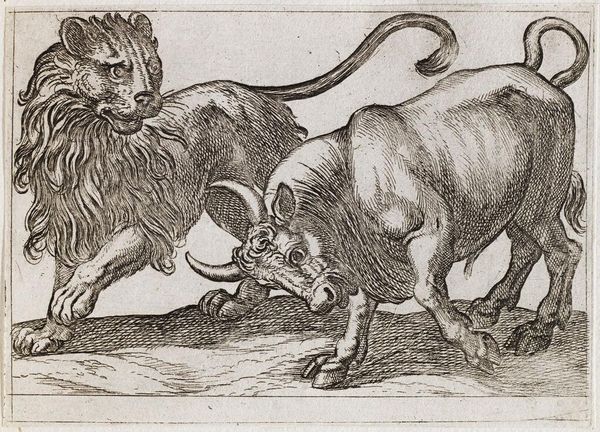
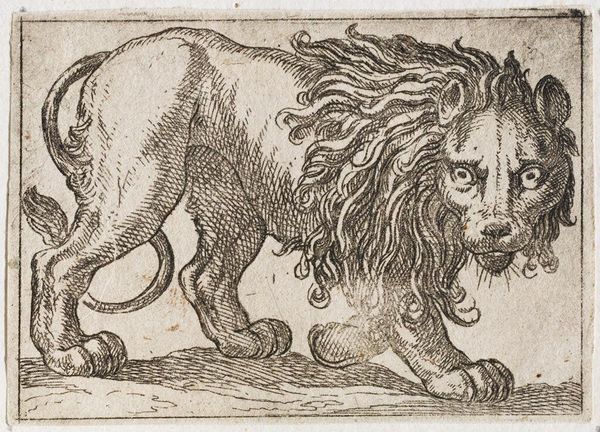
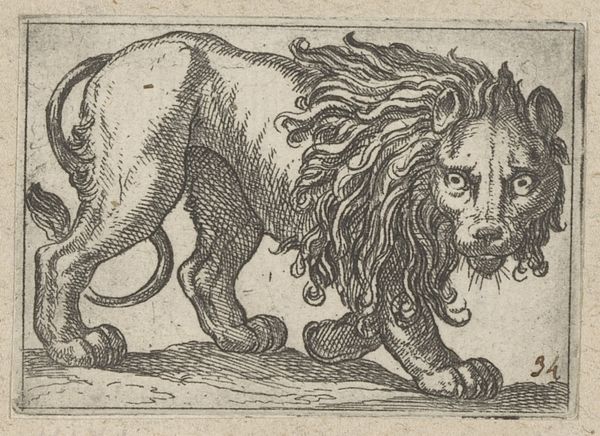
Curator: Here we have Antonio Tempesta's etching, "Seated Lioness." The piece is housed here at the Harvard Art Museums. Editor: She looks rather melancholy, doesn't she? The way she's slumped, almost resigned. Curator: Indeed. In 16th and 17th century European imagery, the lioness often represented maternal power and the perceived taming of female strength by societal structures. Editor: That's fascinating. The symbolism of the lion has always been potent – courage, regality. Here, though, the cross-hatching seems to cage her. Is it commentary on the expectations placed upon women? Curator: It certainly opens that avenue for interpretation. The lioness, a symbol of untamed power, rendered docile. Perhaps Tempesta is subtly critiquing the constraints placed upon women of his time. Editor: It speaks volumes, even silently. It’s rewarding to see such old imagery still sparking conversations about representation and societal power dynamics today.