About this artwork
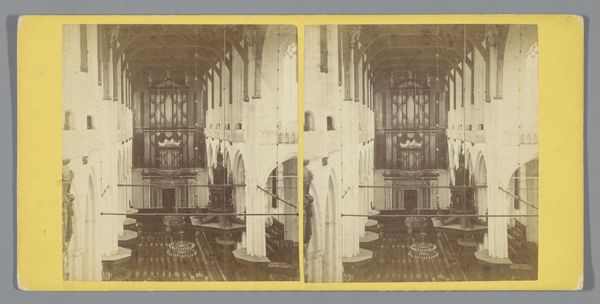
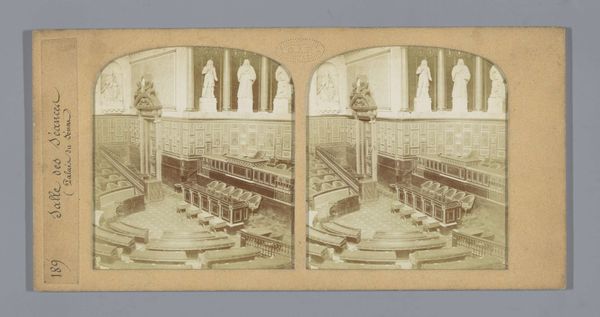
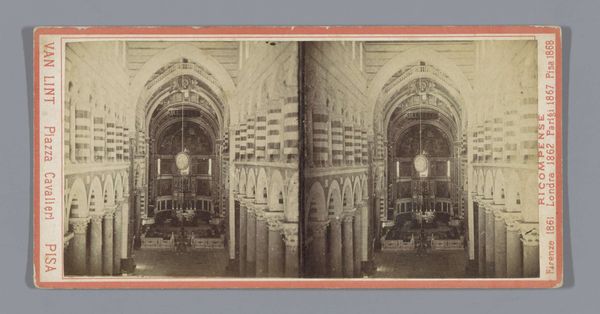
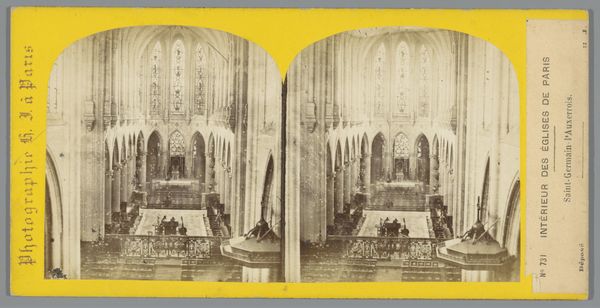
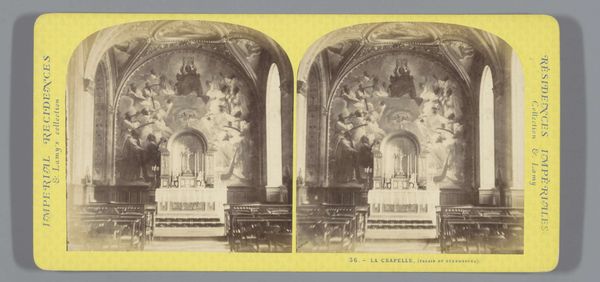
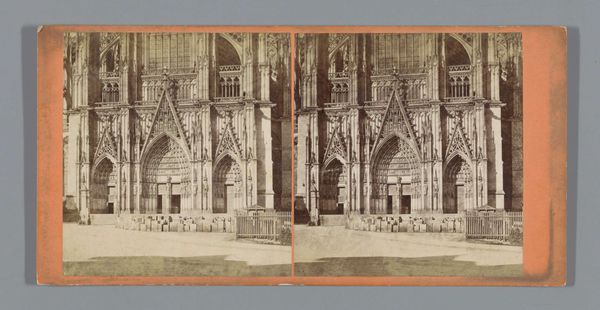
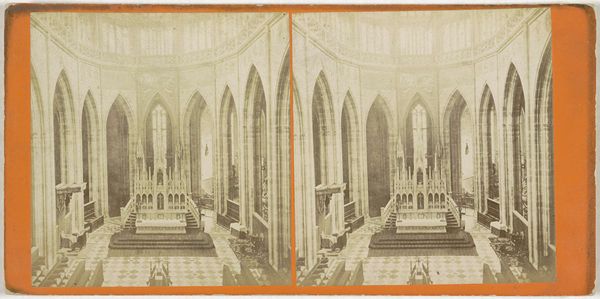
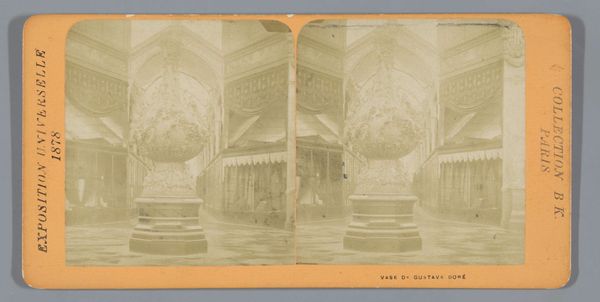
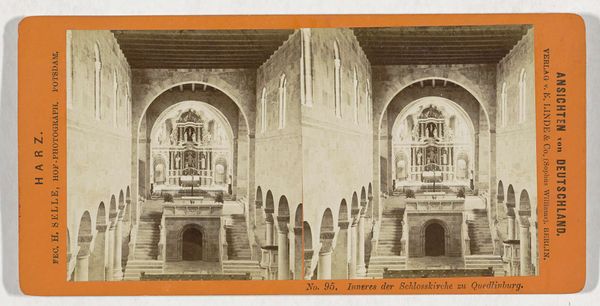
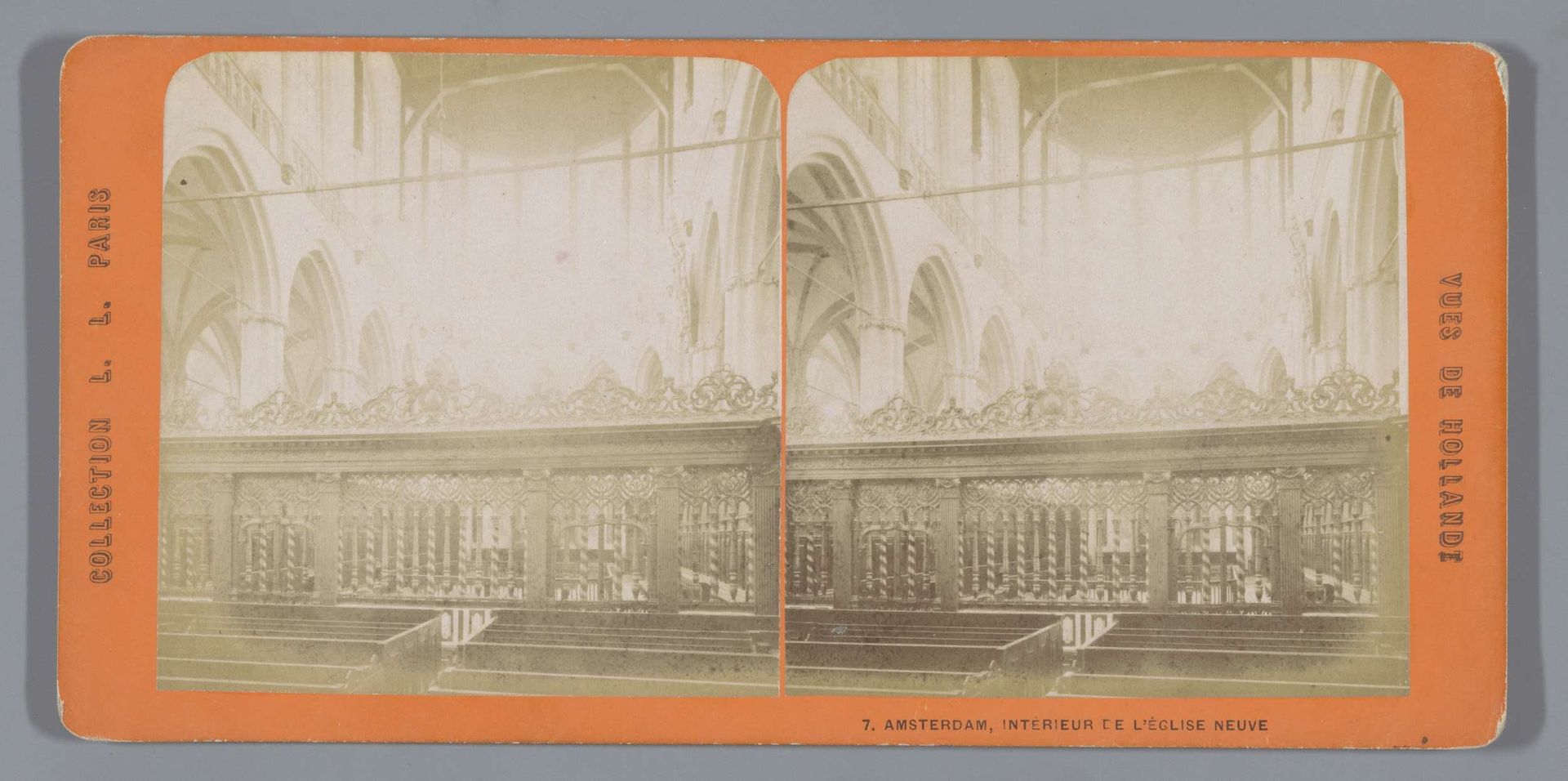
This is a stereoscopic photograph of the interior of the Nieuwe Kerk in Amsterdam. The precise date and photographer remain unknown. The image offers a glimpse into the visual culture of the 19th century Netherlands, a period marked by significant social and religious shifts. The Nieuwe Kerk, despite its name, dates back to the 15th century, and by the time this photo was taken, it had become a symbolic space for the Dutch monarchy and nation. Stereoscopic photography itself was an emerging technology, offering viewers a novel sense of depth and realism. Produced and distributed for mass consumption, stereoscopic photographs like this one played a role in shaping public perceptions of religious spaces. Analyzing the photograph in its historical context allows us to understand how places of worship were presented and consumed as visual commodities, and in what ways institutions mediate the public's engagement with art and architecture.

Artwork details
- Medium
- photography, gelatin-silver-print
- Dimensions
- height 87 mm, width 178 mm
- Copyright
- Rijks Museum: Open Domain
Tags
16_19th-century
photography
gelatin-silver-print
cityscape
Comments
Be the first to share your thoughts about this work.
About this artwork
This is a stereoscopic photograph of the interior of the Nieuwe Kerk in Amsterdam. The precise date and photographer remain unknown. The image offers a glimpse into the visual culture of the 19th century Netherlands, a period marked by significant social and religious shifts. The Nieuwe Kerk, despite its name, dates back to the 15th century, and by the time this photo was taken, it had become a symbolic space for the Dutch monarchy and nation. Stereoscopic photography itself was an emerging technology, offering viewers a novel sense of depth and realism. Produced and distributed for mass consumption, stereoscopic photographs like this one played a role in shaping public perceptions of religious spaces. Analyzing the photograph in its historical context allows us to understand how places of worship were presented and consumed as visual commodities, and in what ways institutions mediate the public's engagement with art and architecture.
Comments
Be the first to share your thoughts about this work.