About this artwork
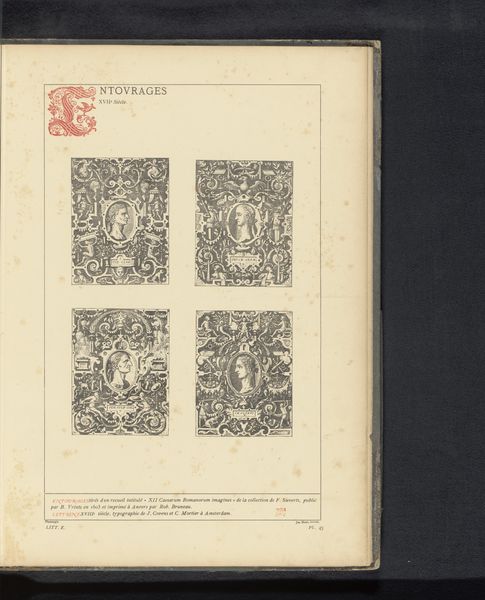
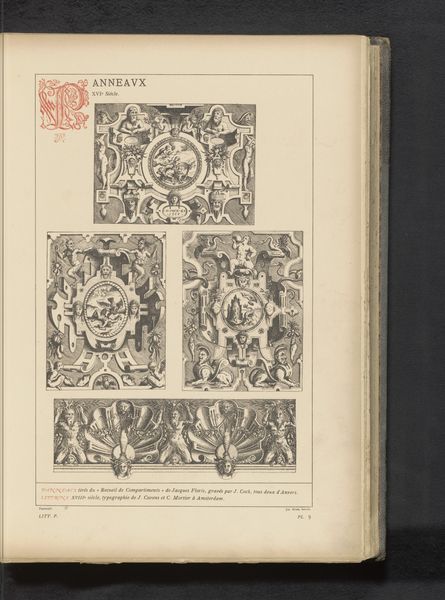
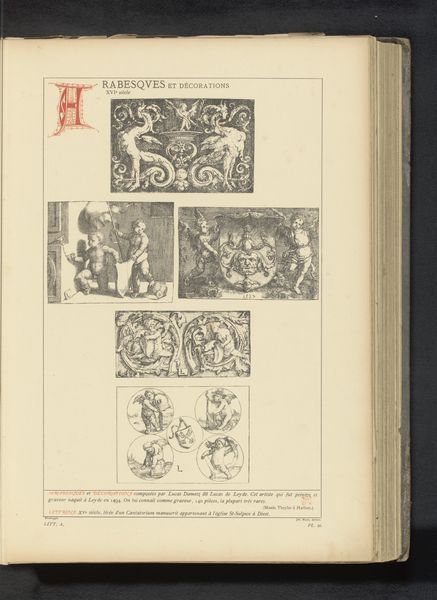
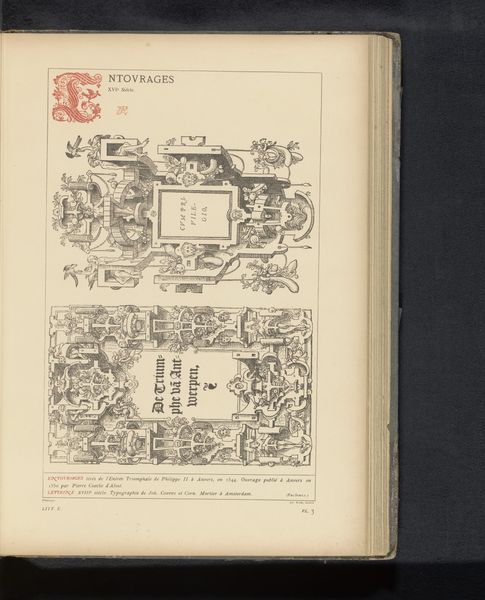
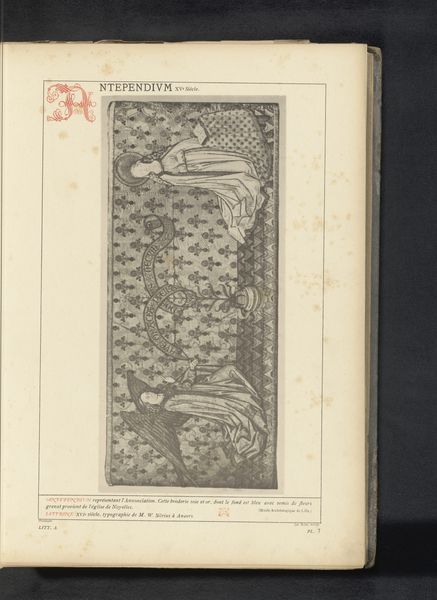
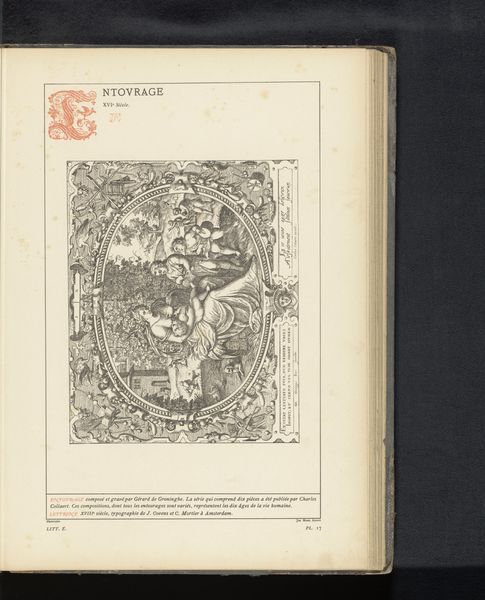
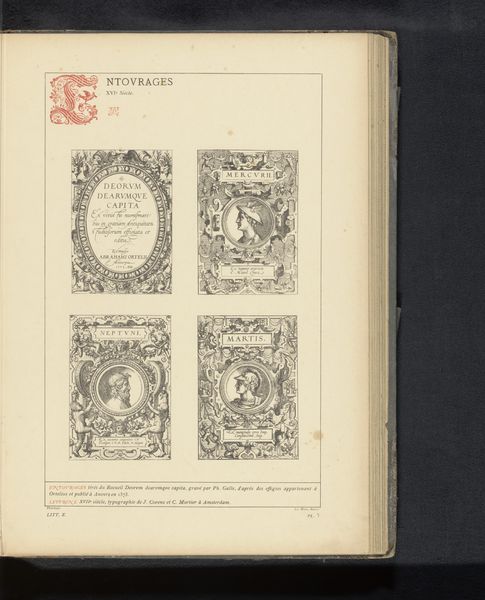
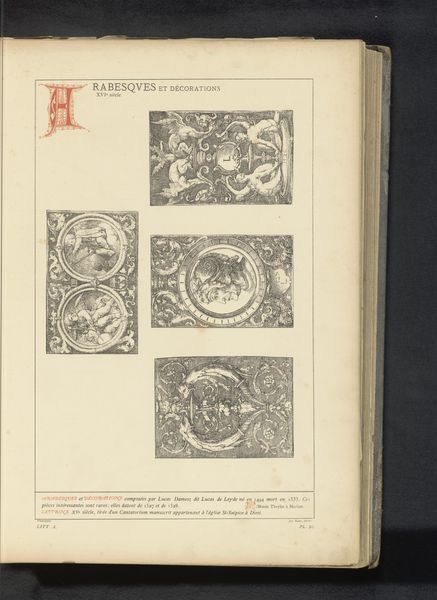
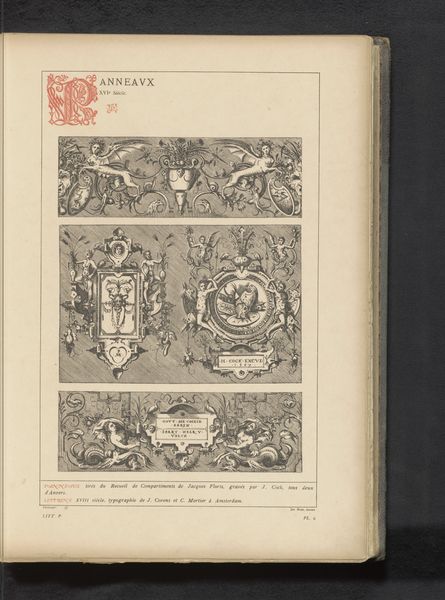
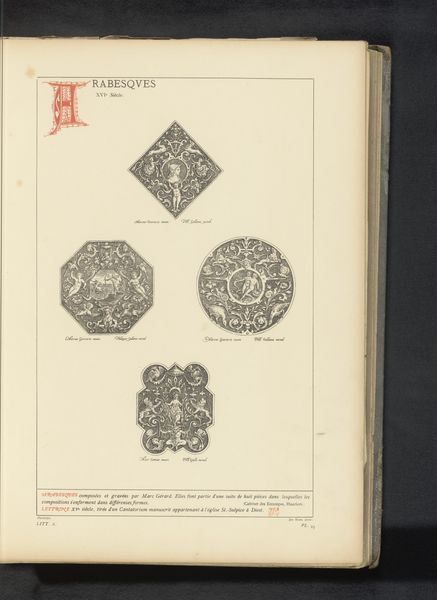
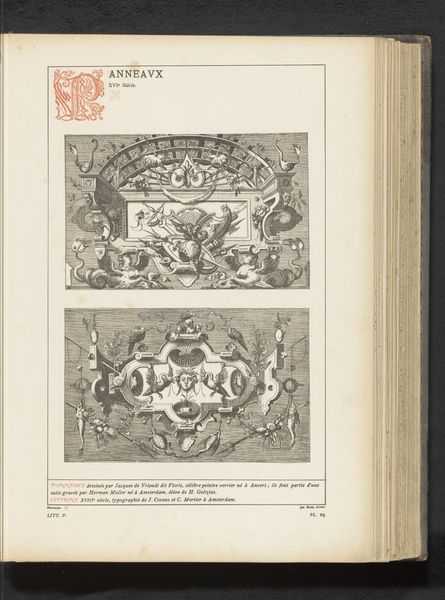
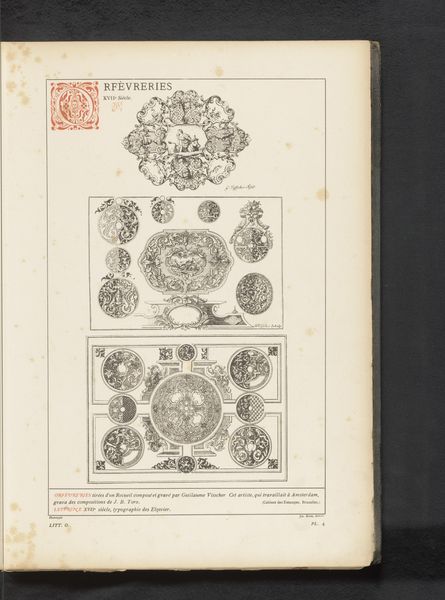
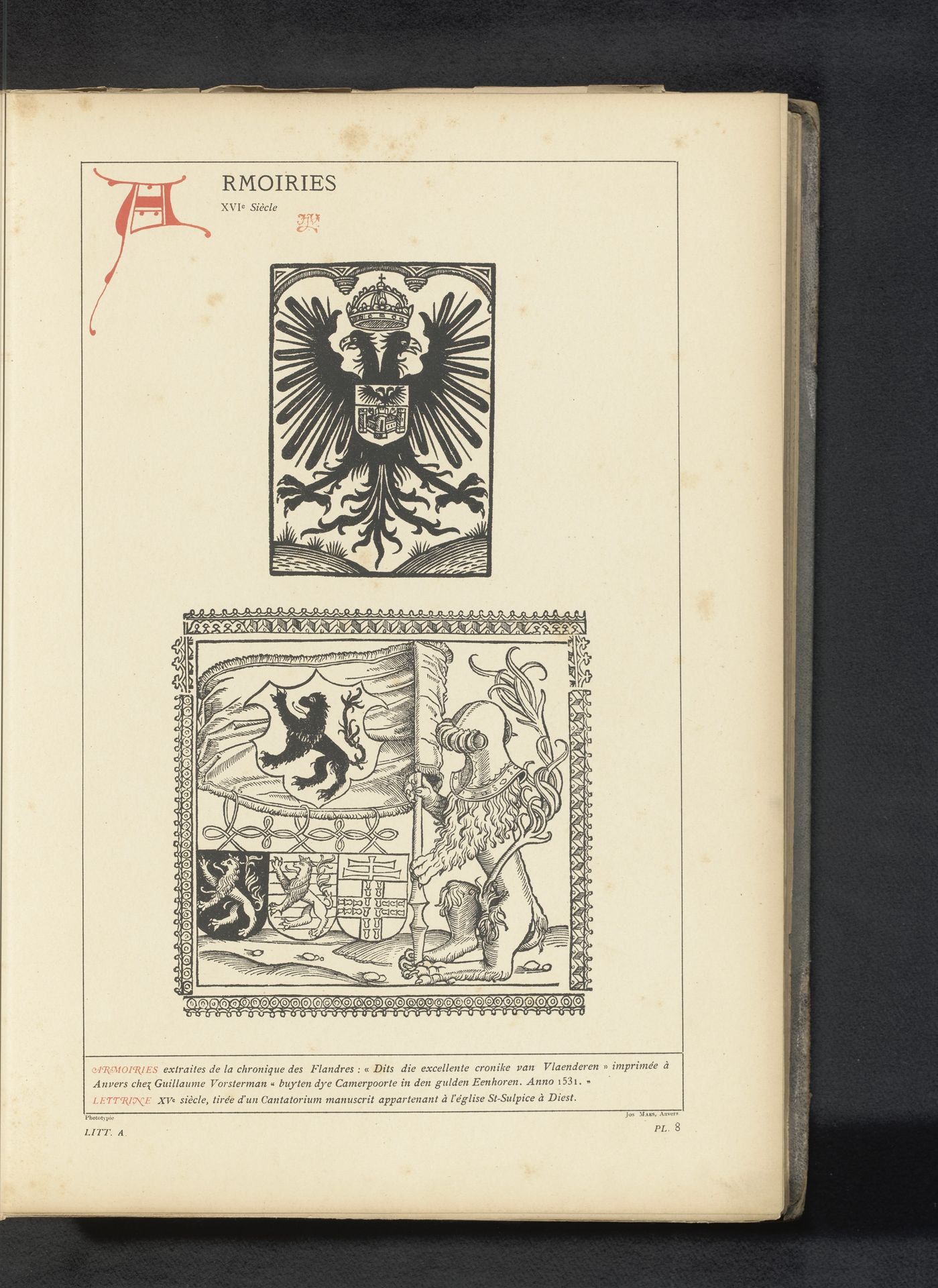
These reproductions of two prints with coats of arms of Flanders were likely made in the 16th century using woodcut on paper. The prints depict symbols of power and identity in a region undergoing significant political and social change. Heraldry was more than just decoration; it was a visual language, a means of asserting lineage, authority, and allegiance. The prominence of the lion, a recurring motif in Flemish heraldry, underscores the region's fierce sense of independence and its martial traditions. Flanders, caught between powerful neighbors like France and the Holy Roman Empire, used these emblems to articulate its unique identity and to navigate a complex political landscape. By studying these images in their historical context, with reference to period documents and histories, we gain insights into the social and political dynamics of the time, revealing how art played a role in shaping collective identities and aspirations.

Artwork details
- Medium
- graphic-art, print, engraving
- Dimensions
- height 345 mm, width 234 mm
- Copyright
- Rijks Museum: Open Domain
Tags
Comments
Share your thoughts
About this artwork
These reproductions of two prints with coats of arms of Flanders were likely made in the 16th century using woodcut on paper. The prints depict symbols of power and identity in a region undergoing significant political and social change. Heraldry was more than just decoration; it was a visual language, a means of asserting lineage, authority, and allegiance. The prominence of the lion, a recurring motif in Flemish heraldry, underscores the region's fierce sense of independence and its martial traditions. Flanders, caught between powerful neighbors like France and the Holy Roman Empire, used these emblems to articulate its unique identity and to navigate a complex political landscape. By studying these images in their historical context, with reference to period documents and histories, we gain insights into the social and political dynamics of the time, revealing how art played a role in shaping collective identities and aspirations.
Comments
Share your thoughts