1592
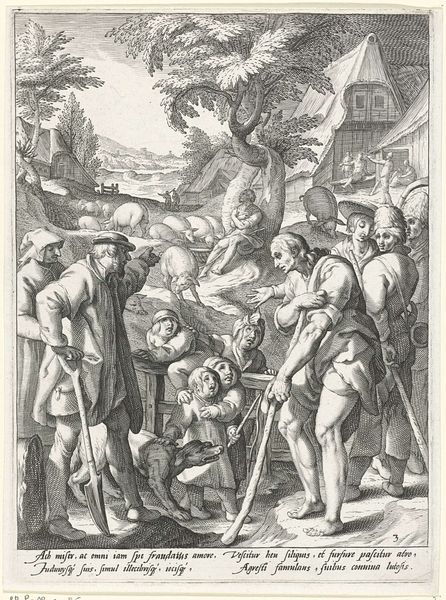
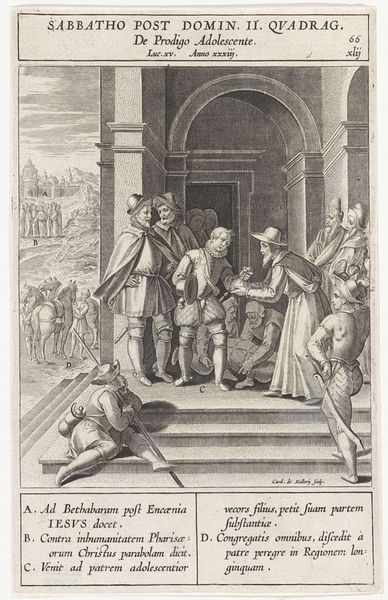
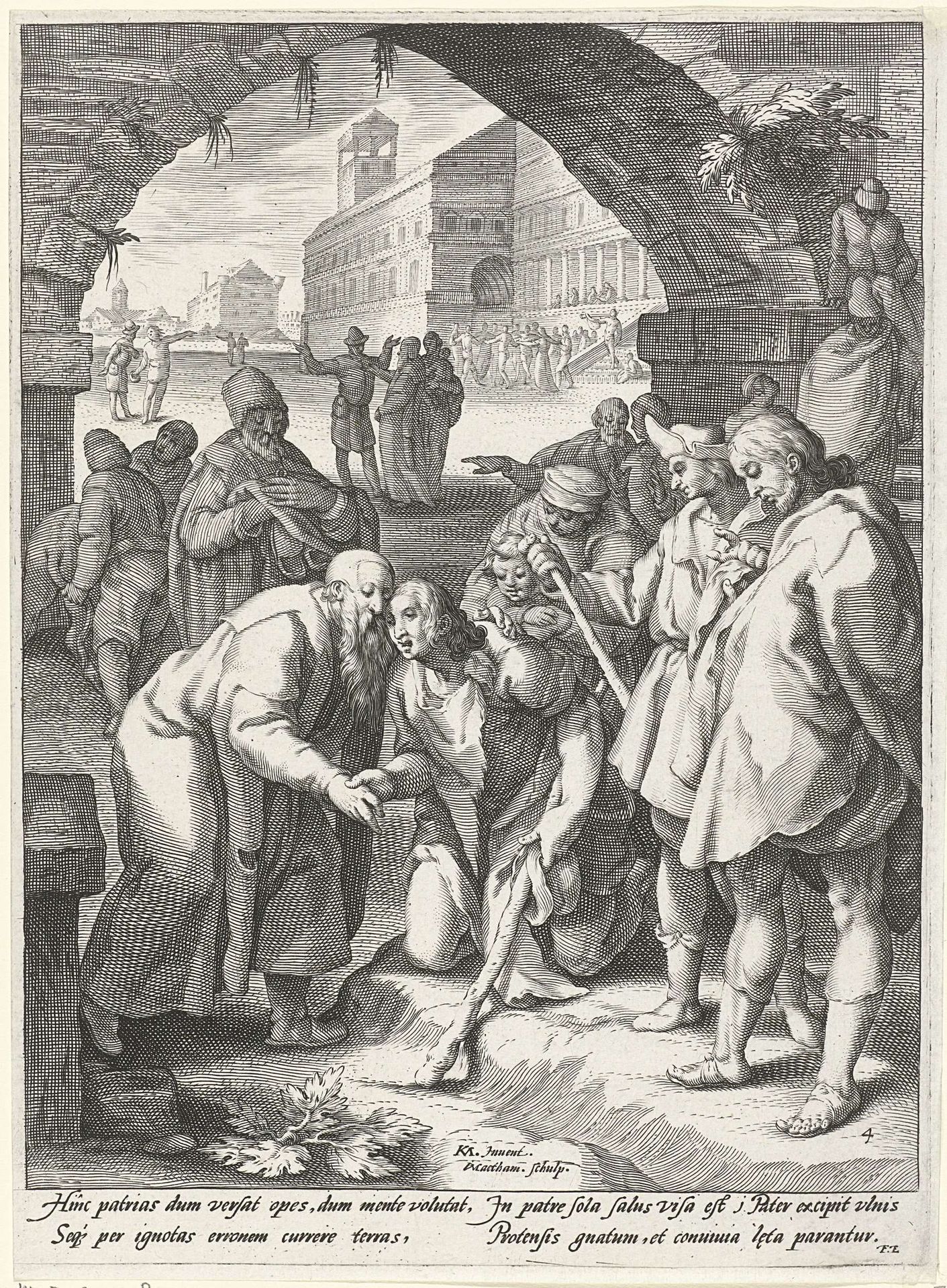
Thuiskomst van de verloren zoon

Jacob Matham
1571 - 1631Location
RijksmuseumListen to curator's interpretation
Curatorial notes
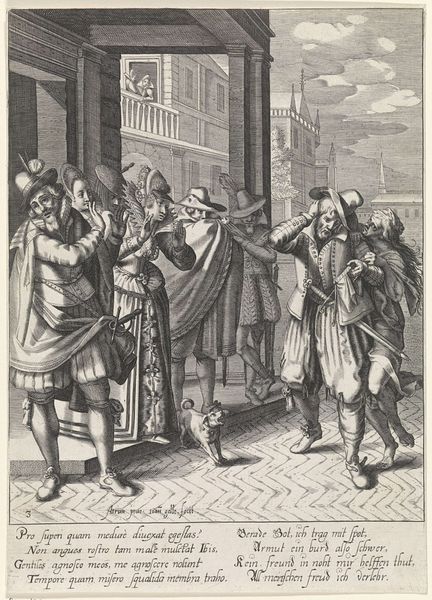
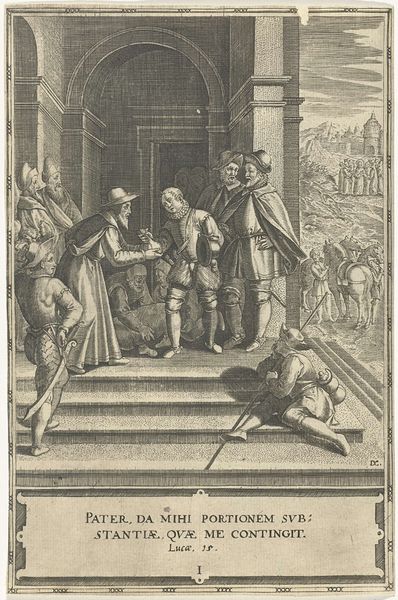
Jacob Matham created this print of the Return of the Prodigal Son in the Netherlands in the late 16th or early 17th century. It shows a biblical scene, but one re-imagined within a northern European context. Matham’s print offers a window into the religious and social values of the time. The story of the Prodigal Son, found in the Gospel of Luke, speaks to themes of repentance, forgiveness, and the restoration of broken family bonds. In the context of the Dutch Republic, newly independent and largely Protestant, this narrative resonated deeply. The emphasis on personal faith and moral rectitude aligns with the Protestant ethos that was taking root. Prints like this one served a vital public role, spreading moral and religious messages widely. As art historians, we can use sources like religious pamphlets, sermons, and other printed materials to fully understand Matham's work and its place in society. In doing so, we recognize that the meaning of art is always found in its historical and institutional context.