About this artwork
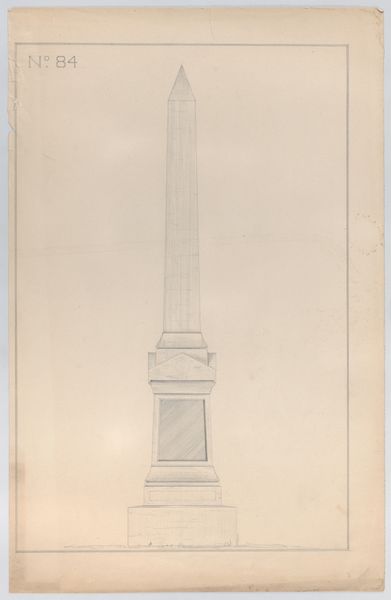
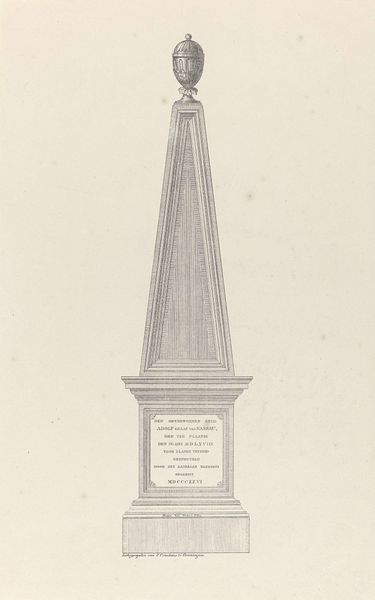
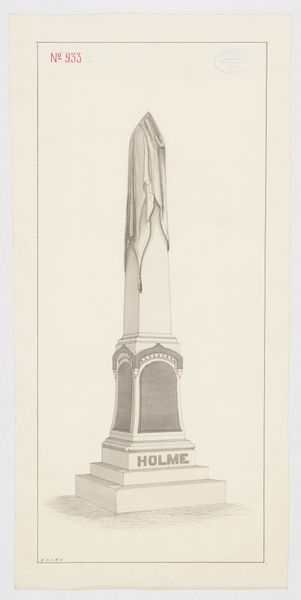
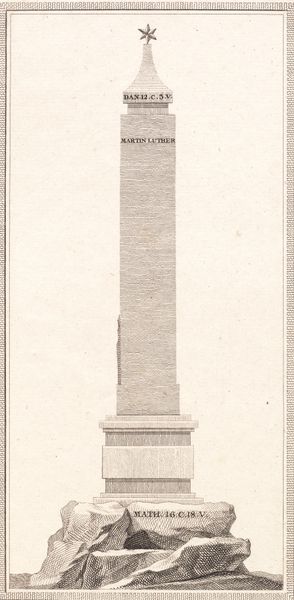
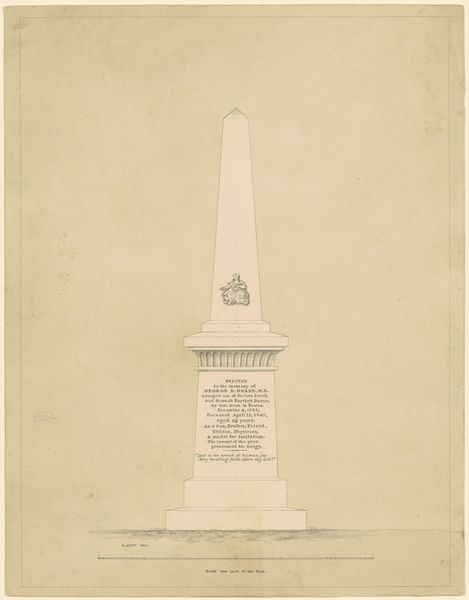
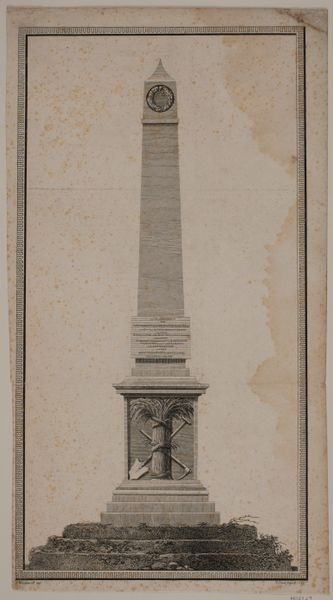
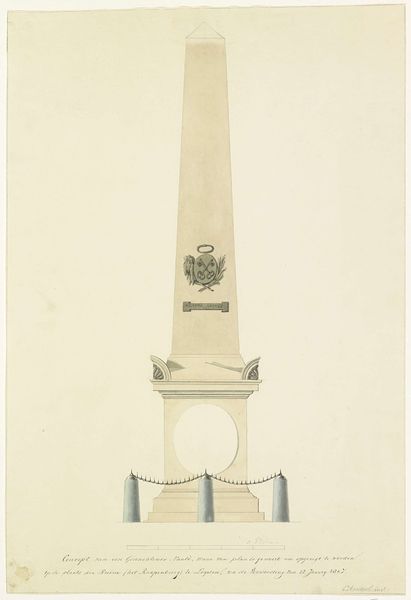
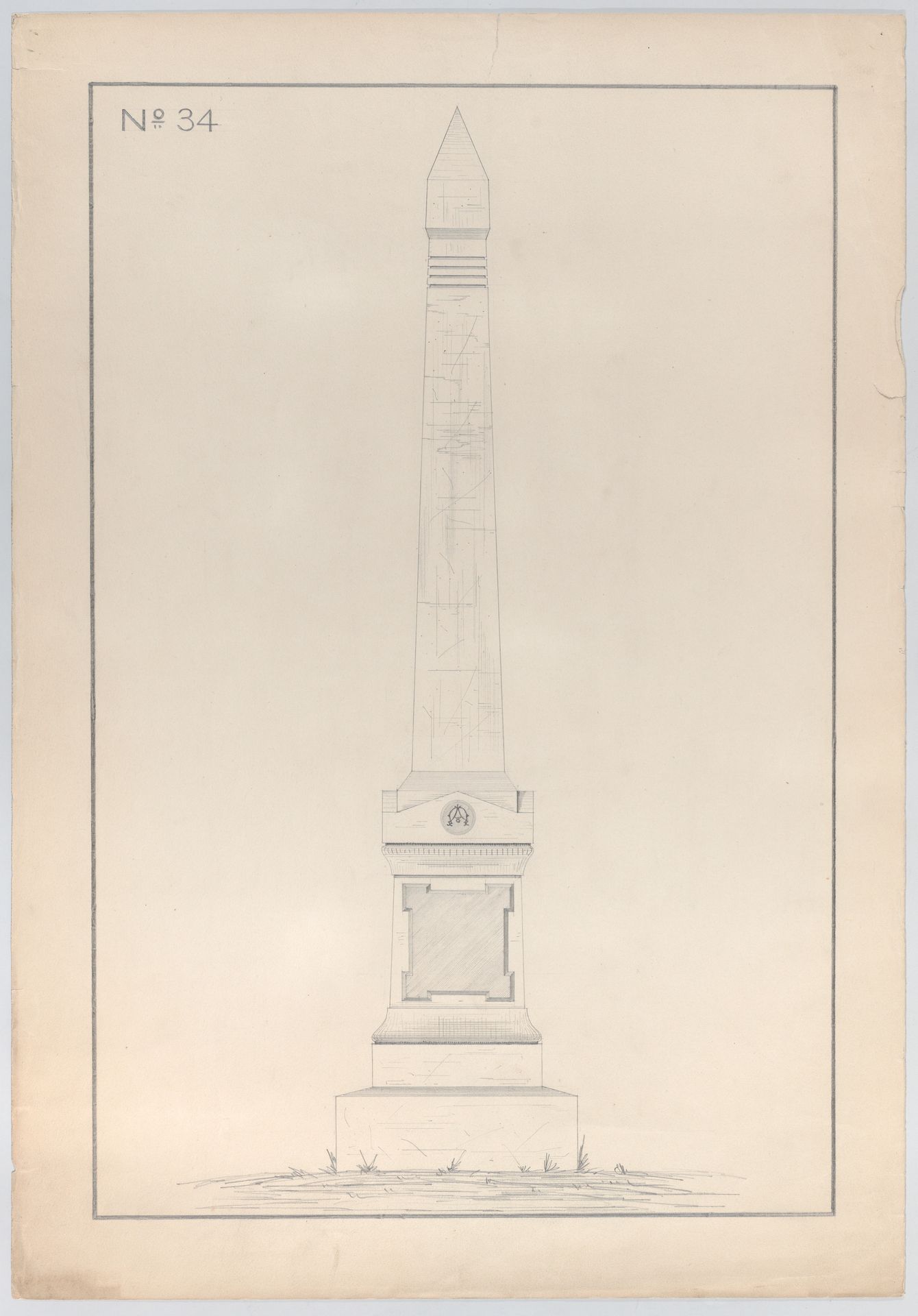
Alexander Maxwell rendered this grave monument, No. 84, as a design on paper in the 19th century. At its heart is the obelisk, a form reaching far back into ancient Egyptian culture, where it symbolized stability and creative power, and acted as a focal point for the cult of the sun. Consider how this symbol, originally a paean to solar divinity, transformed as it journeyed through time. Romans appropriated it, associating it with imperial power. During the Renaissance, obelisks were resurrected as symbols of knowledge and steadfastness, often seen in prominent urban spaces. By Maxwell's time, the obelisk had become a common feature in cemeteries, representing remembrance and the eternal soul. It is through such migrations of symbols that we see the intricate workings of cultural memory. The obelisk, standing tall against the sky, embodies a yearning for permanence, a desire to connect with the eternal. This visual echo links us to civilizations long past, stirring deep-seated emotions of awe and the inevitability of time.
Obelisk Grave Monument, No. 84
1840 - 1880


Artwork details
- Medium
- drawing, print, pencil
- Dimensions
- Sheet: 21 in. × 13 9/16 in. (53.4 × 34.5 cm)
- Location
- Metropolitan Museum of Art, New York, NY
- Copyright
- Public Domain
Tags
Comments
Share your thoughts
About this artwork
Alexander Maxwell rendered this grave monument, No. 84, as a design on paper in the 19th century. At its heart is the obelisk, a form reaching far back into ancient Egyptian culture, where it symbolized stability and creative power, and acted as a focal point for the cult of the sun. Consider how this symbol, originally a paean to solar divinity, transformed as it journeyed through time. Romans appropriated it, associating it with imperial power. During the Renaissance, obelisks were resurrected as symbols of knowledge and steadfastness, often seen in prominent urban spaces. By Maxwell's time, the obelisk had become a common feature in cemeteries, representing remembrance and the eternal soul. It is through such migrations of symbols that we see the intricate workings of cultural memory. The obelisk, standing tall against the sky, embodies a yearning for permanence, a desire to connect with the eternal. This visual echo links us to civilizations long past, stirring deep-seated emotions of awe and the inevitability of time.
Comments
Share your thoughts