About this artwork
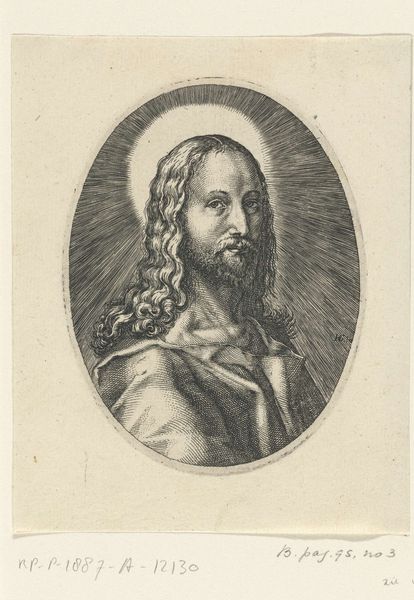
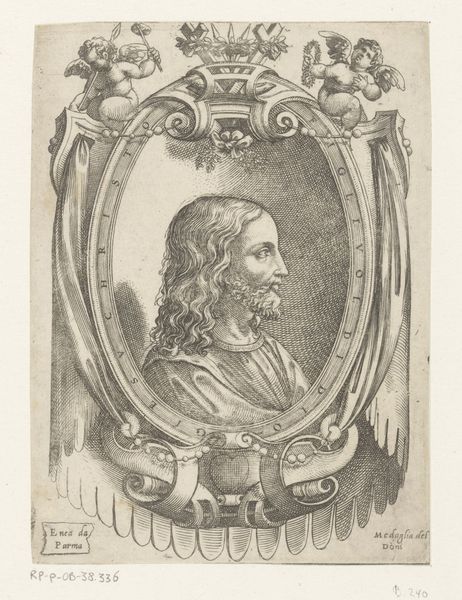
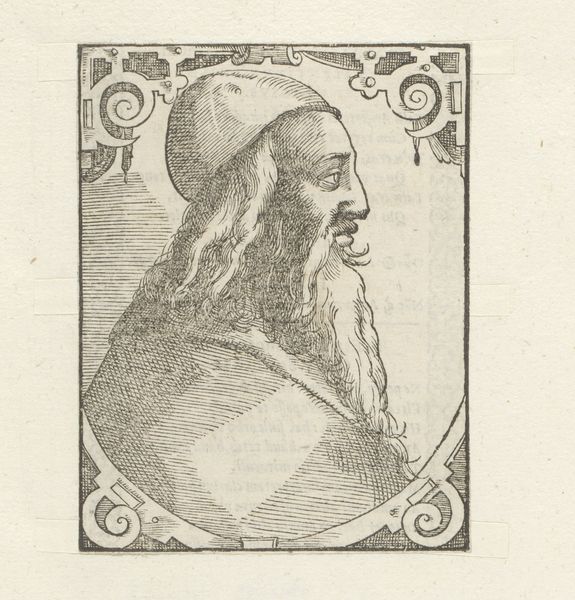
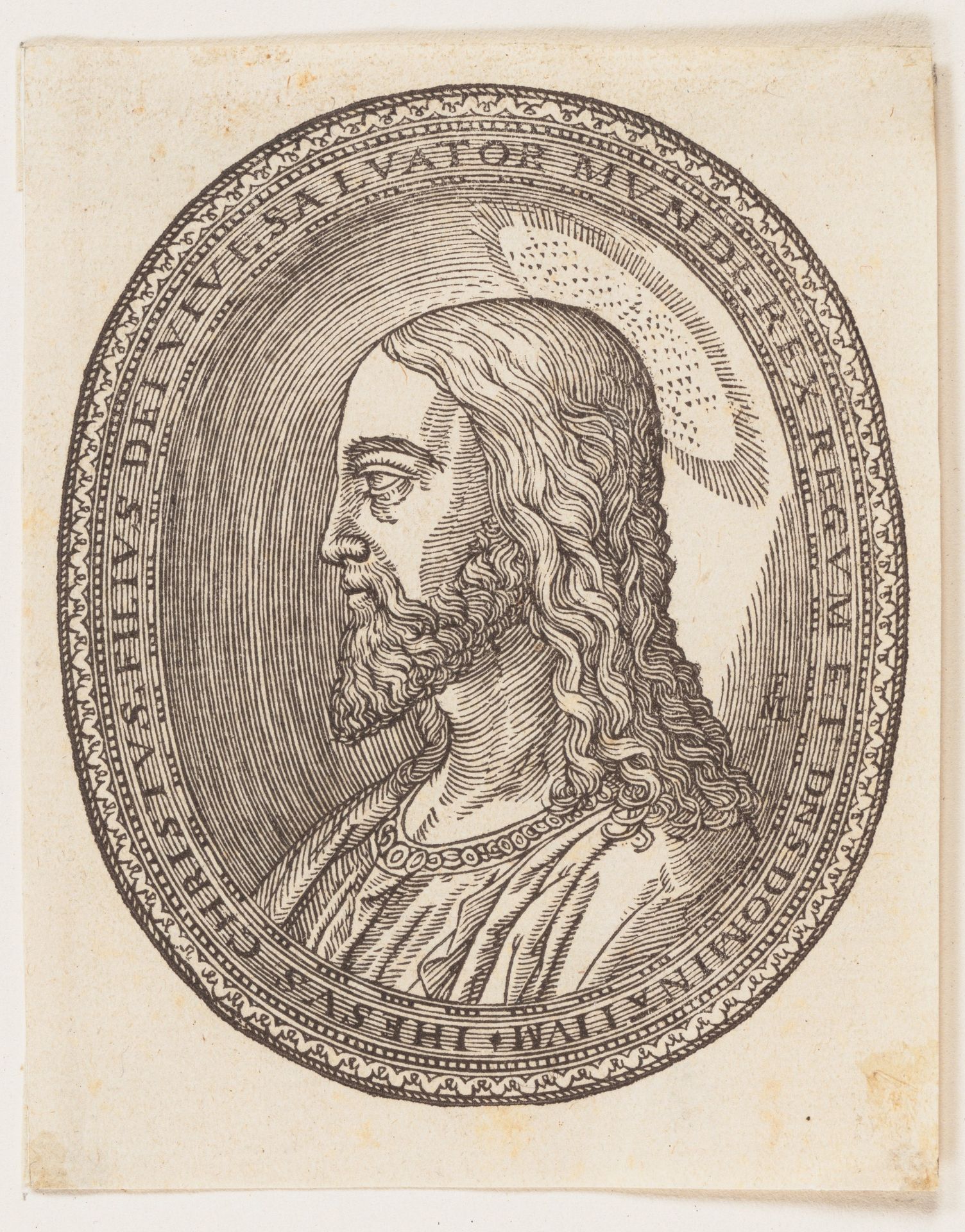
Melchior Lorck rendered this portrait of “Christ, left profile,” in ink on paper. The halo, a radiant disc behind the head of Christ, immediately captures our attention. This symbol transcends cultures; its origins can be traced back to ancient Greece and Rome, where it signified power and divinity. Consider its evolution through time. In early Christian art, the halo was a simple, unadorned circle, but over centuries, it transformed into a complex array of radiating lines, embodying spiritual illumination. Think of the Byzantine mosaics, where halos blaze with golden light, signaling divine presence. The recurring motif reveals how deeply ingrained symbols can tap into our collective memory. The halo’s persistence speaks to our primal need to visualize and comprehend the intangible, bridging the gap between the earthly and the divine.
Christ, left profile 1540 - 1599


Artwork details
- Medium
- drawing, print, engraving
- Dimensions
- sheet: 3 5/8 x 2 15/16 in. (9.2 x 7.4 cm)
- Location
- Metropolitan Museum of Art, New York, NY
- Copyright
- Public Domain
Tags
portrait
drawing
figuration
11_renaissance
engraving
profile
christ
Comments
No comments
About this artwork
Melchior Lorck rendered this portrait of “Christ, left profile,” in ink on paper. The halo, a radiant disc behind the head of Christ, immediately captures our attention. This symbol transcends cultures; its origins can be traced back to ancient Greece and Rome, where it signified power and divinity. Consider its evolution through time. In early Christian art, the halo was a simple, unadorned circle, but over centuries, it transformed into a complex array of radiating lines, embodying spiritual illumination. Think of the Byzantine mosaics, where halos blaze with golden light, signaling divine presence. The recurring motif reveals how deeply ingrained symbols can tap into our collective memory. The halo’s persistence speaks to our primal need to visualize and comprehend the intangible, bridging the gap between the earthly and the divine.
Comments
No comments