About this artwork
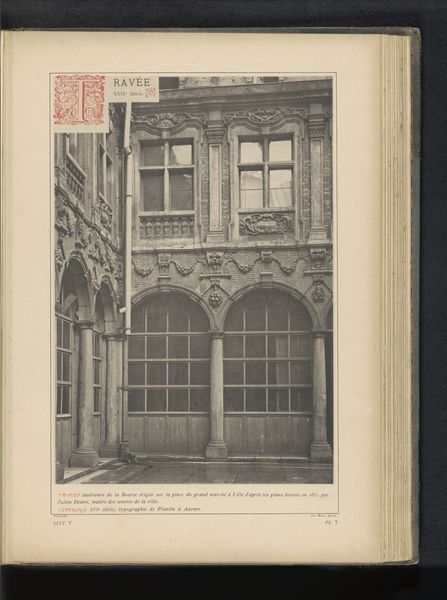
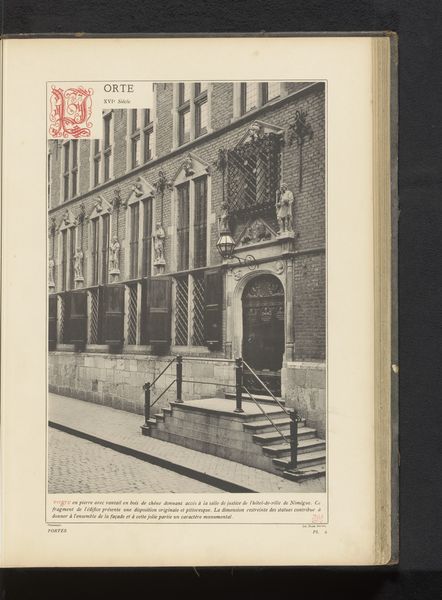
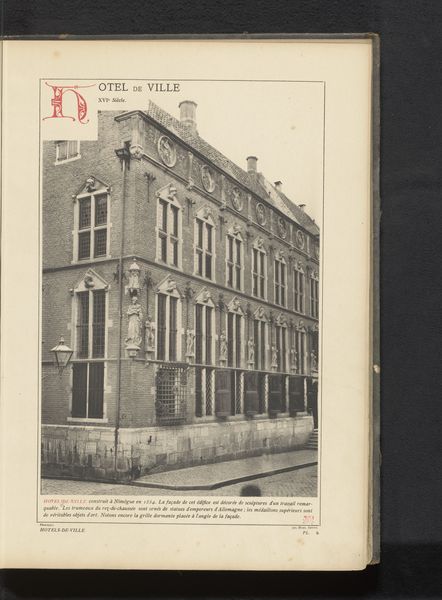
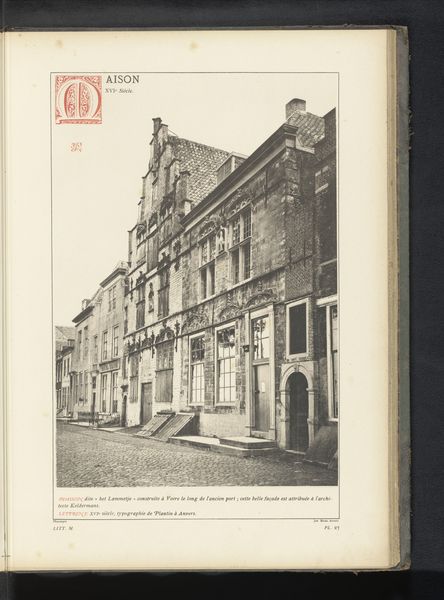
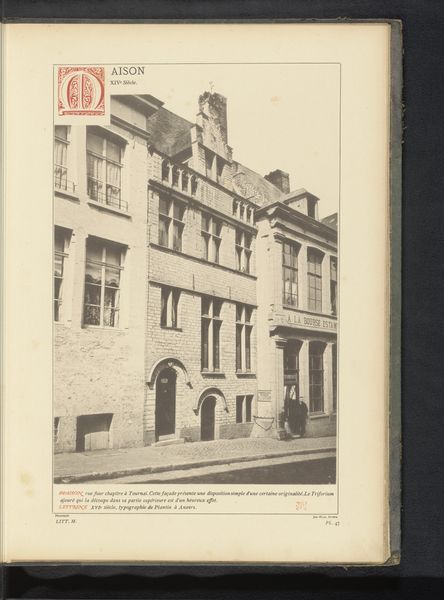
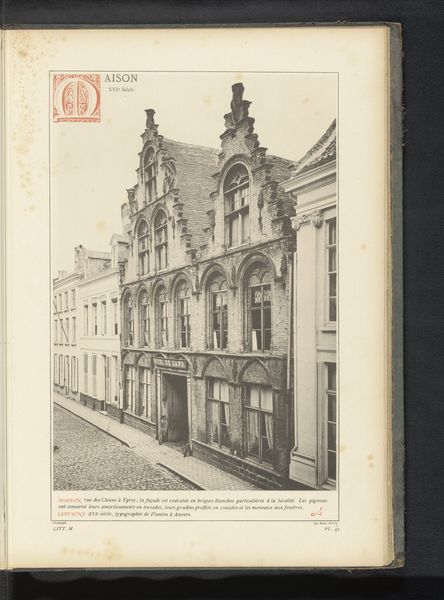
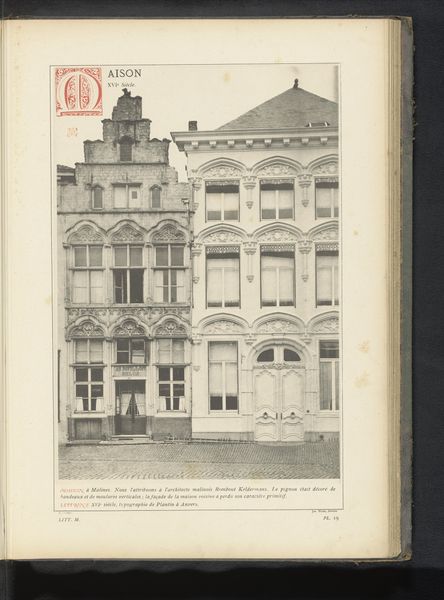
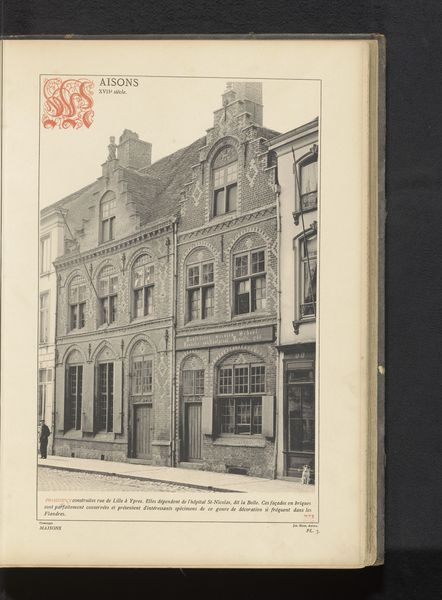
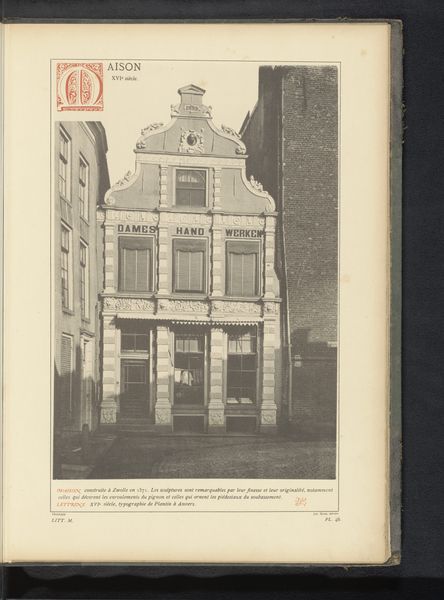
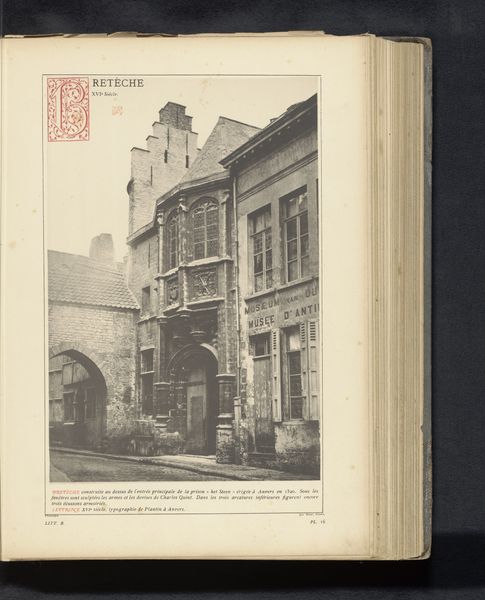
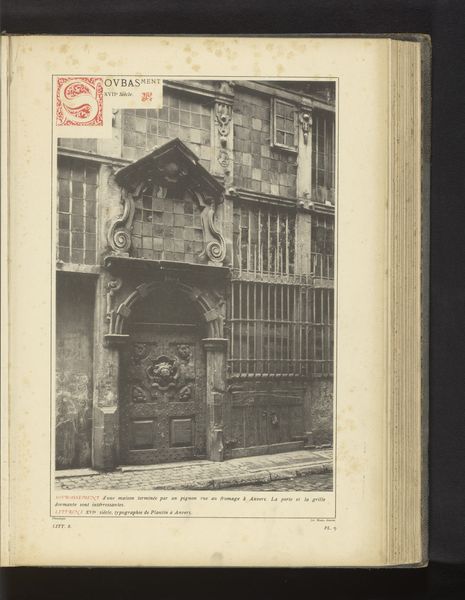
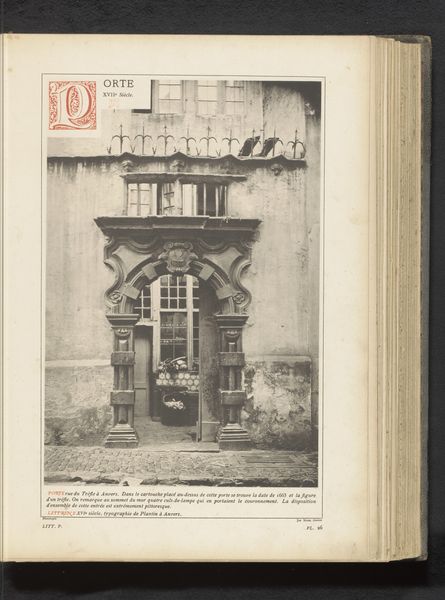
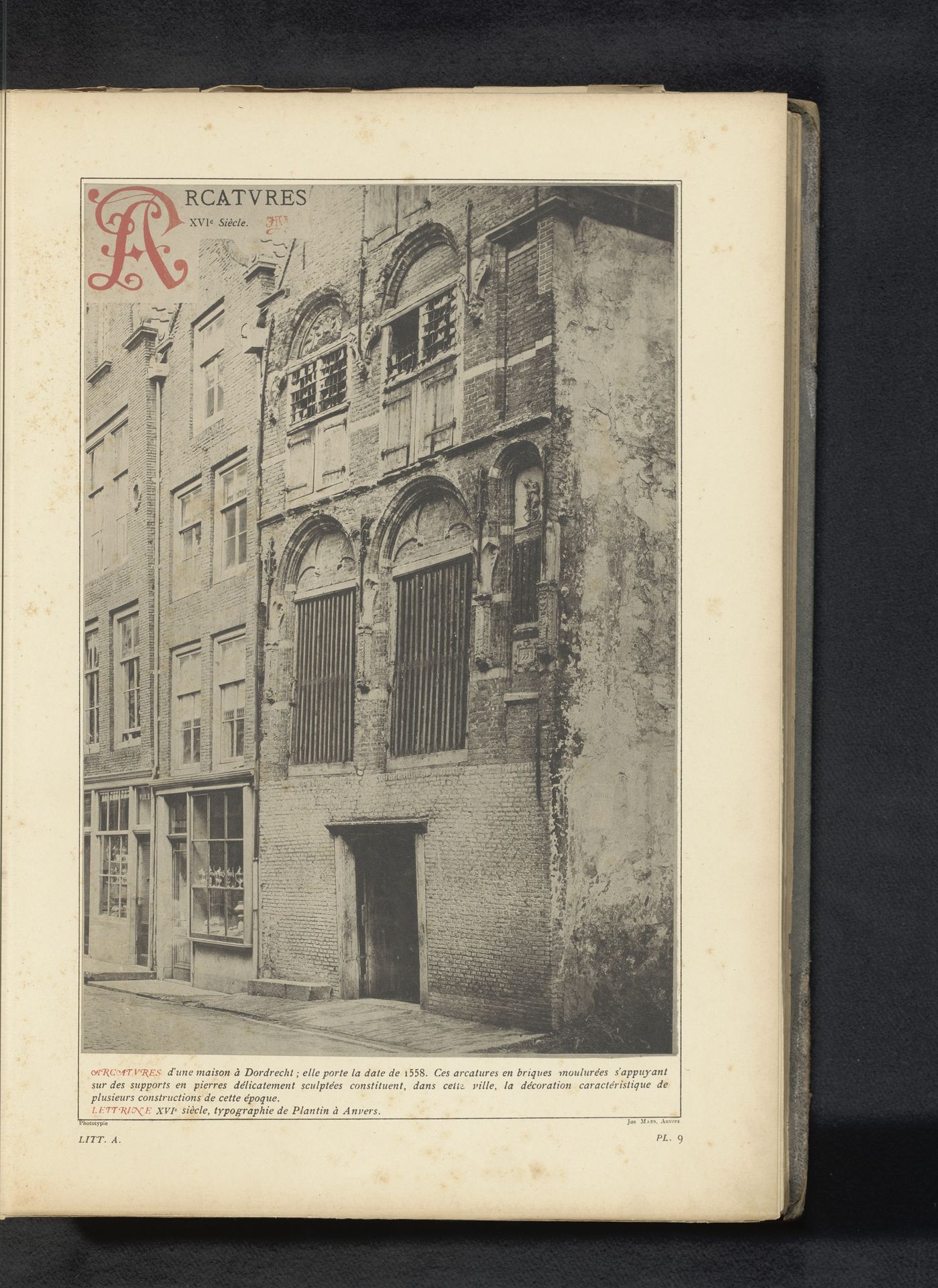
This photograph depicts the facade of a house in Dordrecht, Netherlands, captured by an anonymous photographer. While the photographer remains unknown, the image speaks volumes about the social and cultural values of its time. Notice the architectural style, with its brickwork and arched windows, reflective of the late 16th-century Dutch Renaissance. Dordrecht, being one of the oldest cities in the Netherlands, was a major trade and political center during this period. The architecture embodies the wealth and civic pride of its inhabitants. Such images, often found in books and publications, served to document and celebrate local heritage, but also to promote a sense of national identity. The institutional context of its production—likely commissioned by a local historical society or publishing house—influences how we understand its purpose. To fully appreciate the photograph’s significance, we could delve into archives and libraries, examining period documents, architectural plans, and local histories. Art like this should remind us that the past is contingent on social and institutional contexts.

Artwork details
- Medium
- print, photography
- Dimensions
- height 338 mm, width 233 mm
- Copyright
- Rijks Museum: Open Domain
Tags
medieval
photography
cityscape
Comments
Be the first to share your thoughts about this work.
About this artwork
This photograph depicts the facade of a house in Dordrecht, Netherlands, captured by an anonymous photographer. While the photographer remains unknown, the image speaks volumes about the social and cultural values of its time. Notice the architectural style, with its brickwork and arched windows, reflective of the late 16th-century Dutch Renaissance. Dordrecht, being one of the oldest cities in the Netherlands, was a major trade and political center during this period. The architecture embodies the wealth and civic pride of its inhabitants. Such images, often found in books and publications, served to document and celebrate local heritage, but also to promote a sense of national identity. The institutional context of its production—likely commissioned by a local historical society or publishing house—influences how we understand its purpose. To fully appreciate the photograph’s significance, we could delve into archives and libraries, examining period documents, architectural plans, and local histories. Art like this should remind us that the past is contingent on social and institutional contexts.
Comments
Be the first to share your thoughts about this work.