About this artwork
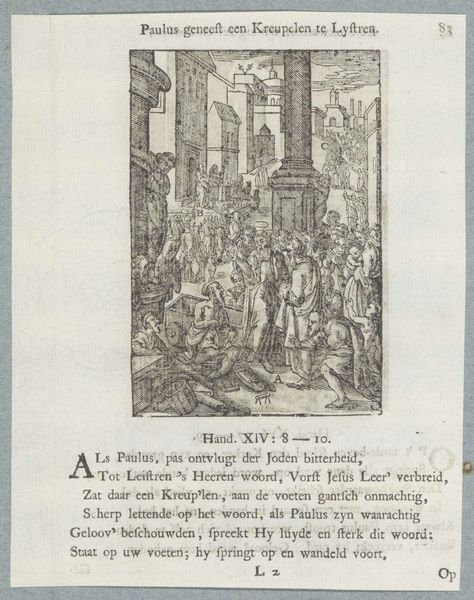
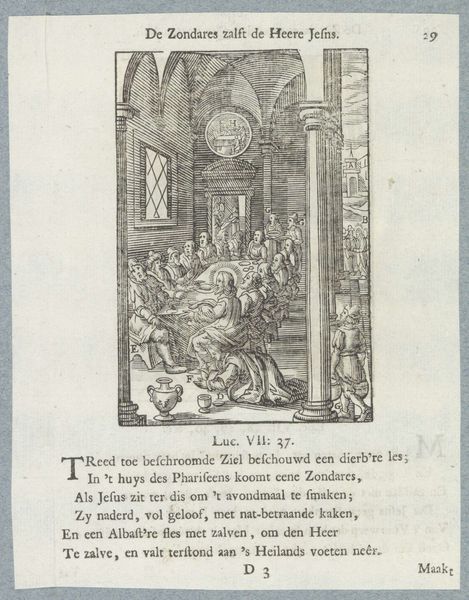
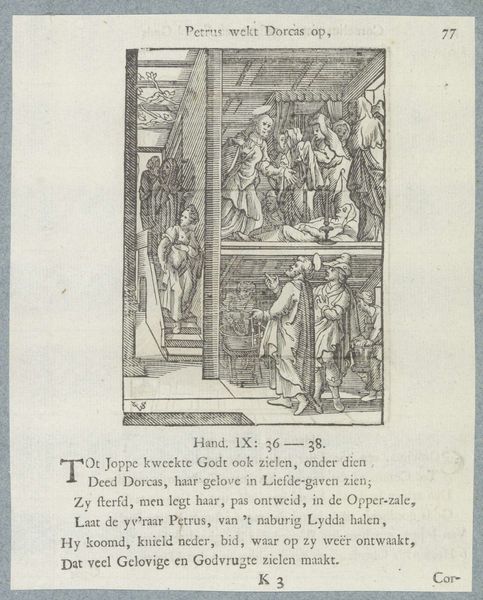
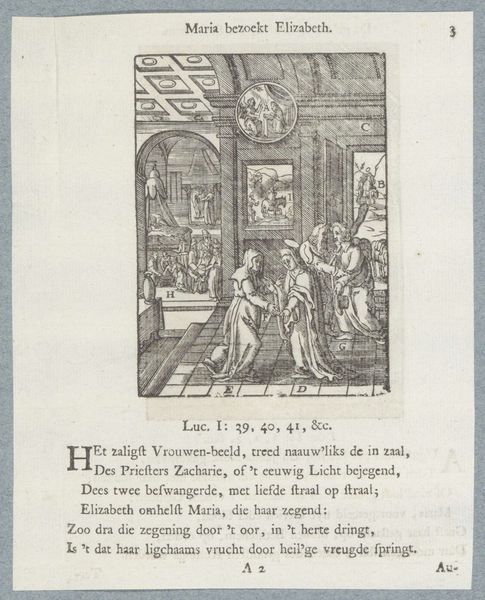
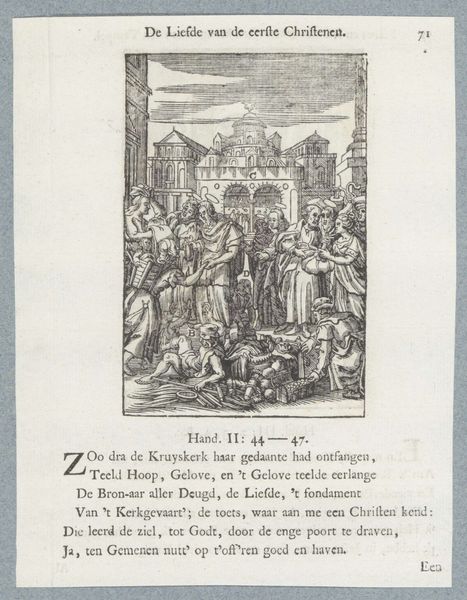
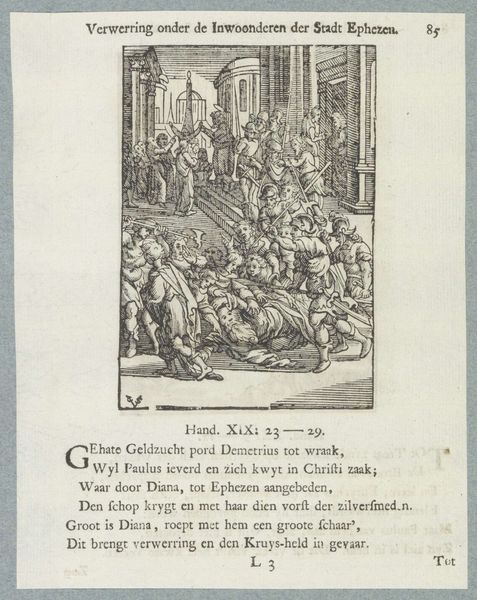
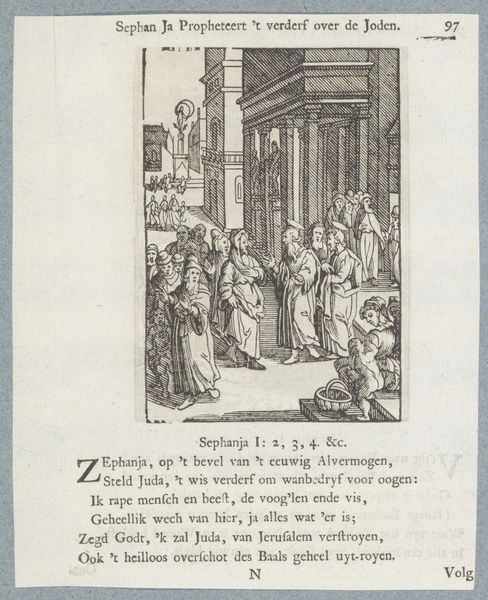
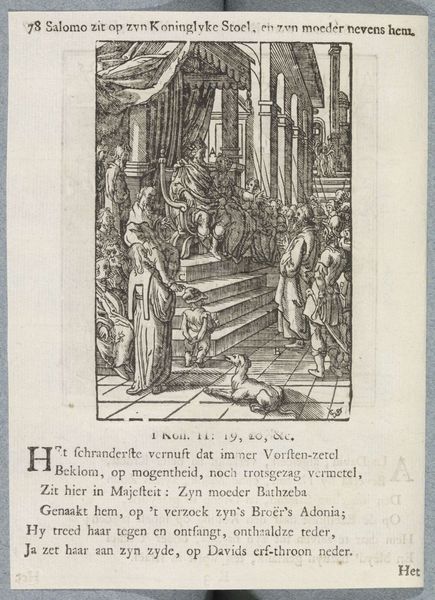
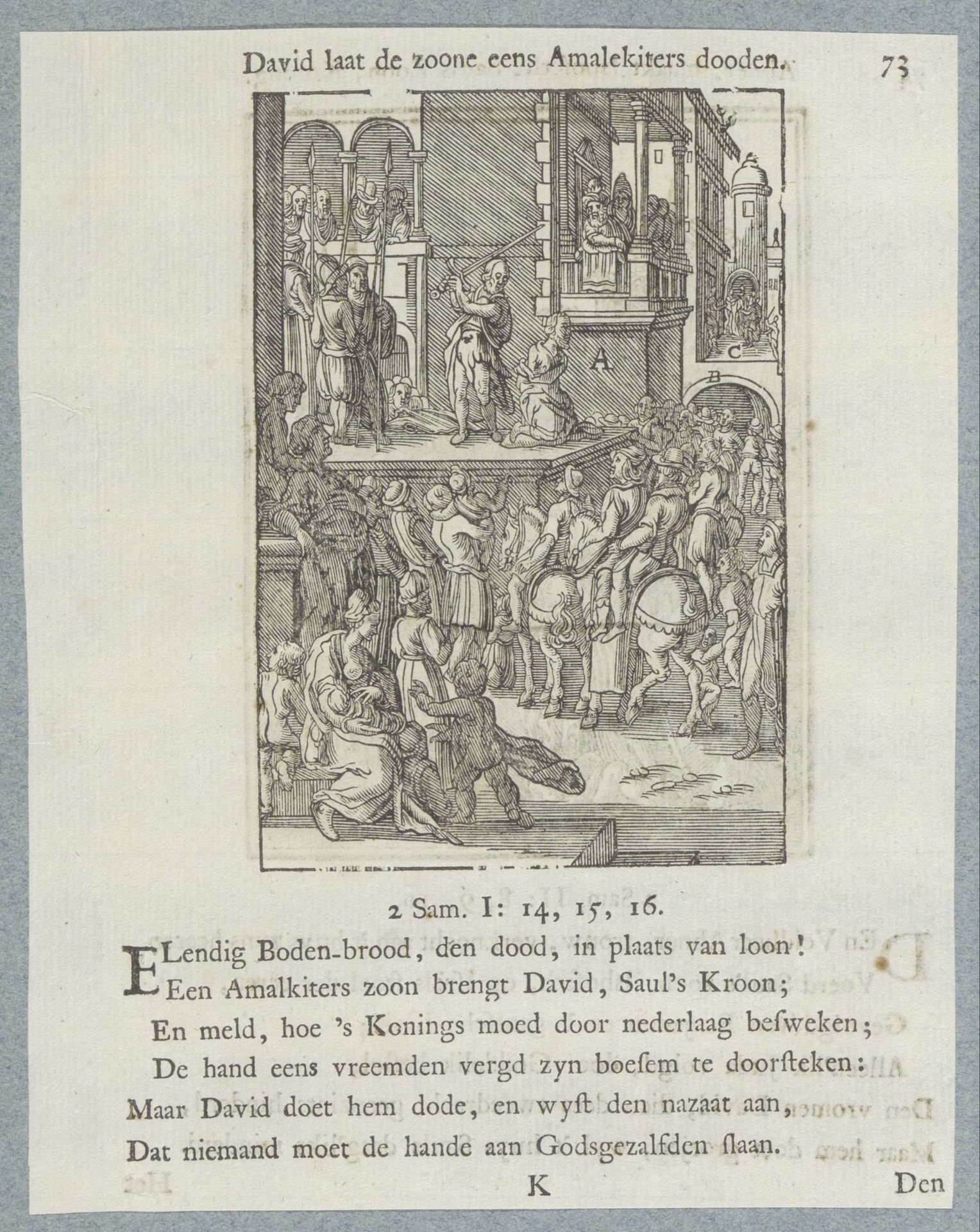
"David Orders the Execution of the Amalekite" is an engraving made by Christoffel van Sichem the Younger, sometime between 1581 and 1658. The piece depicts David ordering the execution of an Amalekite man who confessed to killing the former King Saul. Sichem was part of a large family of Dutch printmakers, and his work was made during the rise of the Dutch Republic, a time of great religious and political upheaval. During this time, printmaking was essential for spreading ideas and influencing public opinion. Sichem's choice to depict this scene from the Old Testament reflects the religious and moral concerns of his time. The image raises questions of loyalty, justice, and the consequences of one's actions. The figures are rendered with a somber tone. David's posture and gaze convey a sense of grim determination, while the Amalekite is shown kneeling. The engraving serves as a commentary on leadership, obedience, and divine law, inviting viewers to reflect on the complex interplay between power, morality, and fate.
Onthoofding van Jakobus de Meerdere
1629 - 1740

Christoffel van (II) Sichem
1581 - 1658Location
RijksmuseumArtwork details
- Medium
- print, engraving
- Dimensions
- height 110 mm, width 75 mm, height 166 mm, width 133 mm
- Location
- Rijksmuseum
- Copyright
- Rijks Museum: Open Domain
Tags
Comments
Share your thoughts
About this artwork
"David Orders the Execution of the Amalekite" is an engraving made by Christoffel van Sichem the Younger, sometime between 1581 and 1658. The piece depicts David ordering the execution of an Amalekite man who confessed to killing the former King Saul. Sichem was part of a large family of Dutch printmakers, and his work was made during the rise of the Dutch Republic, a time of great religious and political upheaval. During this time, printmaking was essential for spreading ideas and influencing public opinion. Sichem's choice to depict this scene from the Old Testament reflects the religious and moral concerns of his time. The image raises questions of loyalty, justice, and the consequences of one's actions. The figures are rendered with a somber tone. David's posture and gaze convey a sense of grim determination, while the Amalekite is shown kneeling. The engraving serves as a commentary on leadership, obedience, and divine law, inviting viewers to reflect on the complex interplay between power, morality, and fate.
Comments
Share your thoughts