About this artwork
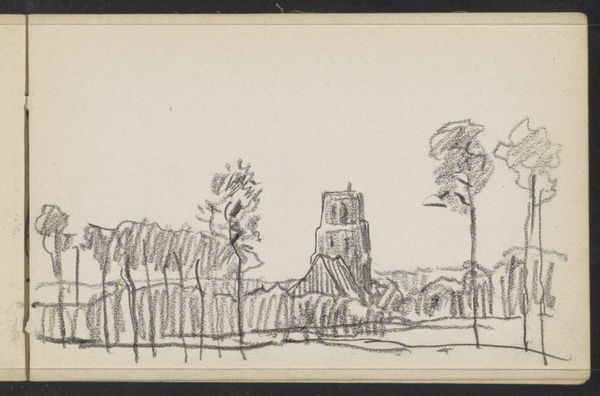
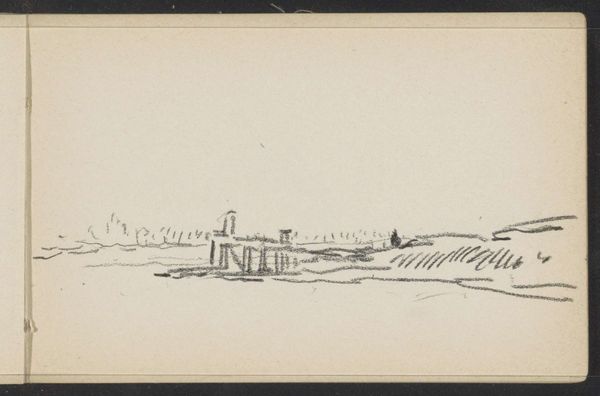
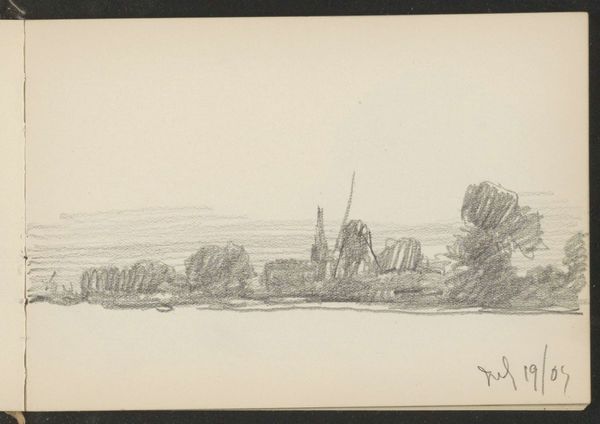
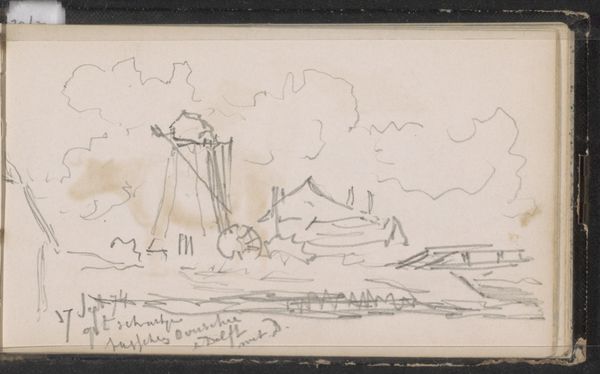
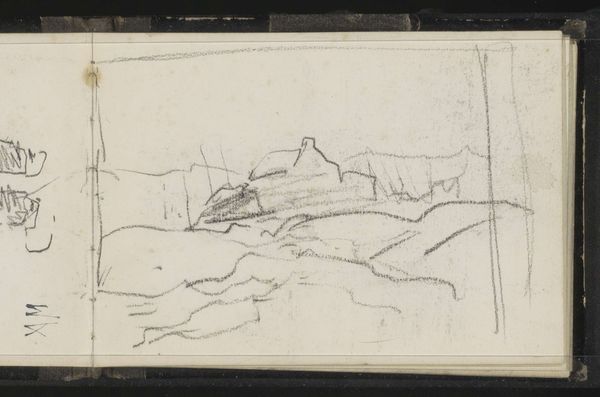
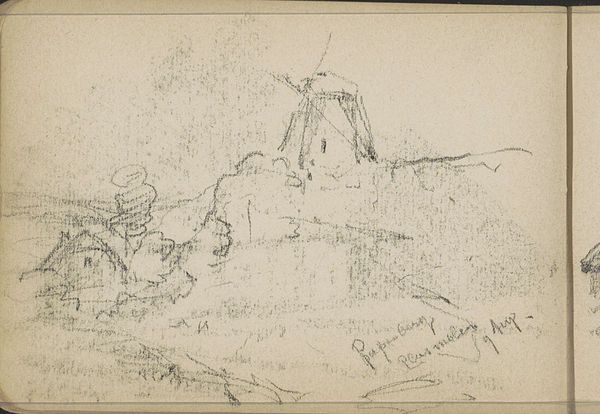
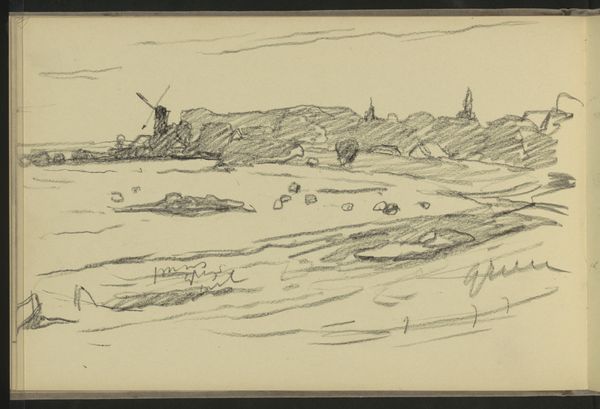
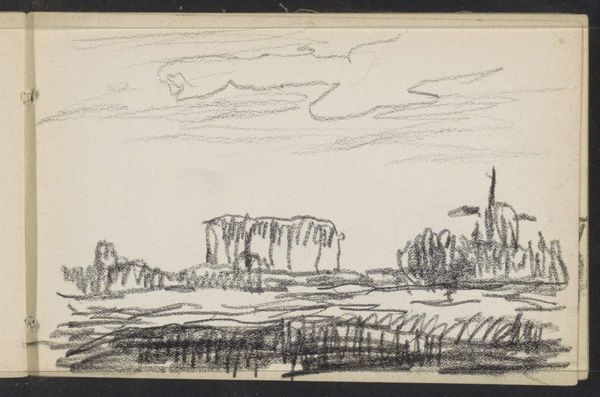
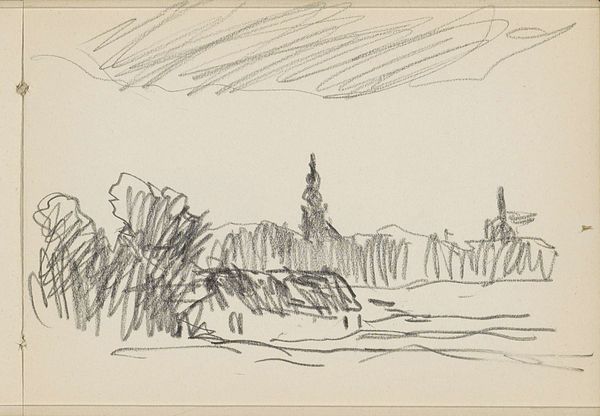
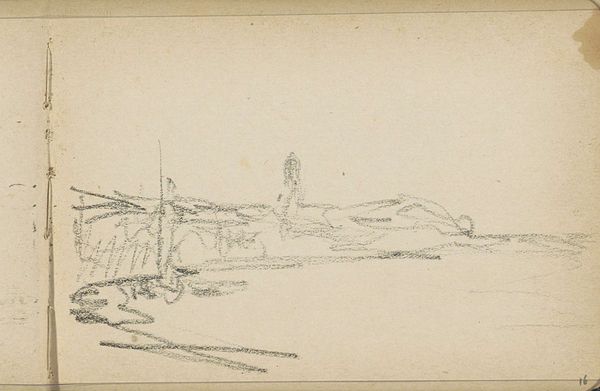
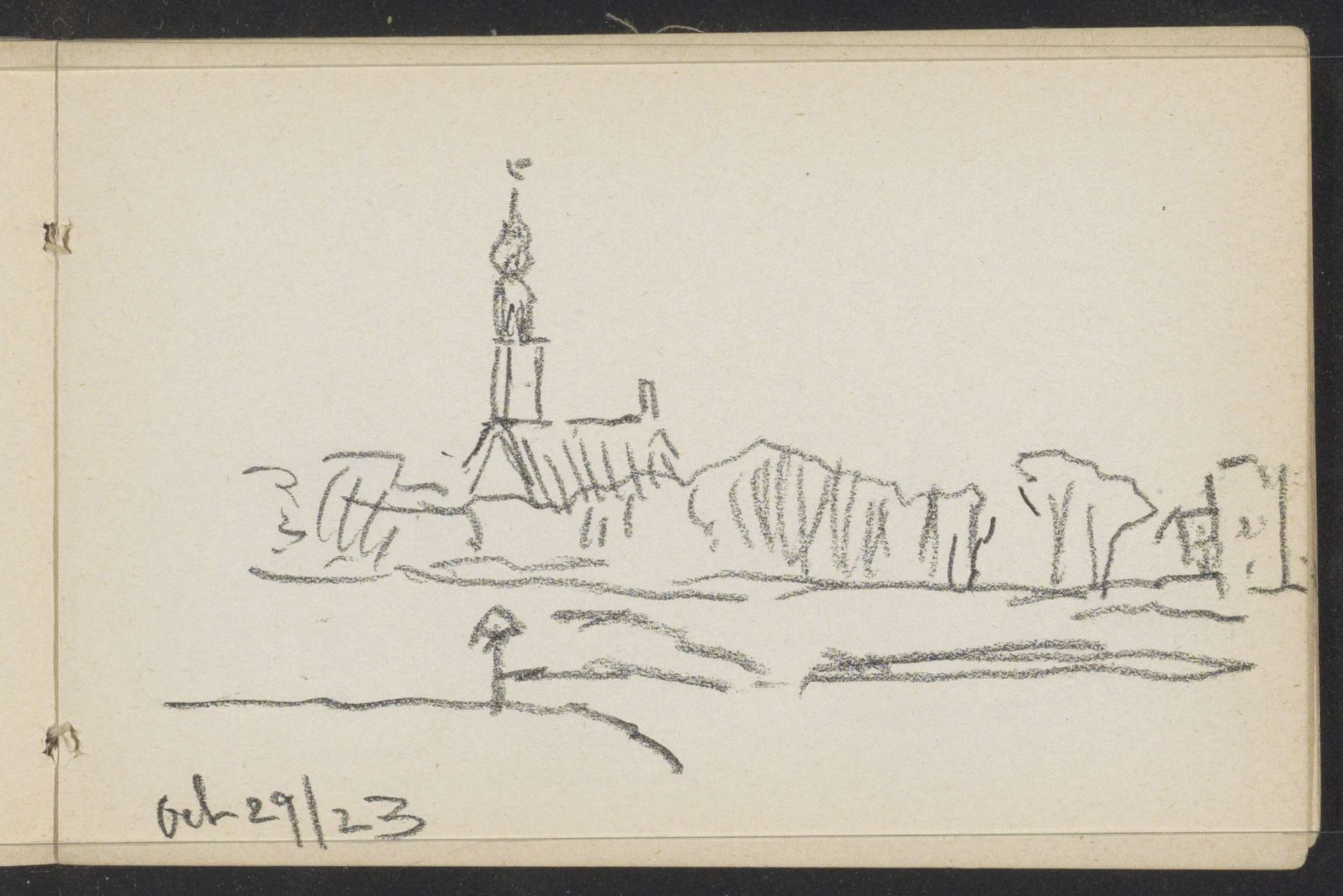
This is Alexander Shilling’s “Gezicht op Veere,” made with graphite on paper sometime in 1923. It’s super minimal; just a few lines capturing the essence of a landscape. You can see the hand and the speed in the sketching, which is what I always look for in art. The materiality here is everything. The texture of the paper, the soft, smudgy quality of the graphite – it all creates this immediate, intimate feeling. Look at the way the lines vary in thickness and pressure, especially in the architectural structure. It's like a shorthand for the world, a way of grasping and distilling the essence of a place. Shilling is not trying to give us a perfect representation, but rather a feeling, an impression. For me, this piece is a lot like the work of Philip Guston, who would also use simple lines and forms to express complex ideas. It's that spirit of experimentation, the willingness to embrace imperfection and ambiguity, that makes art so exciting.

Artwork details
- Medium
- drawing, graphite
- Copyright
- Rijks Museum: Open Domain
Tags
drawing
landscape
geometric
graphite
cityscape
building
Comments
No comments
About this artwork
This is Alexander Shilling’s “Gezicht op Veere,” made with graphite on paper sometime in 1923. It’s super minimal; just a few lines capturing the essence of a landscape. You can see the hand and the speed in the sketching, which is what I always look for in art. The materiality here is everything. The texture of the paper, the soft, smudgy quality of the graphite – it all creates this immediate, intimate feeling. Look at the way the lines vary in thickness and pressure, especially in the architectural structure. It's like a shorthand for the world, a way of grasping and distilling the essence of a place. Shilling is not trying to give us a perfect representation, but rather a feeling, an impression. For me, this piece is a lot like the work of Philip Guston, who would also use simple lines and forms to express complex ideas. It's that spirit of experimentation, the willingness to embrace imperfection and ambiguity, that makes art so exciting.
Comments
No comments