About this artwork
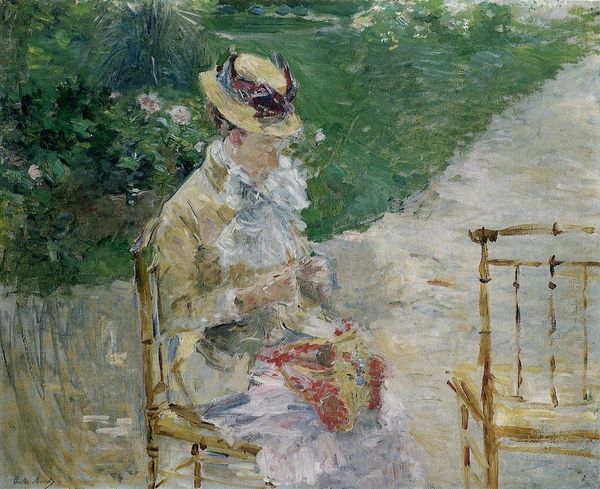
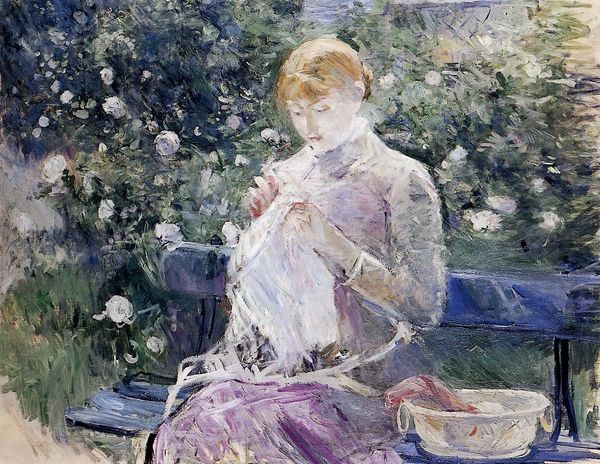
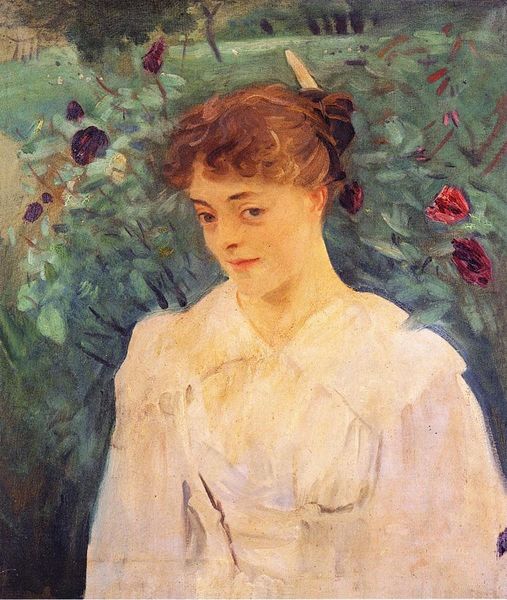
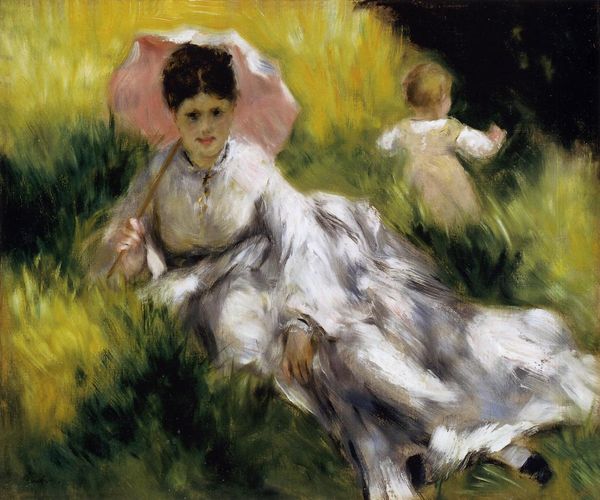
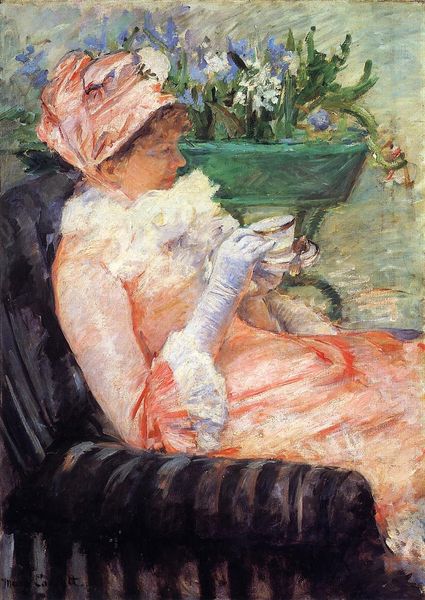
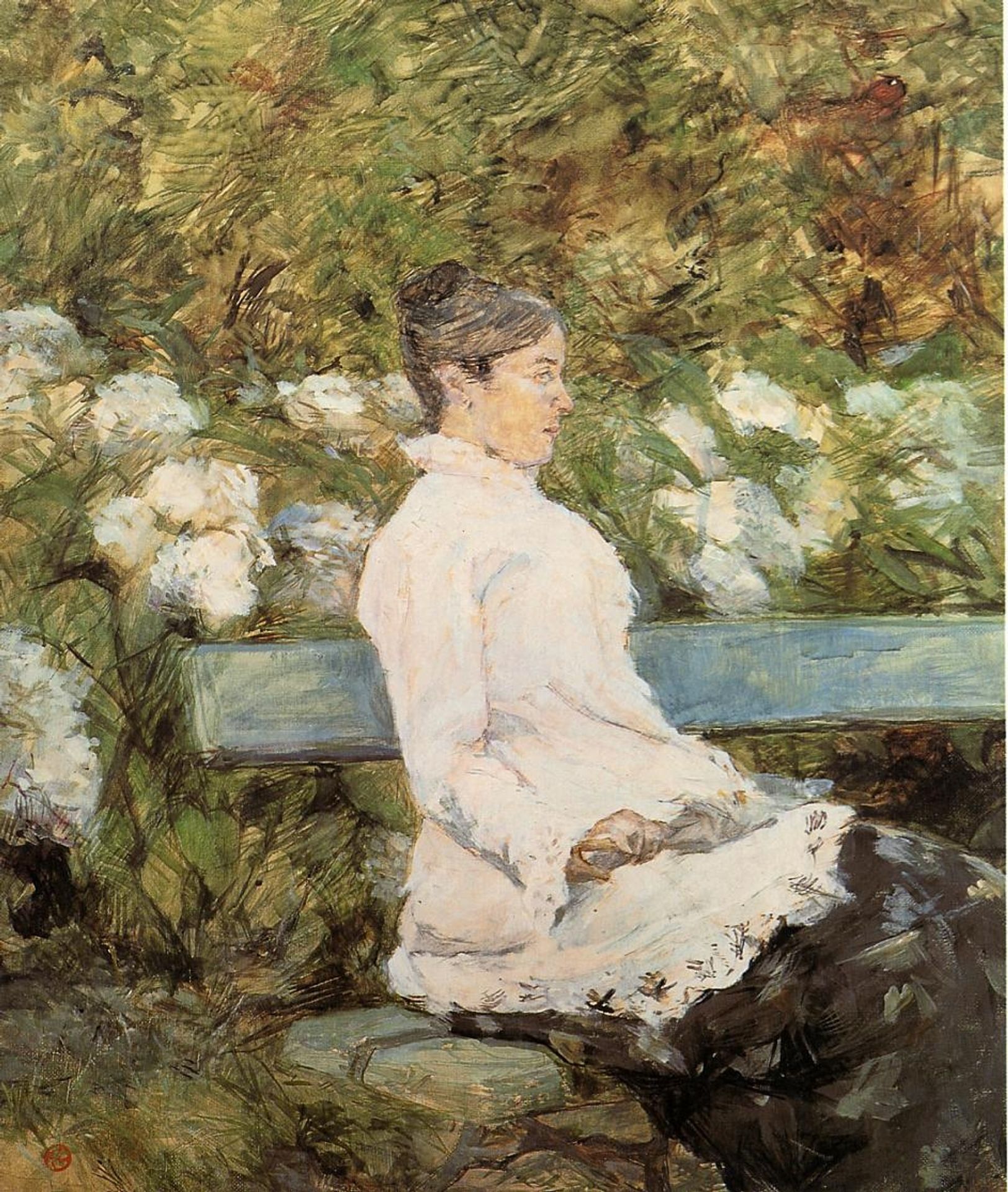
Henri de Toulouse-Lautrec painted Madame la Comtesse A. de Toulouse Loutrec, using oil on canvas, focusing on the play of light and shadow across the scene. The composition emphasizes the Comtesse's figure, seated amidst a lush, dappled garden. The loose brushstrokes and the contrast between the dark foliage and the Comtesse’s light dress, invite us to consider the painting's structure. Here, Toulouse-Lautrec destabilizes the traditional portrait, moving it away from static representation to something more dynamic and questioning. The Countess is part of the semiotic system, a cultural marker, but her portrayal challenges conventional notions of status. Consider the artist's manipulation of form; how he employs the Impressionistic technique not just to capture the likeness, but to explore broader themes of identity, class, and representation. It is through this formal approach that we can understand the cultural codes which were at play in the making and reception of this work.
Madame la Comtesse A. de Toulouse Loutrec 1882

Henri de Toulouse-Lautrec
1864 - 1901Location
Private CollectionArtwork details
- Medium
- painting, plein-air, oil-paint
- Dimensions
- 55 x 46 cm
- Location
- Private Collection
- Copyright
- Public domain
Tags
portrait
painting
impressionism
plein-air
oil-paint
landscape
impressionist landscape
possibly oil pastel
oil painting
genre-painting
realism
Comments
No comments
About this artwork
Henri de Toulouse-Lautrec painted Madame la Comtesse A. de Toulouse Loutrec, using oil on canvas, focusing on the play of light and shadow across the scene. The composition emphasizes the Comtesse's figure, seated amidst a lush, dappled garden. The loose brushstrokes and the contrast between the dark foliage and the Comtesse’s light dress, invite us to consider the painting's structure. Here, Toulouse-Lautrec destabilizes the traditional portrait, moving it away from static representation to something more dynamic and questioning. The Countess is part of the semiotic system, a cultural marker, but her portrayal challenges conventional notions of status. Consider the artist's manipulation of form; how he employs the Impressionistic technique not just to capture the likeness, but to explore broader themes of identity, class, and representation. It is through this formal approach that we can understand the cultural codes which were at play in the making and reception of this work.
Comments
No comments