About this artwork
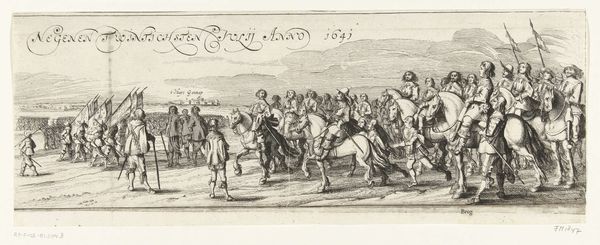
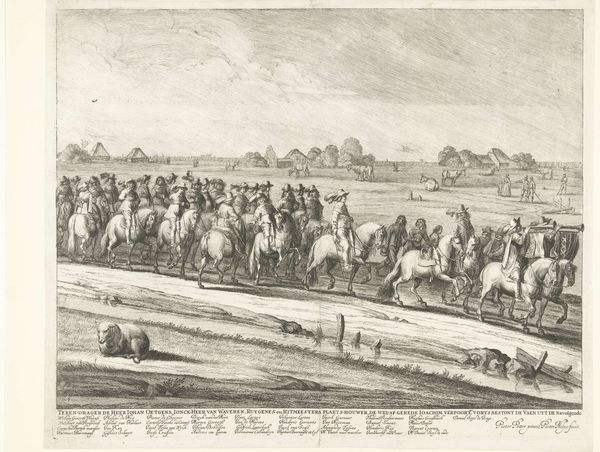
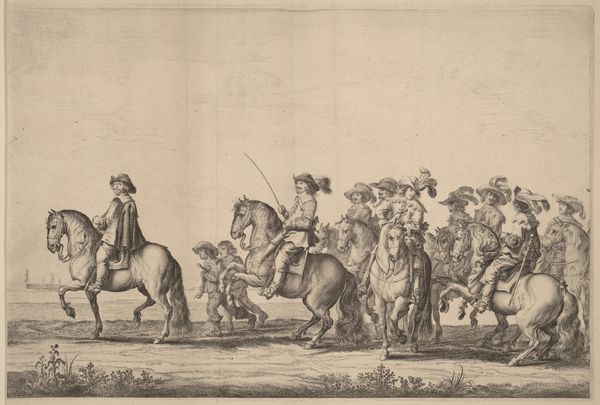
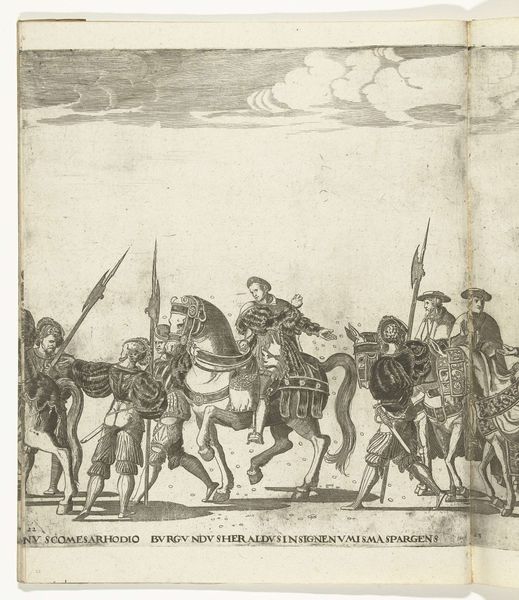
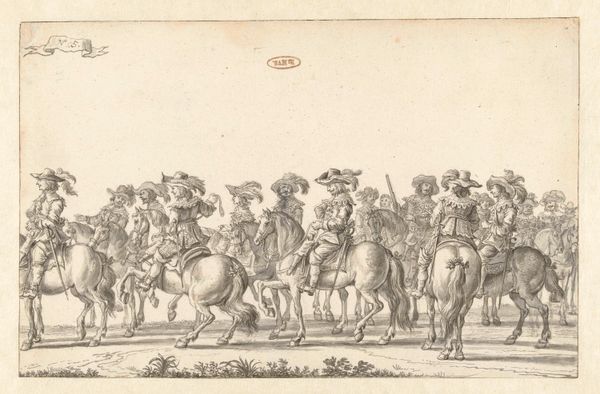
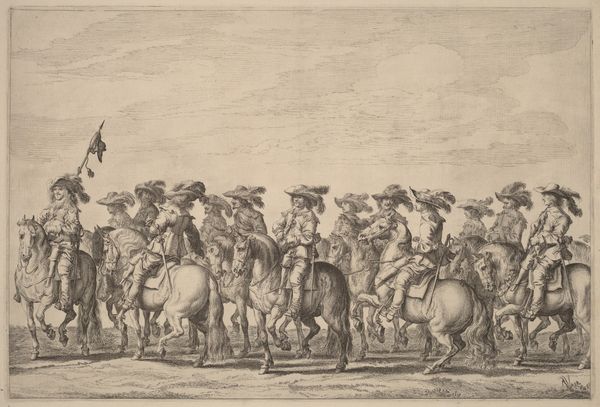
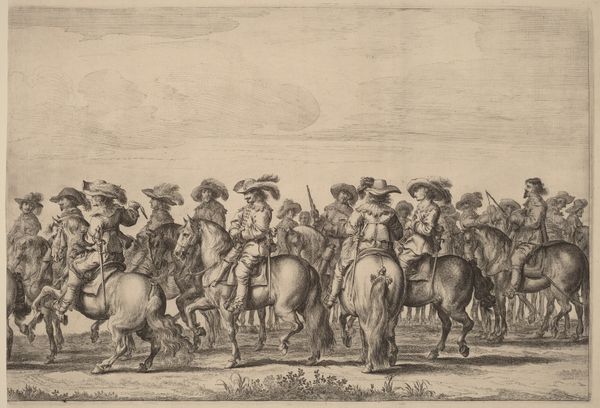
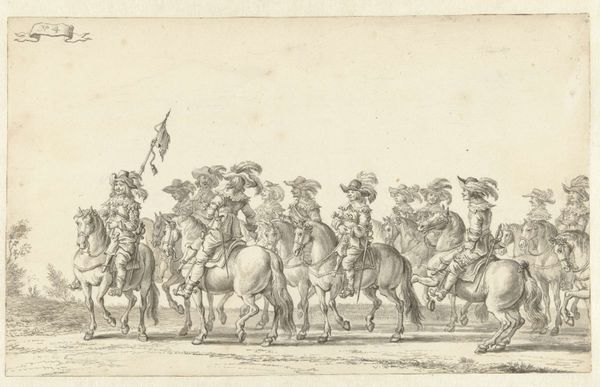
Pieter Nolpe captured the grand entrance of Maria Henrietta Stuart into Amsterdam with an etching. Notice the procession, marked by the repetition of figures and horses; a celebration unfolds under the triumphal arches, symbols of honor. Such arches echo those in ancient Rome, built to commemorate military triumphs and imperial entries. Consider how this motif was revived during the Renaissance, signaling power and continuity. Here, the arch frames not a conquering army but a princess, yet the message remains: the affirmation of dynastic authority. The collective memory of such symbols imprints upon the subconscious, shaping perceptions of legitimacy. Nolpe’s print reminds us that images are not mere representations but potent carriers of historical and cultural weight. The past is ever-present, influencing the present.
Intocht van Maria Henrietta Stuart, prinses van Oranje te Amsterdam 1660 - 1662

Pieter Nolpe
1613 - 1614Location
RijksmuseumArtwork details
- Medium
- print, etching
- Dimensions
- height 317 mm, width 2751 mm
- Location
- Rijksmuseum
- Copyright
- Rijks Museum: Open Domain
Tags
portrait
narrative-art
baroque
dutch-golden-age
etching
etching
cityscape
history-painting
Comments
No comments
About this artwork
Pieter Nolpe captured the grand entrance of Maria Henrietta Stuart into Amsterdam with an etching. Notice the procession, marked by the repetition of figures and horses; a celebration unfolds under the triumphal arches, symbols of honor. Such arches echo those in ancient Rome, built to commemorate military triumphs and imperial entries. Consider how this motif was revived during the Renaissance, signaling power and continuity. Here, the arch frames not a conquering army but a princess, yet the message remains: the affirmation of dynastic authority. The collective memory of such symbols imprints upon the subconscious, shaping perceptions of legitimacy. Nolpe’s print reminds us that images are not mere representations but potent carriers of historical and cultural weight. The past is ever-present, influencing the present.
Comments
No comments