About this artwork
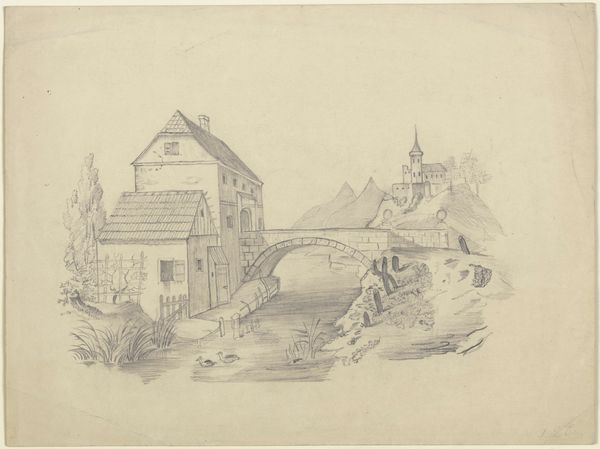
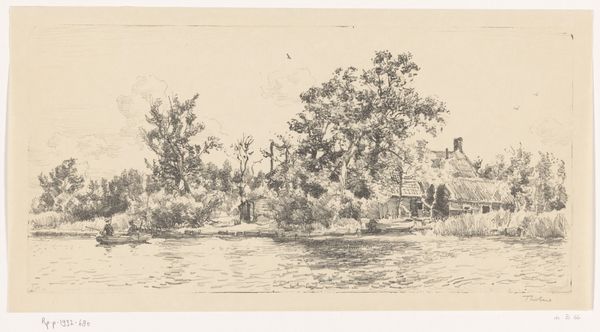
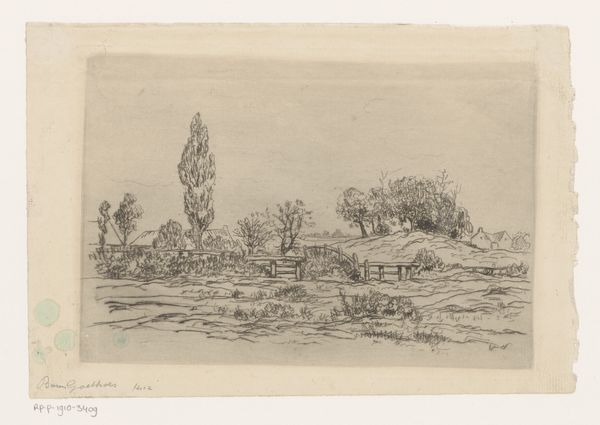
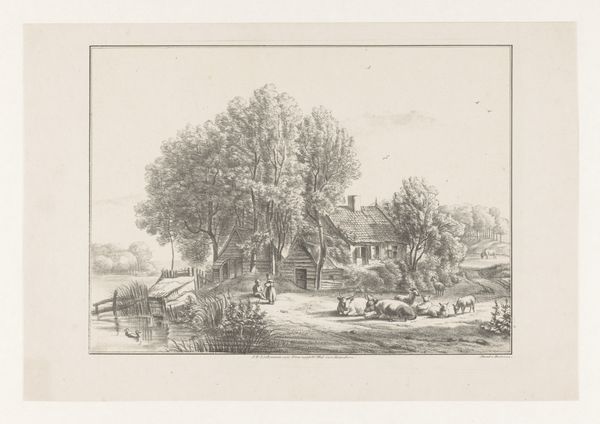
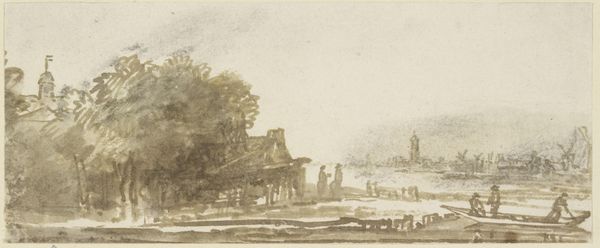
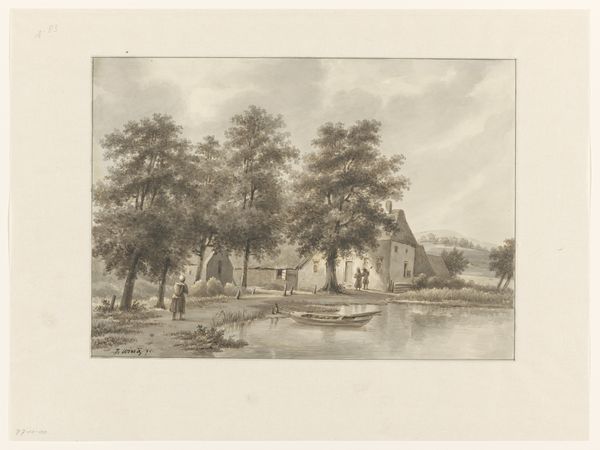
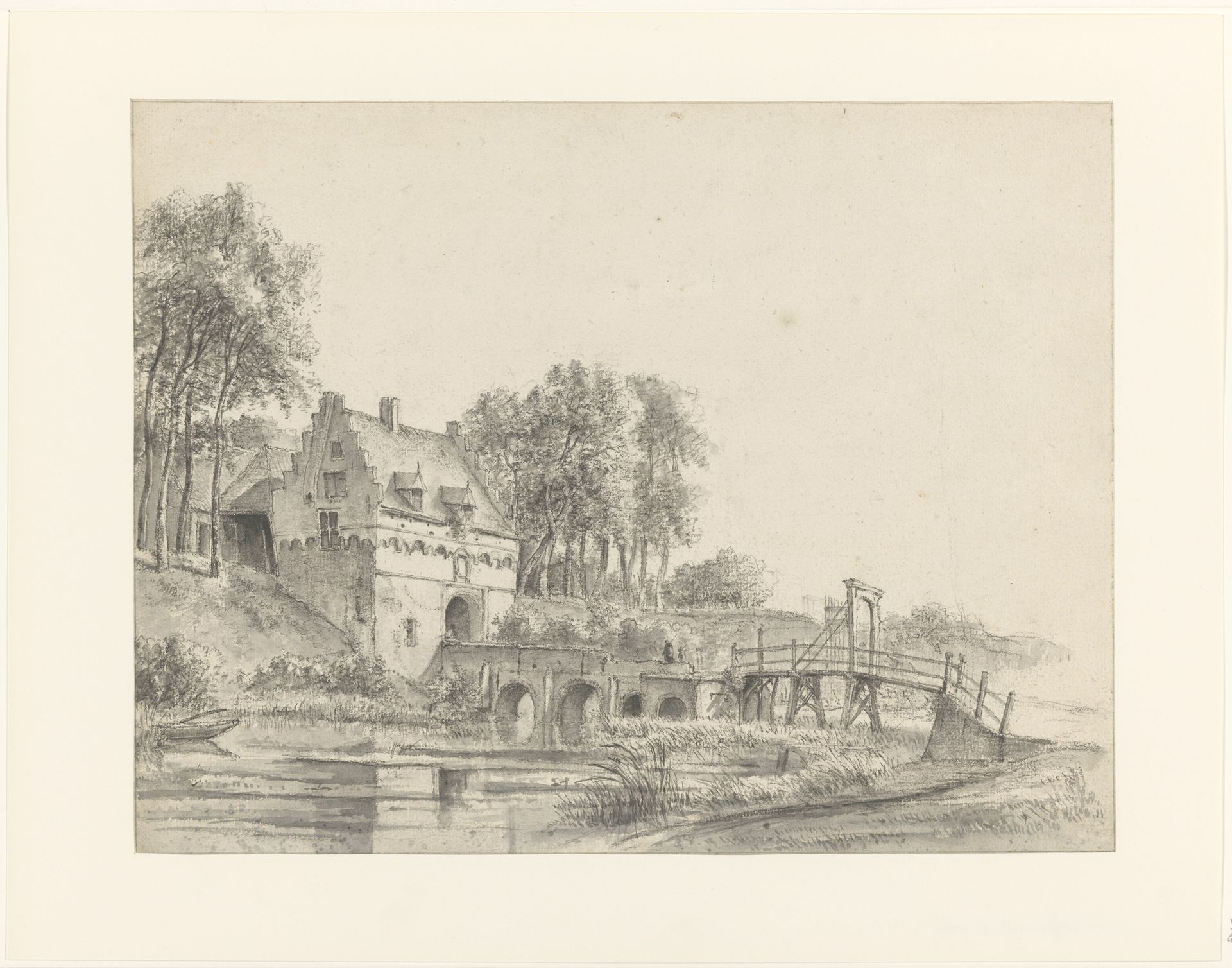
Pieter George Westenberg rendered this view of the gate of Buren Castle with graphite and brush. At the heart of this composition, the castle gate stands as a potent emblem of medieval authority and power. The castle, perched on a hill, symbolizes a defensive stronghold. A motif that stretches back to ancient fortifications, seen across cultures from the hill forts of the Celts to the citadels of Mycenae. Observe the bridge, an ambivalent symbol that connects and isolates simultaneously, recalling ancient myths of perilous crossings and initiations. The bridge evokes the ‘Pons Asinorum’, or bridge of asses, signifying a challenge, a test of worthiness to proceed, its structure an enduring echo across time and cultures. This image resonates with the primal human need for security and the aspiration to transcend limitations, themes endlessly revisited in our collective memory. The castle and its bridge persist in the realm of symbols, continuously adapting and resurfacing in our consciousness.
Gezicht op de poort van Kasteel Buren 1801 - 1873

Pieter George Westenberg
1791 - 1873Location
RijksmuseumArtwork details
- Medium
- drawing, pencil
- Dimensions
- height 324 mm, width 428 mm
- Location
- Rijksmuseum
- Copyright
- Rijks Museum: Open Domain
Tags
drawing
landscape
etching
pencil
realism
Comments
No comments
About this artwork
Pieter George Westenberg rendered this view of the gate of Buren Castle with graphite and brush. At the heart of this composition, the castle gate stands as a potent emblem of medieval authority and power. The castle, perched on a hill, symbolizes a defensive stronghold. A motif that stretches back to ancient fortifications, seen across cultures from the hill forts of the Celts to the citadels of Mycenae. Observe the bridge, an ambivalent symbol that connects and isolates simultaneously, recalling ancient myths of perilous crossings and initiations. The bridge evokes the ‘Pons Asinorum’, or bridge of asses, signifying a challenge, a test of worthiness to proceed, its structure an enduring echo across time and cultures. This image resonates with the primal human need for security and the aspiration to transcend limitations, themes endlessly revisited in our collective memory. The castle and its bridge persist in the realm of symbols, continuously adapting and resurfacing in our consciousness.
Comments
No comments