About this artwork
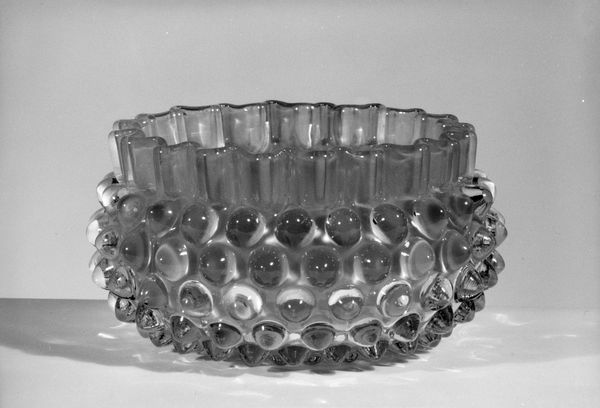
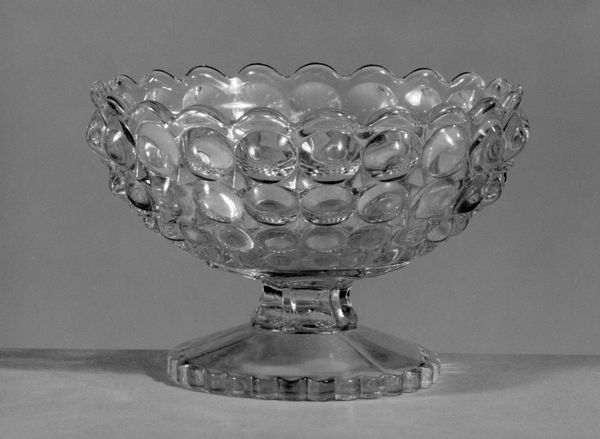
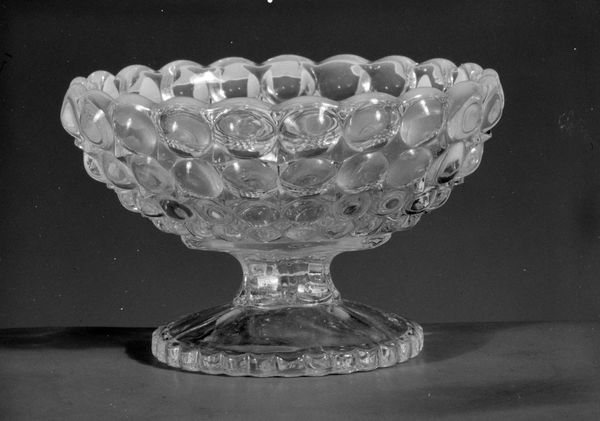
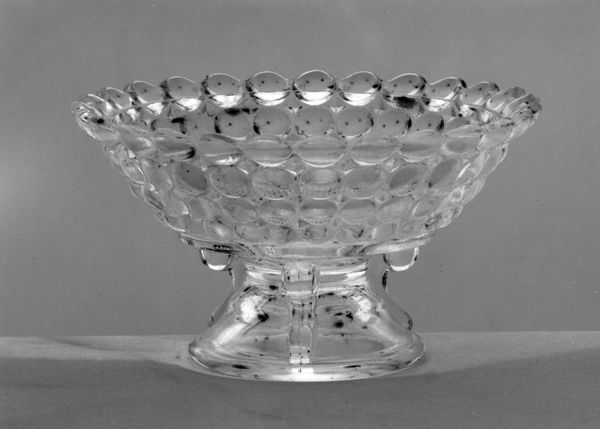
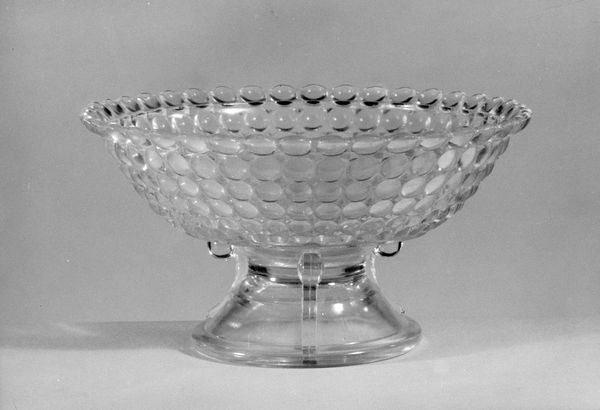
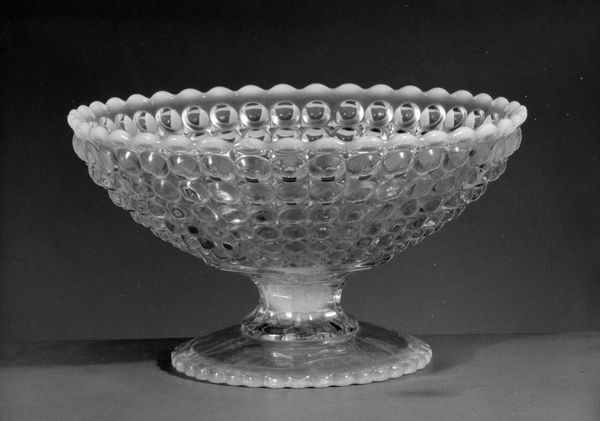
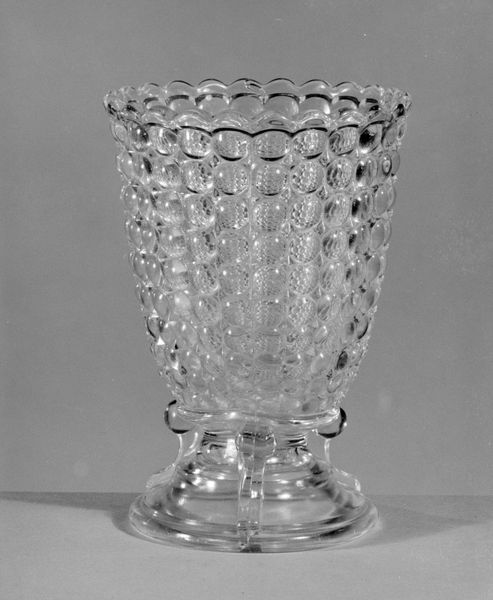
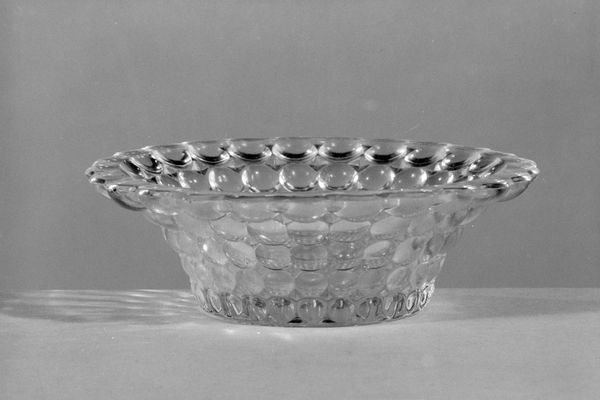
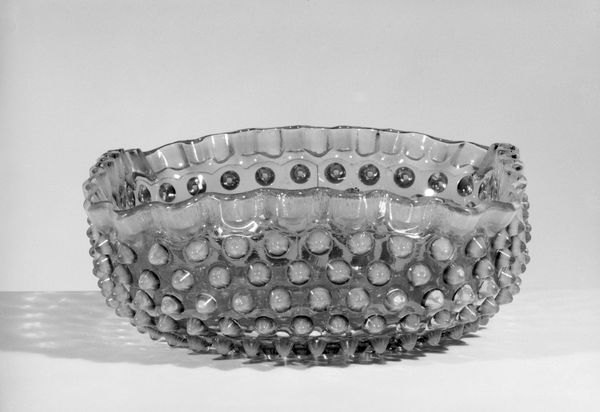
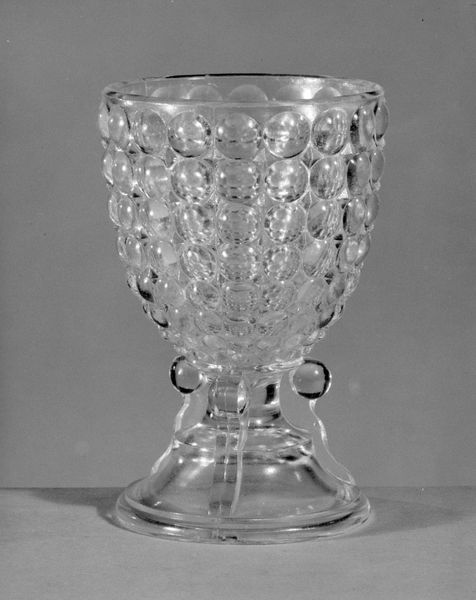
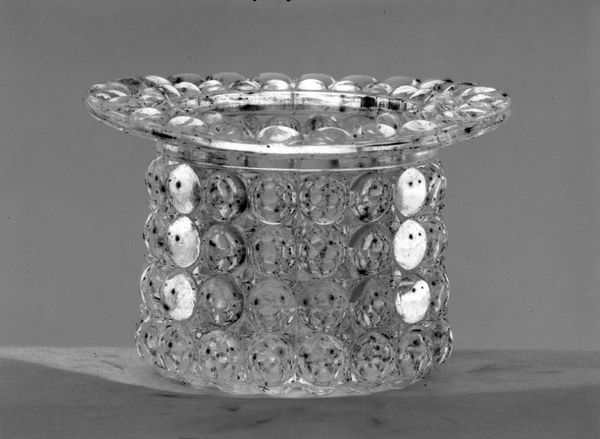
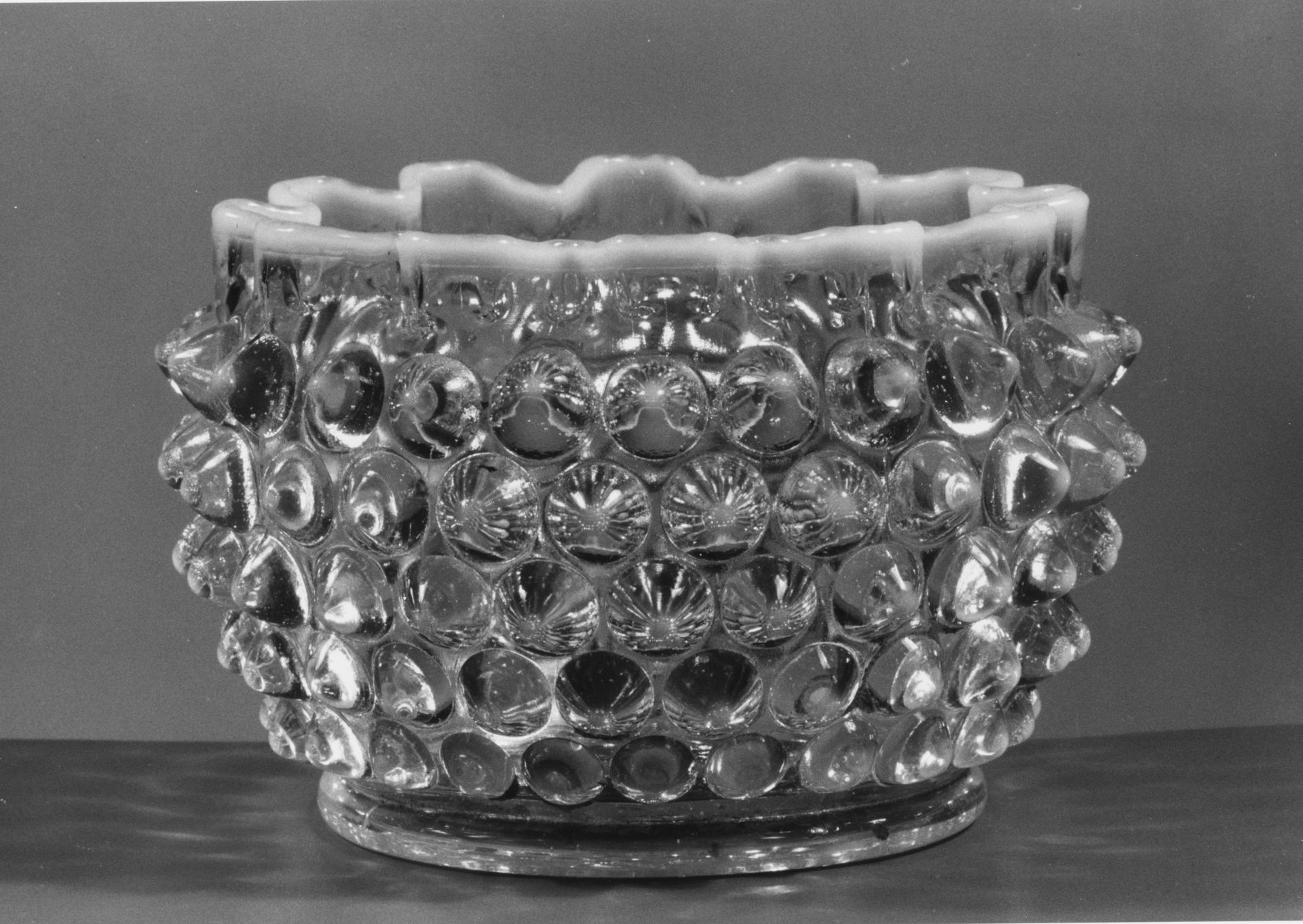
This hobnail finger bowl was made between 1863 and 1891 by Hobbs, Brockunier and Company. Its regular pattern of raised glass nodules creates a play of light, reflecting the industrialized aesthetic of its era. Produced during the American Gilded Age, this piece speaks to the transformation of glassmaking from a craft to a mass-production industry. Factories like Hobbs, Brockunier embraced new technologies that lowered costs and expanded markets. The "hobnail" design, achieved through molds, democratized access to luxury goods, making them available to the rising middle class. This institutional shift altered how people interacted with functional items: glass, once reserved for the wealthy, became part of everyday life. Understanding this finger bowl means looking beyond the object itself and researching the company's history, its production methods, and the social dynamics of the late 19th century.
Hobnail finger bowl
1887 - 1890

Hobbs, Brockunier and Company
1863 - 1891
The Metropolitan Museum of Art
Metropolitan Museum of Art, New York, NYArtwork details
- Medium
- glass, sculpture
- Dimensions
- H. 3 in. (7.6 cm); Diam. 4 3/4 in. (12.1 cm)
- Location
- Metropolitan Museum of Art, New York, NY
- Copyright
- Public Domain
Tags
Comments
Share your thoughts
About this artwork
This hobnail finger bowl was made between 1863 and 1891 by Hobbs, Brockunier and Company. Its regular pattern of raised glass nodules creates a play of light, reflecting the industrialized aesthetic of its era. Produced during the American Gilded Age, this piece speaks to the transformation of glassmaking from a craft to a mass-production industry. Factories like Hobbs, Brockunier embraced new technologies that lowered costs and expanded markets. The "hobnail" design, achieved through molds, democratized access to luxury goods, making them available to the rising middle class. This institutional shift altered how people interacted with functional items: glass, once reserved for the wealthy, became part of everyday life. Understanding this finger bowl means looking beyond the object itself and researching the company's history, its production methods, and the social dynamics of the late 19th century.
Comments
Share your thoughts