About this artwork
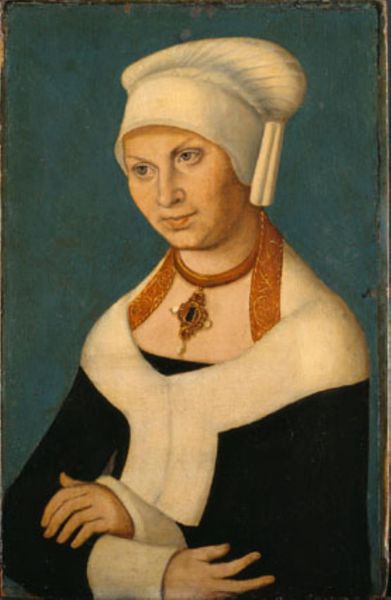
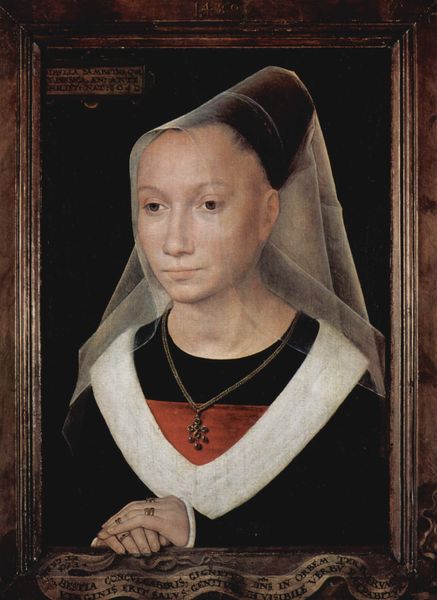
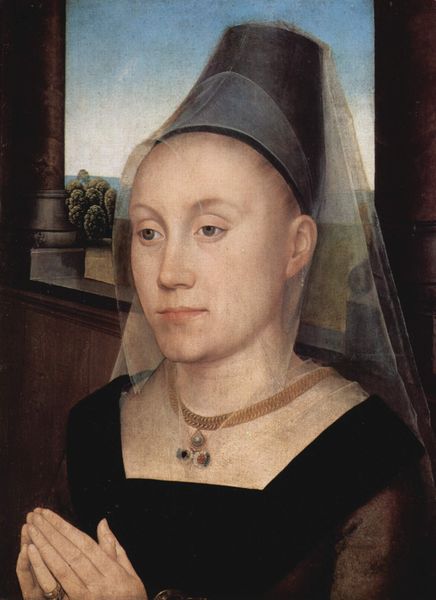
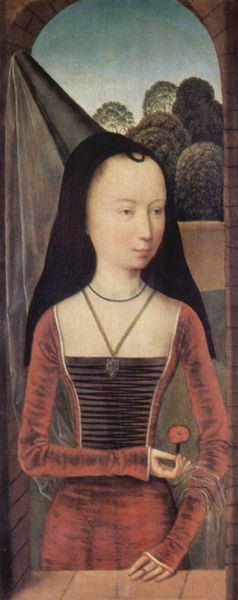
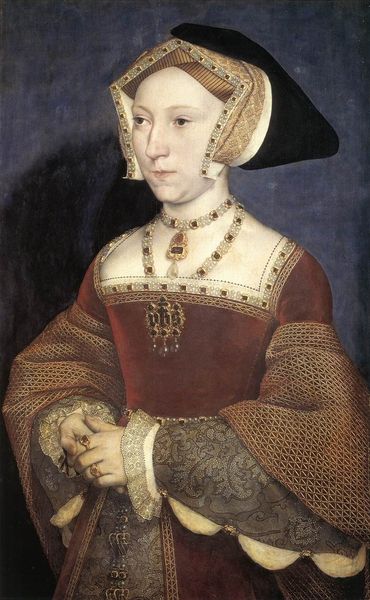
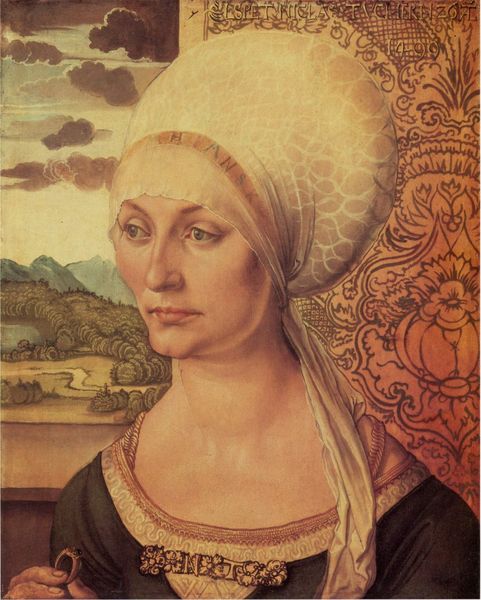
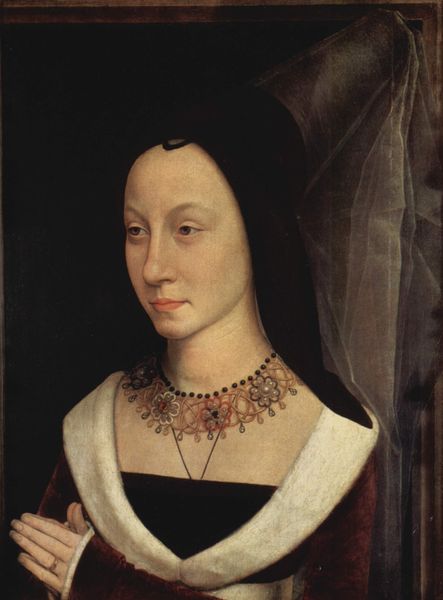
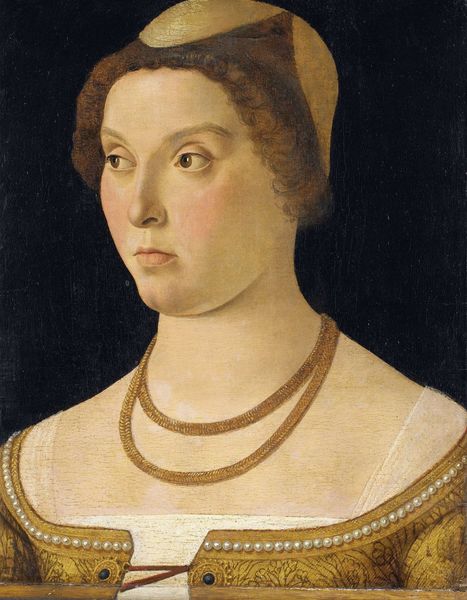
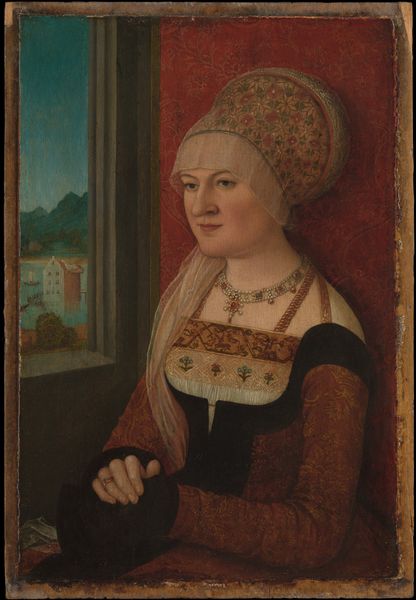
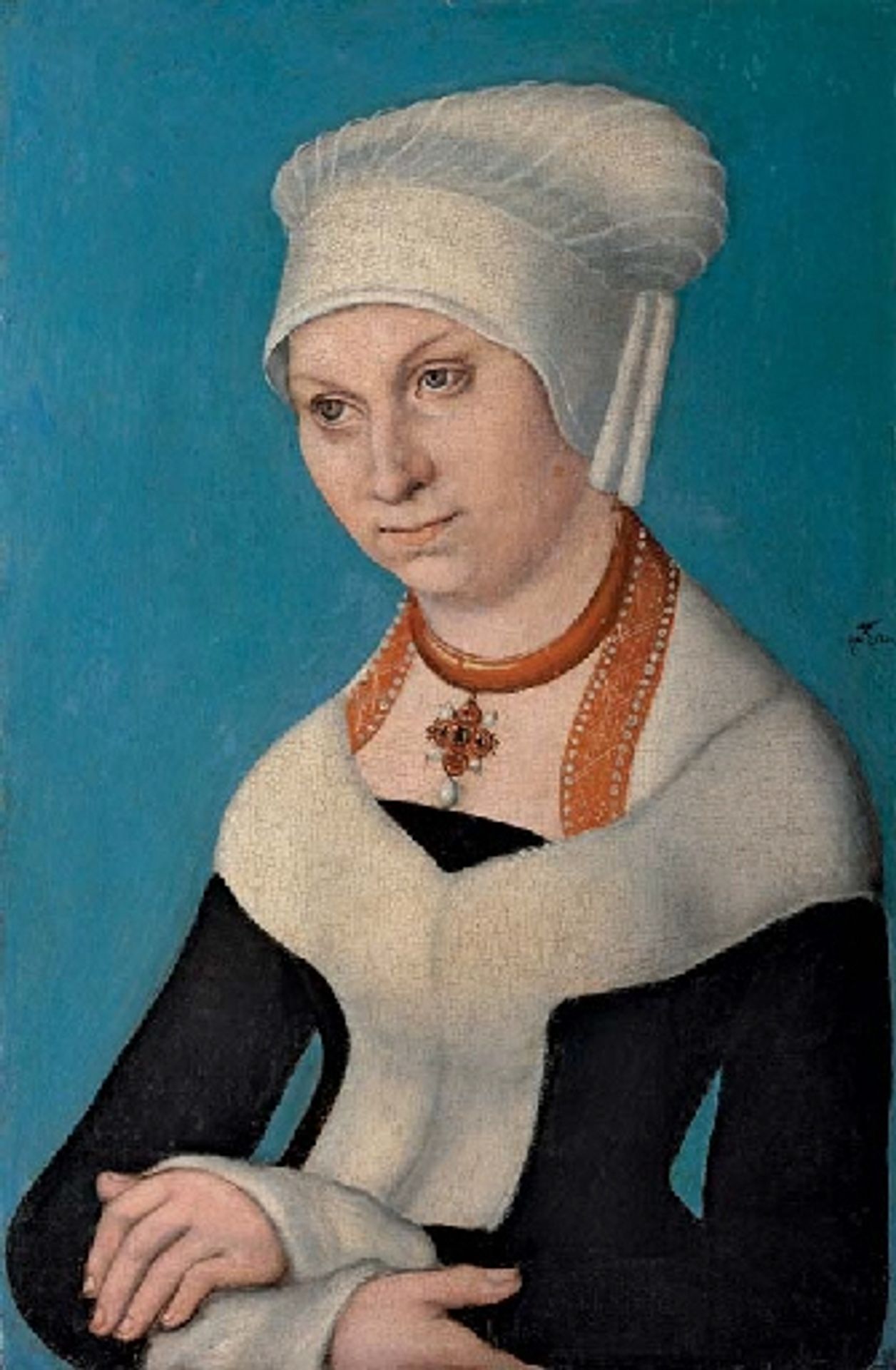
Lucas Cranach the Elder painted this portrait of Barbara, Duchess of Saxony, in Northern Europe, sometime in the first half of the 16th century. Commissioned portraits like this one acted as propaganda. It aimed to convey the power, status, and dynastic aspirations of its sitter, while simultaneously cementing the artist’s reputation. The way the Duchess is dressed in expensive fabrics and wears elaborate jewellery, signals her elite status. Cranach worked as court painter in Wittenberg, a city that was then at the heart of the Protestant Reformation. His religious allegiance gave him privileged access to members of the ruling elite. To better understand an artwork like this, art historians often turn to archival sources like letters, inventories, and guild records. These sources help us to more fully understand the economic and political circumstances that enabled its production. And, they help us to see how art objects both shape and reflect the values of the society in which they were made.
Portrait of Barbara, Duchess of Saxony 1500

Lucas Cranach the Elder
1472 - 1553Location
National Gallery of Denmark (Statens Museum for Kunst), Copenhagen, DenmarkArtwork details
- Medium
- painting, oil-paint
- Dimensions
- 36 x 23 cm
- Location
- National Gallery of Denmark (Statens Museum for Kunst), Copenhagen, Denmark
- Copyright
- Public domain
Tags
portrait
painting
oil-paint
11_renaissance
oil painting
history-painting
northern-renaissance
lady
portrait art
female-portraits
fine art portrait
Comments
No comments
About this artwork
Lucas Cranach the Elder painted this portrait of Barbara, Duchess of Saxony, in Northern Europe, sometime in the first half of the 16th century. Commissioned portraits like this one acted as propaganda. It aimed to convey the power, status, and dynastic aspirations of its sitter, while simultaneously cementing the artist’s reputation. The way the Duchess is dressed in expensive fabrics and wears elaborate jewellery, signals her elite status. Cranach worked as court painter in Wittenberg, a city that was then at the heart of the Protestant Reformation. His religious allegiance gave him privileged access to members of the ruling elite. To better understand an artwork like this, art historians often turn to archival sources like letters, inventories, and guild records. These sources help us to more fully understand the economic and political circumstances that enabled its production. And, they help us to see how art objects both shape and reflect the values of the society in which they were made.
Comments
No comments