About this artwork
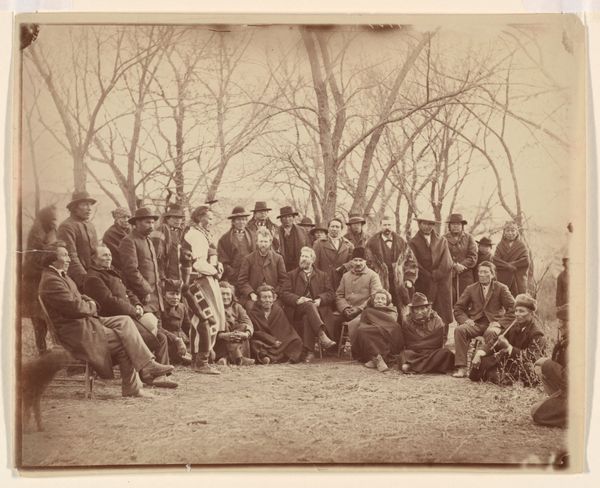
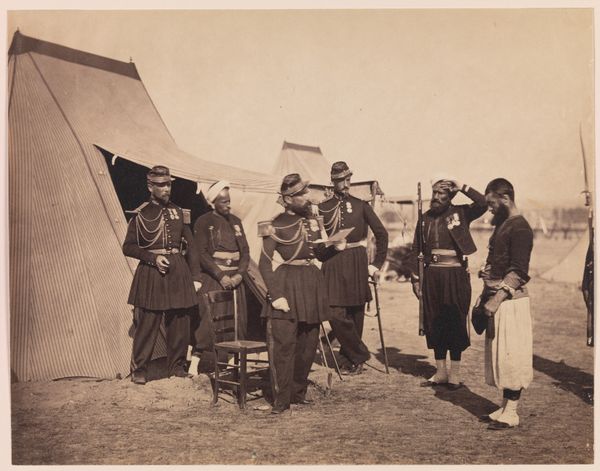
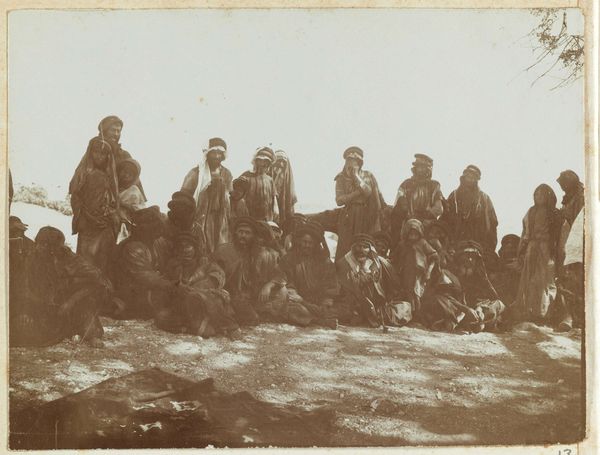
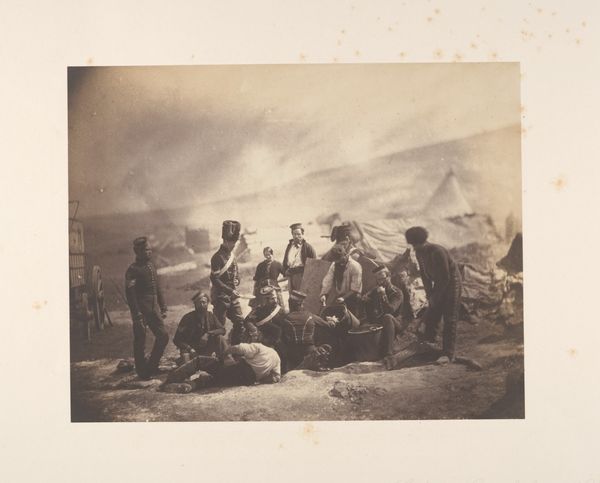
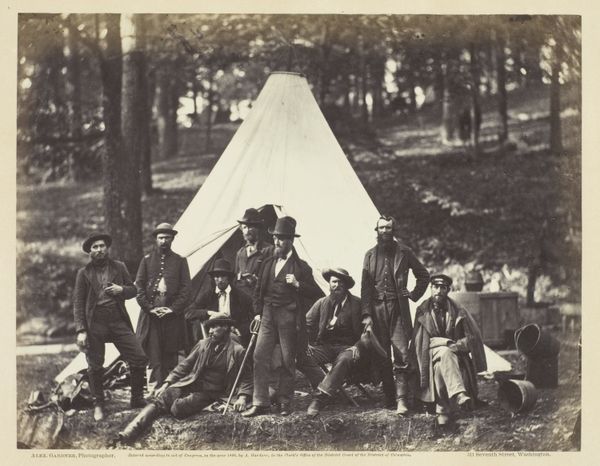
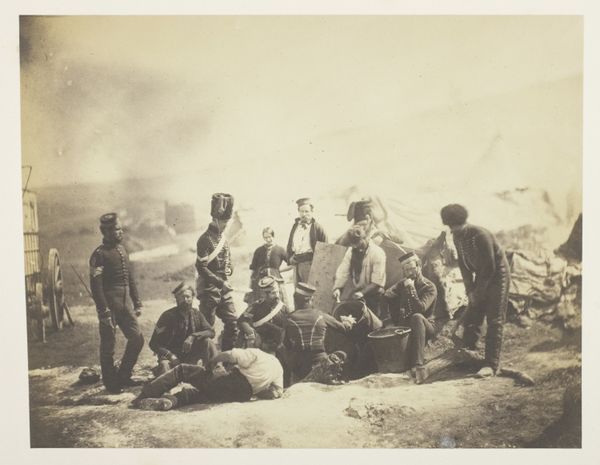
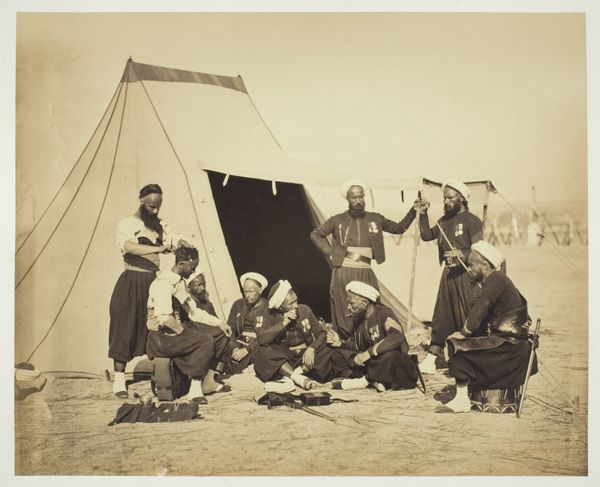
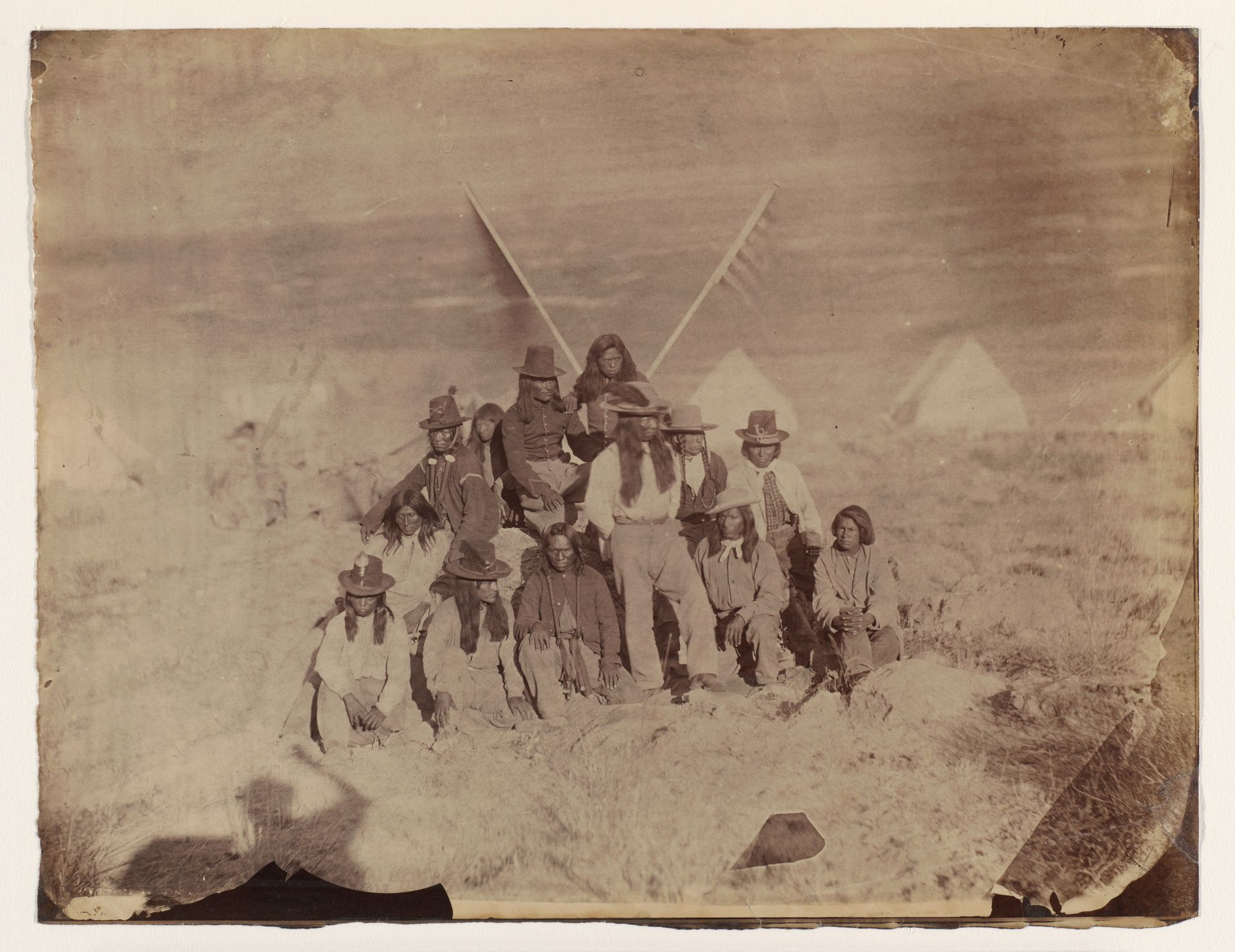
Timothy O'Sullivan made this albumen silver print, titled "Shoshone," during a time of intense westward expansion in the United States. O'Sullivan worked for the U.S. government, documenting the Western landscape and its inhabitants, including Native American tribes. The photograph depicts a group of Shoshone people posed in front of what looks like a camp. Consider the power dynamics at play here: O'Sullivan, as a representative of the U.S. government, held significant authority in dictating how these individuals and their culture were represented. The Shoshone are seen through the lens of a dominant, colonizing culture. What does it mean to fix their image in a moment of such intense cultural disruption? What stories are silenced, and what narratives are amplified through this selective framing? This photograph is a potent reminder of the complexities inherent in documenting marginalized communities and the importance of critically examining the historical context in which such images are produced and consumed.
Shoshone 1867 - 1872


Artwork details
- Dimensions
- Image: 22.9 x 29 cm (9 x 11 7/16 in.)
- Location
- Metropolitan Museum of Art, New York, NY
- Copyright
- Public Domain
Tags
portrait
toned paper
light pencil work
pencil sketch
charcoal drawing
possibly oil pastel
charcoal art
underpainting
men
watercolour bleed
watercolour illustration
watercolor
Comments
No comments
About this artwork
Timothy O'Sullivan made this albumen silver print, titled "Shoshone," during a time of intense westward expansion in the United States. O'Sullivan worked for the U.S. government, documenting the Western landscape and its inhabitants, including Native American tribes. The photograph depicts a group of Shoshone people posed in front of what looks like a camp. Consider the power dynamics at play here: O'Sullivan, as a representative of the U.S. government, held significant authority in dictating how these individuals and their culture were represented. The Shoshone are seen through the lens of a dominant, colonizing culture. What does it mean to fix their image in a moment of such intense cultural disruption? What stories are silenced, and what narratives are amplified through this selective framing? This photograph is a potent reminder of the complexities inherent in documenting marginalized communities and the importance of critically examining the historical context in which such images are produced and consumed.
Comments
No comments