About this artwork
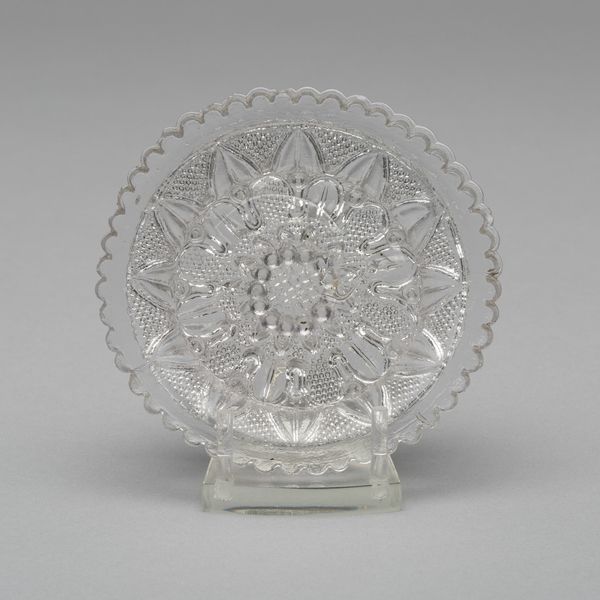
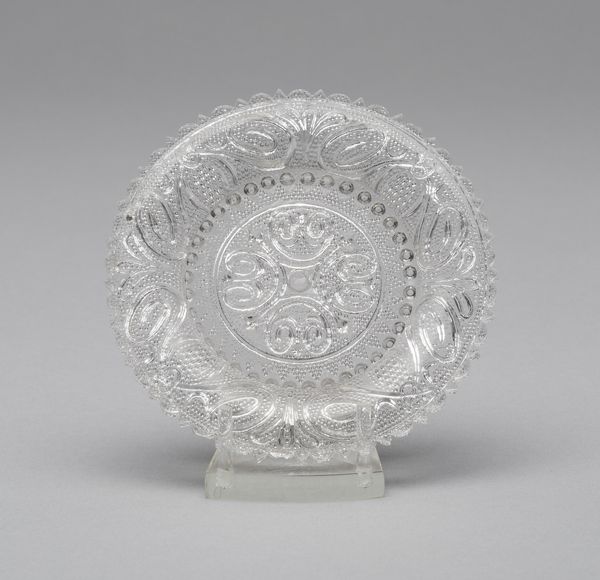
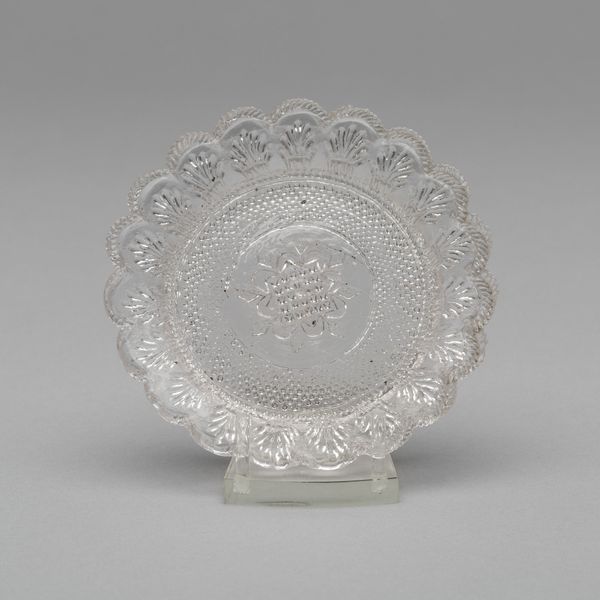
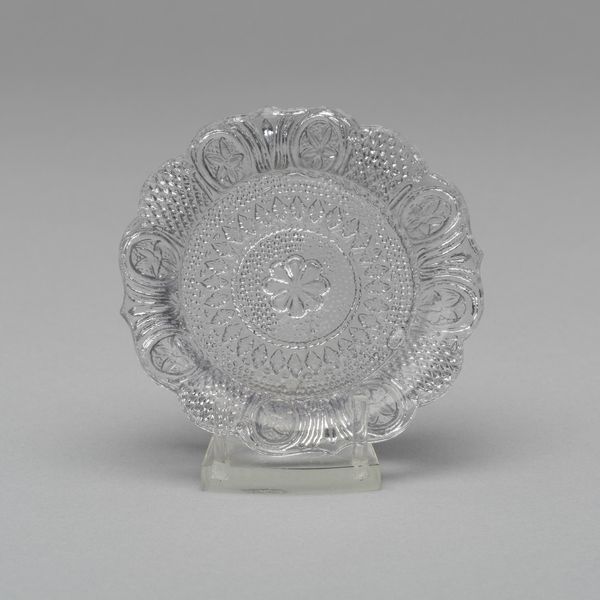
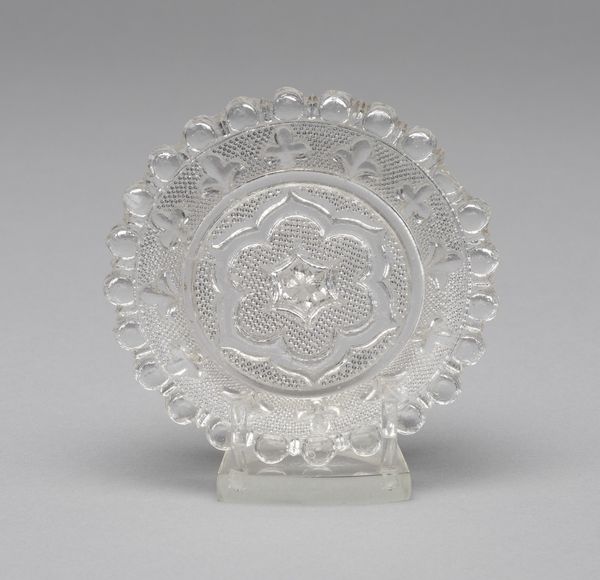
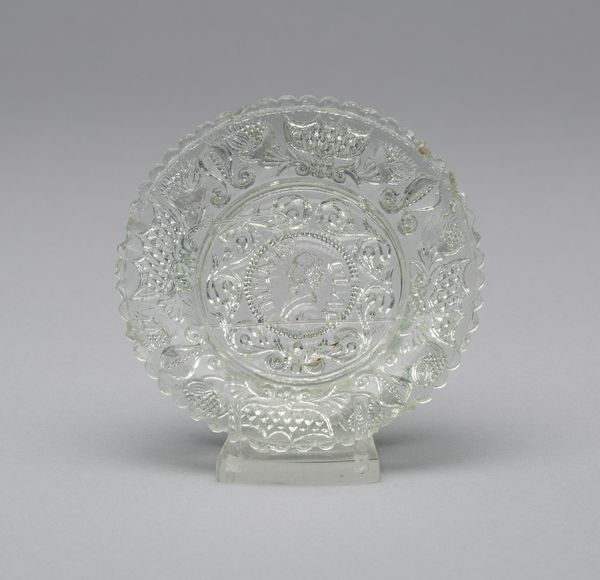
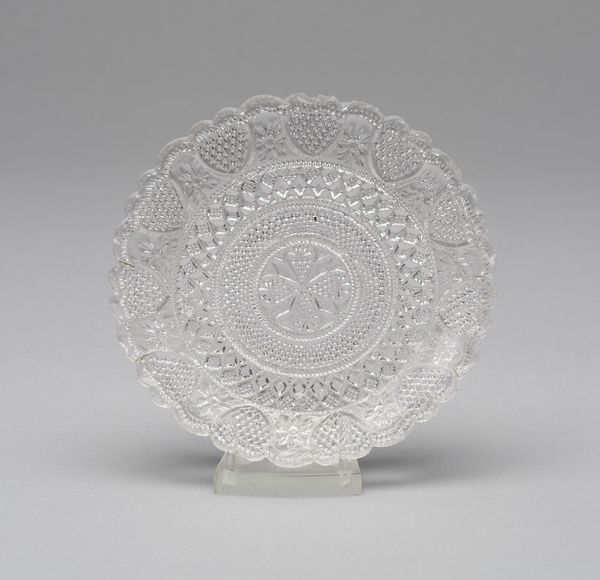
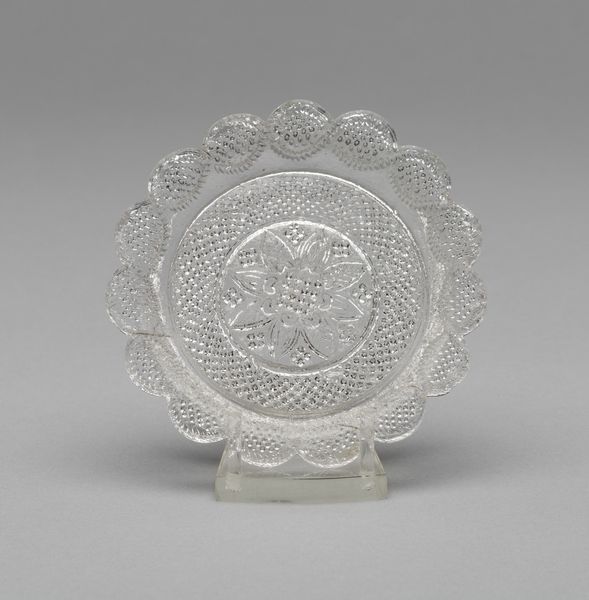
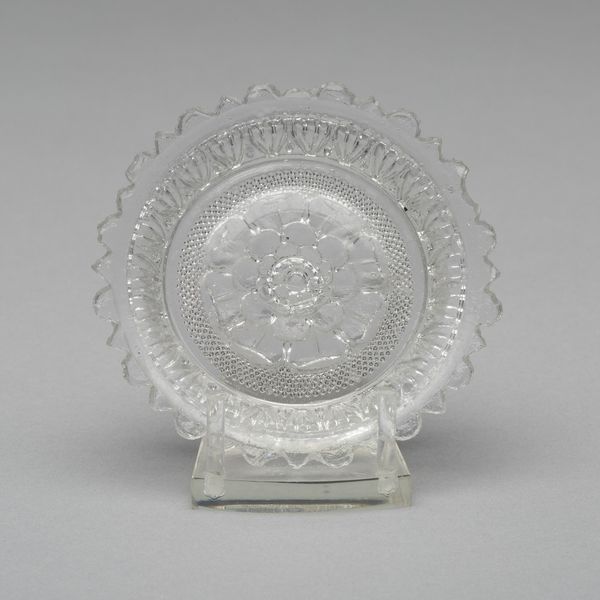
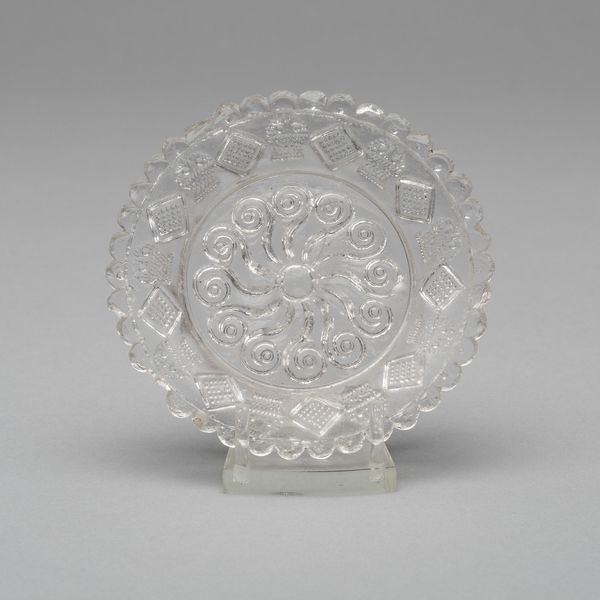
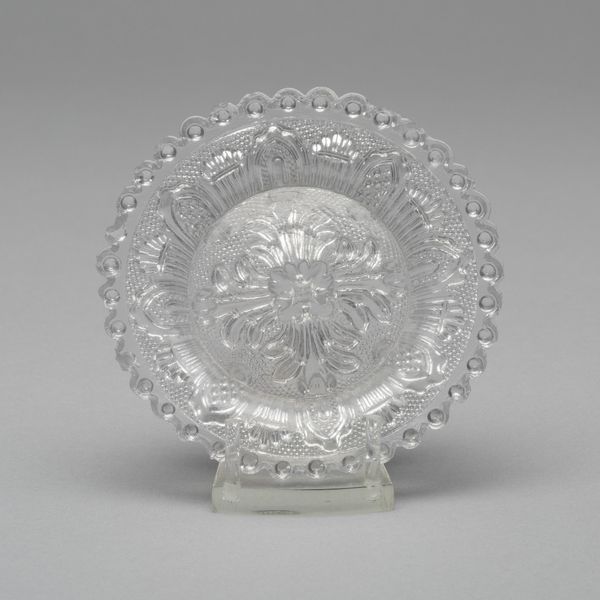
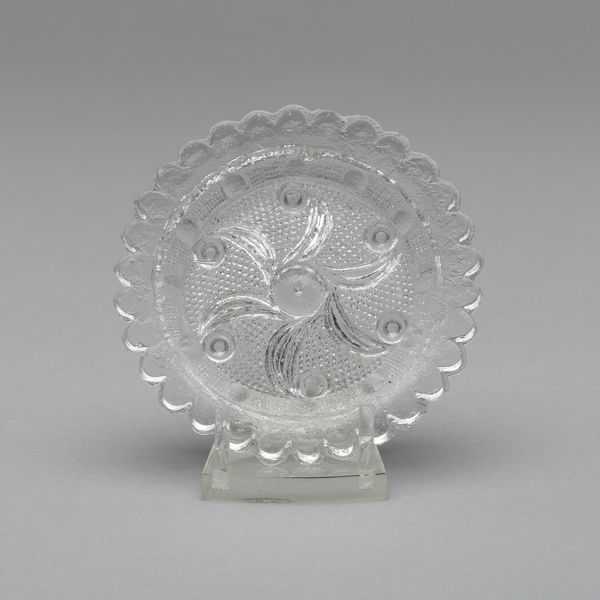
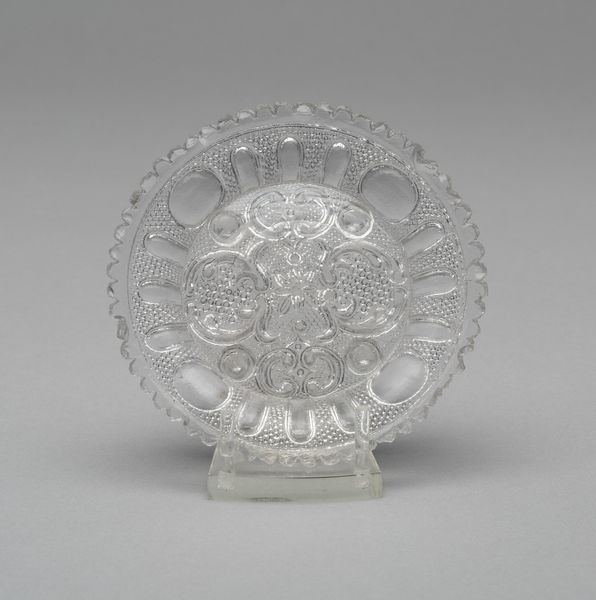
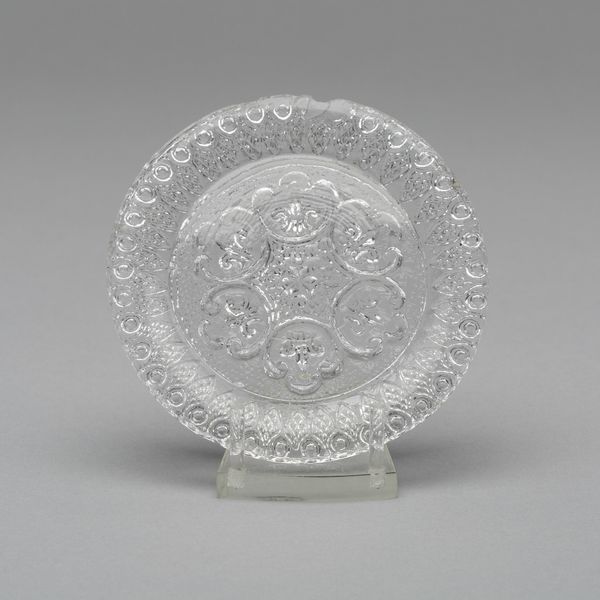
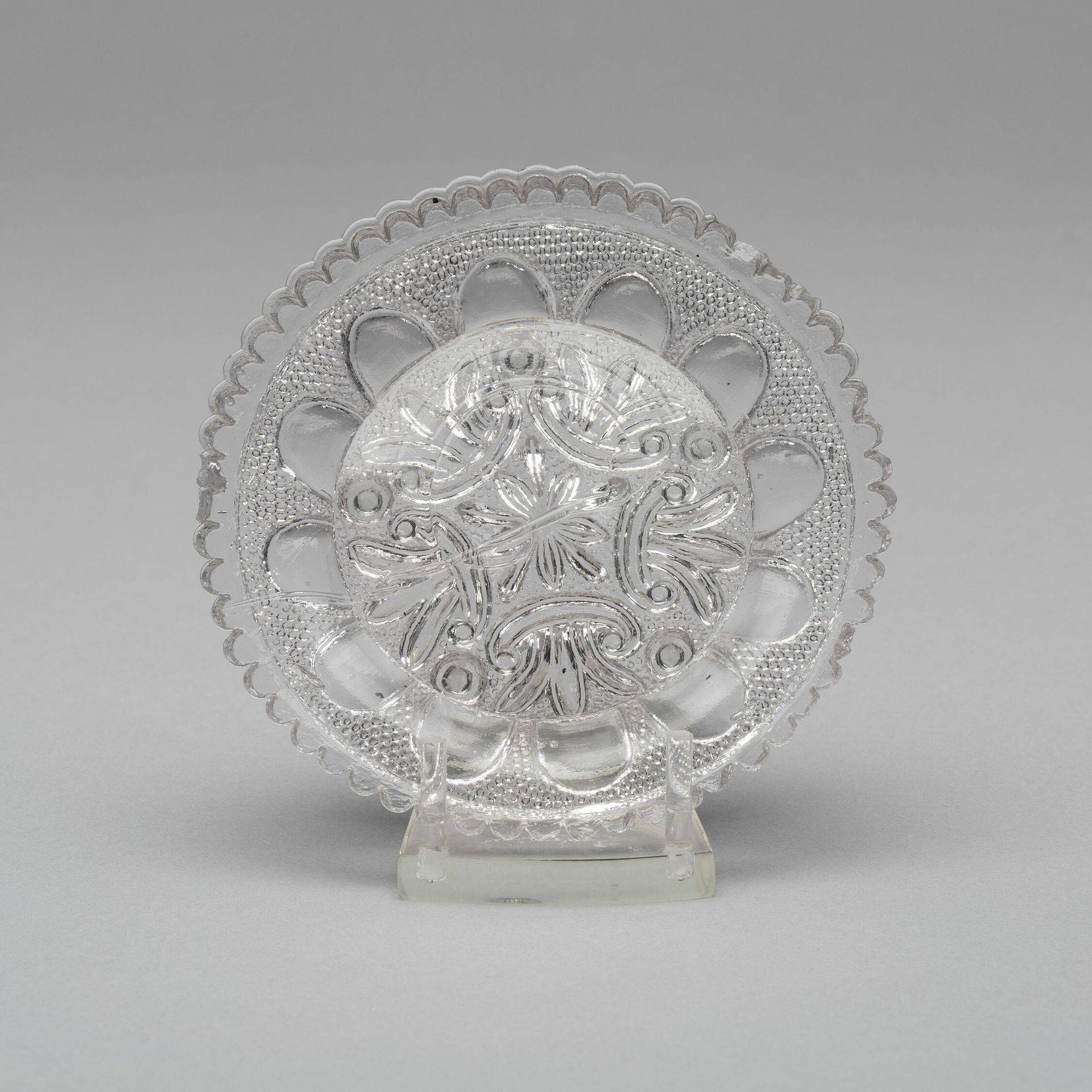
This cup plate of unknown date and authorship resides here at the Art Institute of Chicago. The plate is rendered in clear glass, catching the light and throwing prismatic refractions, inviting a study of its form and function. The design, pressed into the glass, features a complex geometry. Notice the radiating symmetry of its central medallion, surrounded by scalloped edges. The interplay of clear and textured surfaces creates a dynamic visual field, turning a utilitarian object into a piece of decorative art. Historically, these small plates were used to hold teacups, preventing spills. However, their intricate designs suggest an intention beyond mere utility. The anonymous creator has transformed a mundane object into a thing of beauty, inviting us to reconsider the boundary between art and everyday life. This interplay challenges traditional hierarchies of value, suggesting that beauty and complexity can be found in the most unexpected places.
Cup plate
1830 - 1835


Artwork details
- Medium
- glass
- Dimensions
- diam. 8.7 cm (3 7/16 in.)
- Location
- The Art Institute of Chicago
- Copyright
- Public Domain
Tags
Comments
Share your thoughts
About this artwork
This cup plate of unknown date and authorship resides here at the Art Institute of Chicago. The plate is rendered in clear glass, catching the light and throwing prismatic refractions, inviting a study of its form and function. The design, pressed into the glass, features a complex geometry. Notice the radiating symmetry of its central medallion, surrounded by scalloped edges. The interplay of clear and textured surfaces creates a dynamic visual field, turning a utilitarian object into a piece of decorative art. Historically, these small plates were used to hold teacups, preventing spills. However, their intricate designs suggest an intention beyond mere utility. The anonymous creator has transformed a mundane object into a thing of beauty, inviting us to reconsider the boundary between art and everyday life. This interplay challenges traditional hierarchies of value, suggesting that beauty and complexity can be found in the most unexpected places.
Comments
Share your thoughts