About this artwork
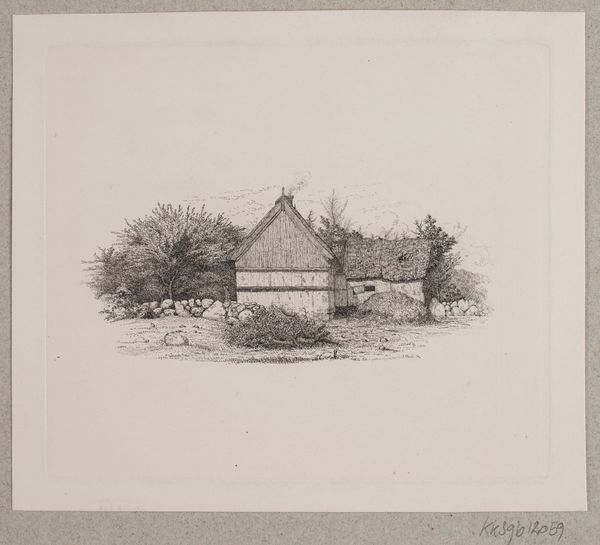
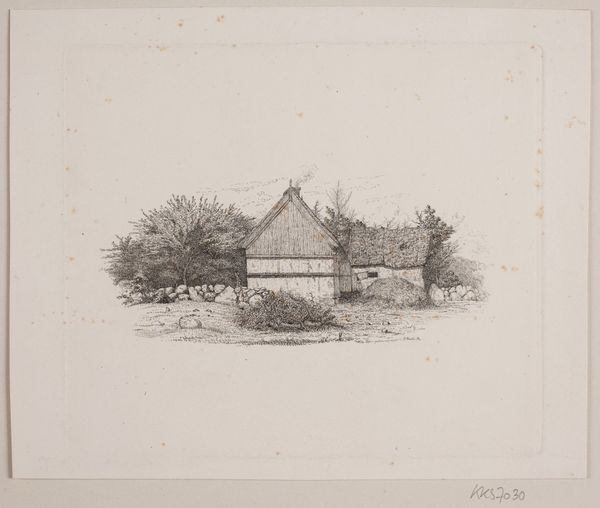
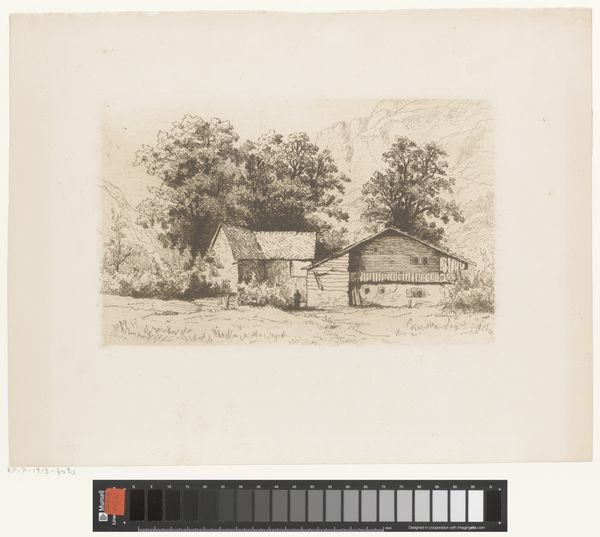
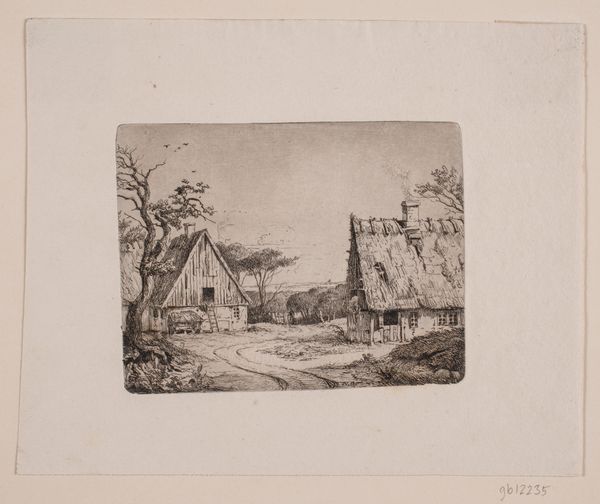
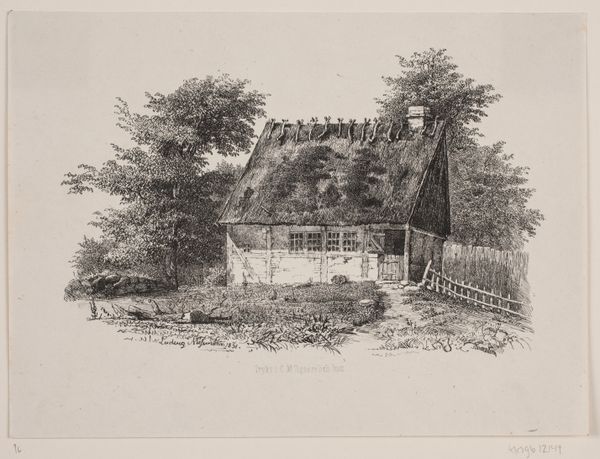
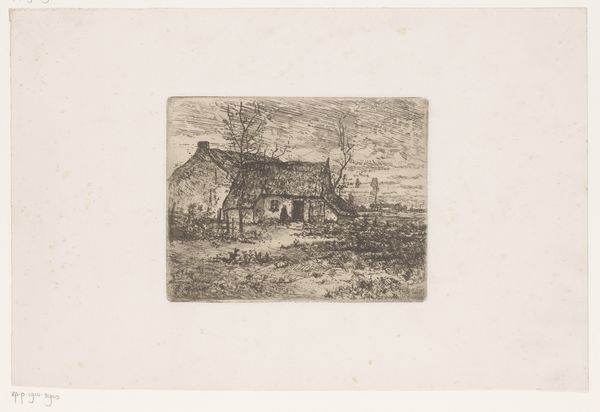
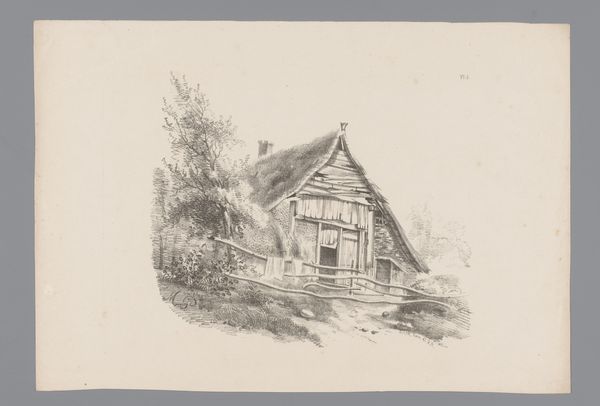
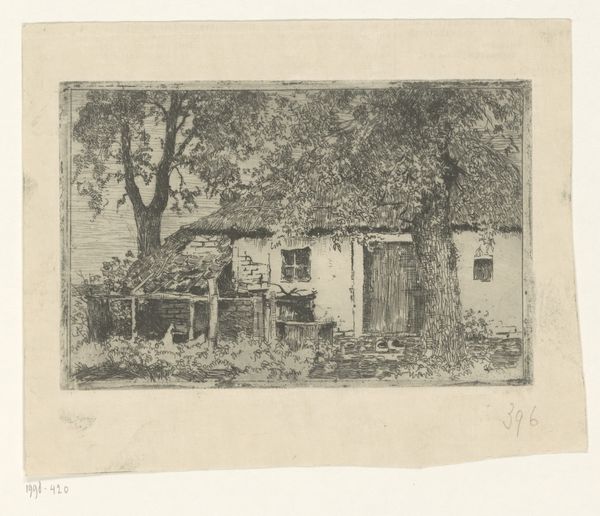
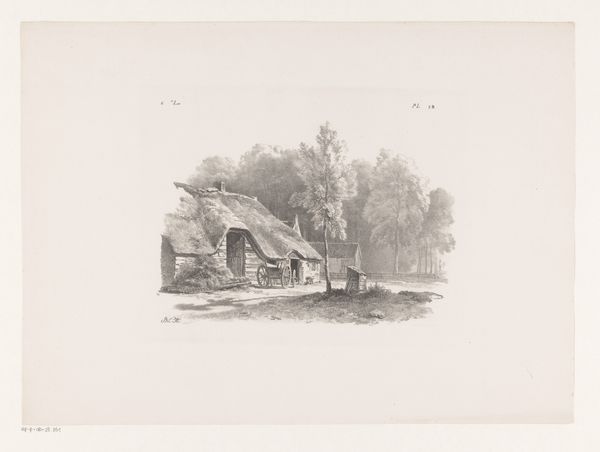
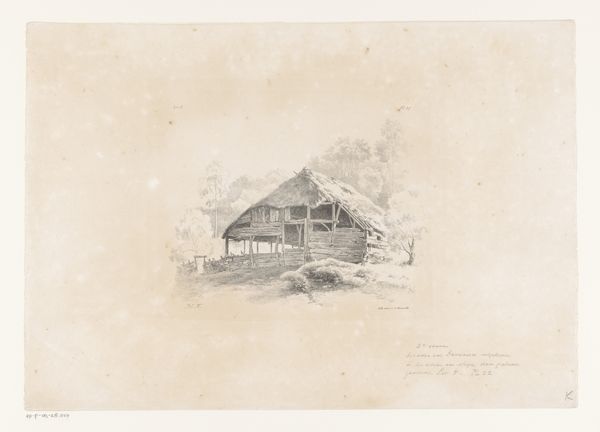
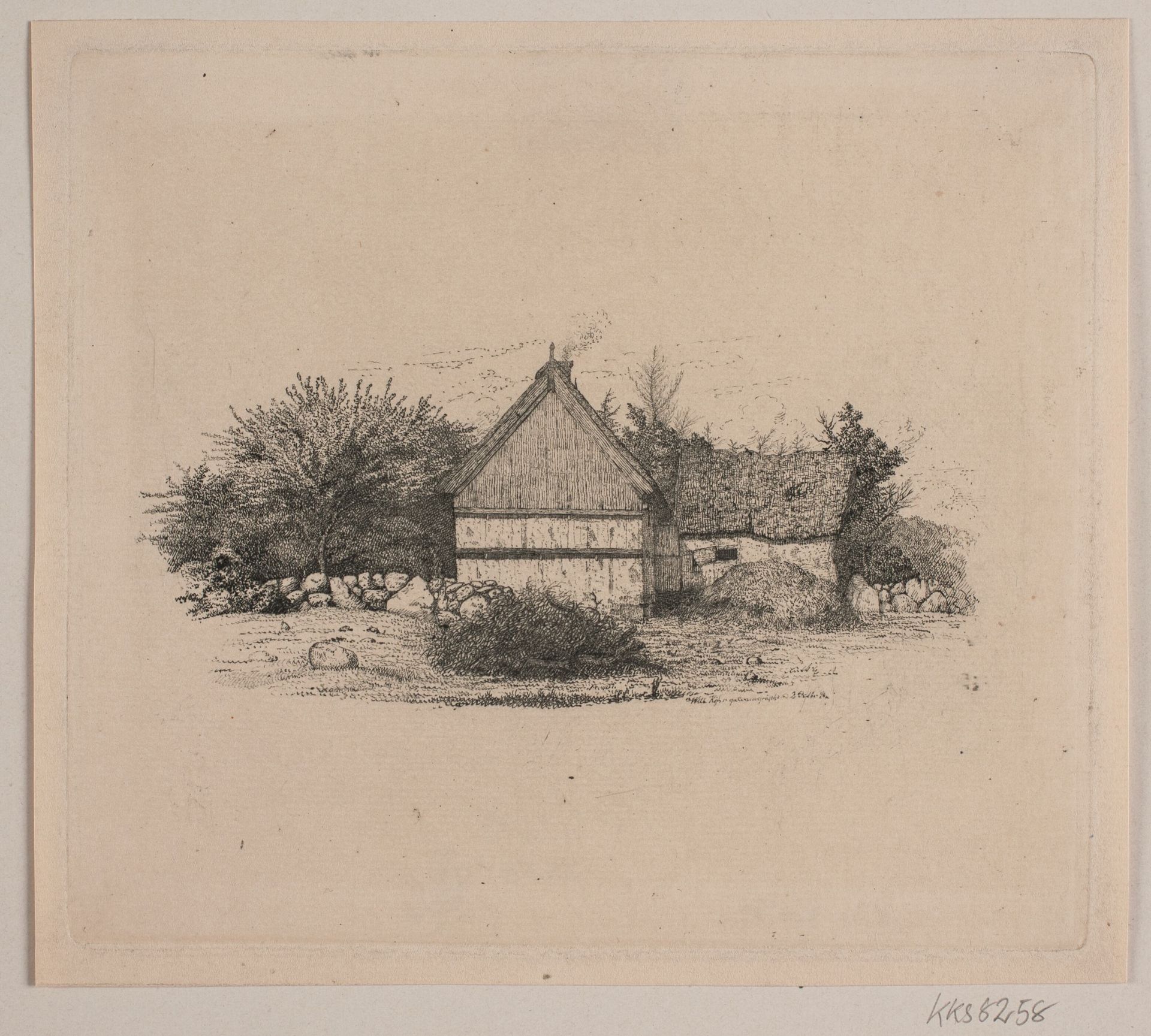
Vilhelm Kyhn made this etching of a farmhouse, sometime in the 19th century. Kyhn was invested in representing the Danish landscape and rural life, and he played a key role in establishing landscape painting as a distinct genre in Danish art. Looking at the image, it’s hard not to think about the social and cultural values attached to rural life in 19th-century Denmark. As industrialization and urbanization increased, there was a nostalgic turn towards the countryside as the repository of authentic national values and a simpler way of life. Artists and writers, like Kyhn, were actively involved in shaping these ideas. The thatched roof cottage, the rough stone walls, and the surrounding vegetation all contribute to the sense of an unadorned, honest life lived close to the land. To understand this print better, it would be useful to research the writings of the period as well as the history of Danish art institutions. Through this, we can consider the ways in which Kyhn's work both reflected and contributed to the cultural construction of Danish national identity.
Et bondehus 1842


Artwork details
- Medium
- print, etching
- Dimensions
- 143 mm (height) x 165 mm (width) (plademaal)
- Location
- SMK - Statens Museum for Kunst
Tags
etching
landscape
etching
genre-painting
Comments
No comments
About this artwork
Vilhelm Kyhn made this etching of a farmhouse, sometime in the 19th century. Kyhn was invested in representing the Danish landscape and rural life, and he played a key role in establishing landscape painting as a distinct genre in Danish art. Looking at the image, it’s hard not to think about the social and cultural values attached to rural life in 19th-century Denmark. As industrialization and urbanization increased, there was a nostalgic turn towards the countryside as the repository of authentic national values and a simpler way of life. Artists and writers, like Kyhn, were actively involved in shaping these ideas. The thatched roof cottage, the rough stone walls, and the surrounding vegetation all contribute to the sense of an unadorned, honest life lived close to the land. To understand this print better, it would be useful to research the writings of the period as well as the history of Danish art institutions. Through this, we can consider the ways in which Kyhn's work both reflected and contributed to the cultural construction of Danish national identity.
Comments
No comments