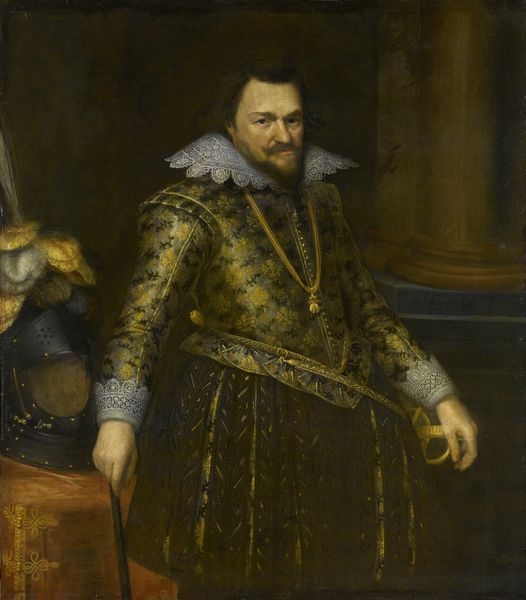
c. 1632
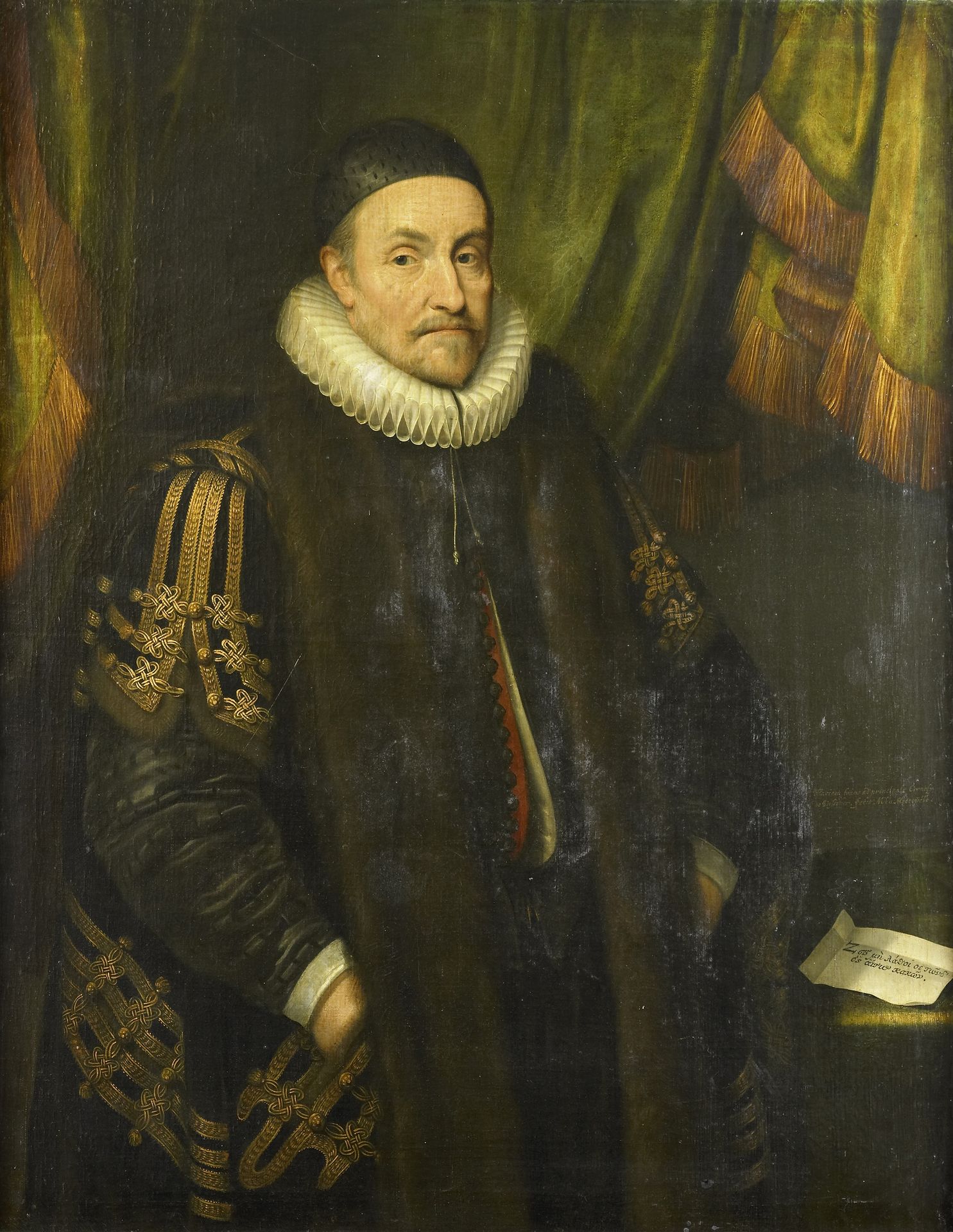
Portrait of Willem I (1533-84), Prince of Orange, called William the Silent

Michiel Jansz. van Mierevelt
1567 - 1641Location
RijksmuseumListen to curator's interpretation
Curatorial notes
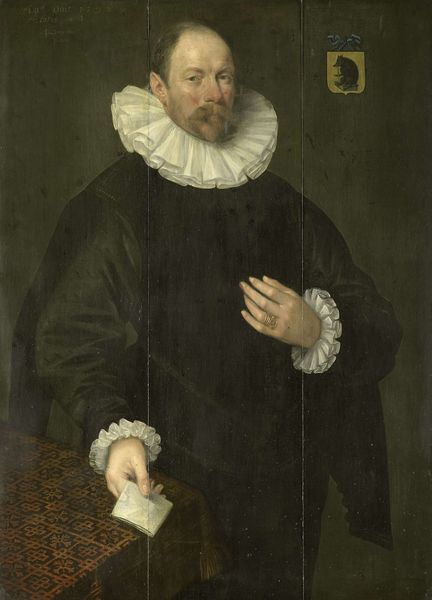
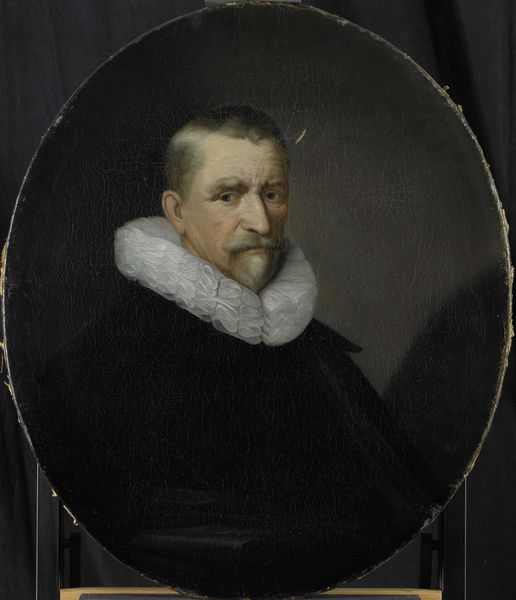
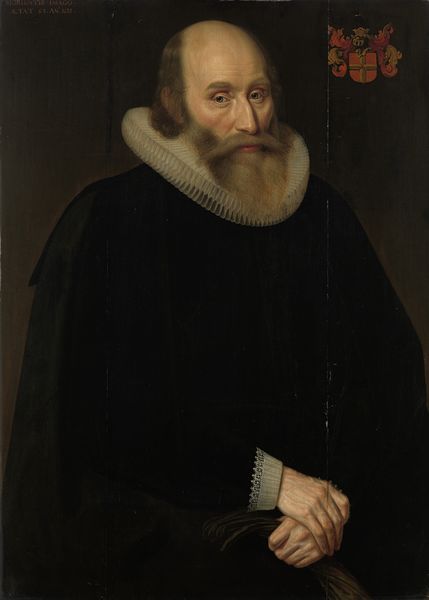
Michiel Jansz. van Mierevelt painted this portrait of Willem I, Prince of Orange, sometime in the early 17th century. It depicts a man who played a pivotal role in Dutch history. Painted during the Dutch Golden Age, this portrait reflects the period’s complex relationship with its own revolution. On the one hand, the trappings of wealth, such as his clothing, indicate the power of the sitter and the importance of commerce to Dutch society. Yet on the other, the relative simplicity and somber tone of the painting can be interpreted as a reflection of Dutch Calvinist values, which stressed humility. Mierevelt also subtly acknowledges the role of the aristocracy in Dutch society, which although diminished, remained significant. The historian brings these elements together using source material such as political pamphlets, religious sermons, and economic reports to interpret the painting’s meaning.