About this artwork
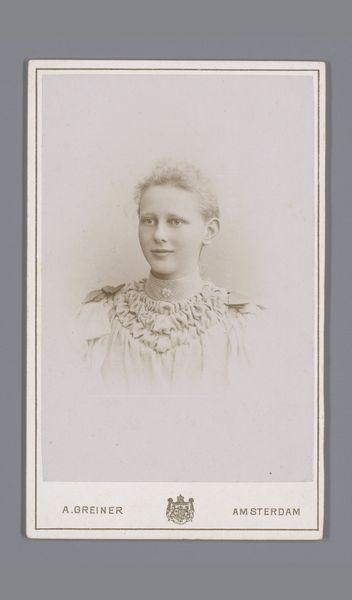
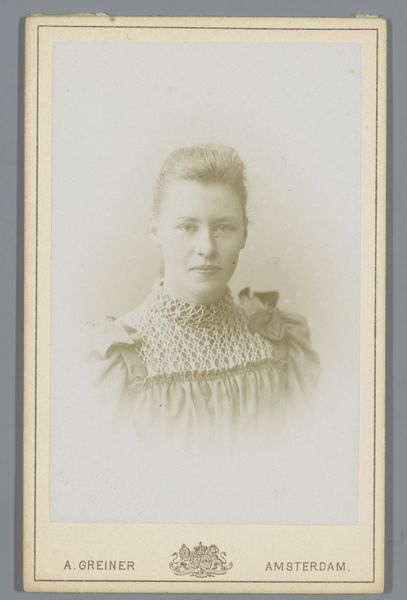
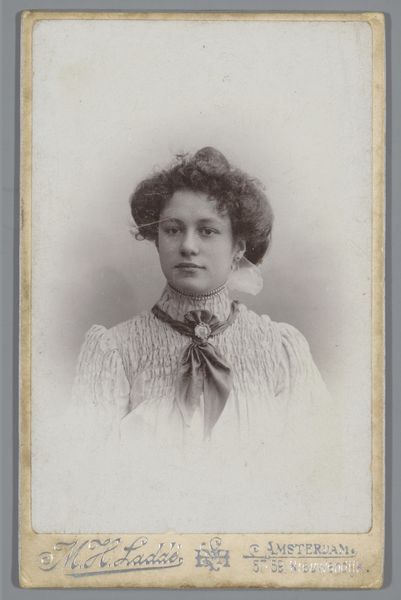
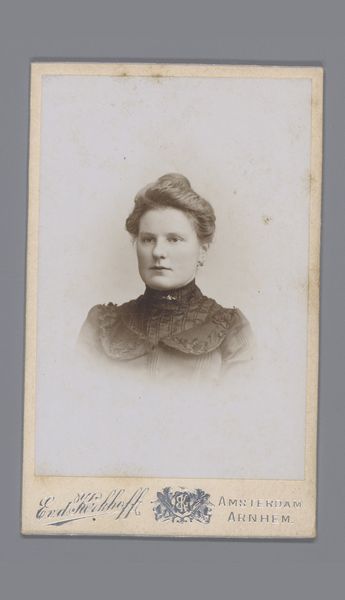
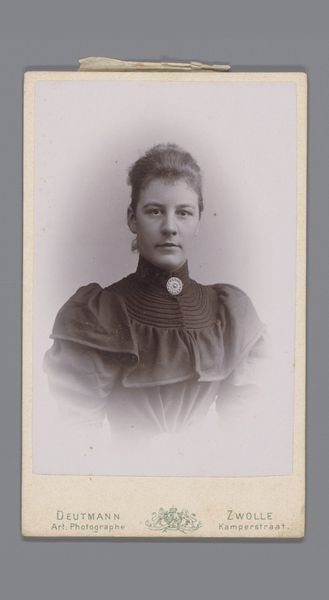
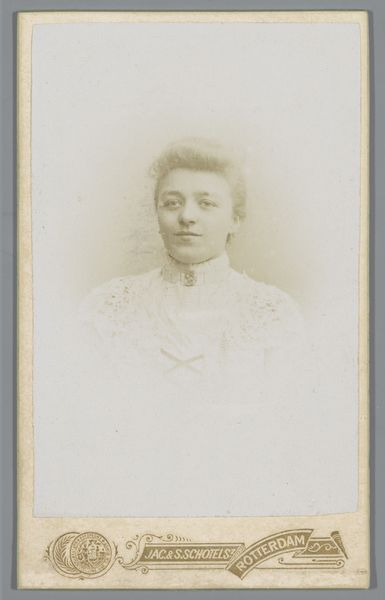
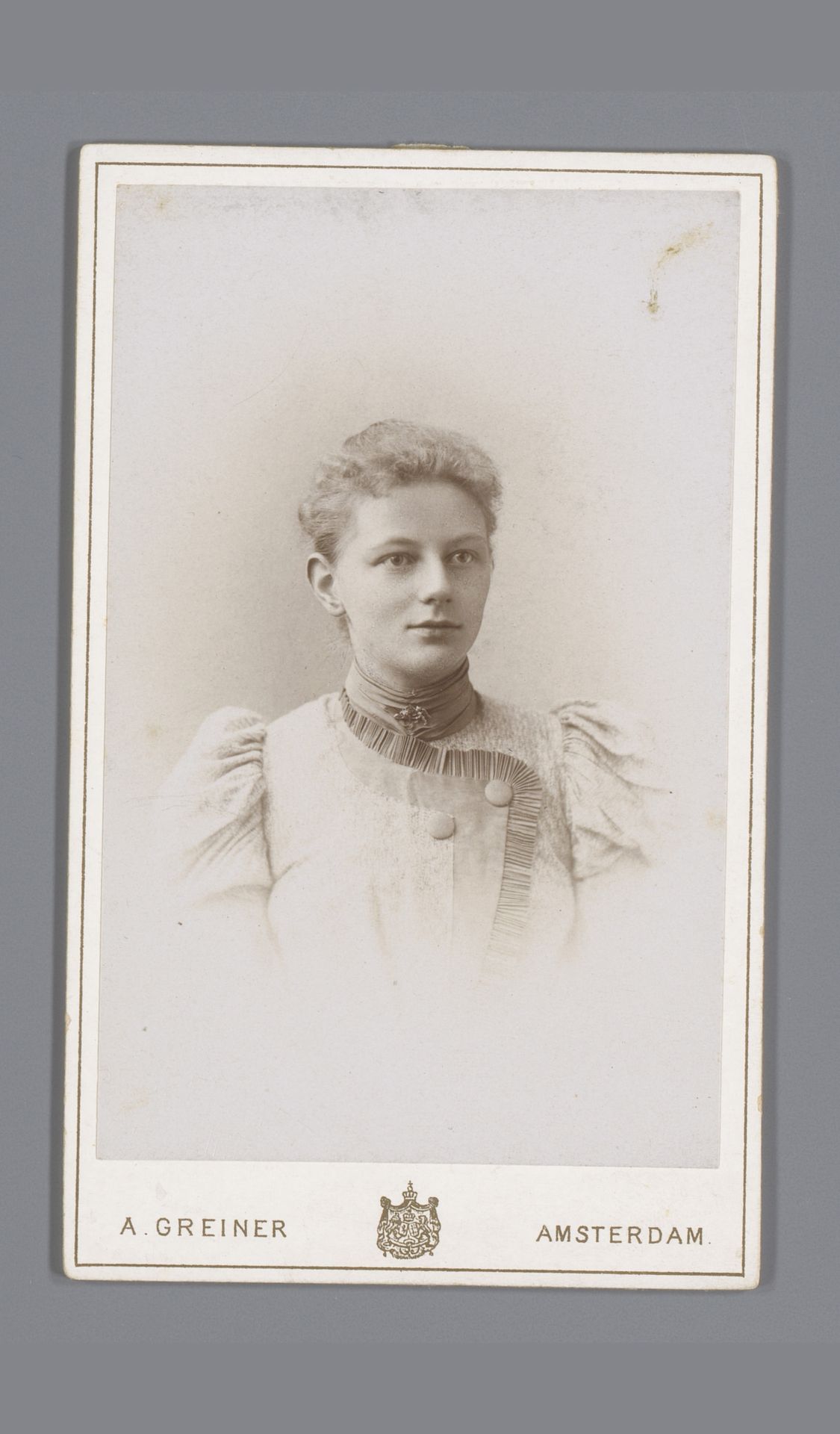
Albert Greiner made this portrait of Rich Holsboer Eschauzier in Amsterdam, likely in the late 19th century, using photography. Portraits like this one were a way for individuals to present themselves to society. This was a time of emerging middle classes and photography was one way to access the traditional function of painting as a signifier of status. The carefully chosen clothing, the pose, the setting, all of these elements speak to the sitter's social standing and aspirations. The rise of photography studios like Greiner's democratized portraiture, making it accessible to a wider segment of society. To fully understand this image, we'd look into the history of photography in the Netherlands and the role of portraiture in shaping social identities. Research into the Holsboer Eschauzier family might reveal the sitter's place in society and her own aspirations.
Portret van Rich Holsboer Eschauzier 1884 - 1887

Albert Greiner
1833 - 1890Location
RijksmuseumArtwork details
- Medium
- photography, gelatin-silver-print
- Dimensions
- height 103 mm, width 64 mm
- Location
- Rijksmuseum
- Copyright
- Rijks Museum: Open Domain
Tags
portrait
photography
gelatin-silver-print
Comments
No comments
About this artwork
Albert Greiner made this portrait of Rich Holsboer Eschauzier in Amsterdam, likely in the late 19th century, using photography. Portraits like this one were a way for individuals to present themselves to society. This was a time of emerging middle classes and photography was one way to access the traditional function of painting as a signifier of status. The carefully chosen clothing, the pose, the setting, all of these elements speak to the sitter's social standing and aspirations. The rise of photography studios like Greiner's democratized portraiture, making it accessible to a wider segment of society. To fully understand this image, we'd look into the history of photography in the Netherlands and the role of portraiture in shaping social identities. Research into the Holsboer Eschauzier family might reveal the sitter's place in society and her own aspirations.
Comments
No comments