About this artwork
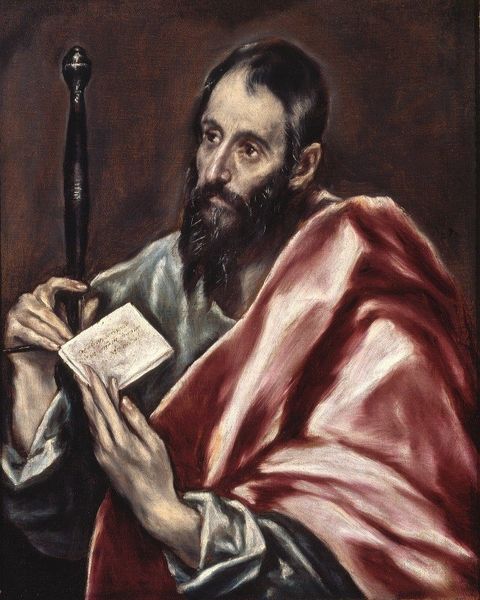
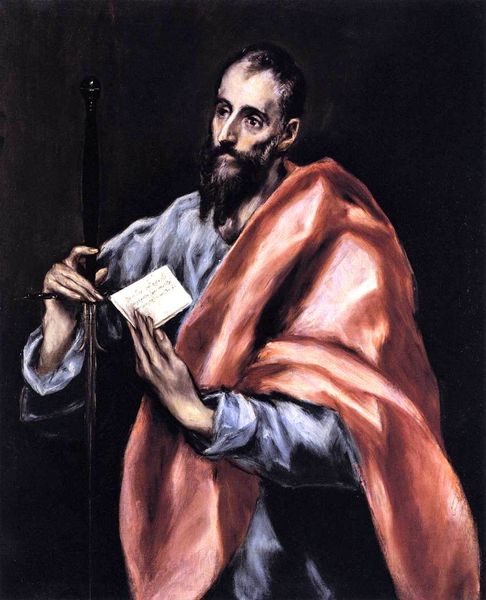
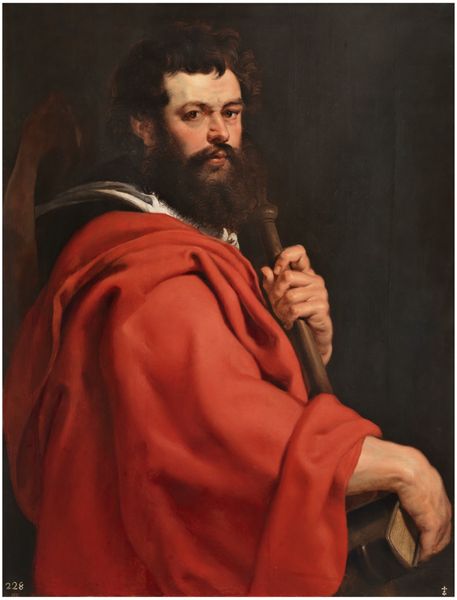
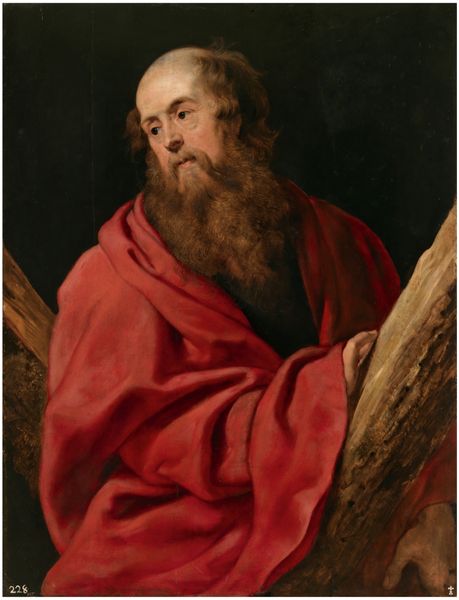
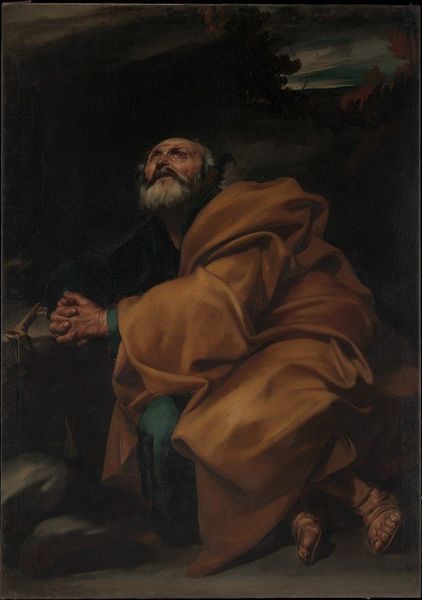
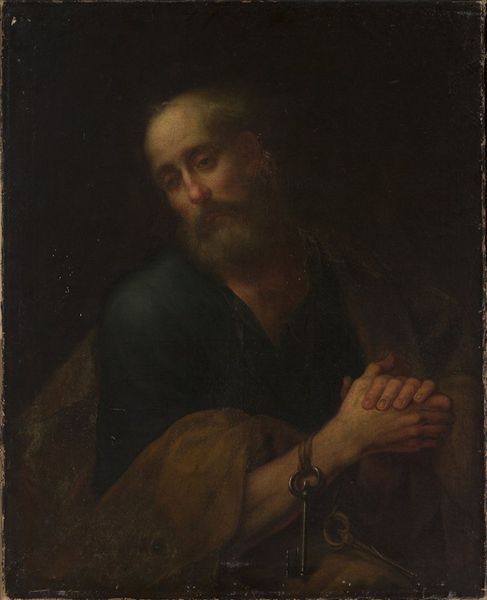
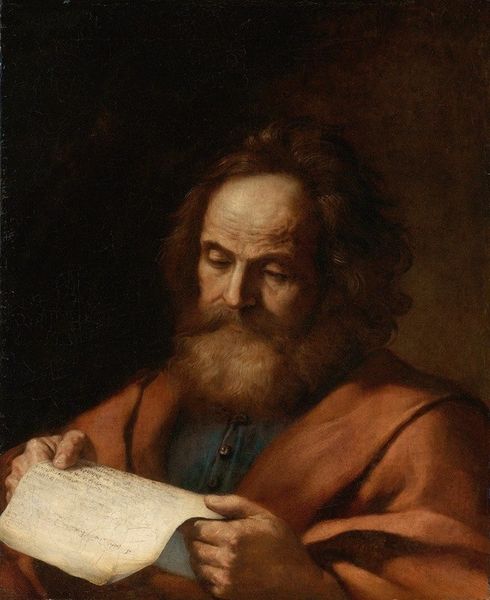
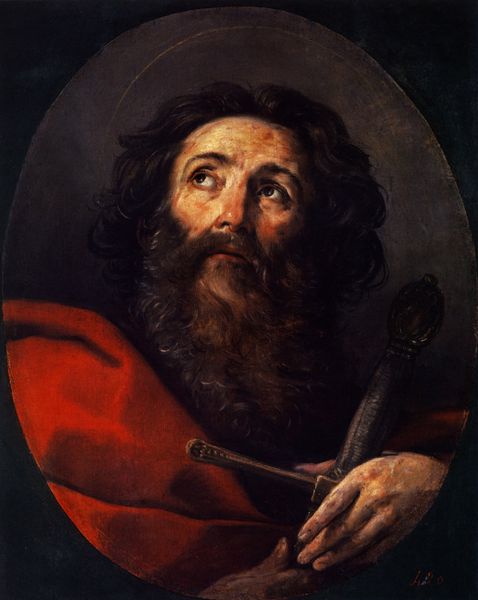
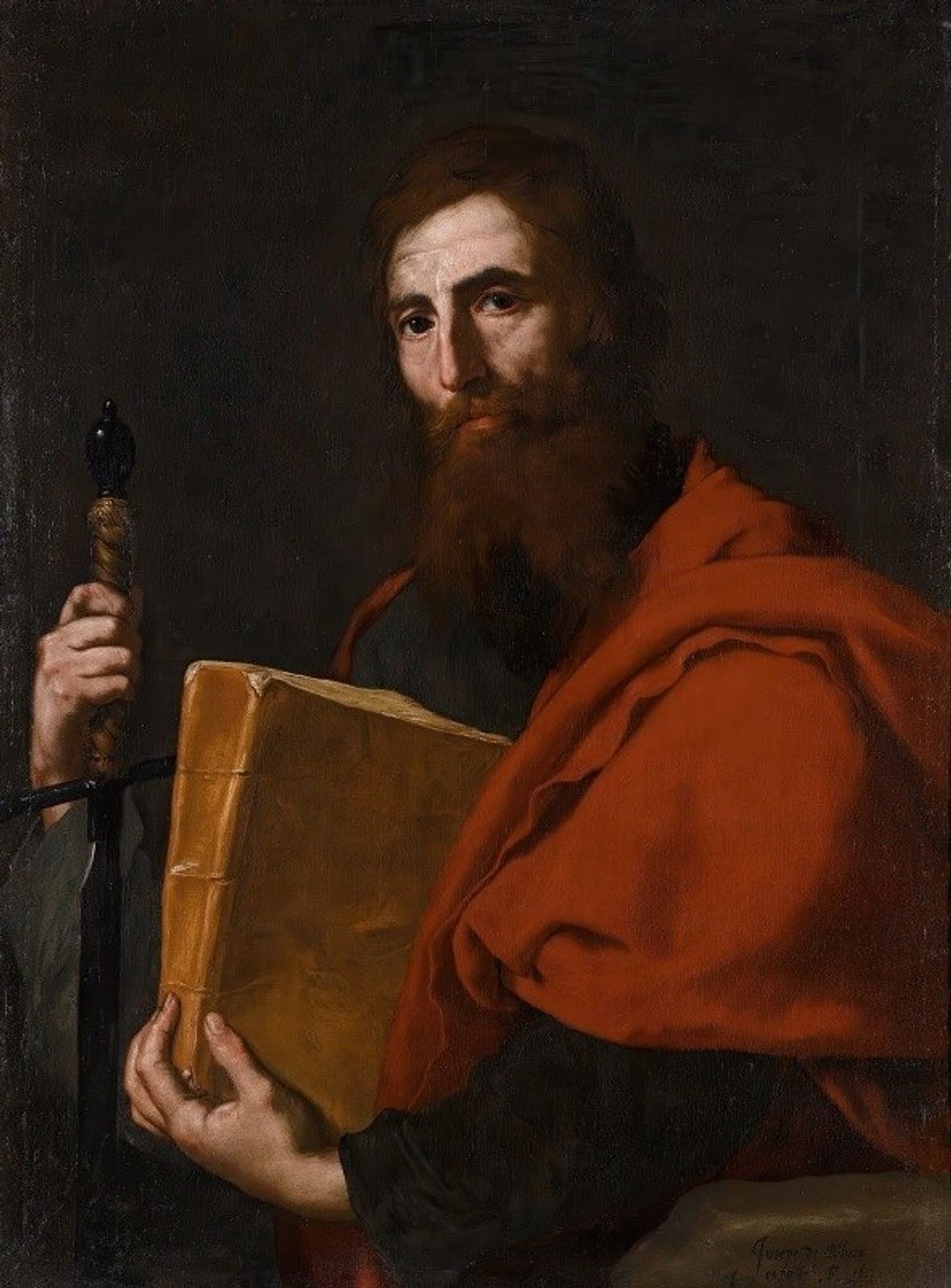
Jusepe de Ribera painted this depiction of Saint Paul at an unknown date. Ribera, a leading painter of the Spanish Baroque, spent most of his career in Naples. The image of Saint Paul carrying both the book of Christian scripture and a sword, the symbol of his martyrdom, reflects the Catholic Church's renewed assertion of authority, in contrast to the Protestant reformers' emphasis on the Bible alone. The theatrical Baroque style of this painting was part of the Counter-Reformation, a cultural and institutional response to the rise of Protestantism. In this work, we can see how artists were called upon to address contemporary religious controversy, in ways that were shaped by the patronage of the church. Historical research into the Counter-Reformation can provide a better understanding of the cultural context that shaped not only the themes of this painting but also its dramatic visual style.

Artwork details
- Medium
- painting, oil-paint
- Copyright
- Public Domain: Artvee
Tags
Comments
Share your thoughts
About this artwork
Jusepe de Ribera painted this depiction of Saint Paul at an unknown date. Ribera, a leading painter of the Spanish Baroque, spent most of his career in Naples. The image of Saint Paul carrying both the book of Christian scripture and a sword, the symbol of his martyrdom, reflects the Catholic Church's renewed assertion of authority, in contrast to the Protestant reformers' emphasis on the Bible alone. The theatrical Baroque style of this painting was part of the Counter-Reformation, a cultural and institutional response to the rise of Protestantism. In this work, we can see how artists were called upon to address contemporary religious controversy, in ways that were shaped by the patronage of the church. Historical research into the Counter-Reformation can provide a better understanding of the cultural context that shaped not only the themes of this painting but also its dramatic visual style.
Comments
Share your thoughts