About this artwork
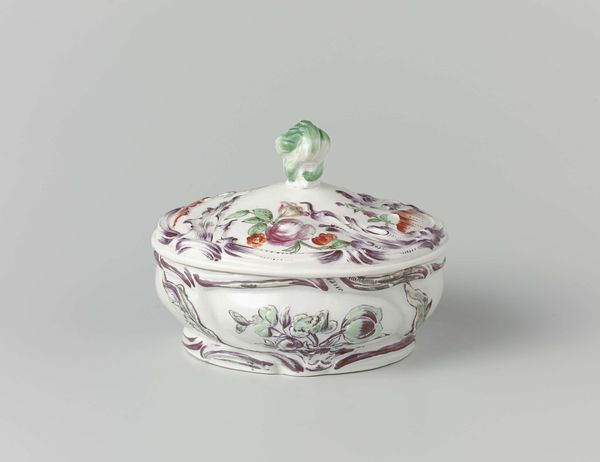
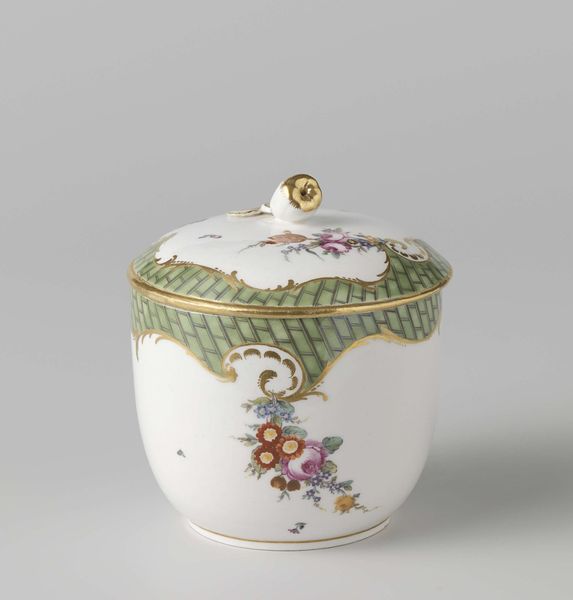
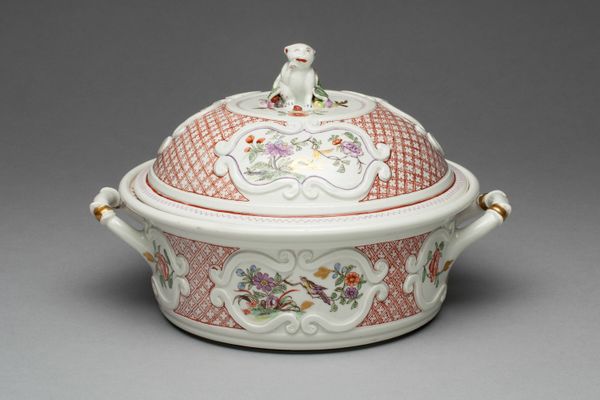
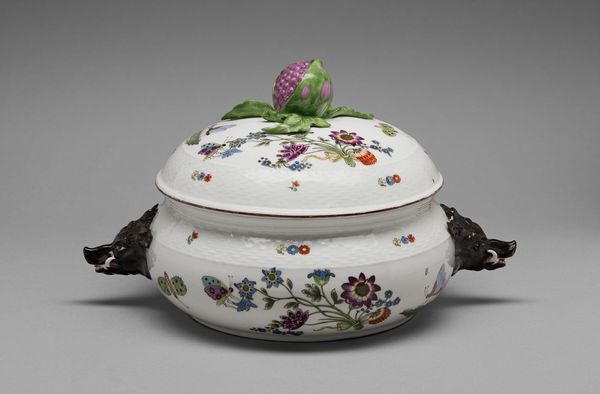
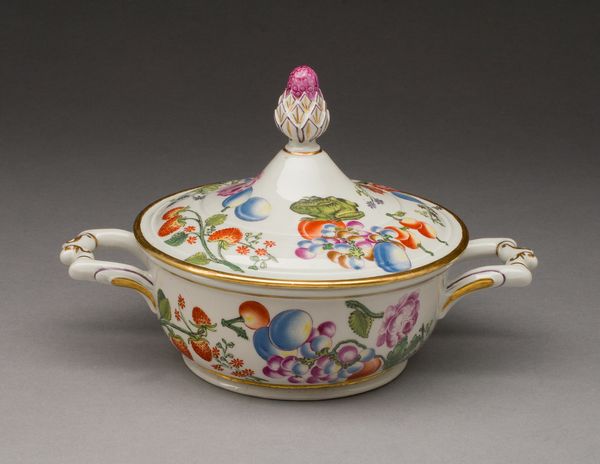
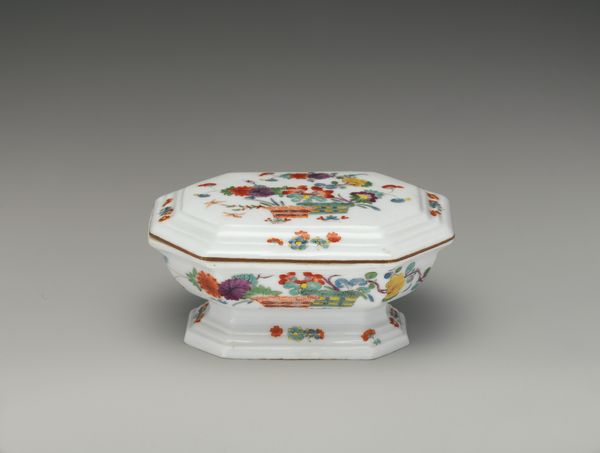
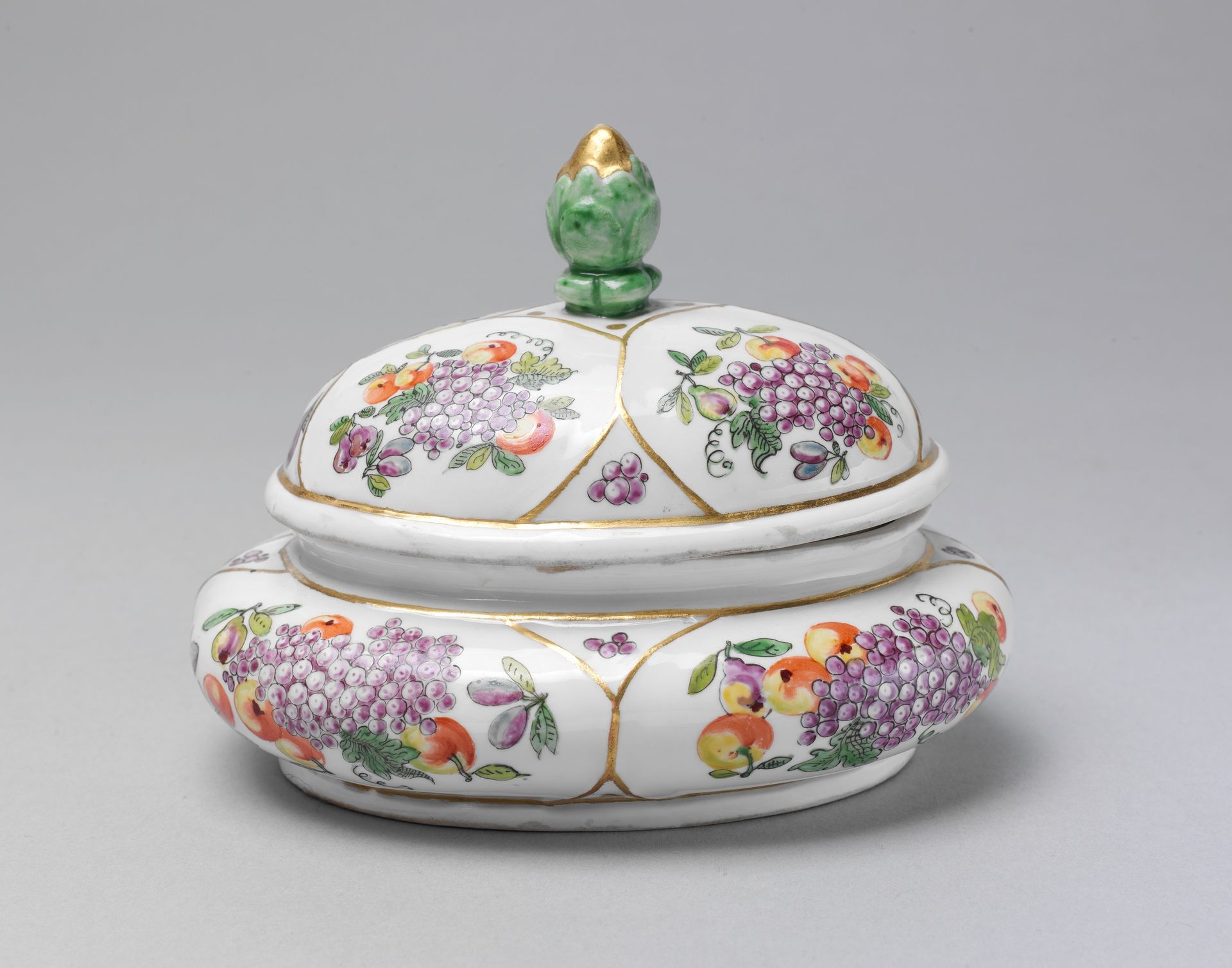
This sugar box was made by the Vienna manufactory, and is adorned with delicate, colorful fruit. These boxes were a commonplace item, but reflect a complex history of global trade and consumption. Sugar, once a rare luxury, became a staple due to the exploitation of enslaved labor in the Americas. As such, this seemingly innocent object is intrinsically tied to the brutal realities of colonialism and slavery. The artistry of the porcelain, painted with luscious fruits, belies its connection to profound social injustice. It transforms the historical context of the object and invites us to reflect on our own consumption habits, and consider the human cost often hidden behind everyday commodities. The sugar box thus sits as a potent symbol of the intertwined relationship between beauty, pleasure, and the darker chapters of human history.
Sugar box 1725 - 1740


Artwork details
- Medium
- ceramic, porcelain
- Dimensions
- H. 4-1/8 in. (10.5 cm.); L. 5-3/16 in. (13.2 cm.)
- Location
- Metropolitan Museum of Art, New York, NY
- Copyright
- Public Domain
Tags
ceramic
porcelain
decorative-art
rococo
Comments
No comments
About this artwork
This sugar box was made by the Vienna manufactory, and is adorned with delicate, colorful fruit. These boxes were a commonplace item, but reflect a complex history of global trade and consumption. Sugar, once a rare luxury, became a staple due to the exploitation of enslaved labor in the Americas. As such, this seemingly innocent object is intrinsically tied to the brutal realities of colonialism and slavery. The artistry of the porcelain, painted with luscious fruits, belies its connection to profound social injustice. It transforms the historical context of the object and invites us to reflect on our own consumption habits, and consider the human cost often hidden behind everyday commodities. The sugar box thus sits as a potent symbol of the intertwined relationship between beauty, pleasure, and the darker chapters of human history.
Comments
No comments