About this artwork
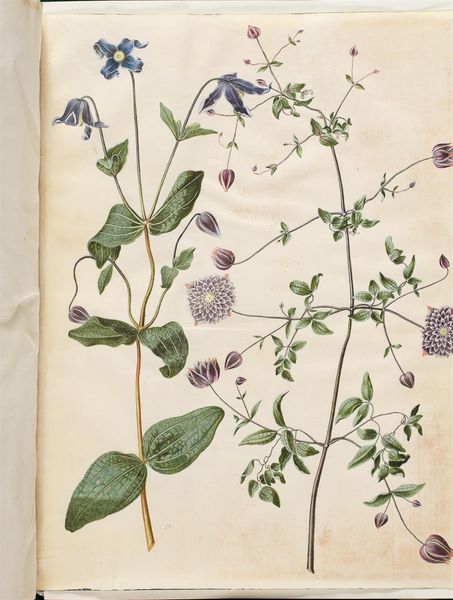
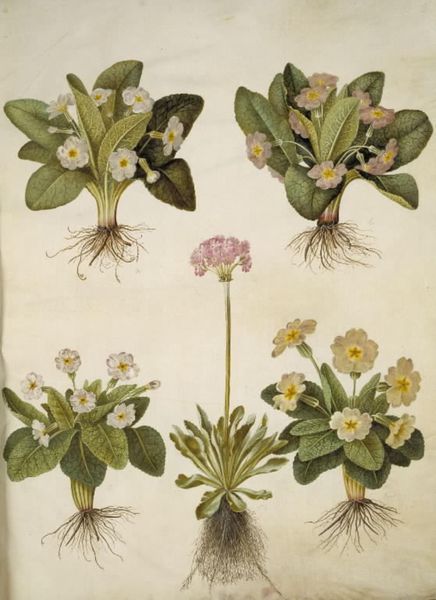
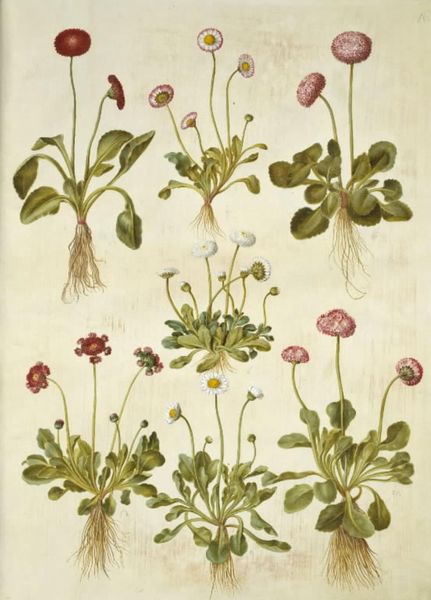
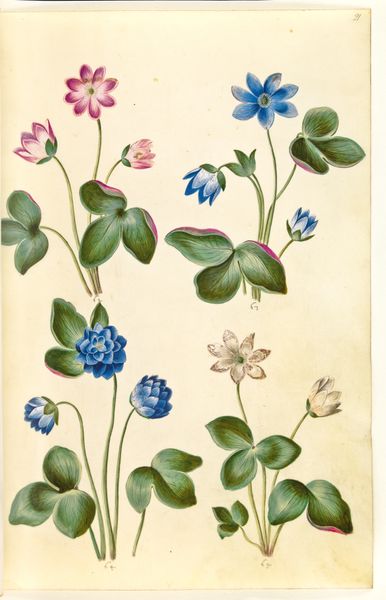
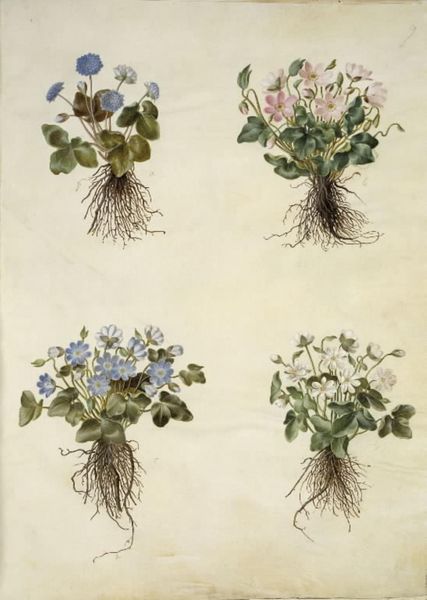
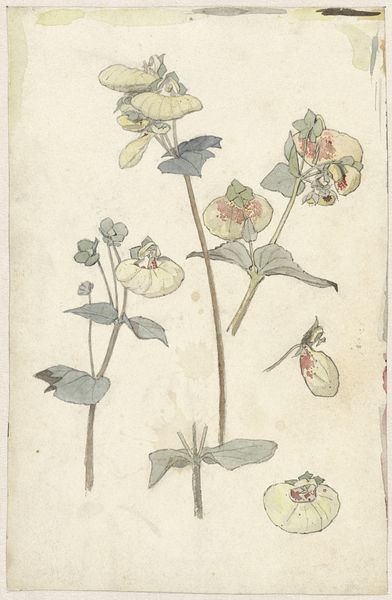
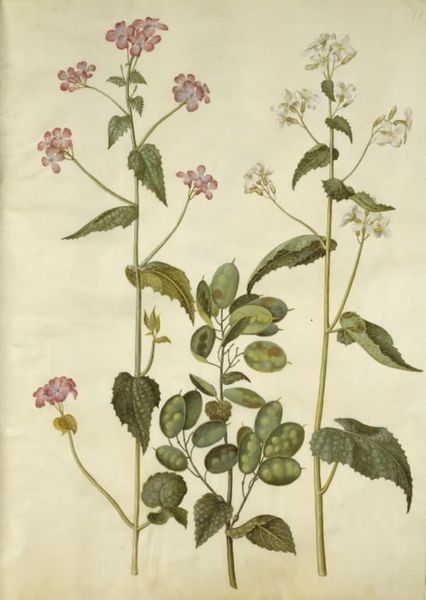
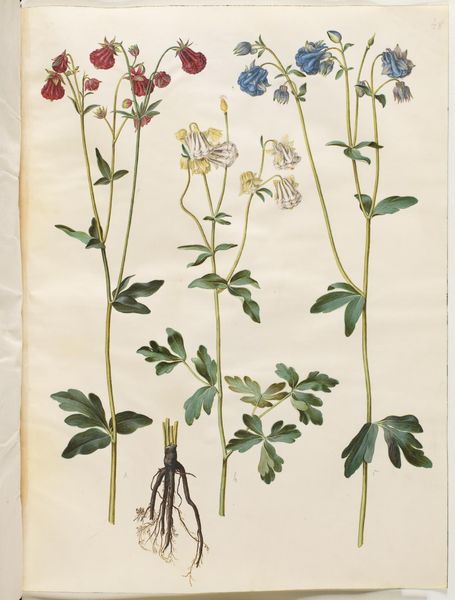
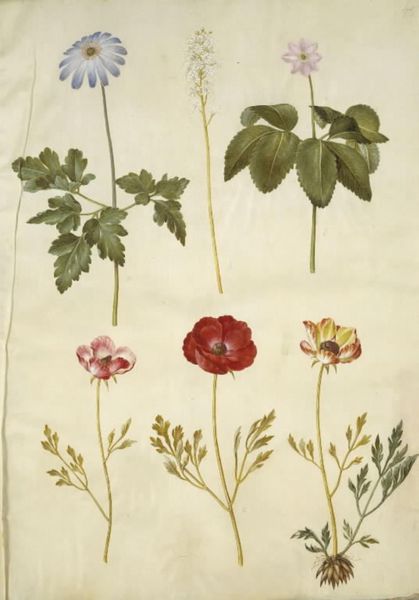
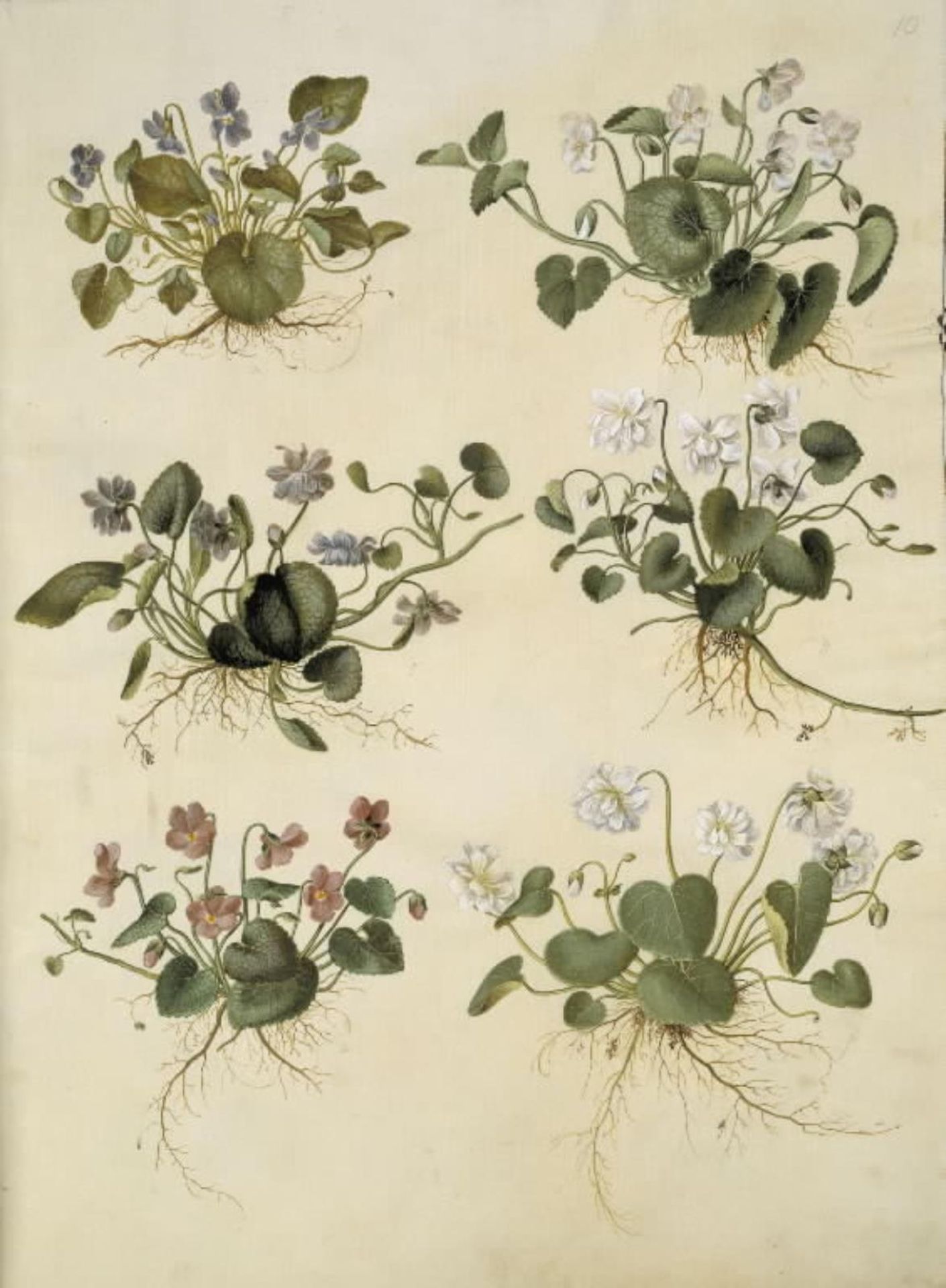
Viola odorata (marts-viol) is a botanical study in watercolour and gouache on parchment, created by Hans Simon Holtzbecker in the 17th century. Holtzbecker worked in a period marked by the intersection of scientific inquiry and artistic expression, which saw the emergence of detailed botanical illustrations. These delicate renderings of violets invite us to consider the cultural meanings associated with flowers during the Renaissance and Baroque periods, when they were not merely objects of beauty, but symbols of status, wealth, and knowledge. Gender and class dynamics also played a significant role in botanical art. Often commissioned by wealthy patrons, these works served as markers of privilege and taste, reflecting the power structures of the time. Holtzbecker's meticulous approach, and the variety of colour, invites a deeper appreciation of the natural world and our relationship to it.
Viola odorata (marts-viol)
1649 - 1659


Artwork details
- Medium
- drawing, gouache, watercolor
- Dimensions
- 505 mm (height) x 385 mm (width) (bladmaal)
- Location
- SMK - Statens Museum for Kunst
Tags
Comments
Share your thoughts
About this artwork
Viola odorata (marts-viol) is a botanical study in watercolour and gouache on parchment, created by Hans Simon Holtzbecker in the 17th century. Holtzbecker worked in a period marked by the intersection of scientific inquiry and artistic expression, which saw the emergence of detailed botanical illustrations. These delicate renderings of violets invite us to consider the cultural meanings associated with flowers during the Renaissance and Baroque periods, when they were not merely objects of beauty, but symbols of status, wealth, and knowledge. Gender and class dynamics also played a significant role in botanical art. Often commissioned by wealthy patrons, these works served as markers of privilege and taste, reflecting the power structures of the time. Holtzbecker's meticulous approach, and the variety of colour, invites a deeper appreciation of the natural world and our relationship to it.
Comments
Share your thoughts