About this artwork
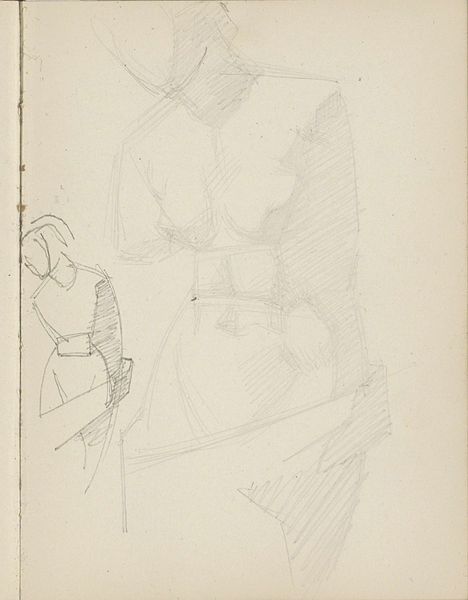
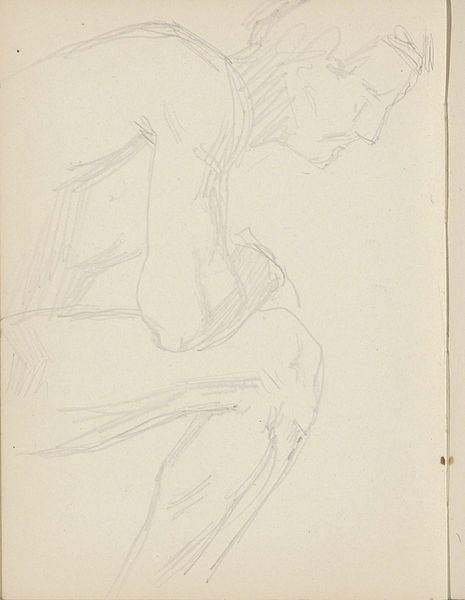
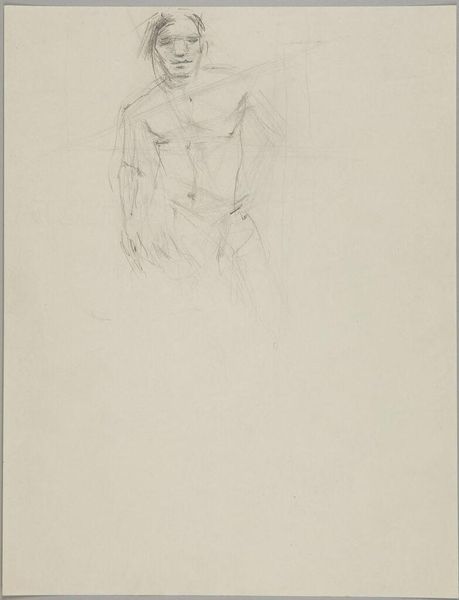
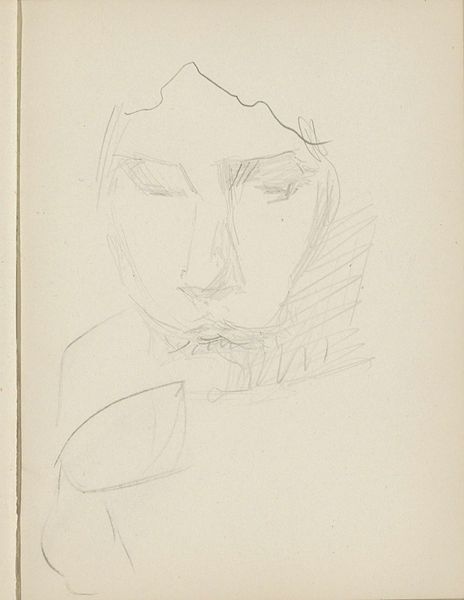
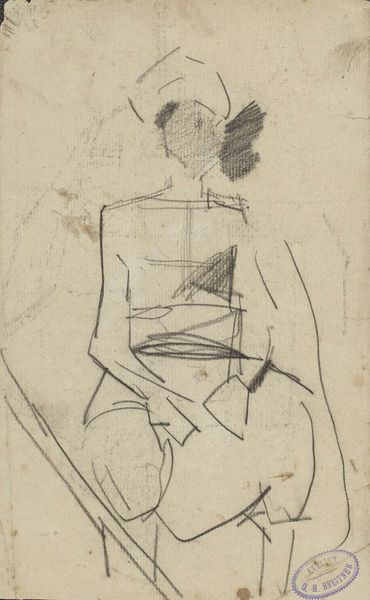
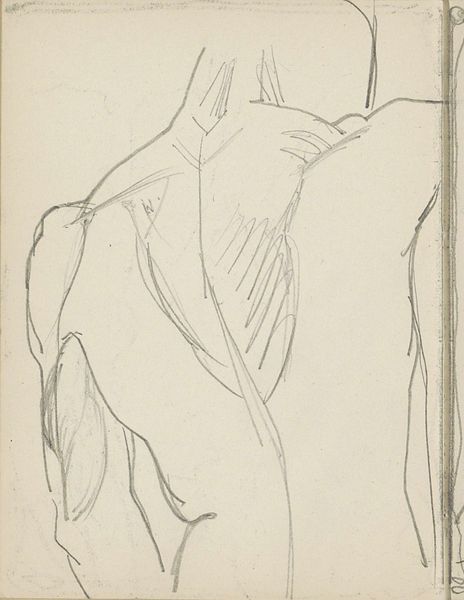
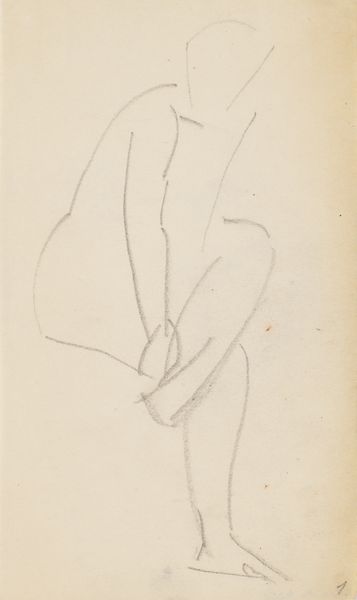
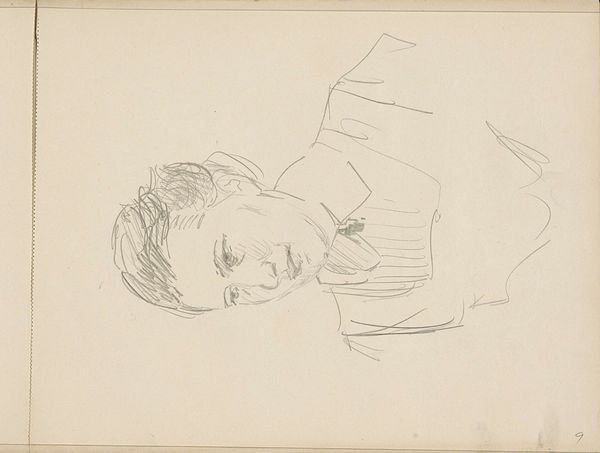
Reijer Stolk made this drawing of a nude man’s head and torso with graphite on paper. I love the simplicity of this sketch, the artist’s hand is so present. You can see the layering of the lines, the quick, searching movements of the pencil as Stolk builds up the form. It’s not about perfection or realism, but about the act of seeing and translating that onto paper. Look at the way the face is rendered. A few simple lines define the planes of the face, the set of the mouth, the slope of the nose. There's a vulnerability in the rawness of the mark making. It reminds me of some of Alice Neel’s drawings, where the personality of the sitter shines through despite the economy of line. Both artists share a commitment to directness and emotional honesty, capturing something essential about the human condition. In the end, art is all about this ongoing conversation across time. It’s rarely about fixed meaning.
Hoofd en bovenlichaam van een naakte man 1906 - 1945

Reijer Stolk
1896 - 1945Location
RijksmuseumArtwork details
- Medium
- drawing, pencil
- Location
- Rijksmuseum
- Copyright
- Rijks Museum: Open Domain
Tags
portrait
drawing
amateur sketch
light pencil work
pencil sketch
figuration
personal sketchbook
idea generation sketch
ink drawing experimentation
pen-ink sketch
pencil
sketchbook drawing
portrait drawing
pencil work
realism
Comments
No comments
About this artwork
Reijer Stolk made this drawing of a nude man’s head and torso with graphite on paper. I love the simplicity of this sketch, the artist’s hand is so present. You can see the layering of the lines, the quick, searching movements of the pencil as Stolk builds up the form. It’s not about perfection or realism, but about the act of seeing and translating that onto paper. Look at the way the face is rendered. A few simple lines define the planes of the face, the set of the mouth, the slope of the nose. There's a vulnerability in the rawness of the mark making. It reminds me of some of Alice Neel’s drawings, where the personality of the sitter shines through despite the economy of line. Both artists share a commitment to directness and emotional honesty, capturing something essential about the human condition. In the end, art is all about this ongoing conversation across time. It’s rarely about fixed meaning.
Comments
No comments