About this artwork
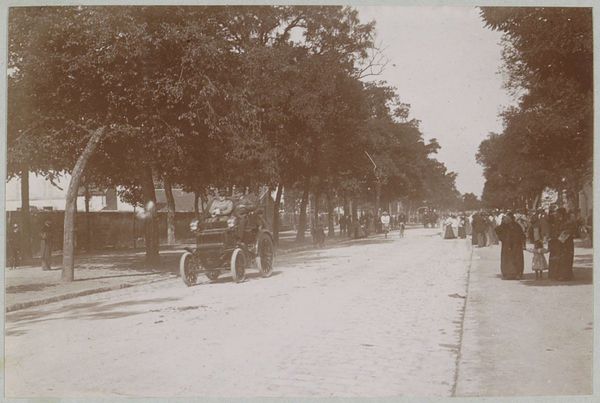
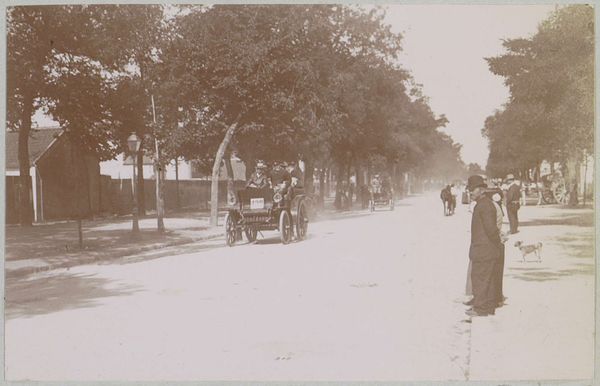
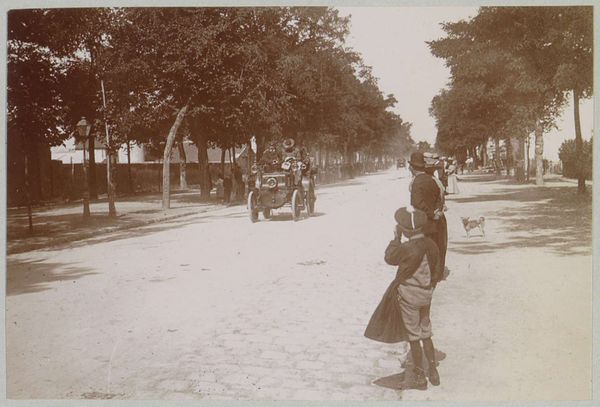
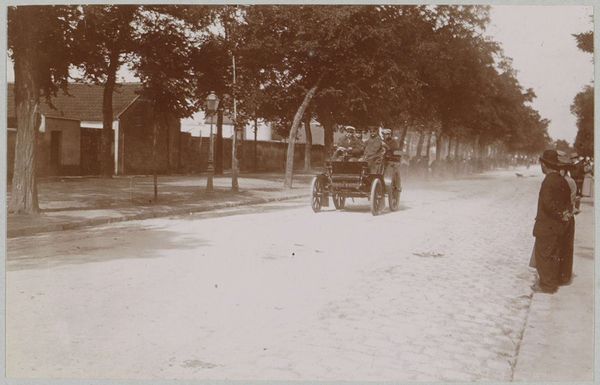
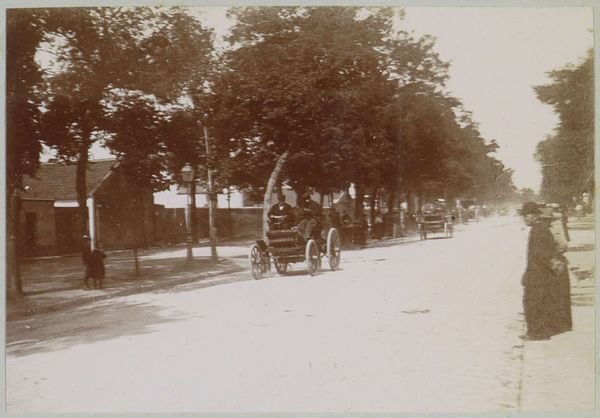
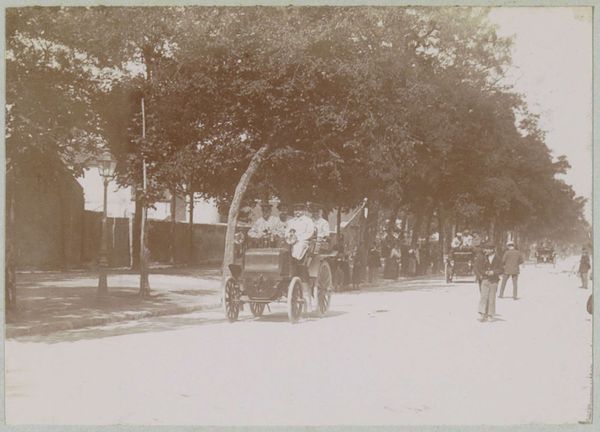
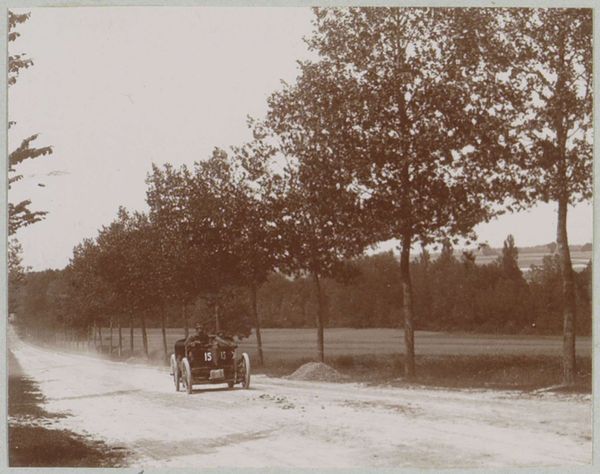
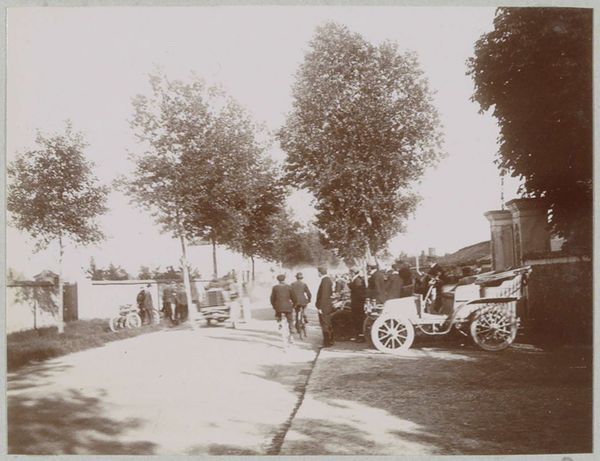
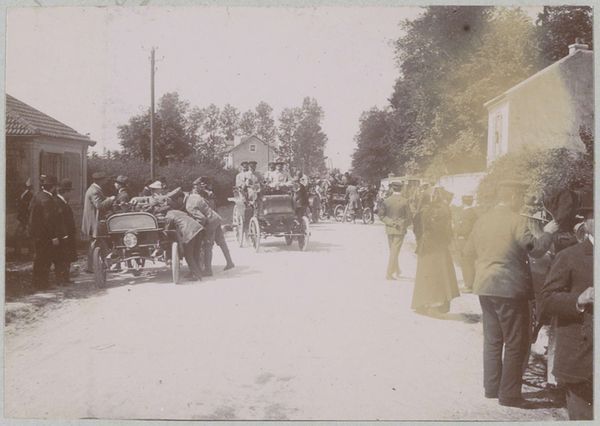
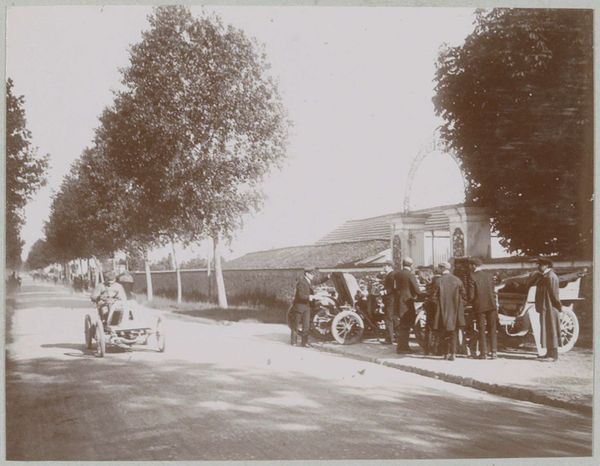
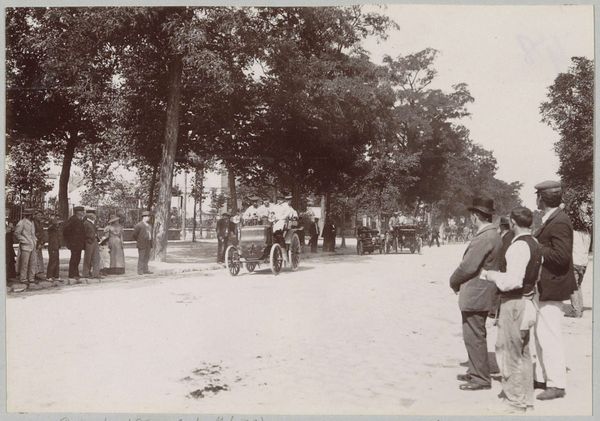
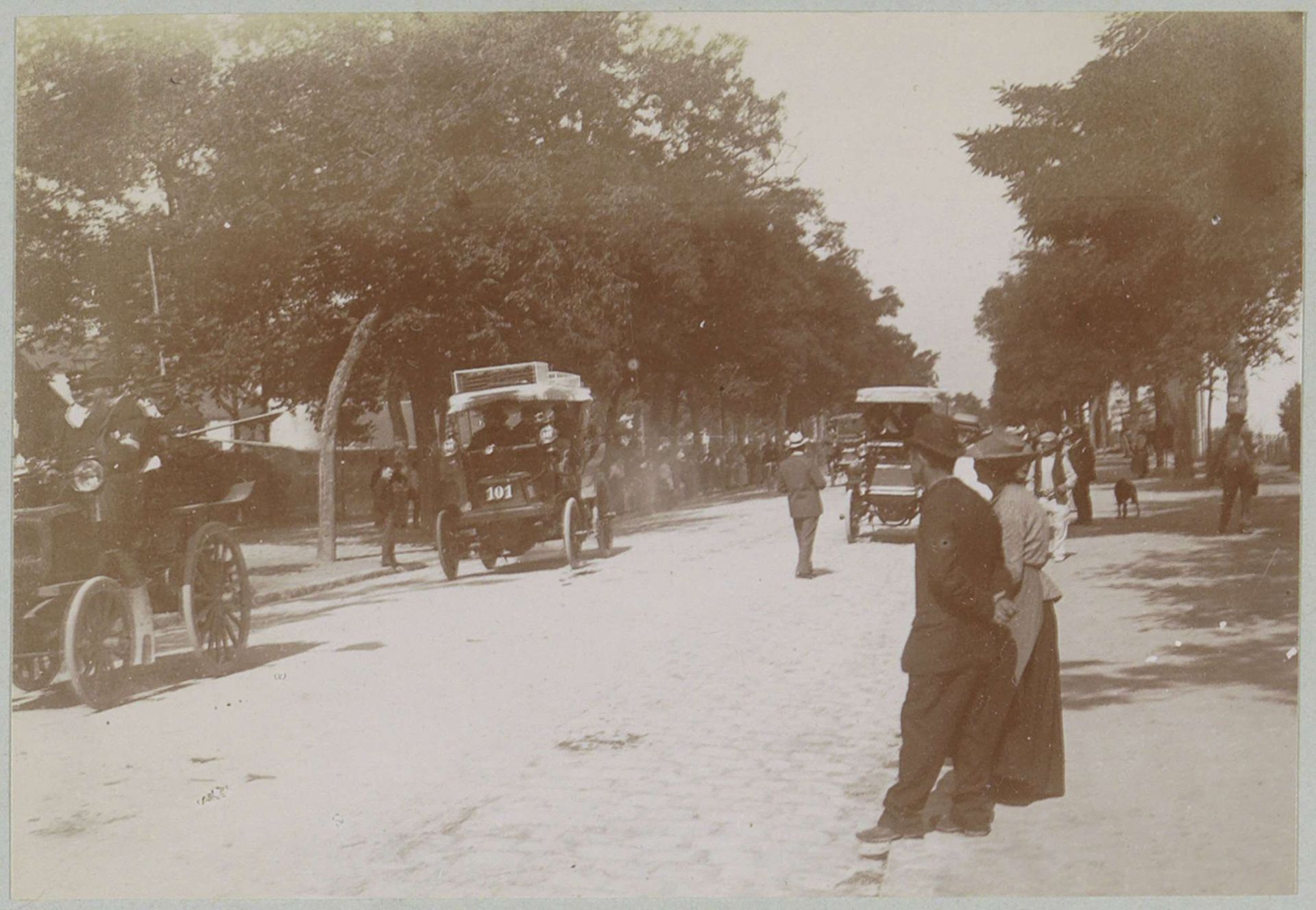
This photograph, "Start van de race Parijs-Amsterdam voor automobielen" by Delizy, captures a moment of technological advancement and social change. The image likely depicts the early days of automotive racing, a spectacle primarily accessible to the upper classes. This event highlights the stark divisions of early 20th-century society. The presence of automobiles represents progress, but their exclusivity underscores the disparities in wealth and opportunity. As the invention of cars increased mobility, the image of the man and woman in the foreground hint at societal changes, and the shifting roles and expectations of gender during this time. The photograph prompts us to reflect on the complex relationship between technological progress, social inequality, and the changing landscape of identity. It reminds us that progress is not always evenly distributed, and it often comes with new forms of exclusion.
Start van de race Parijs-Amsterdam voor automobielen
Possibly 1898

Delizy
@delizyLocation
RijksmuseumArtwork details
- Dimensions
- height 75 mm, width 110 mm
- Location
- Rijksmuseum
- Copyright
- Rijks Museum: Open Domain
Comments
Share your thoughts
About this artwork
This photograph, "Start van de race Parijs-Amsterdam voor automobielen" by Delizy, captures a moment of technological advancement and social change. The image likely depicts the early days of automotive racing, a spectacle primarily accessible to the upper classes. This event highlights the stark divisions of early 20th-century society. The presence of automobiles represents progress, but their exclusivity underscores the disparities in wealth and opportunity. As the invention of cars increased mobility, the image of the man and woman in the foreground hint at societal changes, and the shifting roles and expectations of gender during this time. The photograph prompts us to reflect on the complex relationship between technological progress, social inequality, and the changing landscape of identity. It reminds us that progress is not always evenly distributed, and it often comes with new forms of exclusion.
Comments
Share your thoughts