Landscape

Theodore Rousseau
1812 - 1867Location
Musée des beaux-arts de Chambéry, Chambéry, FranceListen to curator's interpretation
Curatorial notes
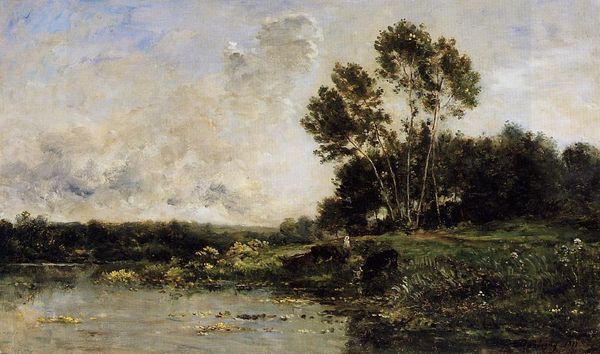
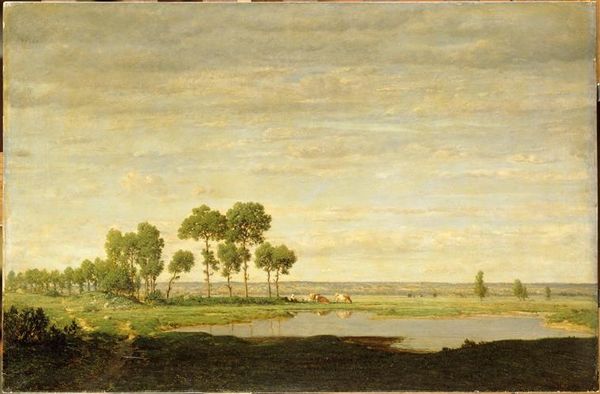
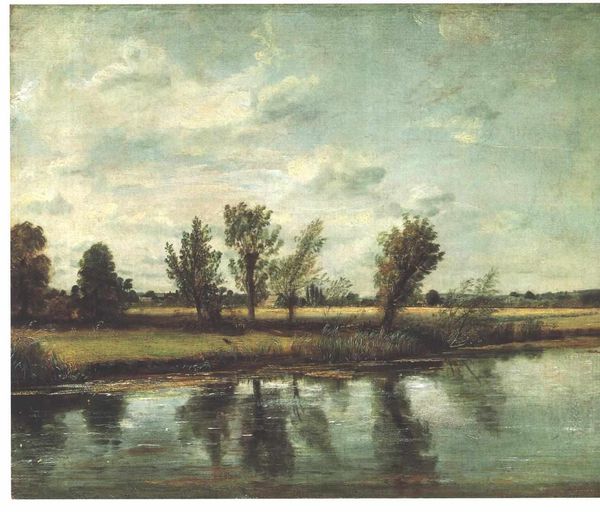
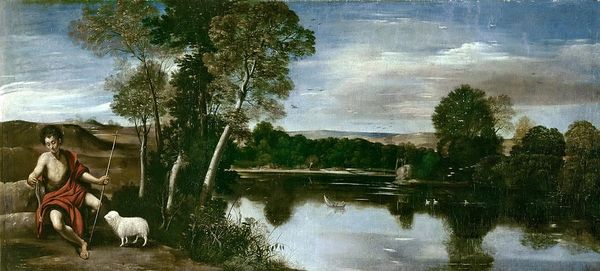
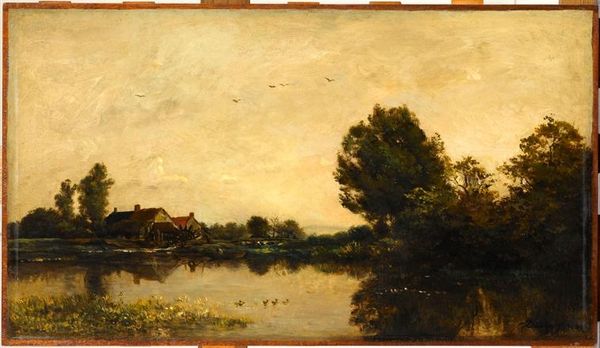
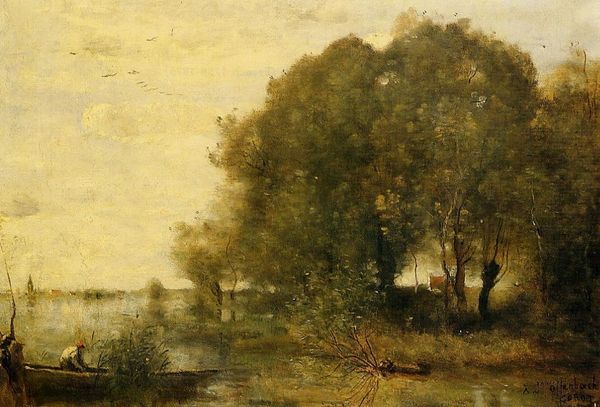
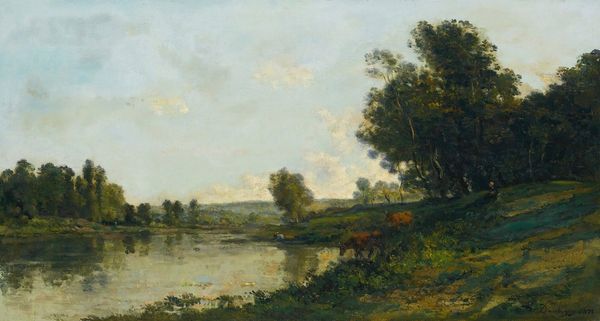
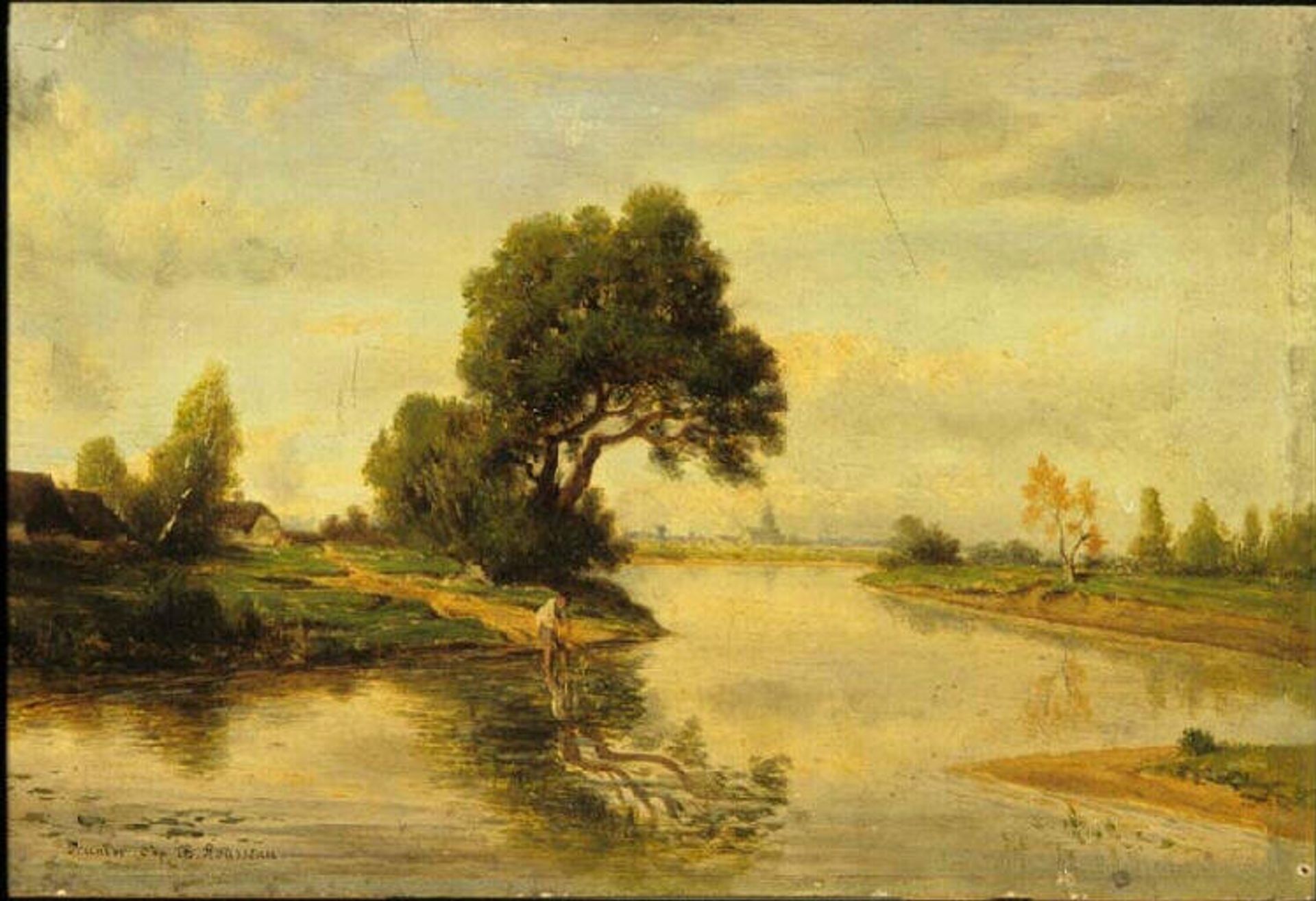
Théodore Rousseau crafted this landscape painting, now residing in Chambéry, using oil on canvas to capture a serene waterside scene. The dominant tree, a central motif, is a symbol deeply rooted in human consciousness. From ancient myths to Renaissance art, the tree often represents life, growth, and connection between the earthly and divine. Consider the Tree of Life in various cultures—a nexus of wisdom and sustenance. Here, the tree's reflection in the water adds another layer, evoking themes of duality and introspection. The placid water mirrors not just the physical world but also our inner selves, a motif echoed in the myth of Narcissus. Such tranquil scenes tap into our collective memory, stirring a sense of peace. It is as if, subconsciously, we recognize this imagery, feeling a profound connection to nature. The symbolic language in Rousseau’s landscape is a poignant reminder of how nature's symbols—trees, water, and sky—recur throughout art history, continuously reshaped by cultural and emotional contexts.