About this artwork
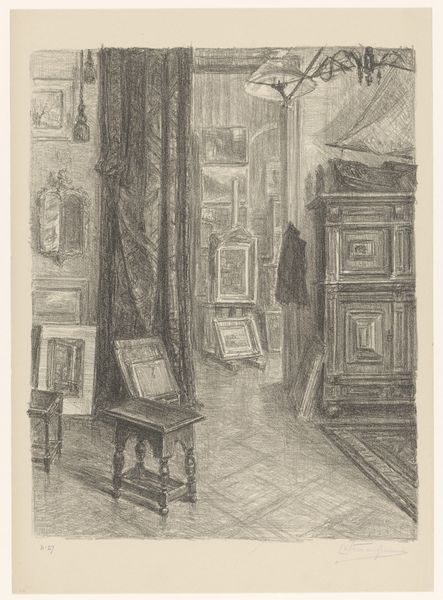
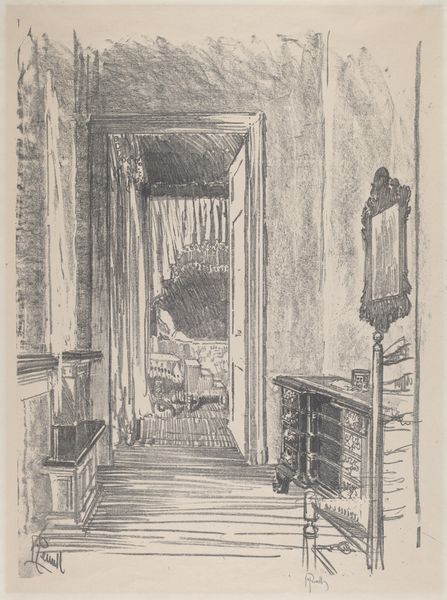
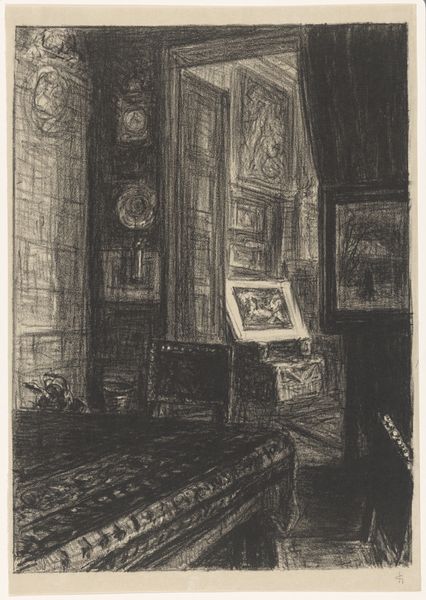
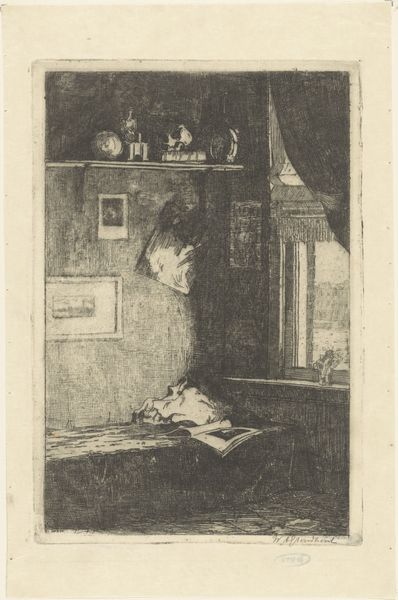
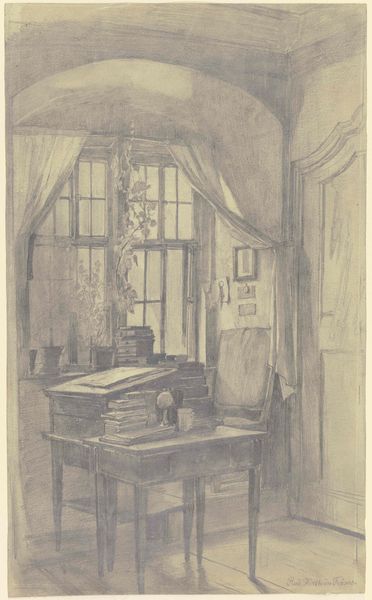
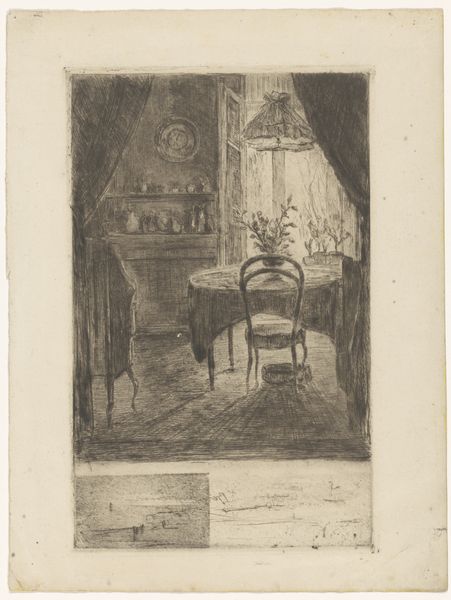
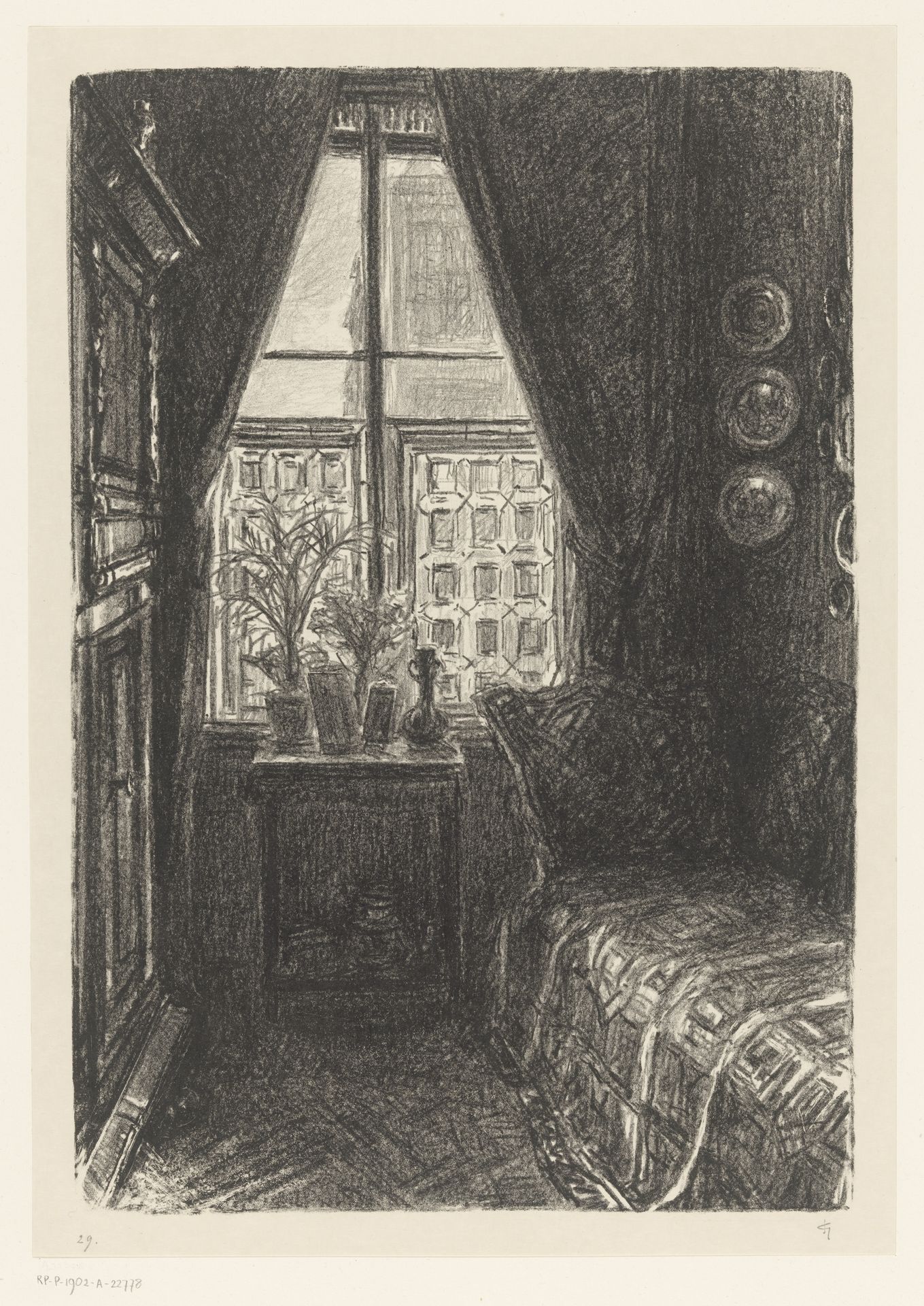
Carel Nicolaas Storm van 's-Gravesande created this etching of an interior scene. Though undated, its style and subject matter situate it within the late 19th-century Dutch art world, a time marked by a growing interest in the intimate and domestic spheres. The etching presents a room bathed in soft light filtered through a window, furnished with a table, plants, and a comfortable chair. It evokes a sense of bourgeois domesticity, reflecting the values and lifestyles of the Dutch middle class during this period. What stories could this room tell, though? Was this a room for men? For women? Or for children? The objects and their arrangements speak volumes about the gendered spaces of the time. Consider the absence of human figures. The artist invites us to project ourselves into the scene, to contemplate the quiet moments of daily life, and to reflect on the ways in which our identities are shaped by the spaces we inhabit.
Interieur met een tafel bij een venster
1851 - 1902

Carel Nicolaas Storm van 's-Gravesande
1841 - 1924Location
RijksmuseumArtwork details
- Medium
- drawing, graphite
- Dimensions
- height 452 mm, width 318 mm
- Location
- Rijksmuseum
- Copyright
- Rijks Museum: Open Domain
Tags
Comments
Share your thoughts
About this artwork
Carel Nicolaas Storm van 's-Gravesande created this etching of an interior scene. Though undated, its style and subject matter situate it within the late 19th-century Dutch art world, a time marked by a growing interest in the intimate and domestic spheres. The etching presents a room bathed in soft light filtered through a window, furnished with a table, plants, and a comfortable chair. It evokes a sense of bourgeois domesticity, reflecting the values and lifestyles of the Dutch middle class during this period. What stories could this room tell, though? Was this a room for men? For women? Or for children? The objects and their arrangements speak volumes about the gendered spaces of the time. Consider the absence of human figures. The artist invites us to project ourselves into the scene, to contemplate the quiet moments of daily life, and to reflect on the ways in which our identities are shaped by the spaces we inhabit.
Comments
Share your thoughts