About this artwork
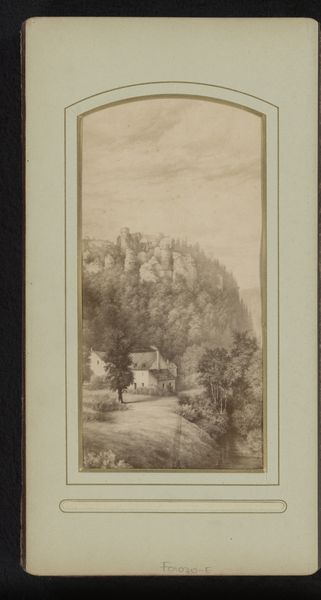
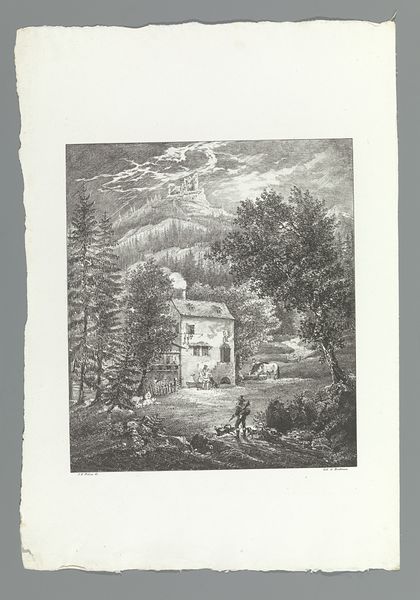
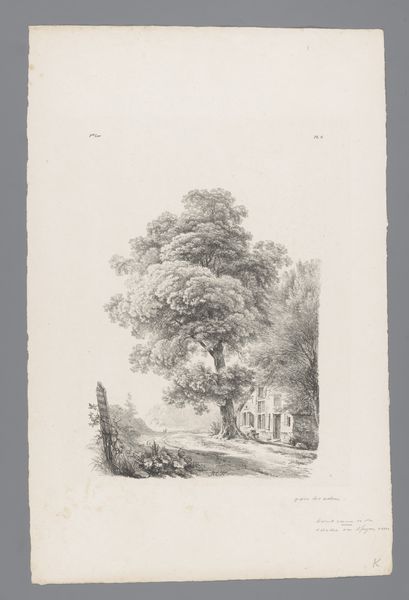
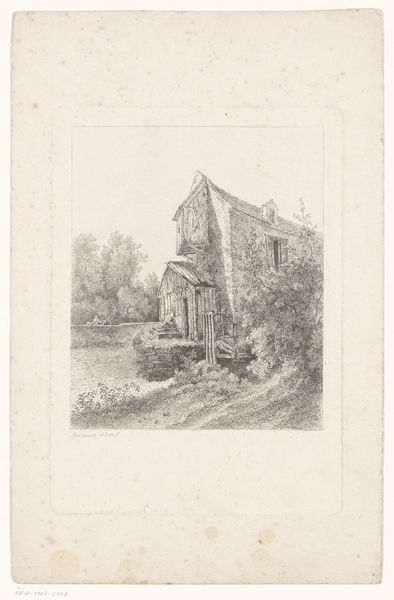
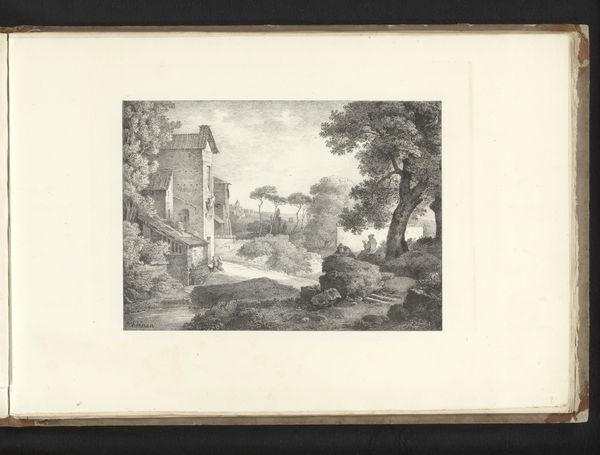
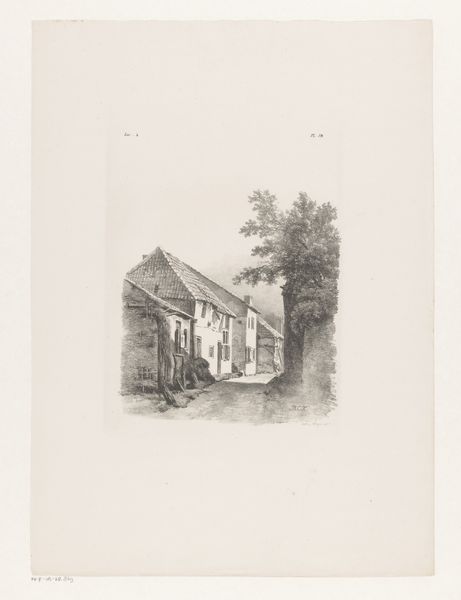
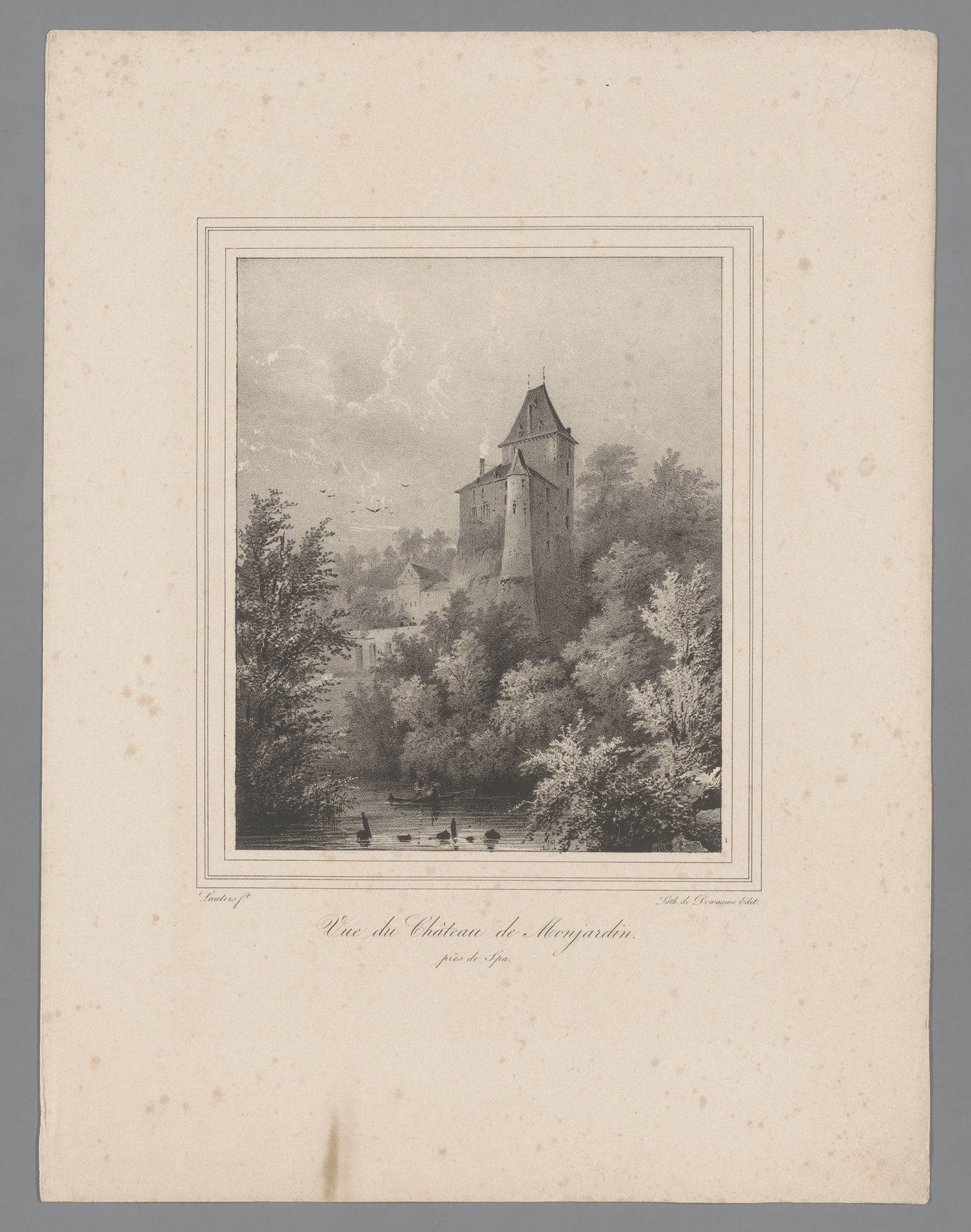
Paulus Lauters created this print of Montjardin Castle in Belgium, sometime in the mid-19th century. This image fits into a larger trend of Romantic landscape art, but it also reflects very specific economic and social conditions. In Belgium, as across Europe at this time, the rise of a wealthy merchant class created a new market for art. Picturesque scenes of the countryside, especially those featuring grand estates, spoke to the aspirations of this upwardly mobile group. Note how Lauters emphasizes the castle’s imposing architecture and idyllic natural setting. To fully understand this print, we need to consider the growth of tourism and leisure activities among the middle classes. Guidebooks, travelogues, and prints like this one fueled a fascination with the countryside. Art history, at its best, draws on a wide range of sources to illuminate the complex relationships between art, culture, and society.
Gezicht op het kasteel van Montjardin 1816 - 1851

Paulus Lauters
1806 - 1875Location
RijksmuseumArtwork details
- Medium
- Dimensions
- height 311 mm, width 236 mm
- Location
- Rijksmuseum
- Copyright
- Rijks Museum: Open Domain
Tags
landscape
romanticism
cityscape
Comments
No comments
About this artwork
Paulus Lauters created this print of Montjardin Castle in Belgium, sometime in the mid-19th century. This image fits into a larger trend of Romantic landscape art, but it also reflects very specific economic and social conditions. In Belgium, as across Europe at this time, the rise of a wealthy merchant class created a new market for art. Picturesque scenes of the countryside, especially those featuring grand estates, spoke to the aspirations of this upwardly mobile group. Note how Lauters emphasizes the castle’s imposing architecture and idyllic natural setting. To fully understand this print, we need to consider the growth of tourism and leisure activities among the middle classes. Guidebooks, travelogues, and prints like this one fueled a fascination with the countryside. Art history, at its best, draws on a wide range of sources to illuminate the complex relationships between art, culture, and society.
Comments
No comments