About this artwork
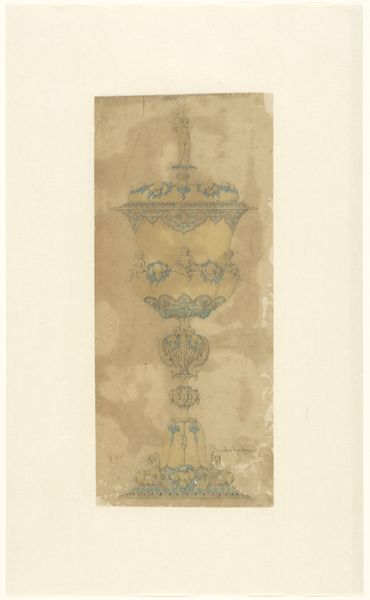
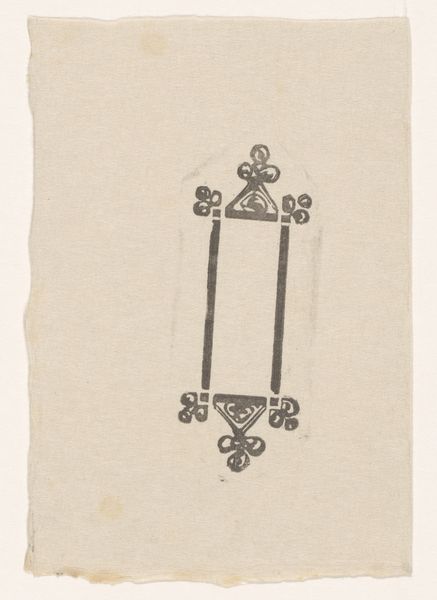
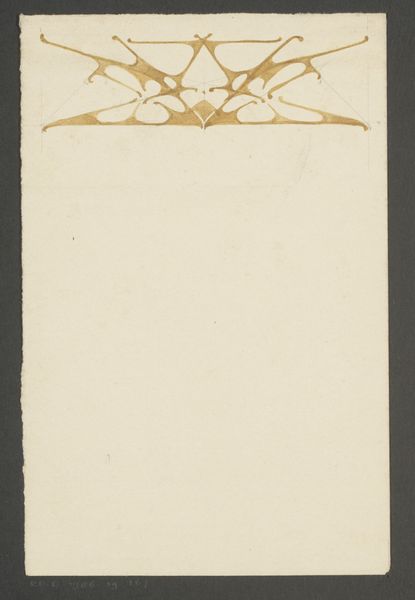
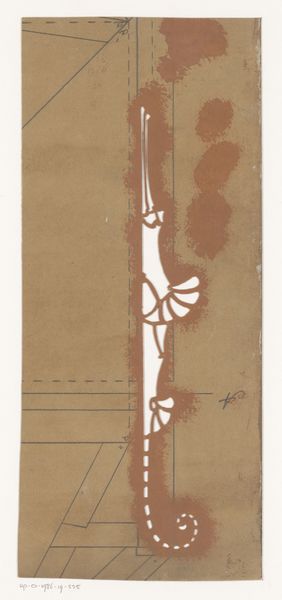
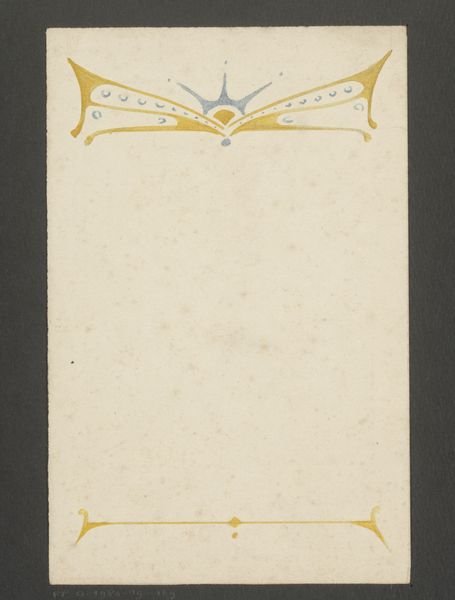
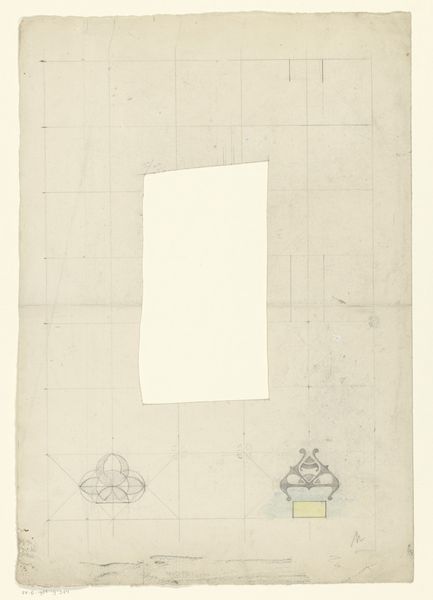
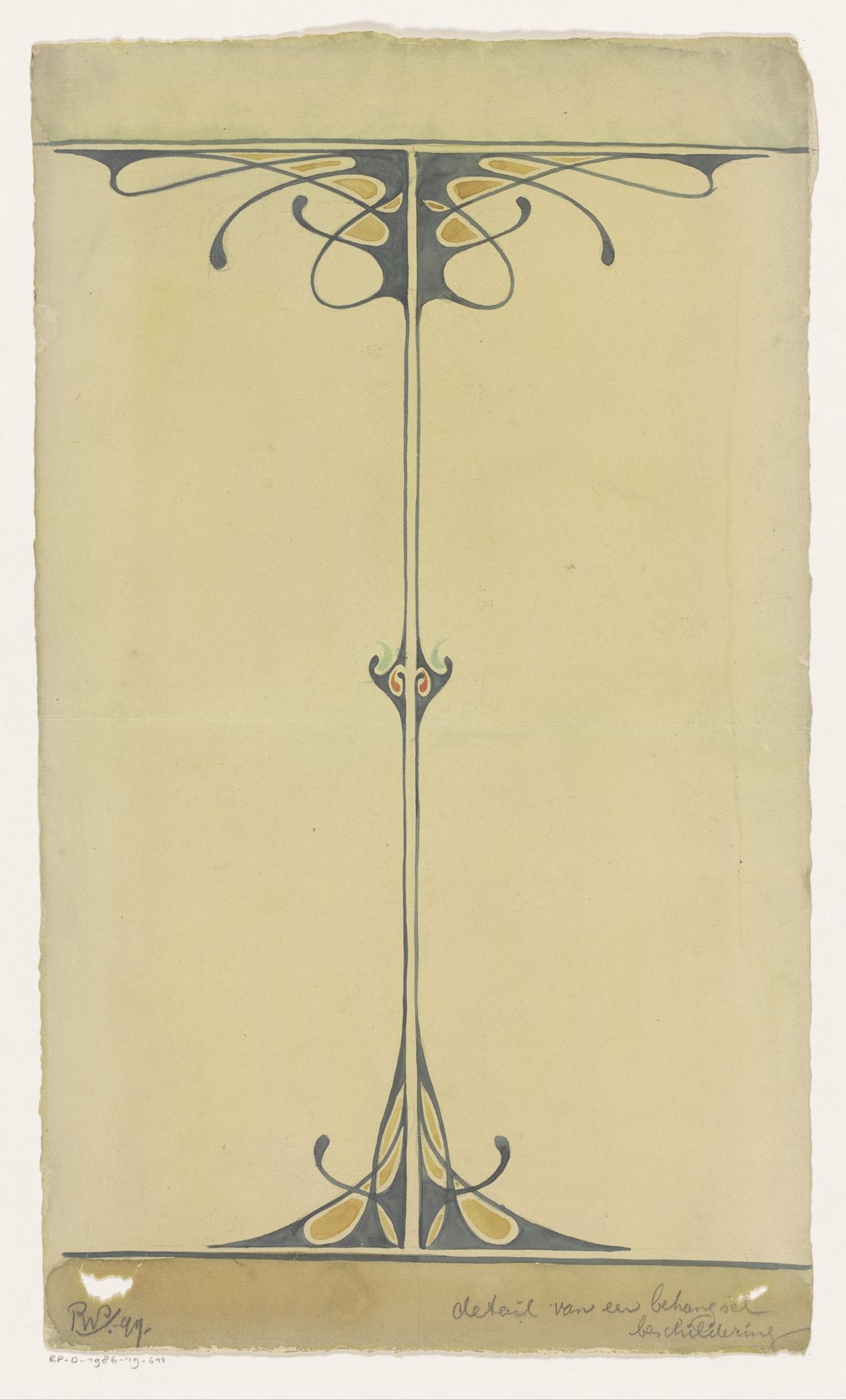
This is Reinier Willem Petrus de Vries’s design for wallpaper, made with watercolor and graphite on paper. The stylized ornament displays the whiplash curves associated with the Art Nouveau style, which embraced new industrial processes for mass production, yet often looked to nature for inspiration. Note the sinuous lines, made possible by advances in printing technology, giving a sense of organic growth. The design would have been translated into a repeating pattern, printed mechanically onto rolls of paper. This brings up interesting questions about labor and class. Wallpaper was originally a luxury item, but with industrialization, it became more affordable. The social context reflects the democratization of design, making stylish interiors accessible to a wider public, but also relies on factory labor to bring the design to life on an industrial scale. Considering materials, making, and context allows us to understand the complex relationship between fine art, craft, and industry, blurring traditional distinctions.
Ontwerp voor een behangsel met ornament
1899

Artwork details
- Medium
- drawing, ornament, paper, watercolor, ink
- Dimensions
- height 353 mm, width 206 mm
- Copyright
- Rijks Museum: Open Domain
Tags
drawing
ornament
art-nouveau
blue ink drawing
paper
watercolor
ink
coloured pencil
geometric
watercolour illustration
decorative-art
watercolor
Comments
Be the first to share your thoughts about this work.
About this artwork
This is Reinier Willem Petrus de Vries’s design for wallpaper, made with watercolor and graphite on paper. The stylized ornament displays the whiplash curves associated with the Art Nouveau style, which embraced new industrial processes for mass production, yet often looked to nature for inspiration. Note the sinuous lines, made possible by advances in printing technology, giving a sense of organic growth. The design would have been translated into a repeating pattern, printed mechanically onto rolls of paper. This brings up interesting questions about labor and class. Wallpaper was originally a luxury item, but with industrialization, it became more affordable. The social context reflects the democratization of design, making stylish interiors accessible to a wider public, but also relies on factory labor to bring the design to life on an industrial scale. Considering materials, making, and context allows us to understand the complex relationship between fine art, craft, and industry, blurring traditional distinctions.
Comments
Be the first to share your thoughts about this work.