About this artwork
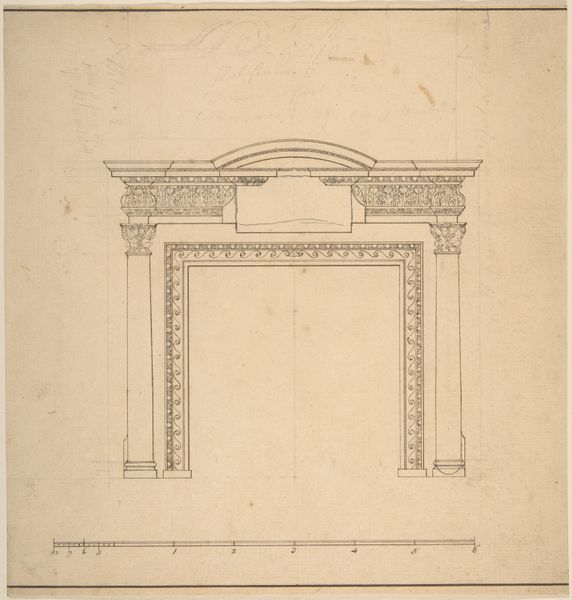
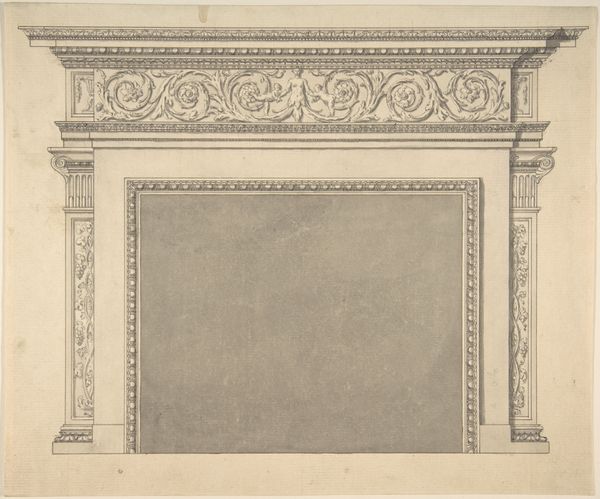
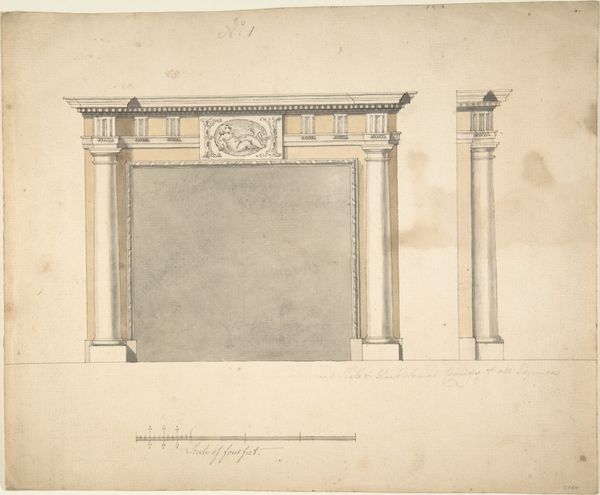
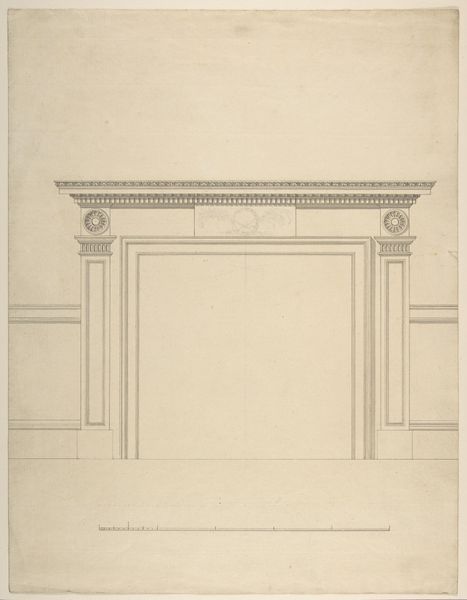
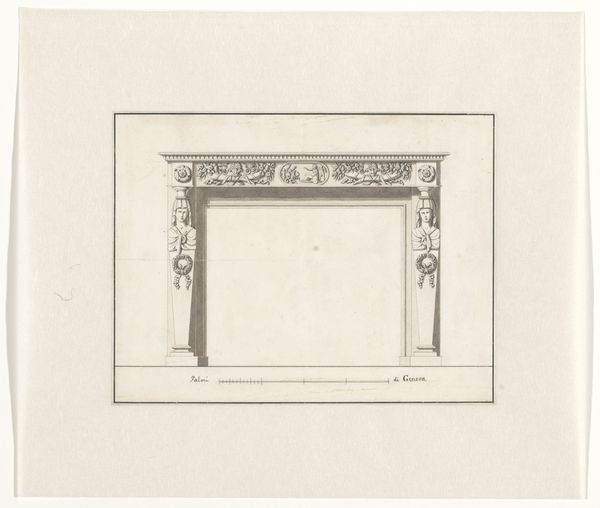
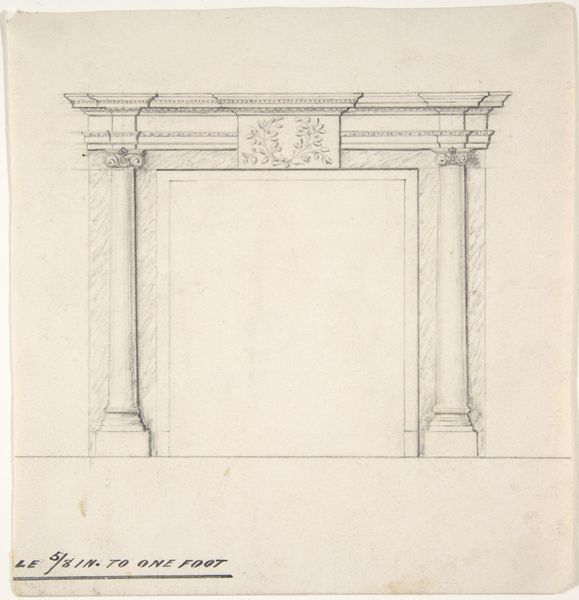
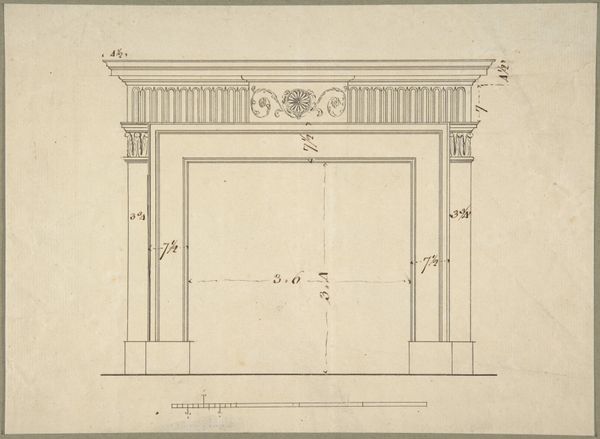
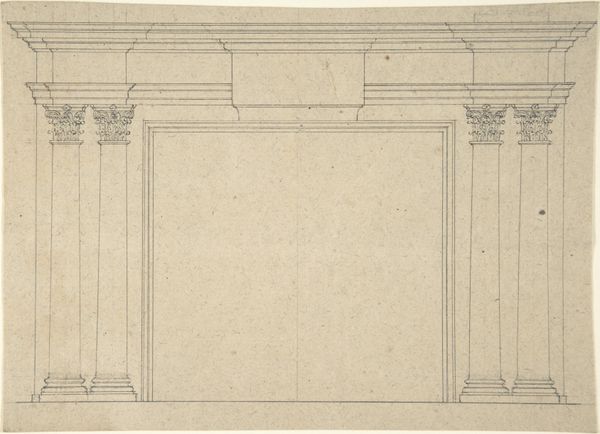
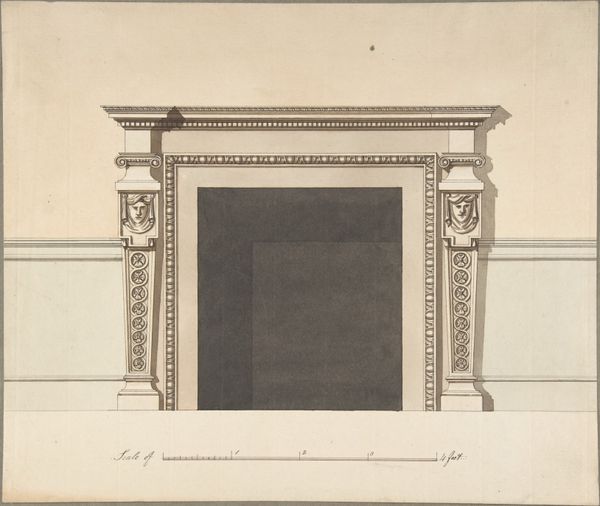
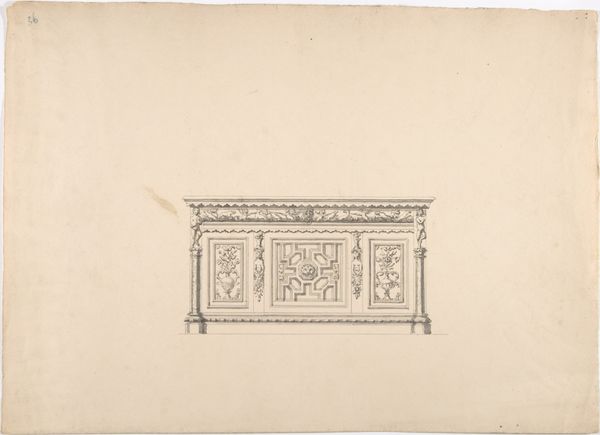
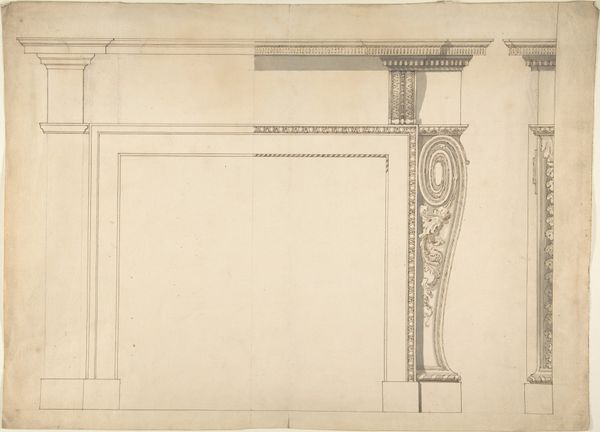
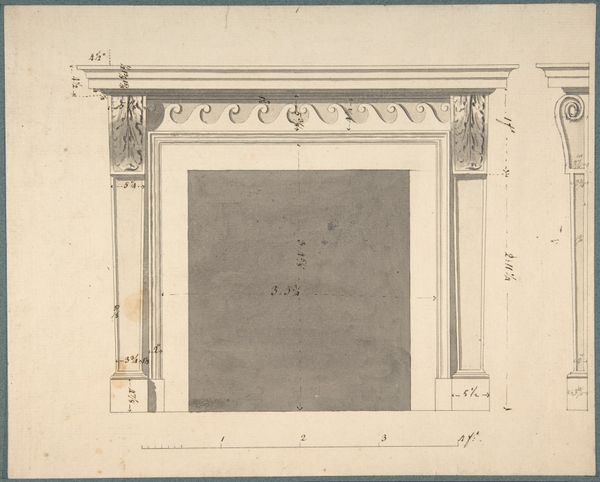
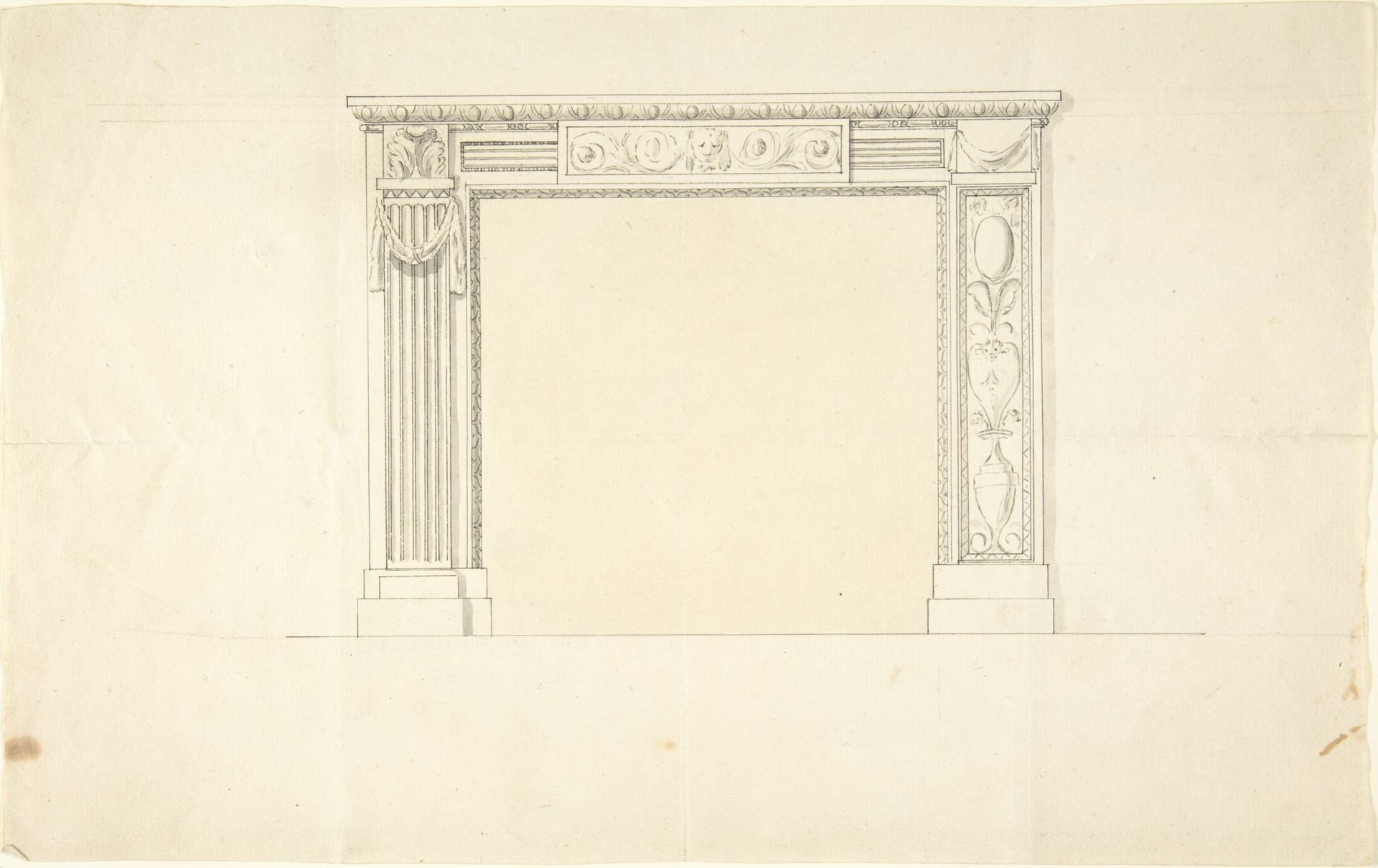
Sir William Chambers made this design for a chimneypiece, but the date is unknown. His drawing gives us a glimpse into the world of 18th-century British design. Neoclassical architecture, with its symmetrical forms and motifs borrowed from ancient Greece and Rome, was closely associated with the British ruling class. Aristocrats on the Grand Tour returned to England filled with enthusiasm for classical architecture. Chambers, as architect to the British crown, would have been at the forefront of fashion. A chimneypiece like this, with its classical columns and symmetrical ornamentation, served not only a functional purpose but also as a signifier of wealth, taste, and education. To fully appreciate the role of an object like this, we delve into architectural pattern books, estate archives, and social histories of the period. The design of a chimneypiece, seemingly a minor detail, becomes a window into a world of social aspiration and cultural authority.
Design for a Chimneypiece
1740 - 1796

Sir William Chambers
1723 - 1796
The Metropolitan Museum of Art
Metropolitan Museum of Art, New York, NYArtwork details
- Medium
- drawing, print, paper, pencil, architecture
- Location
- Metropolitan Museum of Art, New York, NY
- Copyright
- Public Domain
Tags
Comments
Share your thoughts
About this artwork
Sir William Chambers made this design for a chimneypiece, but the date is unknown. His drawing gives us a glimpse into the world of 18th-century British design. Neoclassical architecture, with its symmetrical forms and motifs borrowed from ancient Greece and Rome, was closely associated with the British ruling class. Aristocrats on the Grand Tour returned to England filled with enthusiasm for classical architecture. Chambers, as architect to the British crown, would have been at the forefront of fashion. A chimneypiece like this, with its classical columns and symmetrical ornamentation, served not only a functional purpose but also as a signifier of wealth, taste, and education. To fully appreciate the role of an object like this, we delve into architectural pattern books, estate archives, and social histories of the period. The design of a chimneypiece, seemingly a minor detail, becomes a window into a world of social aspiration and cultural authority.
Comments
Share your thoughts