About this artwork
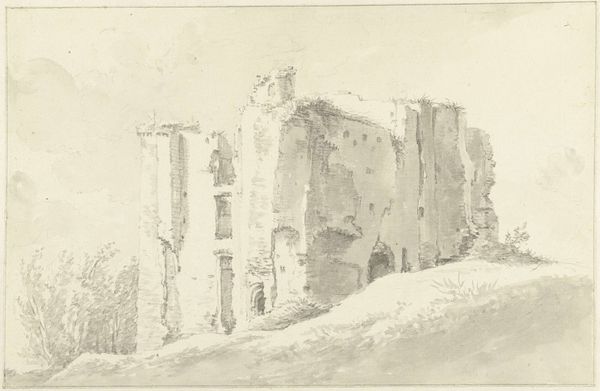
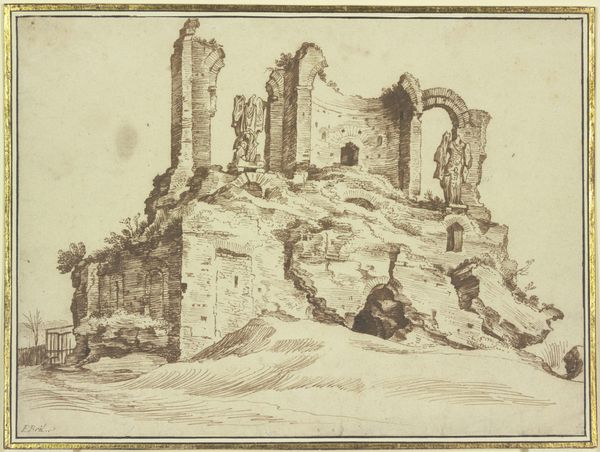
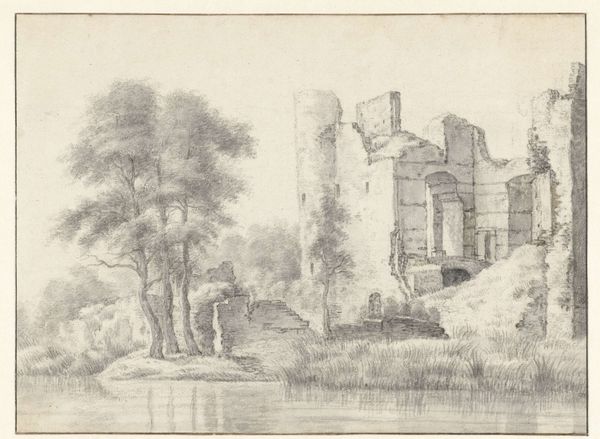
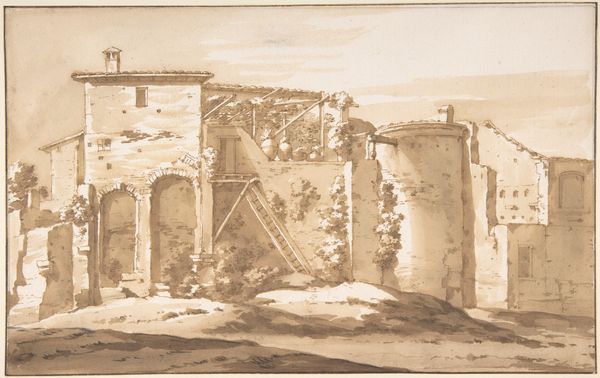
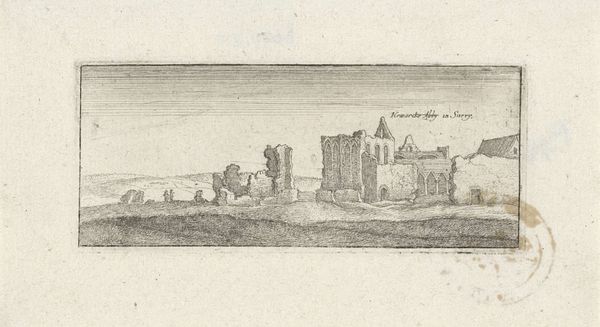
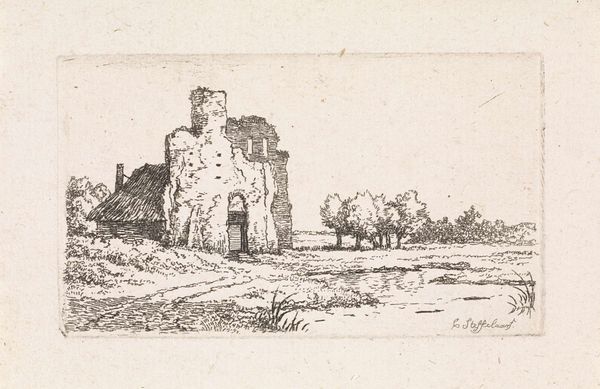
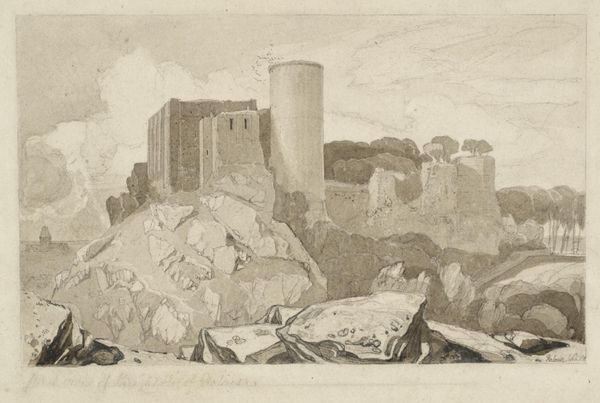
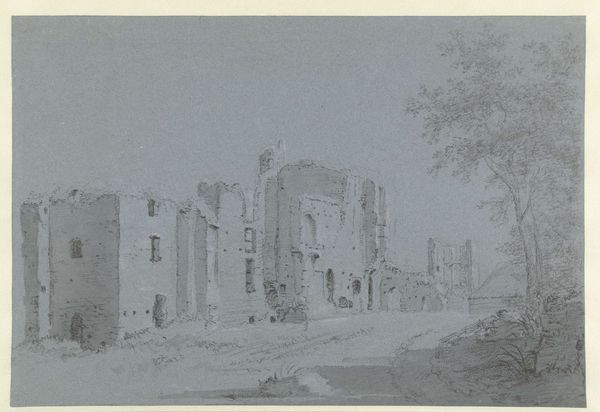
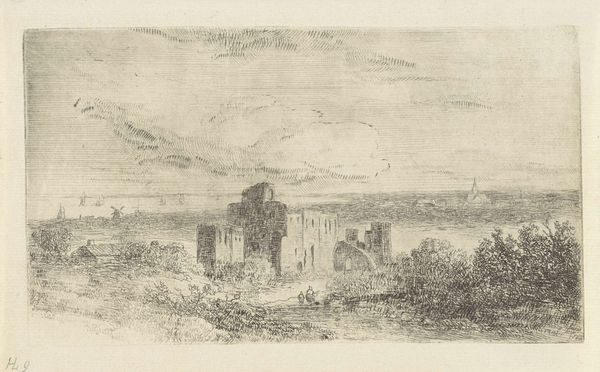
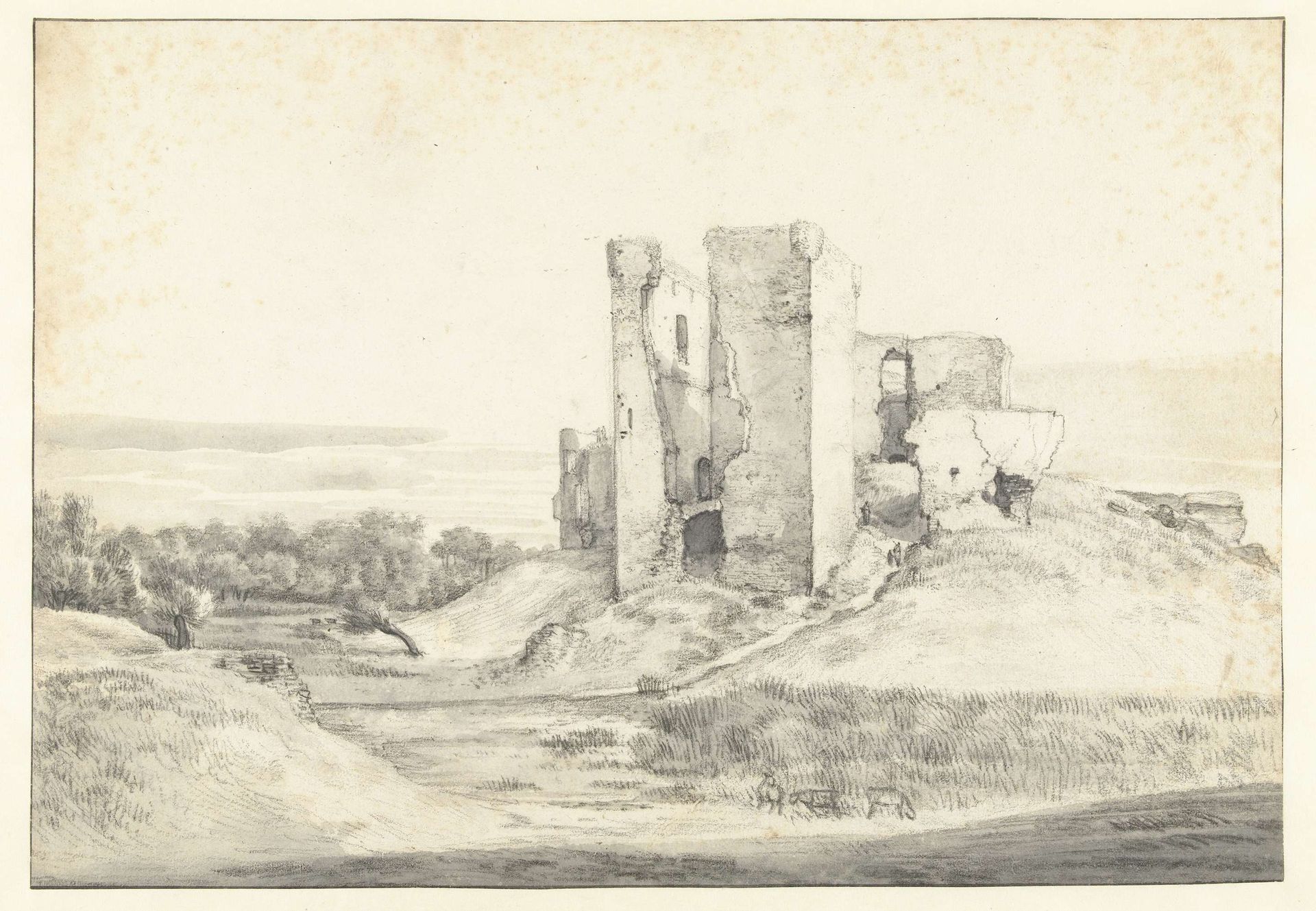
Roelant Roghman captured this view of Kasteel Oostvoorne with pen and brown ink, accentuating it with a brown wash. The ruined castle, a stoic silhouette against the horizon, carries a powerful symbolism. Ruins, like those of Oostvoorne, speak of the transience of power and the inevitable decay of human endeavor, a theme echoing through art history from Piranesi's etchings of Roman ruins to Romantic landscapes pondering the sublime. The motif of decay and ruin is a powerful force engaging viewers on a deep, subconscious level. The crumbling walls remind us of the passage of time, the impermanence of life, and the cycles of destruction and renewal. The ruin motif isn’t linear; it resurfaces, evolves, and takes on new meanings, reminding us of the past's continuous dialogue with the present, and the cultural memory embedded in these visual symbols.
View of Kasteel Oostvoorne, Seen from the West c. 1646 - 1647

Roelant Roghman
1627 - 1692Location
RijksmuseumArtwork details
- Medium
- drawing, pencil
- Dimensions
- height 330 mm, width 475 mm
- Location
- Rijksmuseum
- Copyright
- Rijks Museum: Open Domain
Tags
drawing
dutch-golden-age
pencil sketch
landscape
pencil
realism
Comments
No comments
About this artwork
Roelant Roghman captured this view of Kasteel Oostvoorne with pen and brown ink, accentuating it with a brown wash. The ruined castle, a stoic silhouette against the horizon, carries a powerful symbolism. Ruins, like those of Oostvoorne, speak of the transience of power and the inevitable decay of human endeavor, a theme echoing through art history from Piranesi's etchings of Roman ruins to Romantic landscapes pondering the sublime. The motif of decay and ruin is a powerful force engaging viewers on a deep, subconscious level. The crumbling walls remind us of the passage of time, the impermanence of life, and the cycles of destruction and renewal. The ruin motif isn’t linear; it resurfaces, evolves, and takes on new meanings, reminding us of the past's continuous dialogue with the present, and the cultural memory embedded in these visual symbols.
Comments
No comments