About this artwork
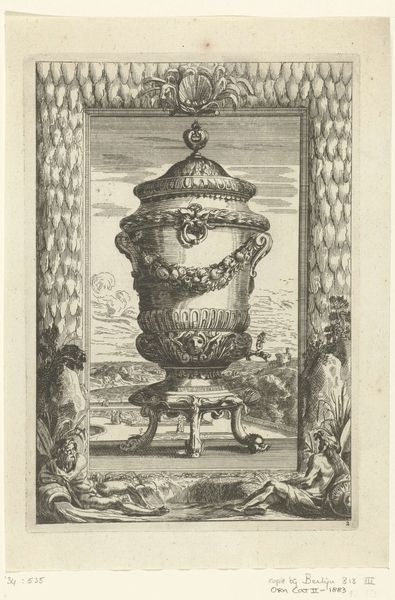
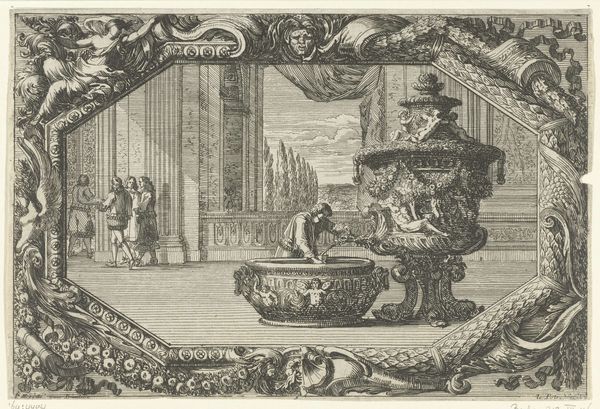
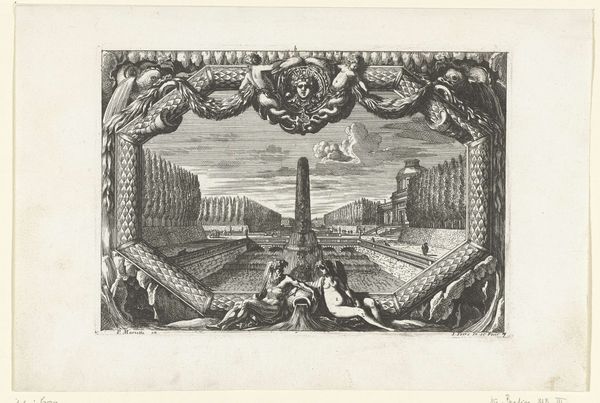
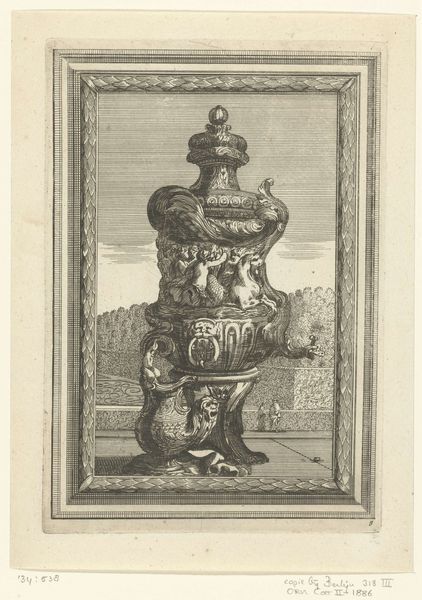
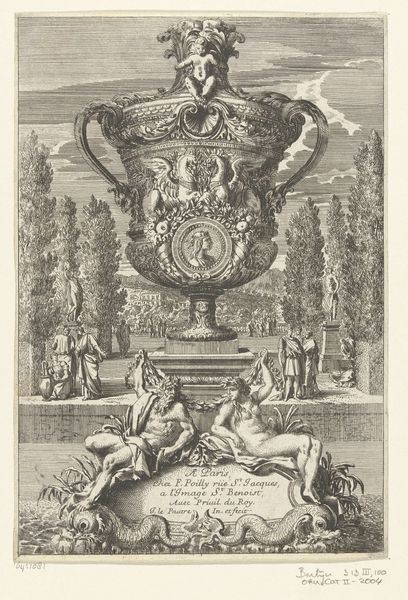
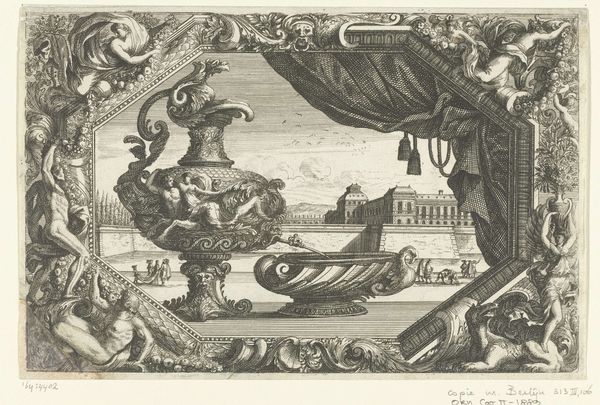
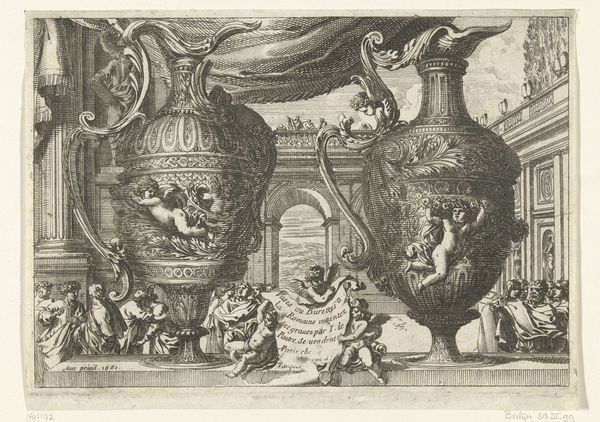
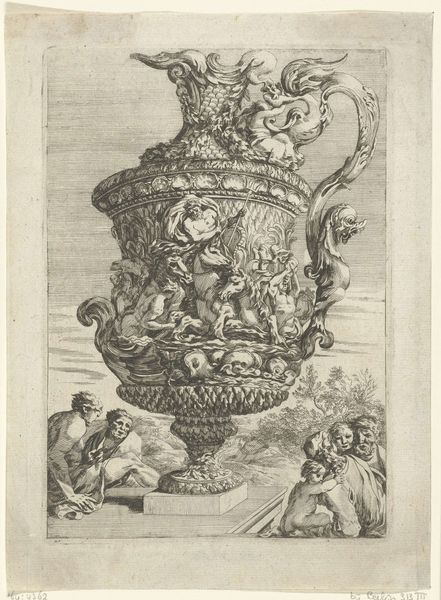
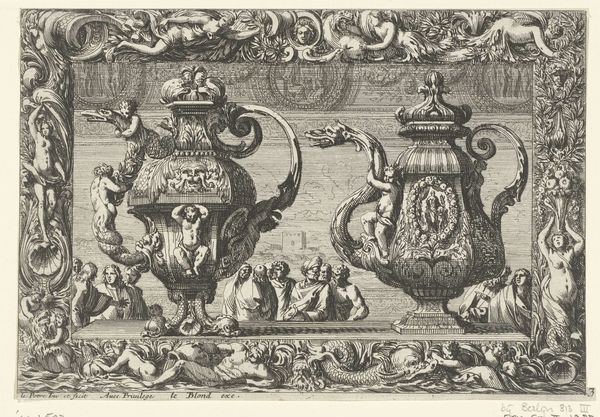
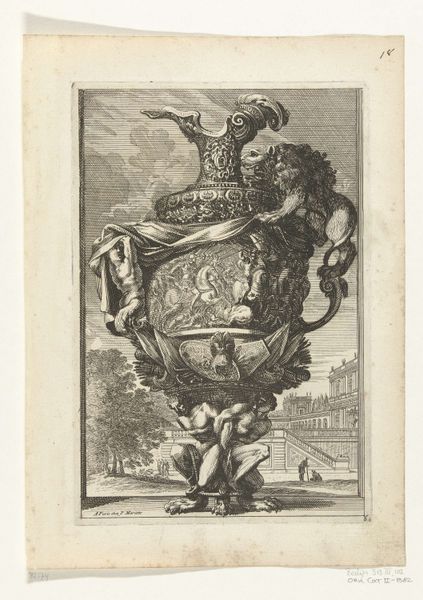
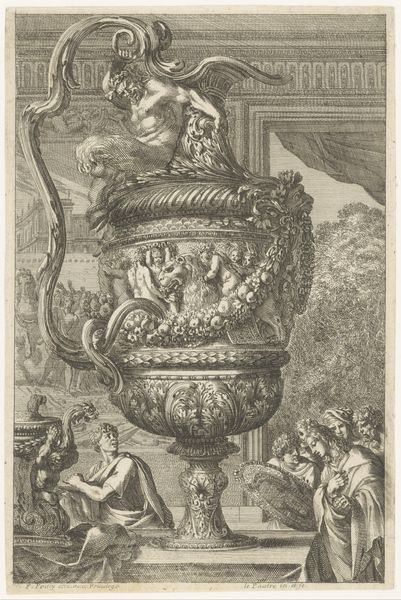
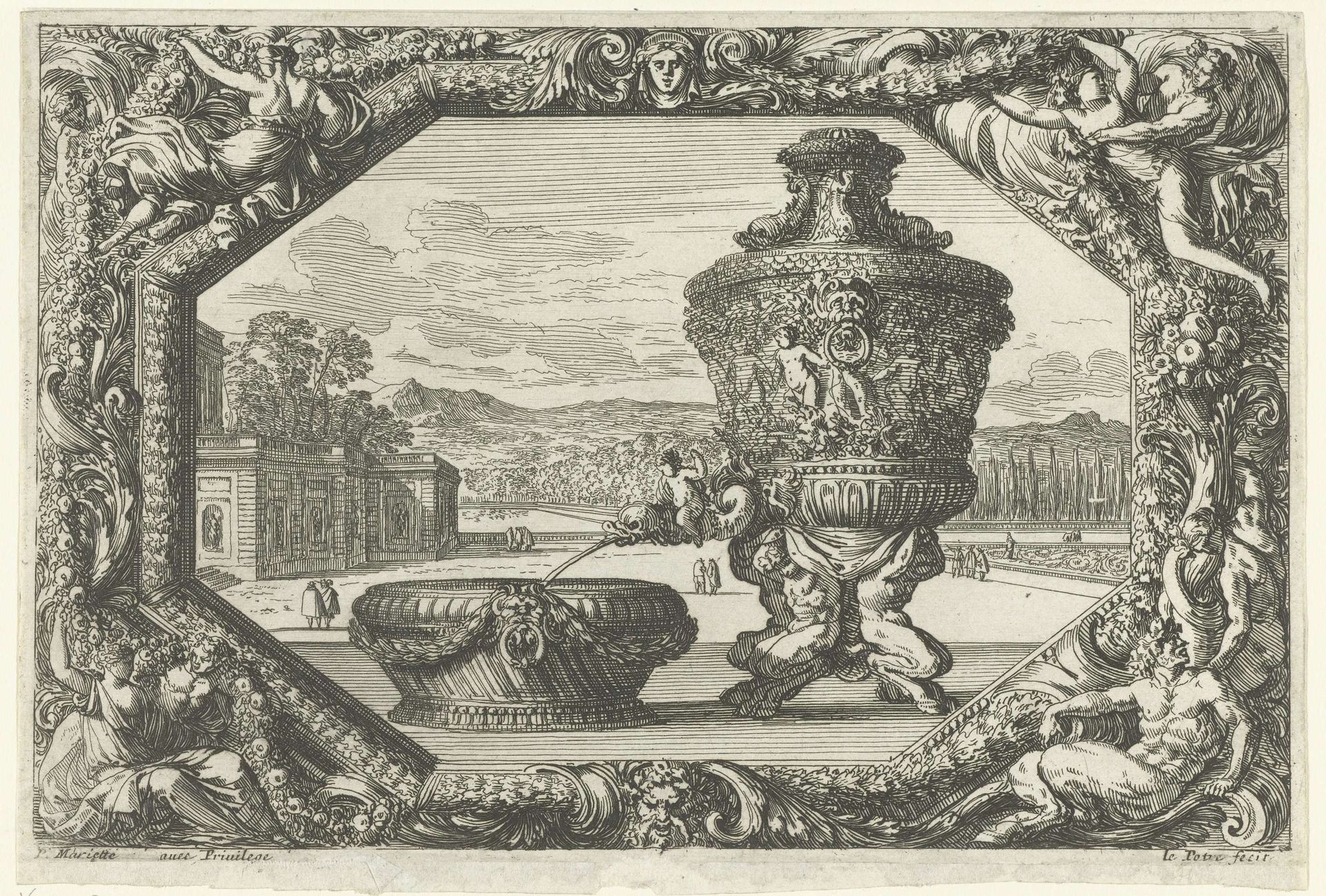
This engraving by Jean Lepautre presents a decorative fountain, teeming with symbolic meaning characteristic of its time. Nymphs, cherubs, and satyrs adorn the frame and fountain, evoking a sense of classical mythology and a connection to the natural world. The figures of Atlas supporting the vase remind us of the enduring fascination with classical antiquity, which experienced a resurgence during the Renaissance and Baroque periods. Yet, these motifs are not mere replicas of the past. They are reinterpreted, infused with new meanings relevant to the cultural and social contexts of the 17th century. The cherubs, derived from pagan cupids, appear frequently in Christian art, becoming symbols of divine love. Note how the motif of the satyr, a symbol of untamed nature, can be traced back to ancient Greece, often associated with Dionysian revelry and uninhibited expression. The depiction of water spouting from the fountain, too, holds significance. Water, a symbol of purification, renewal, and life, has been a potent symbol across cultures and throughout history. As we observe these symbols, consider how they engage our collective memory, triggering subconscious associations and emotions. The non-linear, cyclical progression of these symbols reveals how they resurface, evolve, and take on new meanings.
Bassin en mobiele waterfontein in cartouche c. 1657 - 1661

Jean Lepautre
1618 - 1682Location
RijksmuseumArtwork details
- Medium
- print, etching
- Dimensions
- height 145 mm, width 219 mm
- Location
- Rijksmuseum
- Copyright
- Rijks Museum: Open Domain
Tags
baroque
etching
landscape
history-painting
decorative-art
Comments
No comments
About this artwork
This engraving by Jean Lepautre presents a decorative fountain, teeming with symbolic meaning characteristic of its time. Nymphs, cherubs, and satyrs adorn the frame and fountain, evoking a sense of classical mythology and a connection to the natural world. The figures of Atlas supporting the vase remind us of the enduring fascination with classical antiquity, which experienced a resurgence during the Renaissance and Baroque periods. Yet, these motifs are not mere replicas of the past. They are reinterpreted, infused with new meanings relevant to the cultural and social contexts of the 17th century. The cherubs, derived from pagan cupids, appear frequently in Christian art, becoming symbols of divine love. Note how the motif of the satyr, a symbol of untamed nature, can be traced back to ancient Greece, often associated with Dionysian revelry and uninhibited expression. The depiction of water spouting from the fountain, too, holds significance. Water, a symbol of purification, renewal, and life, has been a potent symbol across cultures and throughout history. As we observe these symbols, consider how they engage our collective memory, triggering subconscious associations and emotions. The non-linear, cyclical progression of these symbols reveals how they resurface, evolve, and take on new meanings.
Comments
No comments