About this artwork
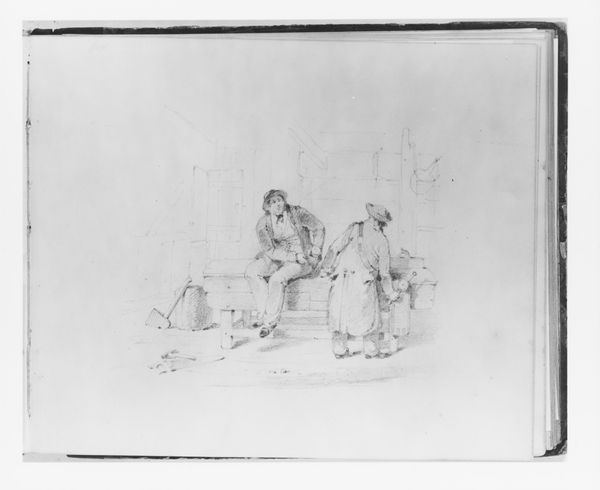
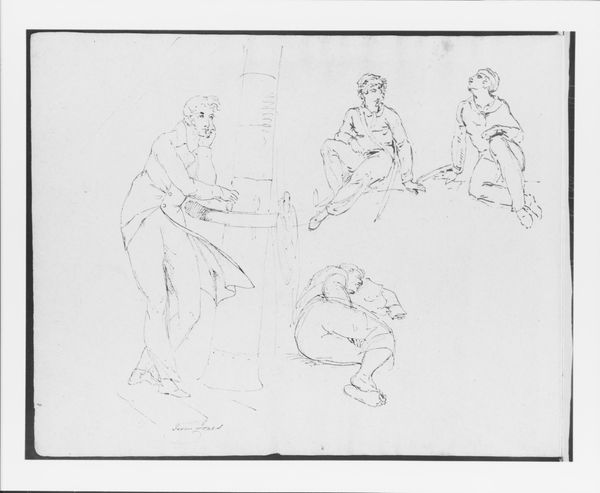
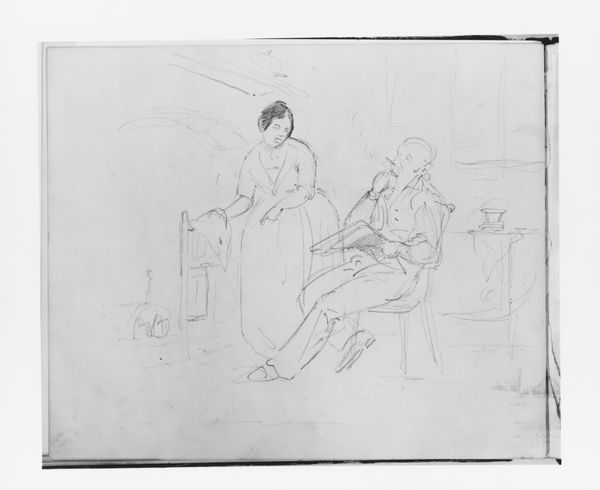
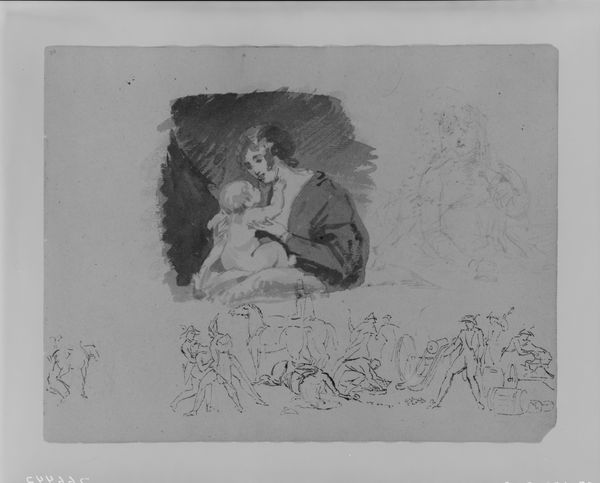
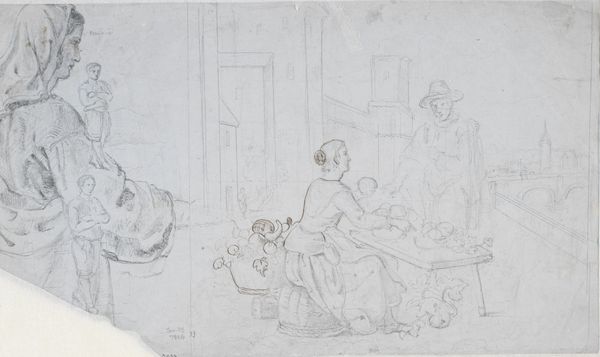
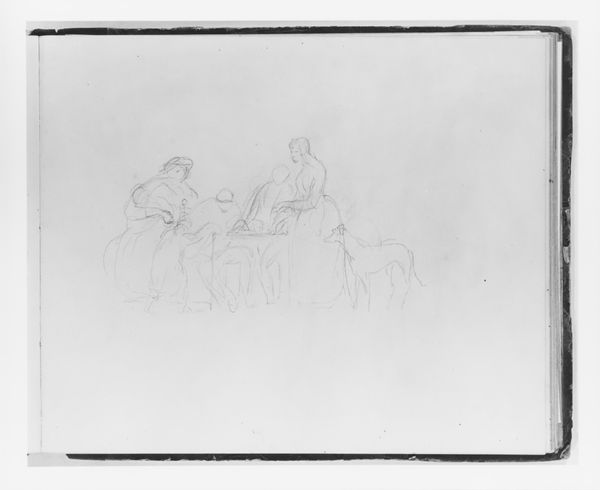
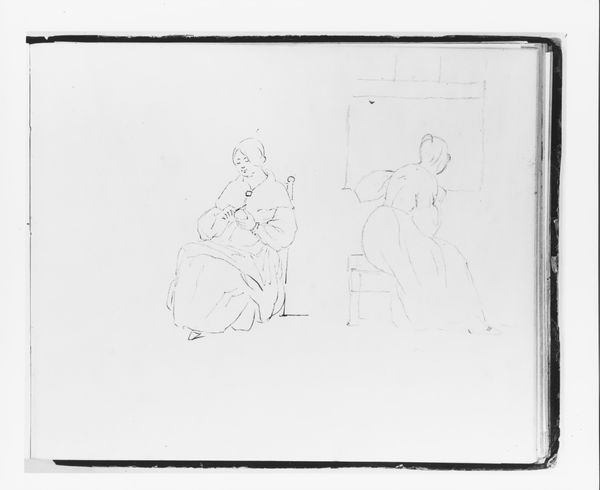
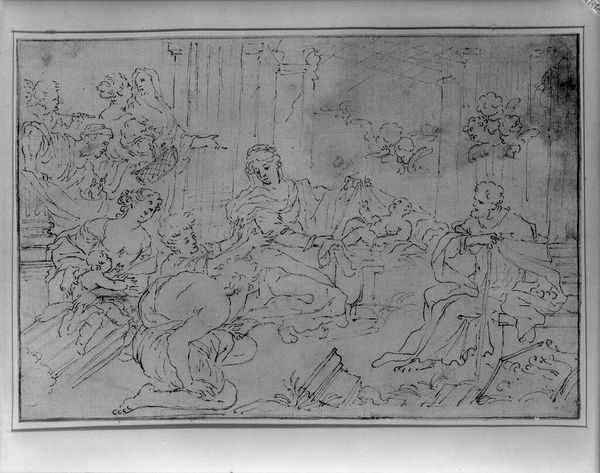
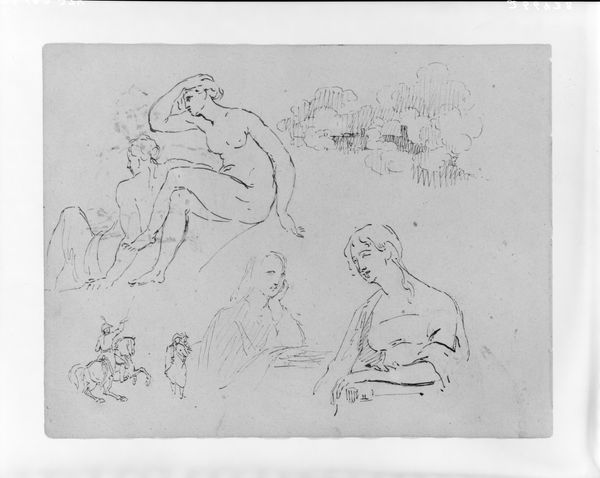
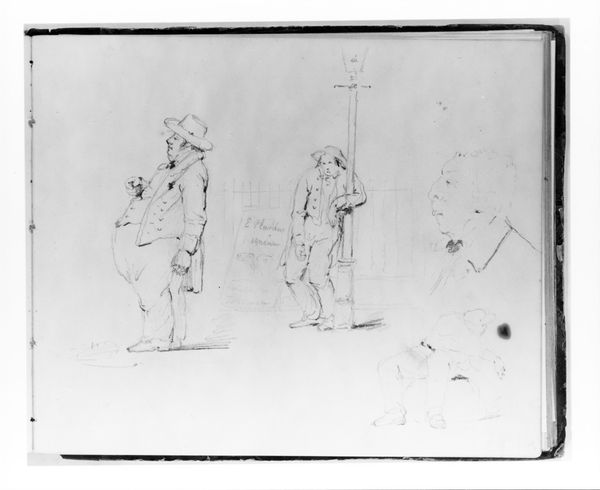
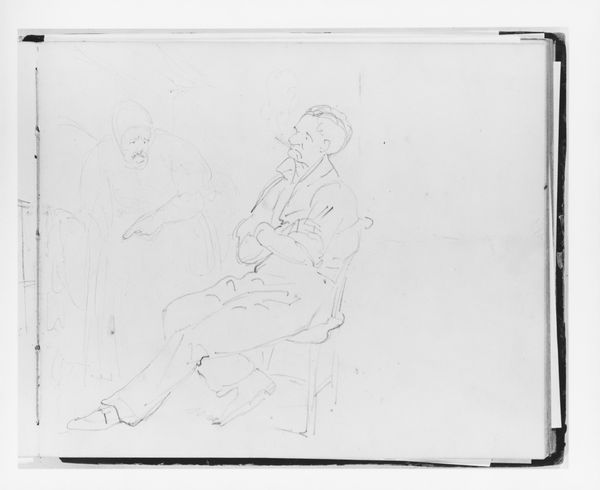
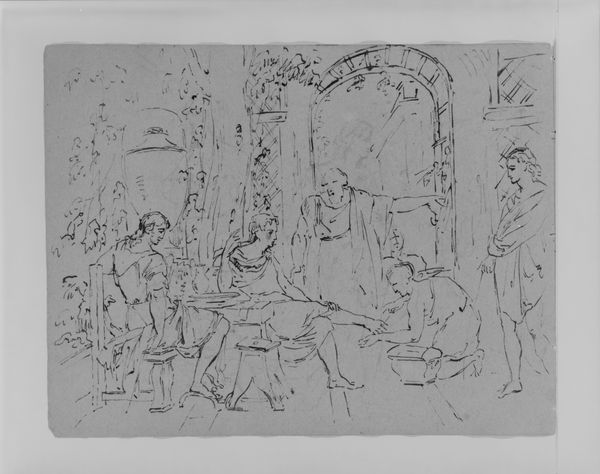
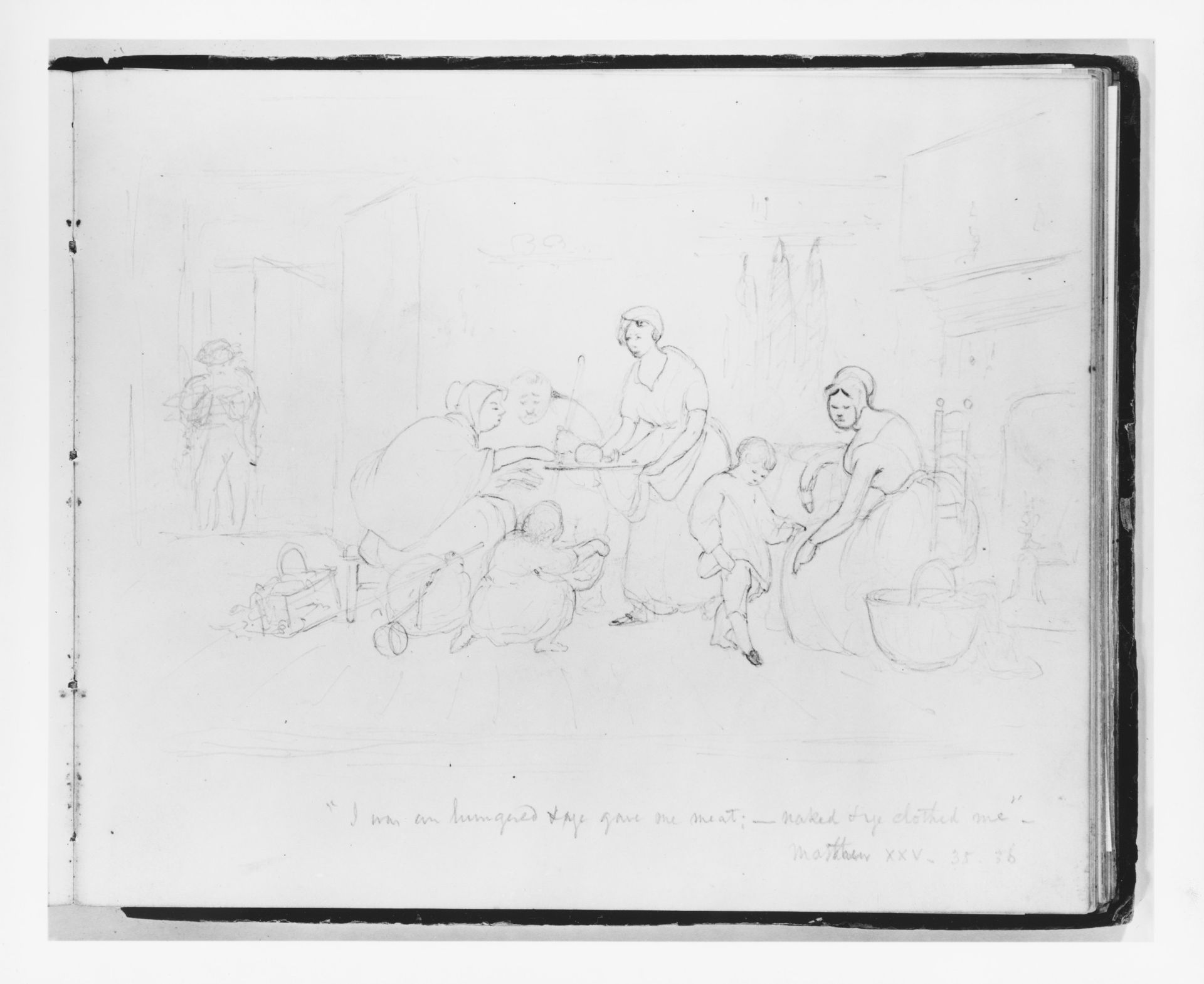
This pencil sketch was made by Francis William Edmonds in the 19th century, and it's a page torn from a sketchbook. The drawing depicts a scene of domestic labor, with women and children gathered inside a humble dwelling; one woman washes a child, while others prepare food. Edmonds' choice of pencil on paper is significant. Unlike the laborious process of oil painting, which demanded time, specialized knowledge and expensive material, sketching allowed for quick, informal studies of everyday life. Notice how the artist has captured the scene with loose, gestural lines, conveying a sense of immediacy and intimacy. The sketch offers insight into the social context of Edmonds’ time. The labor and care provided within the domestic sphere are laid bare for the viewer. In Edmonds' work, we see not just an aesthetic exercise, but a meditation on the value of human kindness.
"I was hungered and ye gave me meat; —naked and ye clothed, me." Matthew XXV: 35–36 (from Sketchbook)
1835 - 1839

Francis William Edmonds
1806 - 1863
The Metropolitan Museum of Art
Metropolitan Museum of Art, New York, NYArtwork details
- Medium
- drawing, paper, pencil
- Dimensions
- 6 5/8 x 8 in. (16.8 x 20.3 cm)
- Location
- Metropolitan Museum of Art, New York, NY
- Copyright
- Public Domain
Tags
Comments
Share your thoughts
About this artwork
This pencil sketch was made by Francis William Edmonds in the 19th century, and it's a page torn from a sketchbook. The drawing depicts a scene of domestic labor, with women and children gathered inside a humble dwelling; one woman washes a child, while others prepare food. Edmonds' choice of pencil on paper is significant. Unlike the laborious process of oil painting, which demanded time, specialized knowledge and expensive material, sketching allowed for quick, informal studies of everyday life. Notice how the artist has captured the scene with loose, gestural lines, conveying a sense of immediacy and intimacy. The sketch offers insight into the social context of Edmonds’ time. The labor and care provided within the domestic sphere are laid bare for the viewer. In Edmonds' work, we see not just an aesthetic exercise, but a meditation on the value of human kindness.
Comments
Share your thoughts