About this artwork
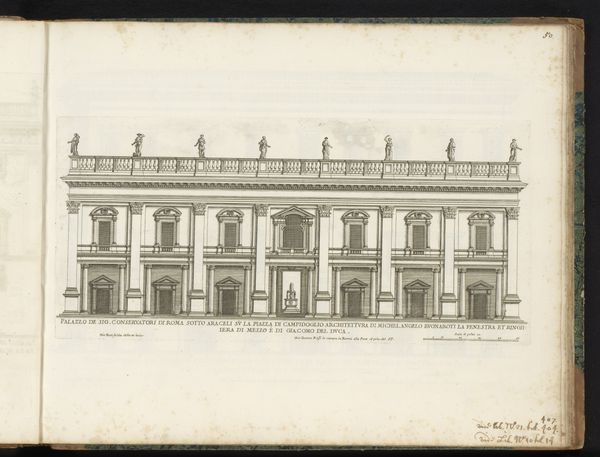
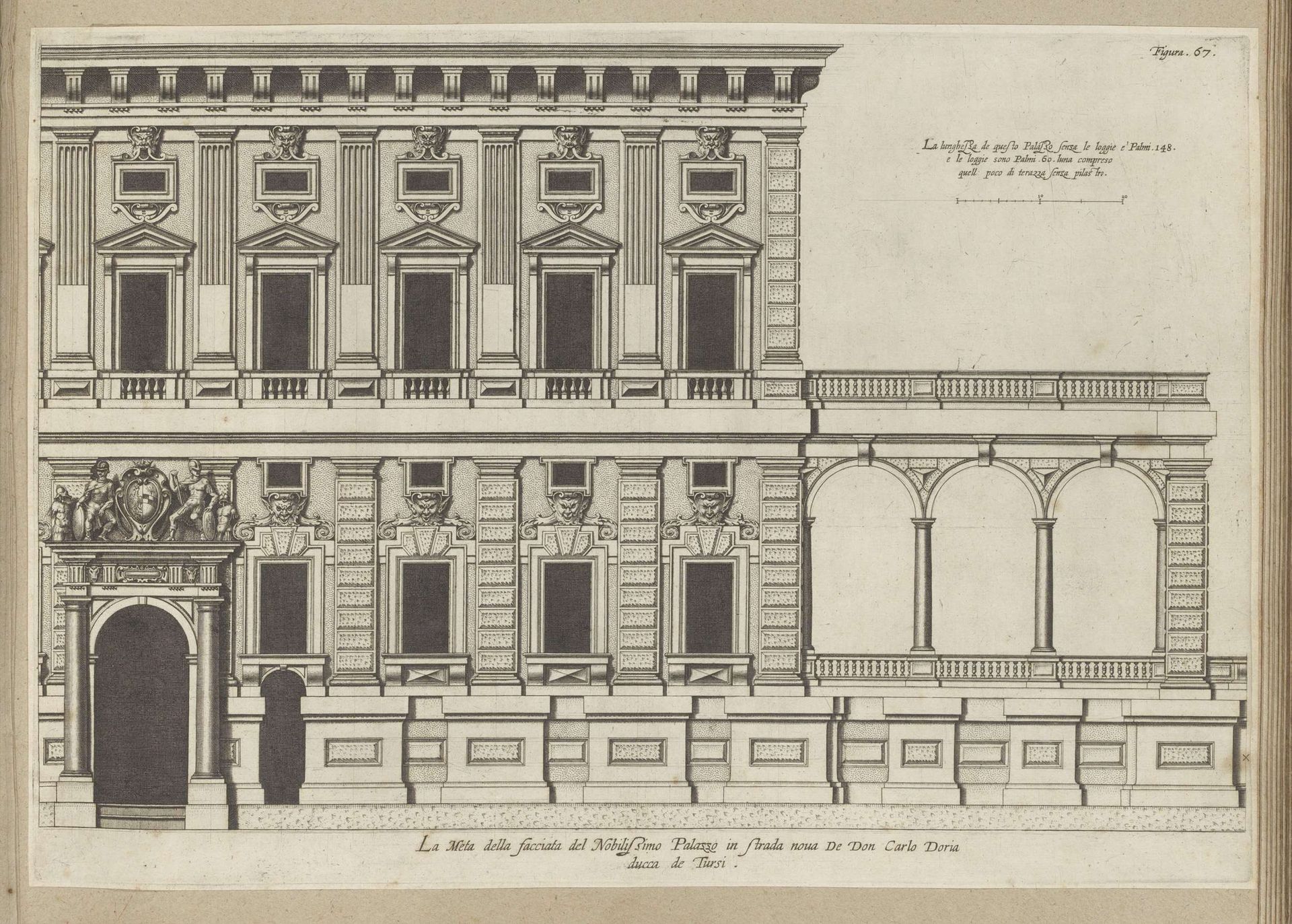
This drawing by Nicolaes Ryckmans captures half the façade of Palazzo Doria-Tursi in Genoa. Note the recurring motif of the grotesque masks adorning the window frames. These heads, often interpreted as apotropaic devices, were intended to ward off evil spirits, echoing ancient practices of adorning buildings with intimidating visages. The use of grotesque masks can be traced back to classical antiquity, where similar figures appeared on temples and public buildings, meant to protect sacred spaces from malevolent forces. This motif resurfaces throughout history, finding its way into Romanesque and Gothic architecture. One could argue that the persistence of these protective symbols reflects a collective human anxiety, a deep-seated need to guard against unseen dangers. The emotional power of these images lies in their ability to tap into our primal fears and offer a sense of security. Ultimately, the Palazzo’s façade exemplifies how such protective symbols evolve, adapting to new cultural contexts while retaining their fundamental purpose – to confront and dispel the darkness.
Opstand van de halve façade van Palazzo Doria-Tursi te Genua
1622

Nicolaes Ryckmans
1595Location
RijksmuseumArtwork details
- Medium
- drawing, paper, engraving, architecture
- Dimensions
- height 290 mm, width 418 mm, height 583 mm, width 435 mm
- Location
- Rijksmuseum
- Copyright
- Rijks Museum: Open Domain
Tags
Comments
Share your thoughts
About this artwork
This drawing by Nicolaes Ryckmans captures half the façade of Palazzo Doria-Tursi in Genoa. Note the recurring motif of the grotesque masks adorning the window frames. These heads, often interpreted as apotropaic devices, were intended to ward off evil spirits, echoing ancient practices of adorning buildings with intimidating visages. The use of grotesque masks can be traced back to classical antiquity, where similar figures appeared on temples and public buildings, meant to protect sacred spaces from malevolent forces. This motif resurfaces throughout history, finding its way into Romanesque and Gothic architecture. One could argue that the persistence of these protective symbols reflects a collective human anxiety, a deep-seated need to guard against unseen dangers. The emotional power of these images lies in their ability to tap into our primal fears and offer a sense of security. Ultimately, the Palazzo’s façade exemplifies how such protective symbols evolve, adapting to new cultural contexts while retaining their fundamental purpose – to confront and dispel the darkness.
Comments
Share your thoughts