1782 - 1837
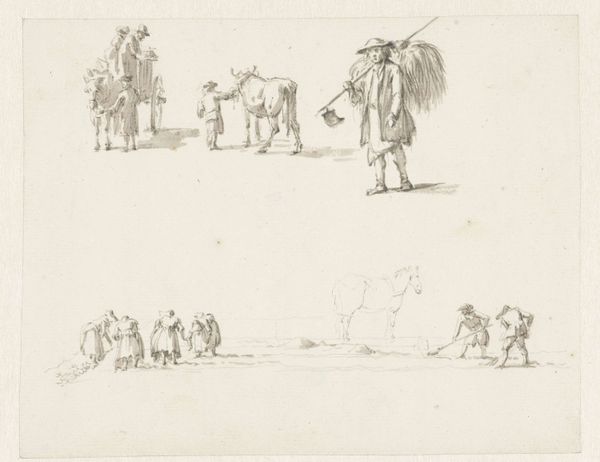
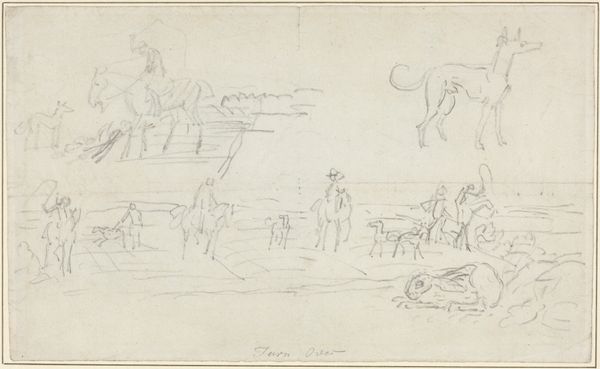
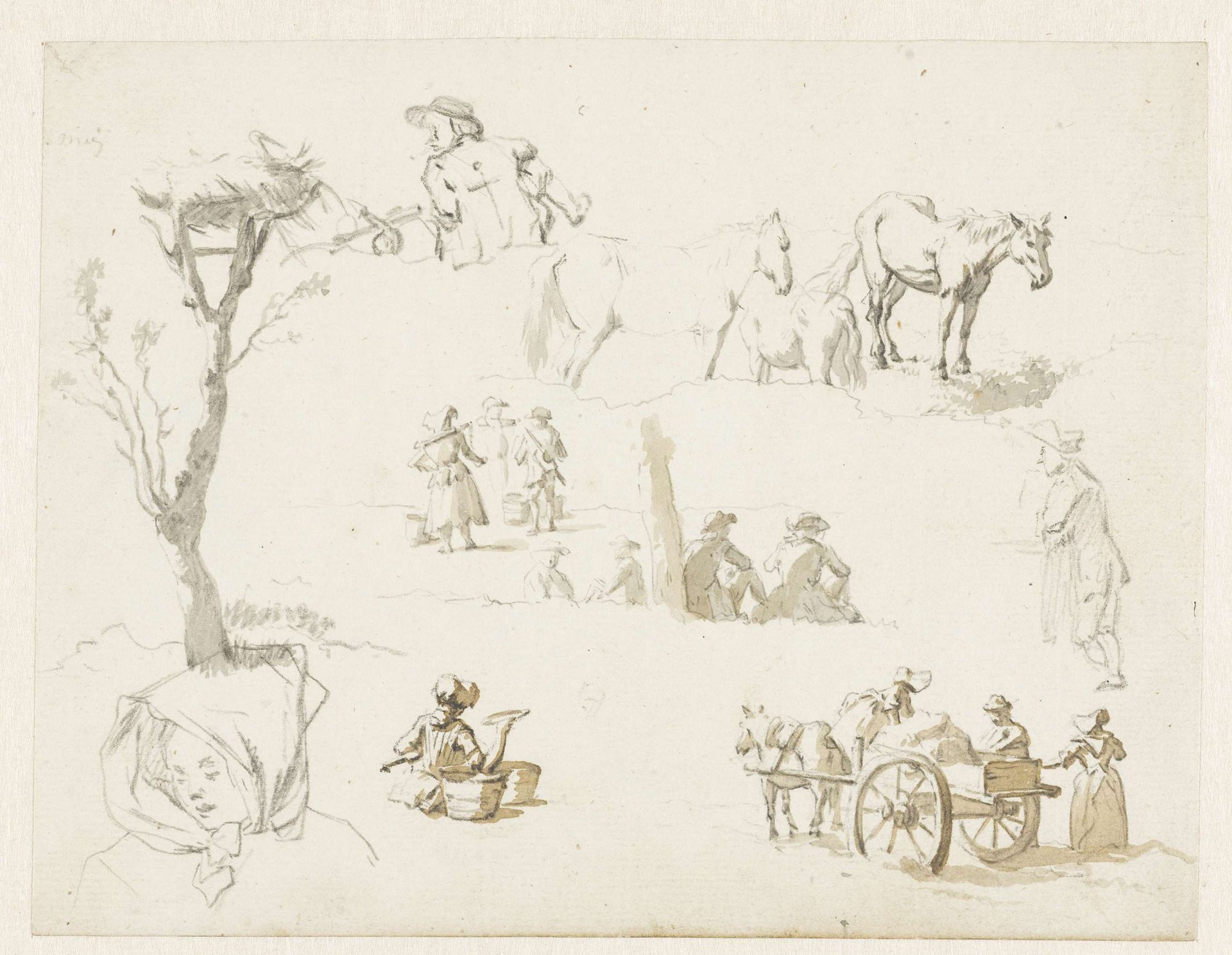
Studies van landlieden, paarden en een ooievaarsnest

Pieter Bartholomeusz. Barbiers
1772 - 1837Location
RijksmuseumListen to curator's interpretation
Curatorial notes
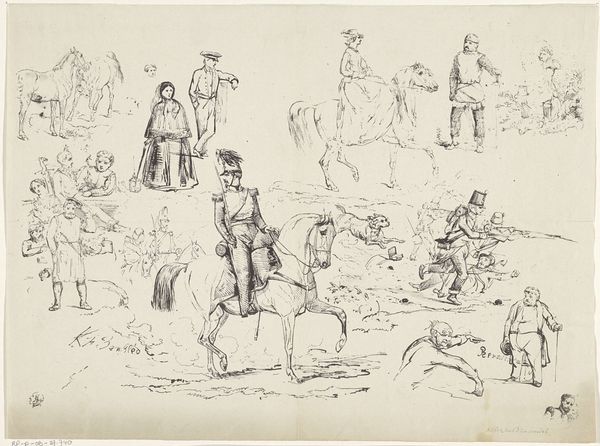
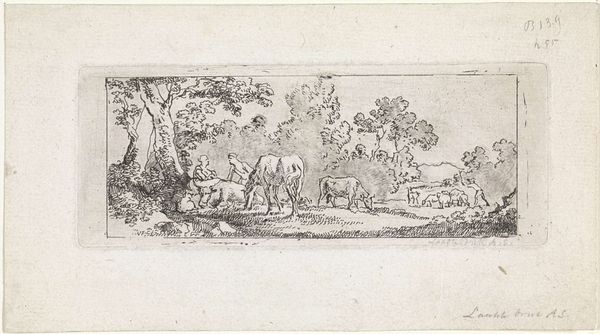
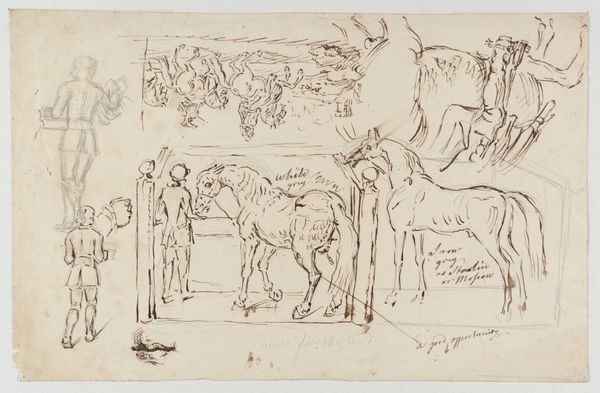
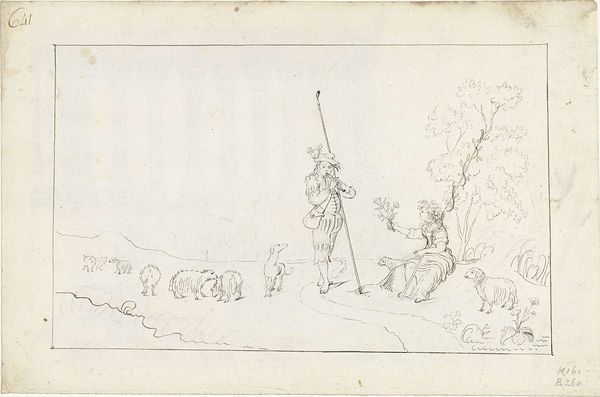
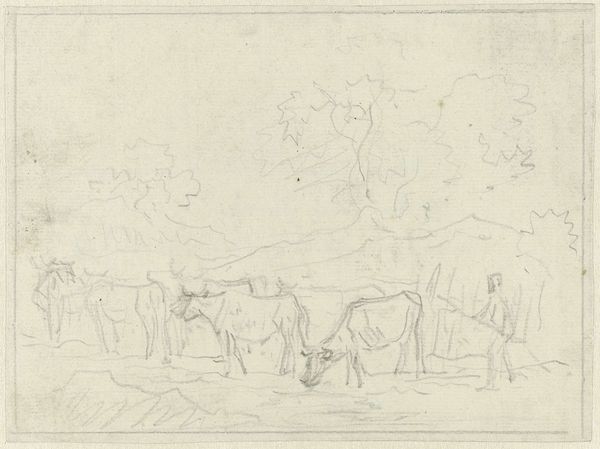
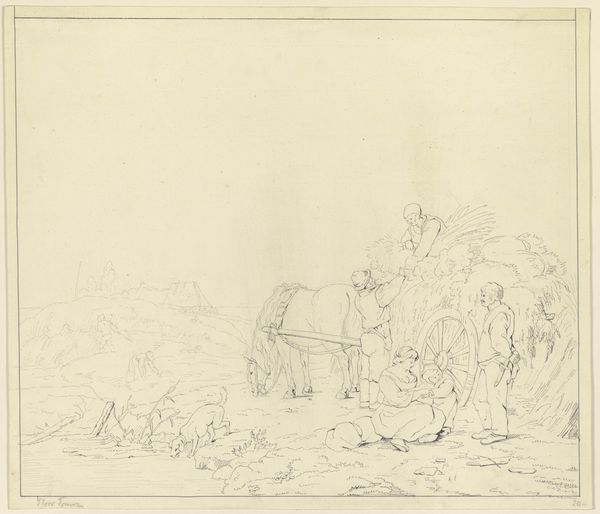
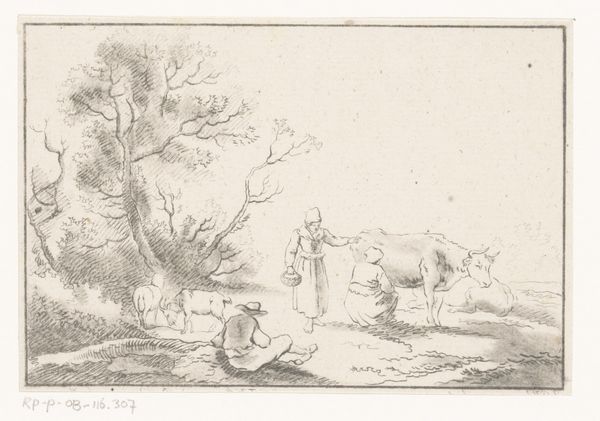
This drawing of rural life was made by Pieter Bartholomeusz. Barbiers in the late 18th or early 19th century. The artist’s choice to depict farmers, horses, and a stork's nest is telling of the cultural values of the time, when the Dutch countryside was seen as a source of national identity and pride. It's worth noting that while this drawing romanticizes rural life, it also obscures the harsh realities faced by many working-class people during this period. The image offers a glimpse into the relationship between humans and animals, reflecting the agrarian society of the time. As you look at it, consider how the artist’s choice of subject matter both celebrates and simplifies the complexities of rural existence. The idyllic scenes may evoke a sense of nostalgia for a simpler time, yet it’s important to remember that such representations often mask underlying social and economic disparities. This drawing then becomes a reminder of how art can both reflect and shape our understanding of history, inviting us to critically examine the stories we tell ourselves about the past.