About this artwork
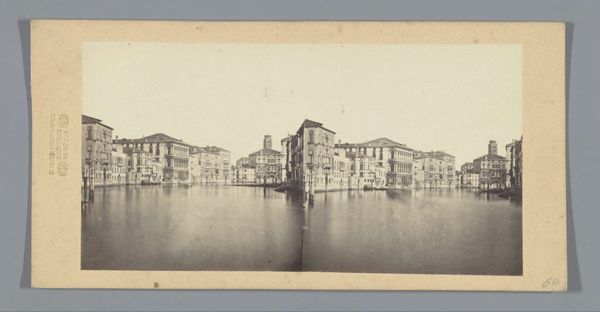
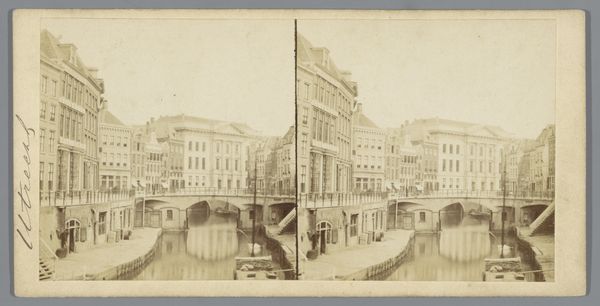
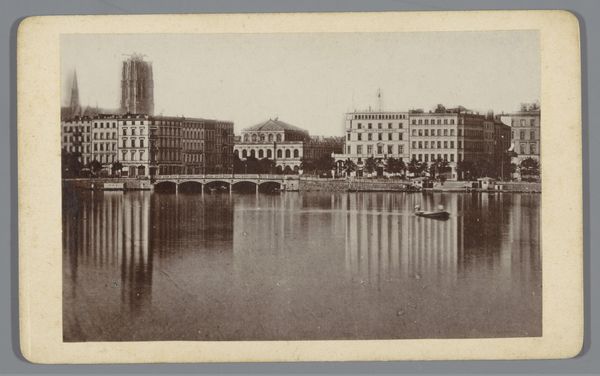
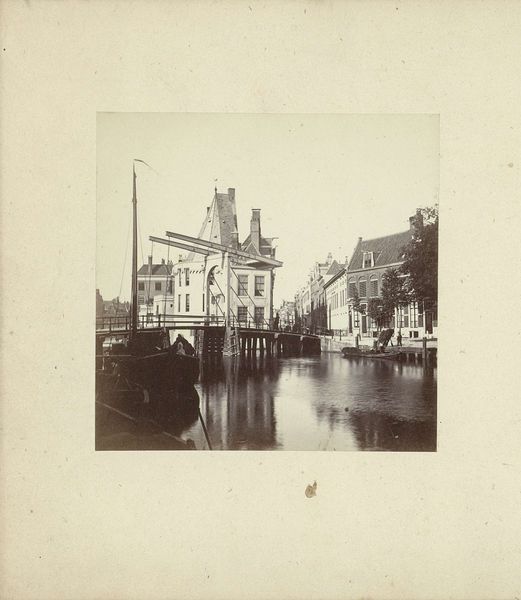
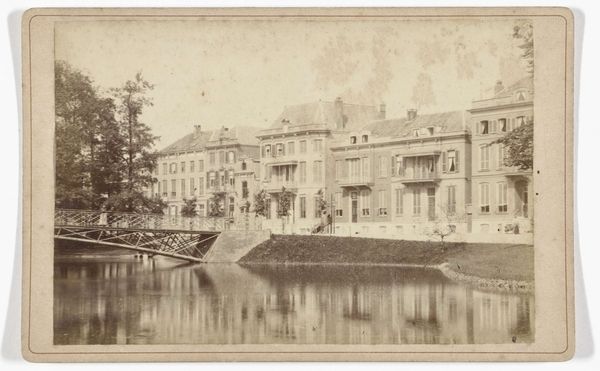
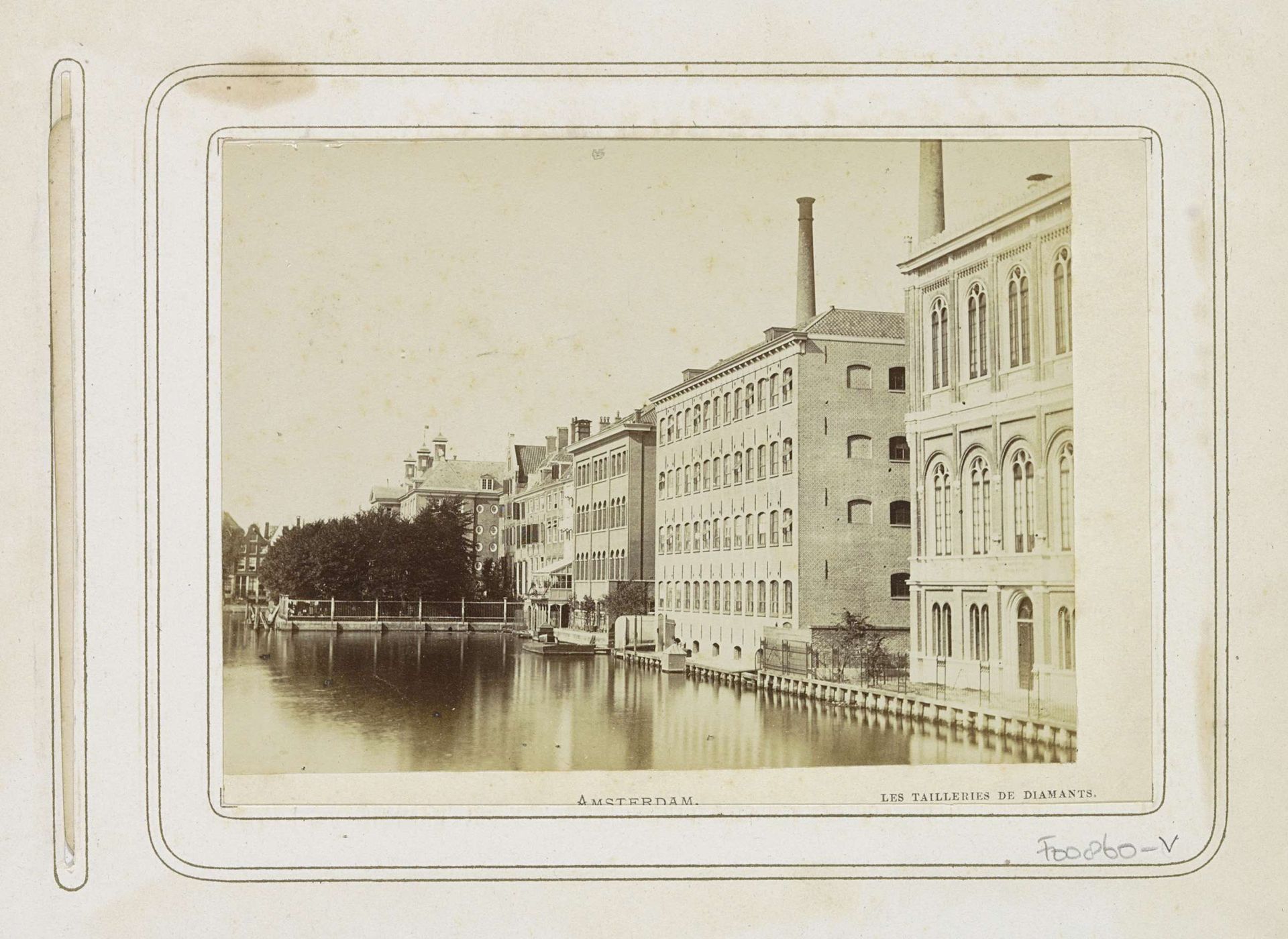
Andries Jager made this photograph of diamond factories along the Amstel in Amsterdam in the 19th century. The image presents a seemingly straightforward view, but it opens a window onto a complex world of labor, capital, and global trade. The factories themselves, with their large windows to maximize light for the intricate work of diamond cutting, reflect Amsterdam's dominance in the diamond trade at the time. This industry was largely shaped by Jewish merchants and workers, who brought their expertise from Antwerp in the 16th century and built a thriving community around this craft. The growth of these industries coincided with the rise of trade unionism, as workers sought to improve their conditions and gain a larger share of the profits. Historical documents, such as company records, labor contracts, and union publications, help to flesh out the lives of the people who worked in these factories and the broader social and economic context in which they operated.
Gezicht op diamantslijperijen aan de Amstel tussen de Zwanenburgwal en het Waterlooplein
1860 - 1875

Andries Jager
1825 - 1905Location
RijksmuseumArtwork details
- Medium
- print, daguerreotype, photography
- Dimensions
- height 107 mm, width 165 mm
- Location
- Rijksmuseum
- Copyright
- Rijks Museum: Open Domain
Tags
Comments
Share your thoughts
About this artwork
Andries Jager made this photograph of diamond factories along the Amstel in Amsterdam in the 19th century. The image presents a seemingly straightforward view, but it opens a window onto a complex world of labor, capital, and global trade. The factories themselves, with their large windows to maximize light for the intricate work of diamond cutting, reflect Amsterdam's dominance in the diamond trade at the time. This industry was largely shaped by Jewish merchants and workers, who brought their expertise from Antwerp in the 16th century and built a thriving community around this craft. The growth of these industries coincided with the rise of trade unionism, as workers sought to improve their conditions and gain a larger share of the profits. Historical documents, such as company records, labor contracts, and union publications, help to flesh out the lives of the people who worked in these factories and the broader social and economic context in which they operated.
Comments
Share your thoughts