About this artwork
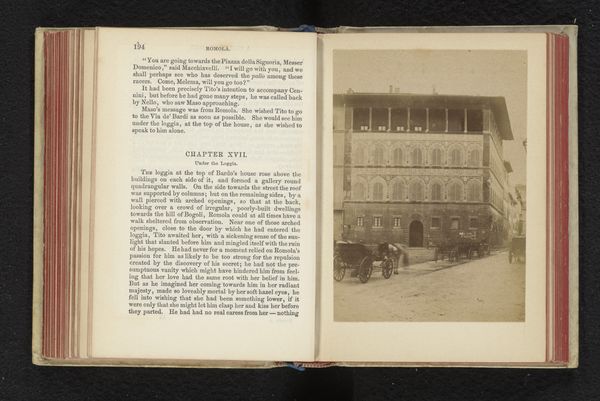
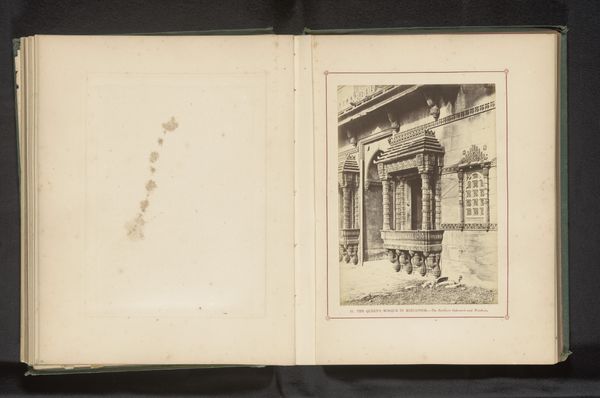
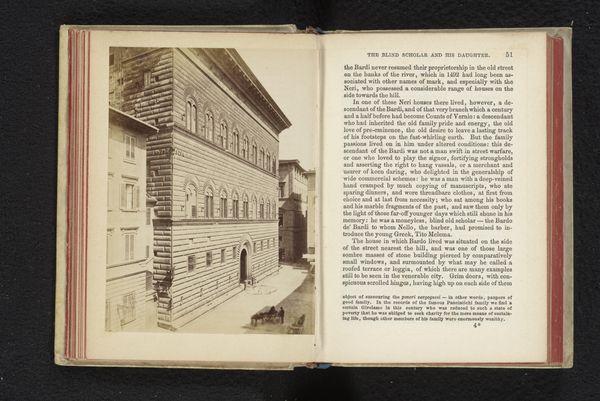
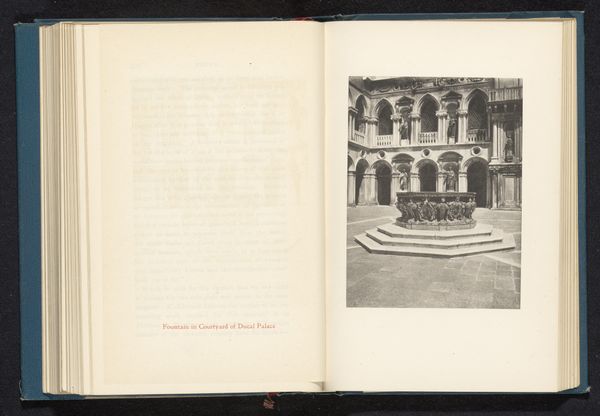
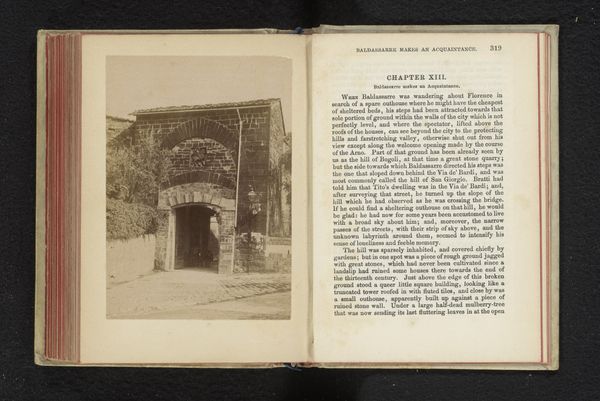
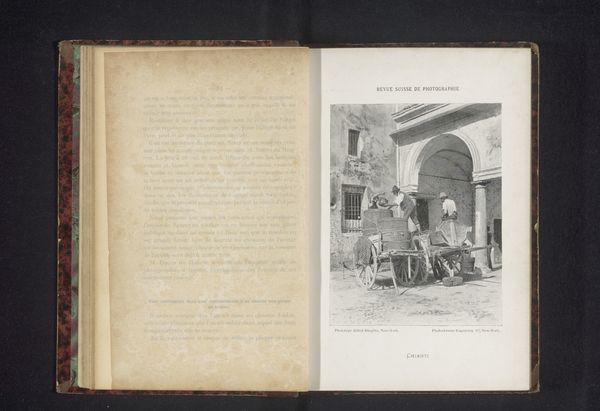
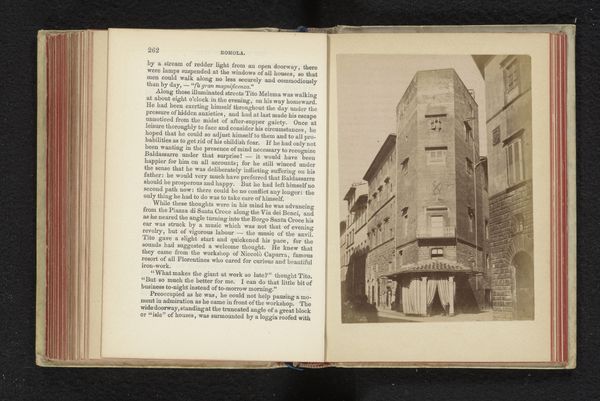
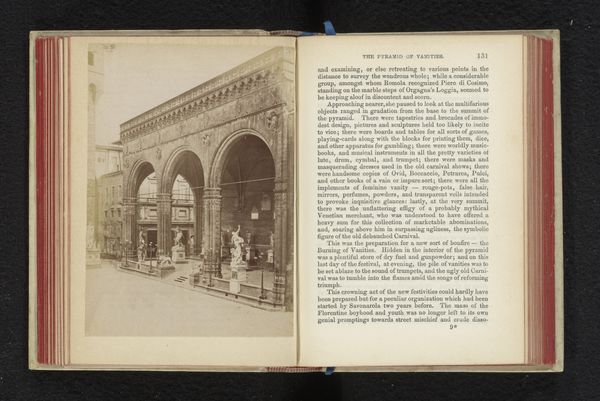
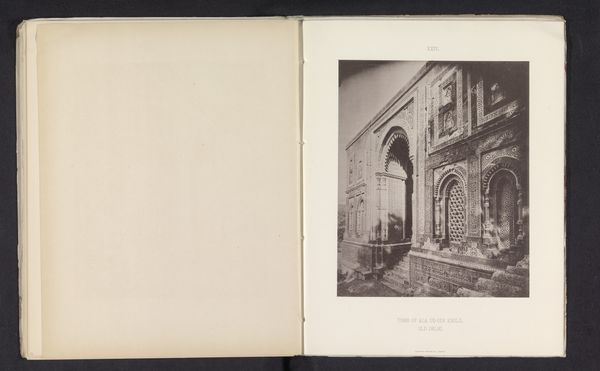
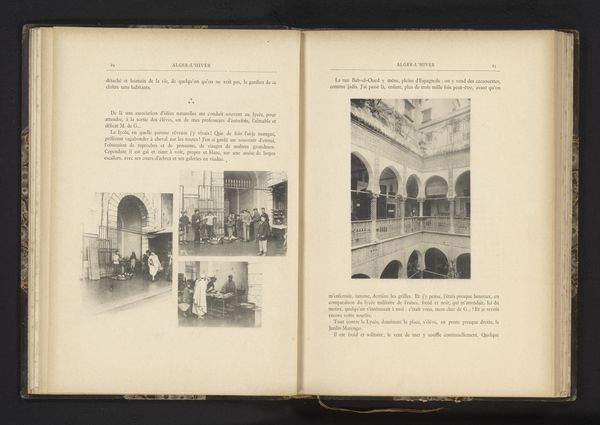
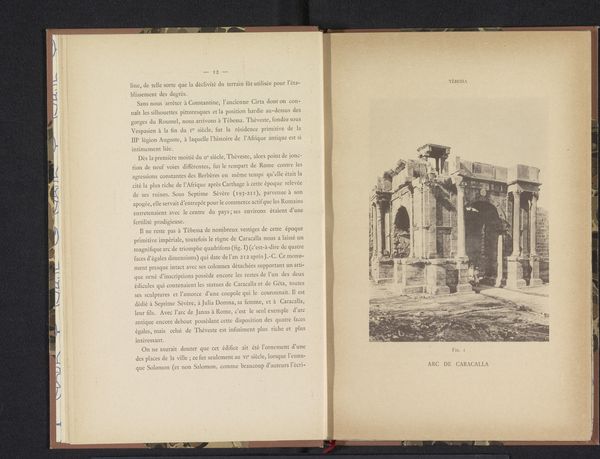
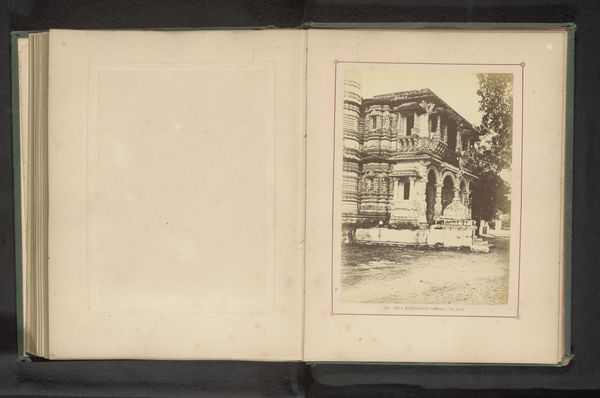
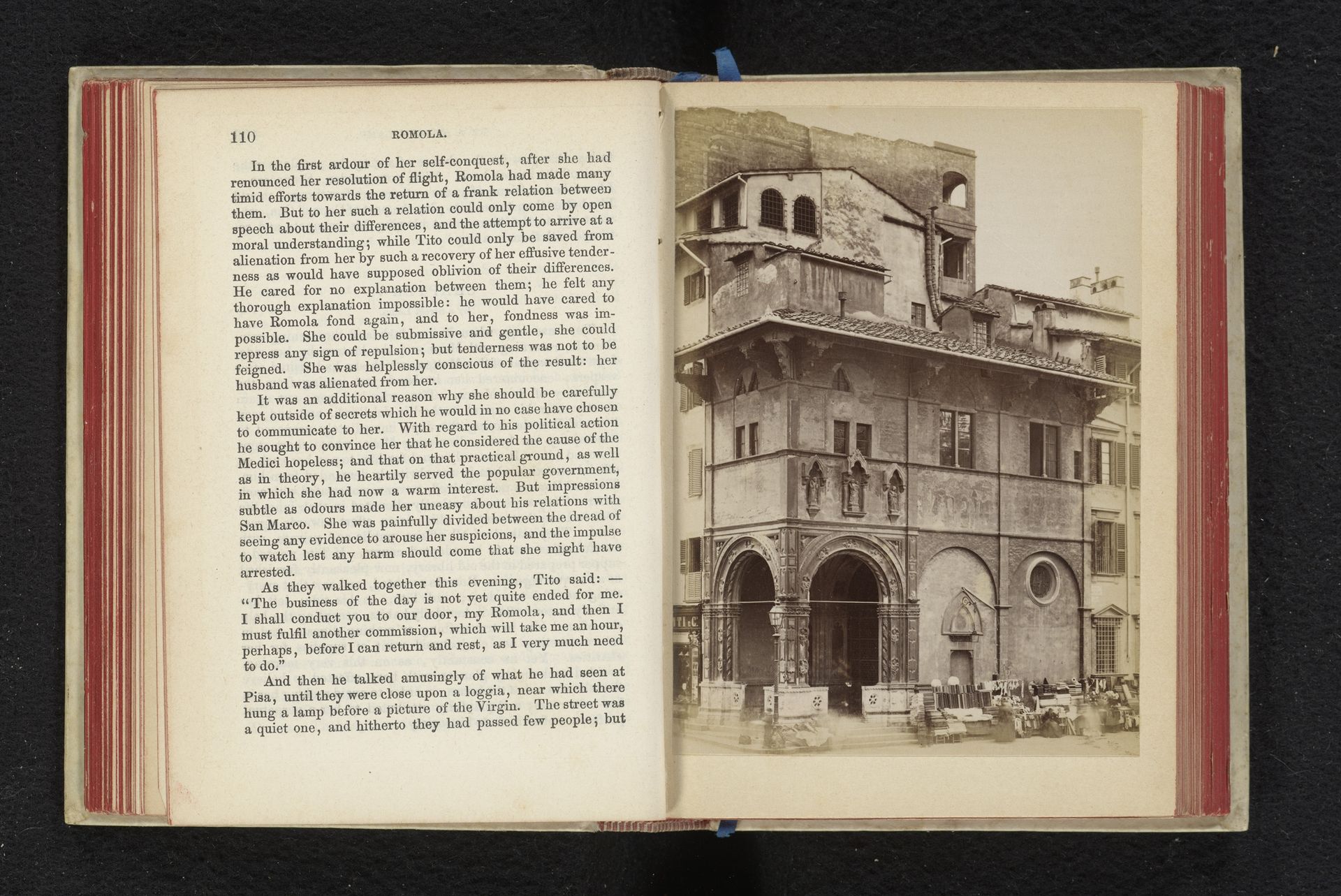
This photograph of the Loggia del Bigallo in Florence, was taken by Giacomo Brogi in the 19th century. Its monochrome palette allows for a focused study of form and structure. The building is captured with a precise eye for architectural detail, and the contrasting tones evoke the play of light and shadow on its textured surfaces. The composition emphasizes the building's facade, its arches creating a rhythm that draws the viewer's eye deeper into the scene. The building's structural elements are not just aesthetic, but also function as signs that point to broader cultural codes. The arches suggest openness and accessibility, while the solid walls convey a sense of enclosure and protection. The interplay between these elements challenges any fixed meaning, inviting contemplation on themes of accessibility, power, and representation. The photograph itself is not merely a depiction of architecture, but an engagement with the structural and semiotic dimensions of the built environment.

Artwork details
- Medium
- print, photography, albumen-print
- Dimensions
- height 136 mm, width 98 mm
- Copyright
- Rijks Museum: Open Domain
Tags
Comments
Share your thoughts
About this artwork
This photograph of the Loggia del Bigallo in Florence, was taken by Giacomo Brogi in the 19th century. Its monochrome palette allows for a focused study of form and structure. The building is captured with a precise eye for architectural detail, and the contrasting tones evoke the play of light and shadow on its textured surfaces. The composition emphasizes the building's facade, its arches creating a rhythm that draws the viewer's eye deeper into the scene. The building's structural elements are not just aesthetic, but also function as signs that point to broader cultural codes. The arches suggest openness and accessibility, while the solid walls convey a sense of enclosure and protection. The interplay between these elements challenges any fixed meaning, inviting contemplation on themes of accessibility, power, and representation. The photograph itself is not merely a depiction of architecture, but an engagement with the structural and semiotic dimensions of the built environment.
Comments
Share your thoughts