About this artwork
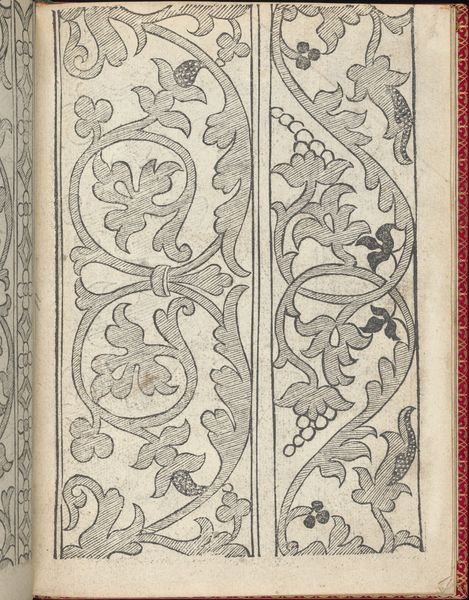
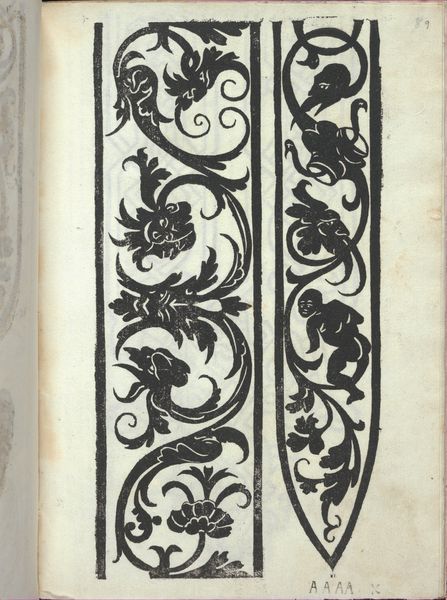
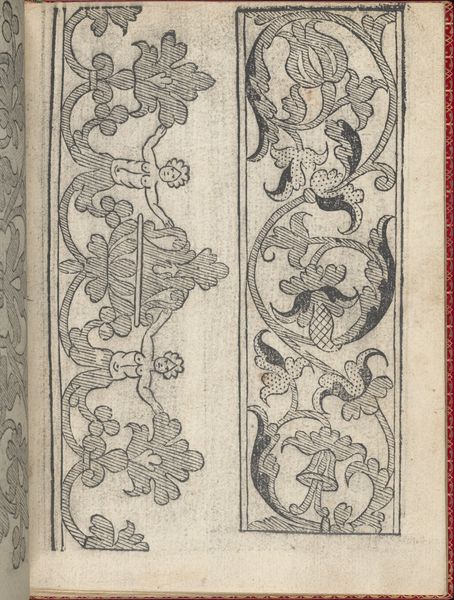
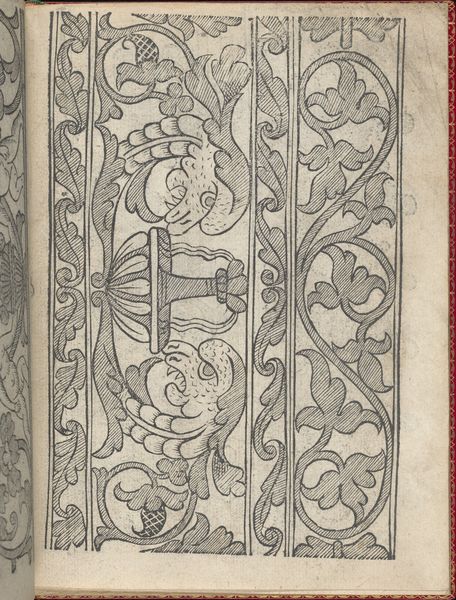
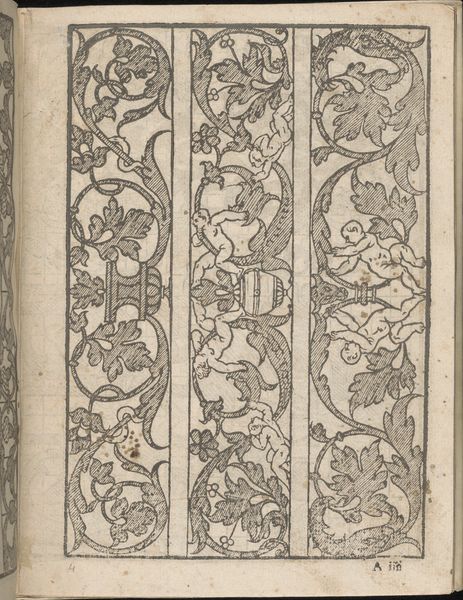
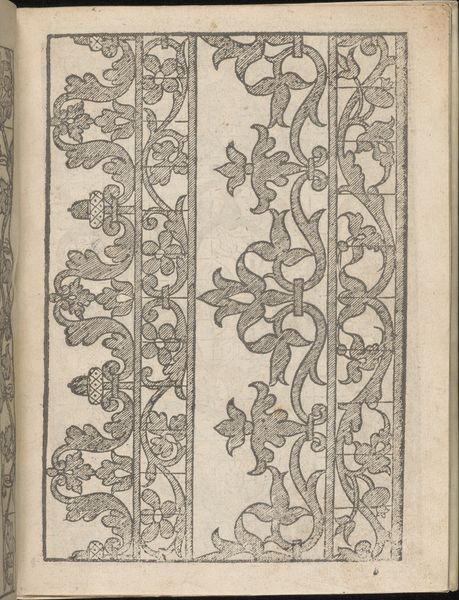
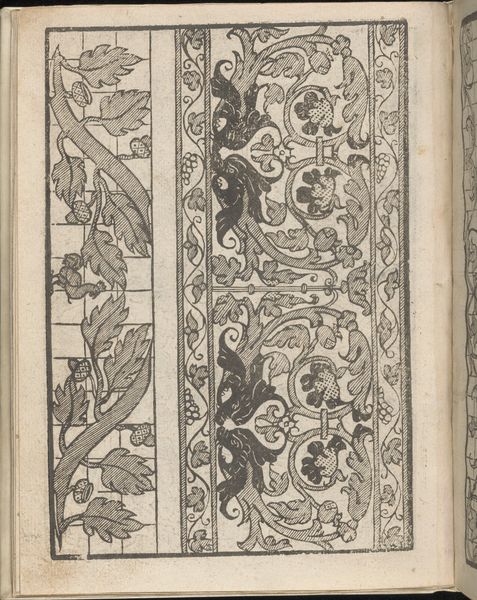
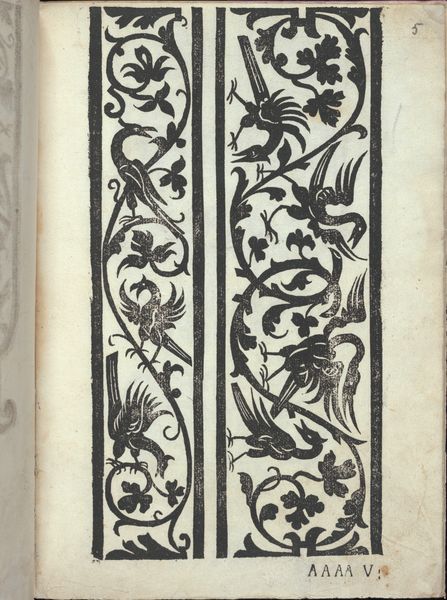
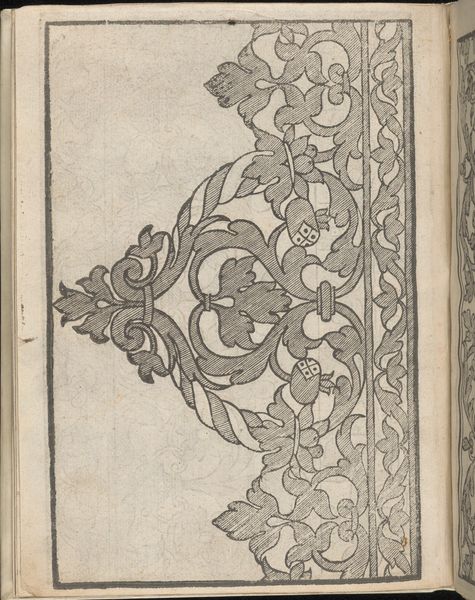
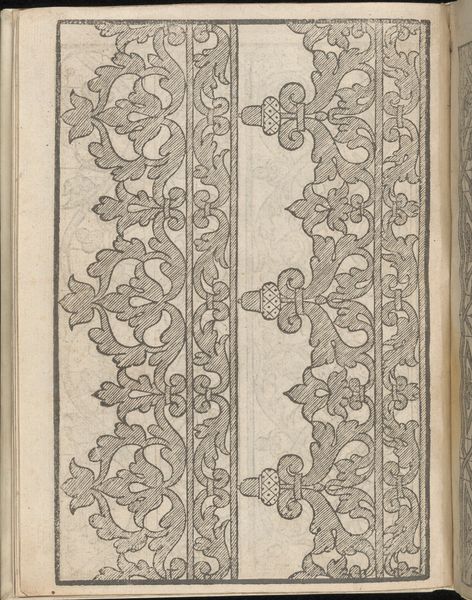
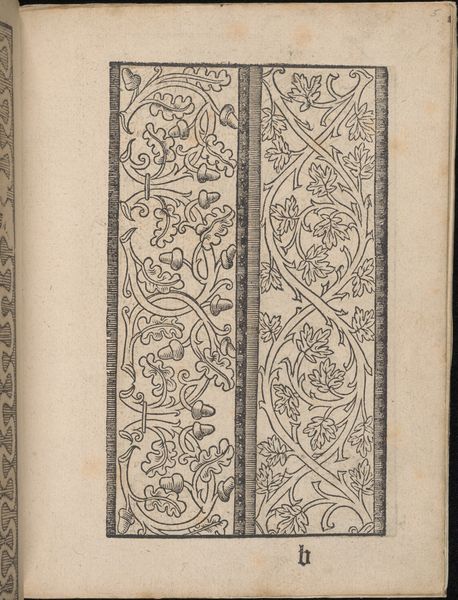
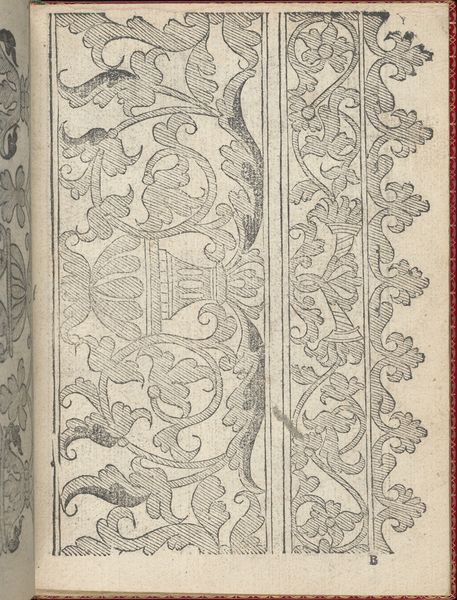
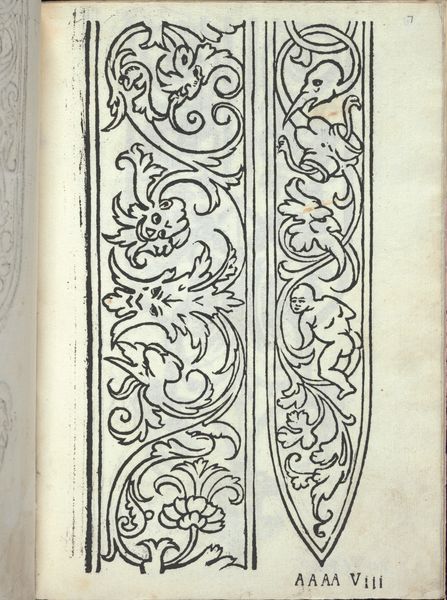
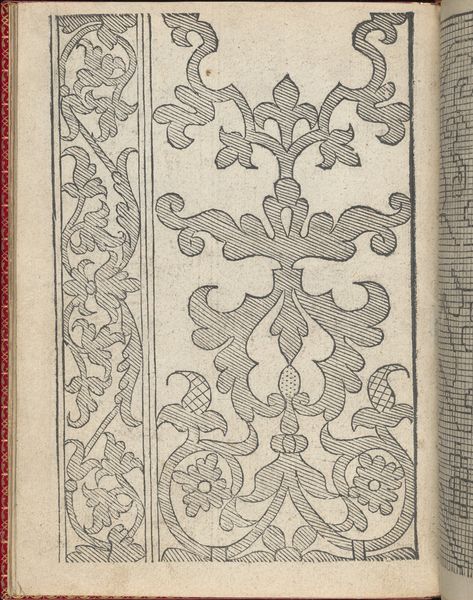
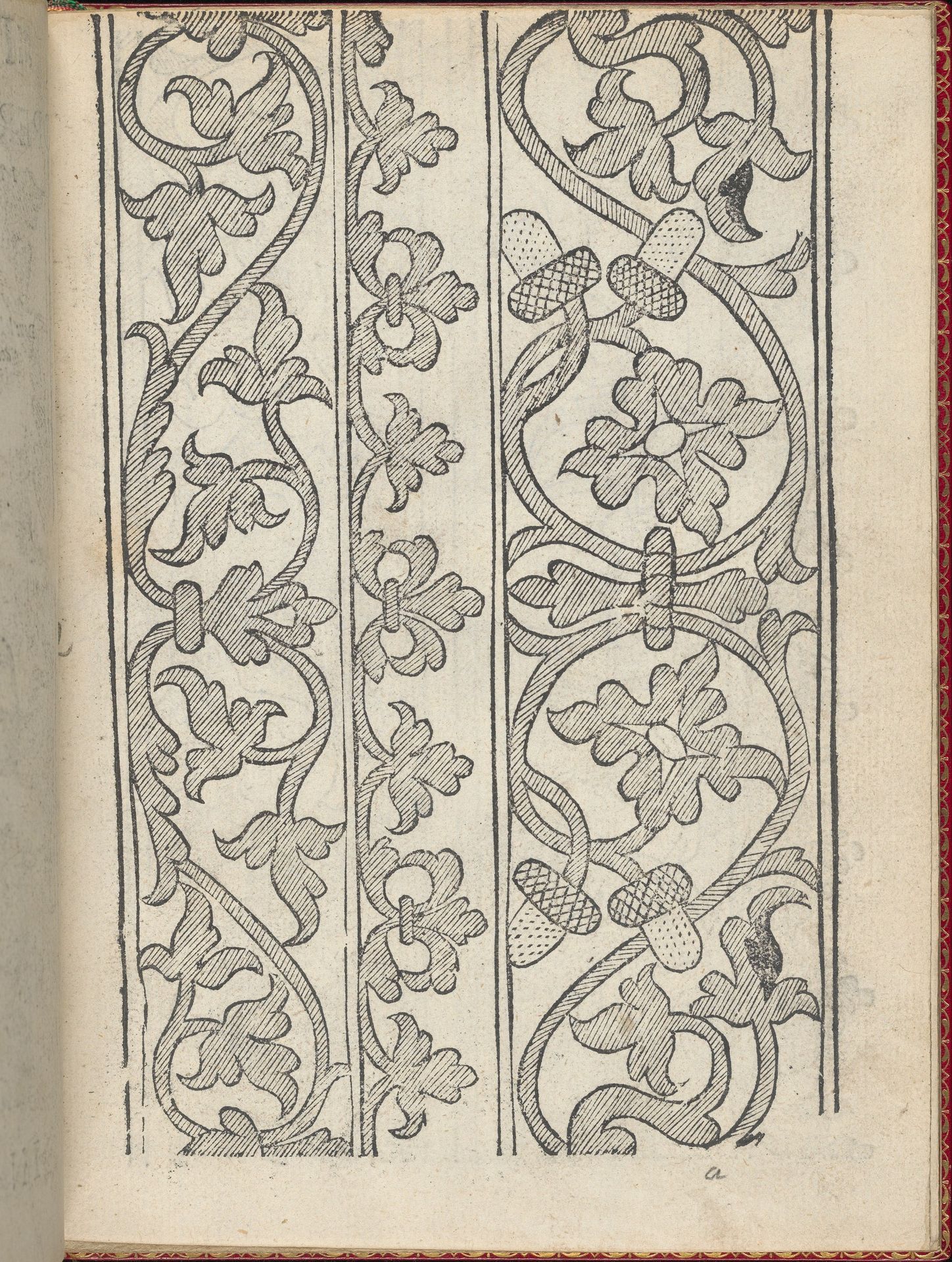
This is a page from "Il Monte. Opera Nova di Recami," made in Italy by Giovanni Antonio Bindoni, in the 16th or 17th century. It is a woodcut book used as a pattern book for lacemakers and embroiderers. These pattern books played an important role in the history of art education. As printed books became more accessible, so did visual ideas. Artisans could learn new patterns and techniques without direct instruction. The image is a window into the world of Italian Renaissance craft, showing how printed designs were disseminated and adapted. The inclusion of acorns may refer to dynastic symbolism of powerful families such as the Della Rovere. Historians look at account books, guild records, and surviving examples of textiles to better understand the impact of these printed patterns on workshops, fashion, and the broader culture. Art like this is contingent on social and institutional context.
Il Monte. Opera Nova di Recami, page 2 (recto)
1557 - 1570

Giovanni Antonio Bindoni
1500 - 1650
The Metropolitan Museum of Art
Metropolitan Museum of Art, New York, NYArtwork details
- Medium
- drawing, print, woodcut, engraving
- Dimensions
- Overall: 7 7/8 x 5 11/16 in. (20 x 14.5 cm)
- Location
- Metropolitan Museum of Art, New York, NY
- Copyright
- Public Domain
Tags
Comments
Share your thoughts
About this artwork
This is a page from "Il Monte. Opera Nova di Recami," made in Italy by Giovanni Antonio Bindoni, in the 16th or 17th century. It is a woodcut book used as a pattern book for lacemakers and embroiderers. These pattern books played an important role in the history of art education. As printed books became more accessible, so did visual ideas. Artisans could learn new patterns and techniques without direct instruction. The image is a window into the world of Italian Renaissance craft, showing how printed designs were disseminated and adapted. The inclusion of acorns may refer to dynastic symbolism of powerful families such as the Della Rovere. Historians look at account books, guild records, and surviving examples of textiles to better understand the impact of these printed patterns on workshops, fashion, and the broader culture. Art like this is contingent on social and institutional context.
Comments
Share your thoughts