About this artwork
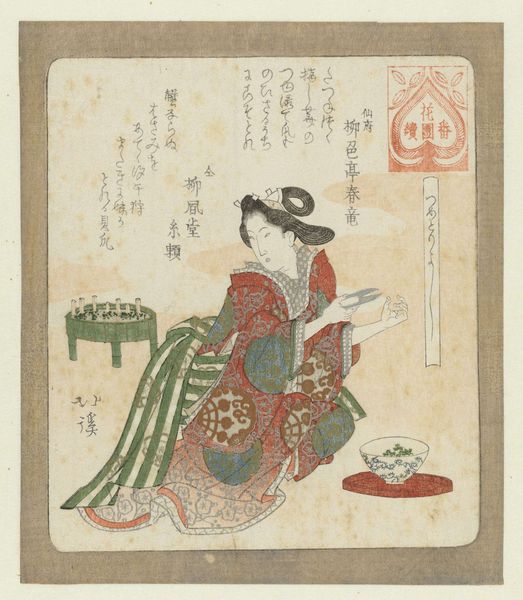
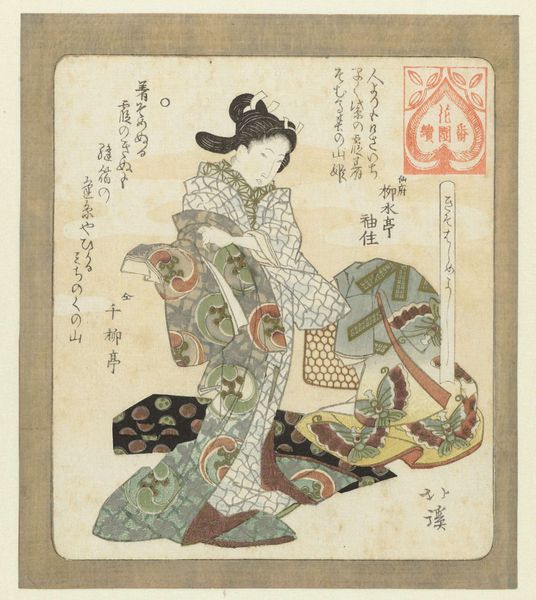
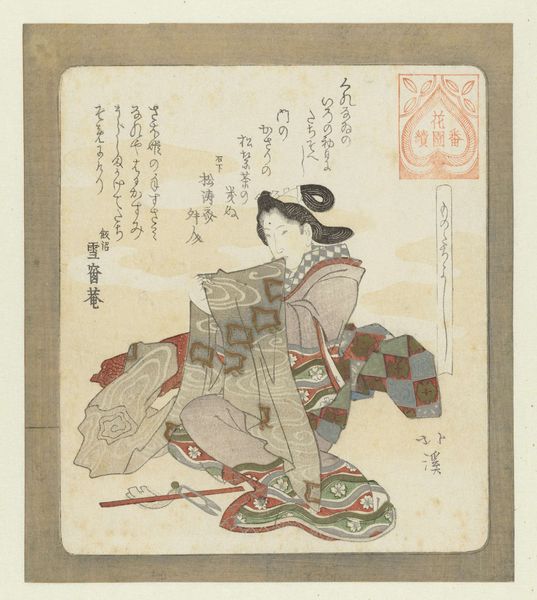
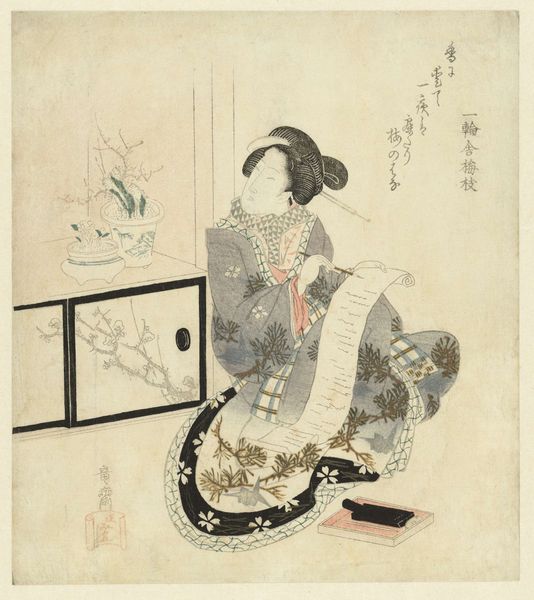
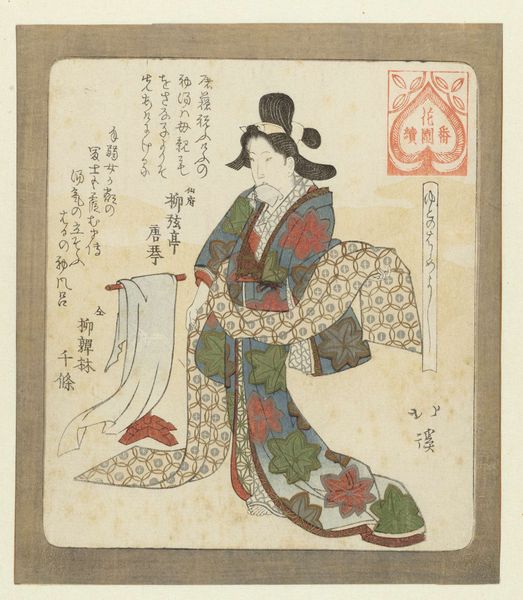
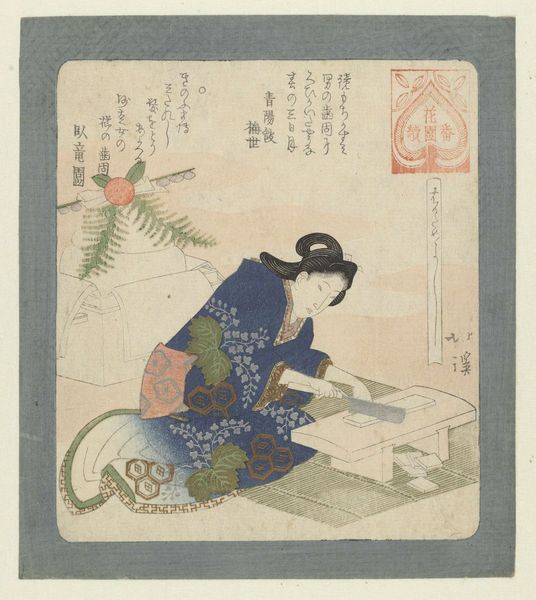
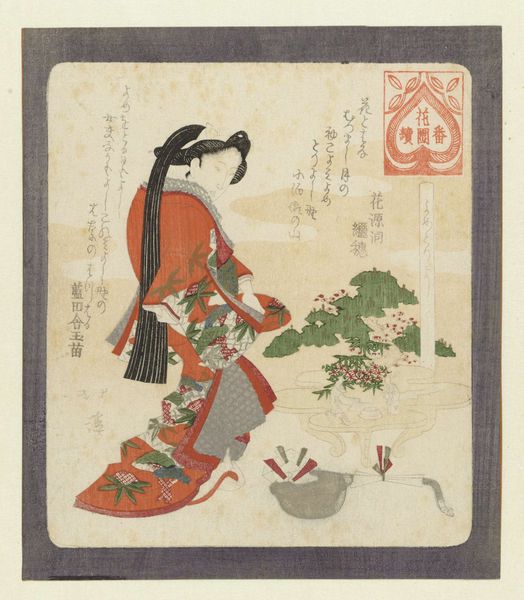
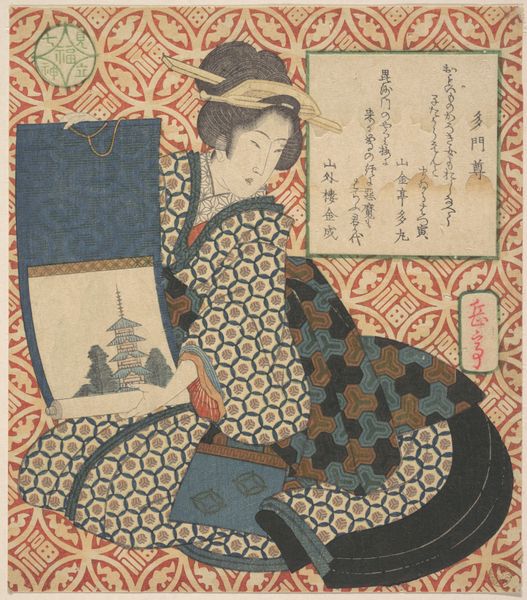
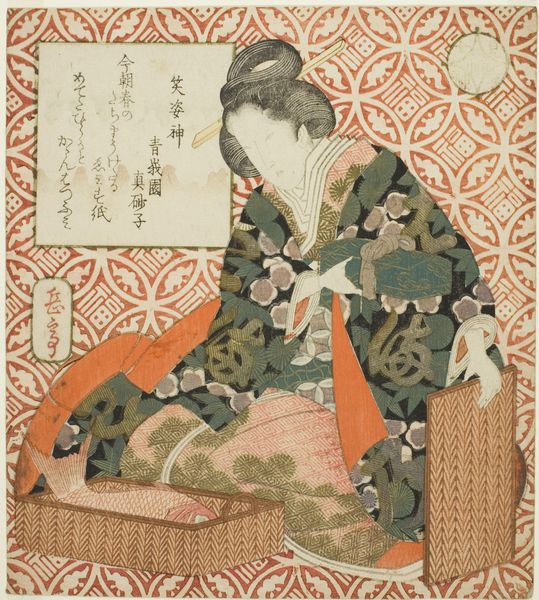
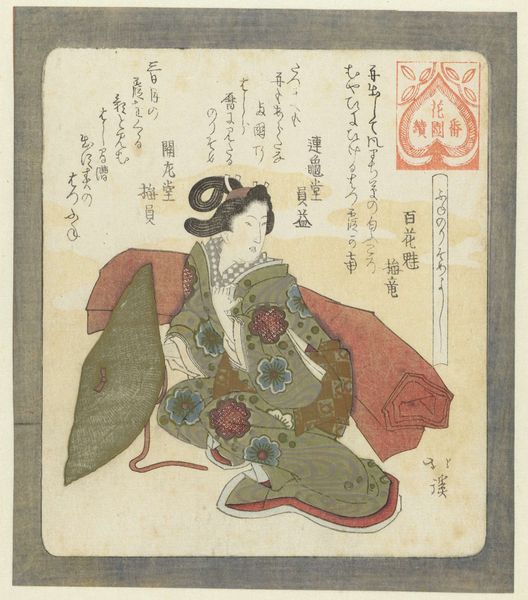
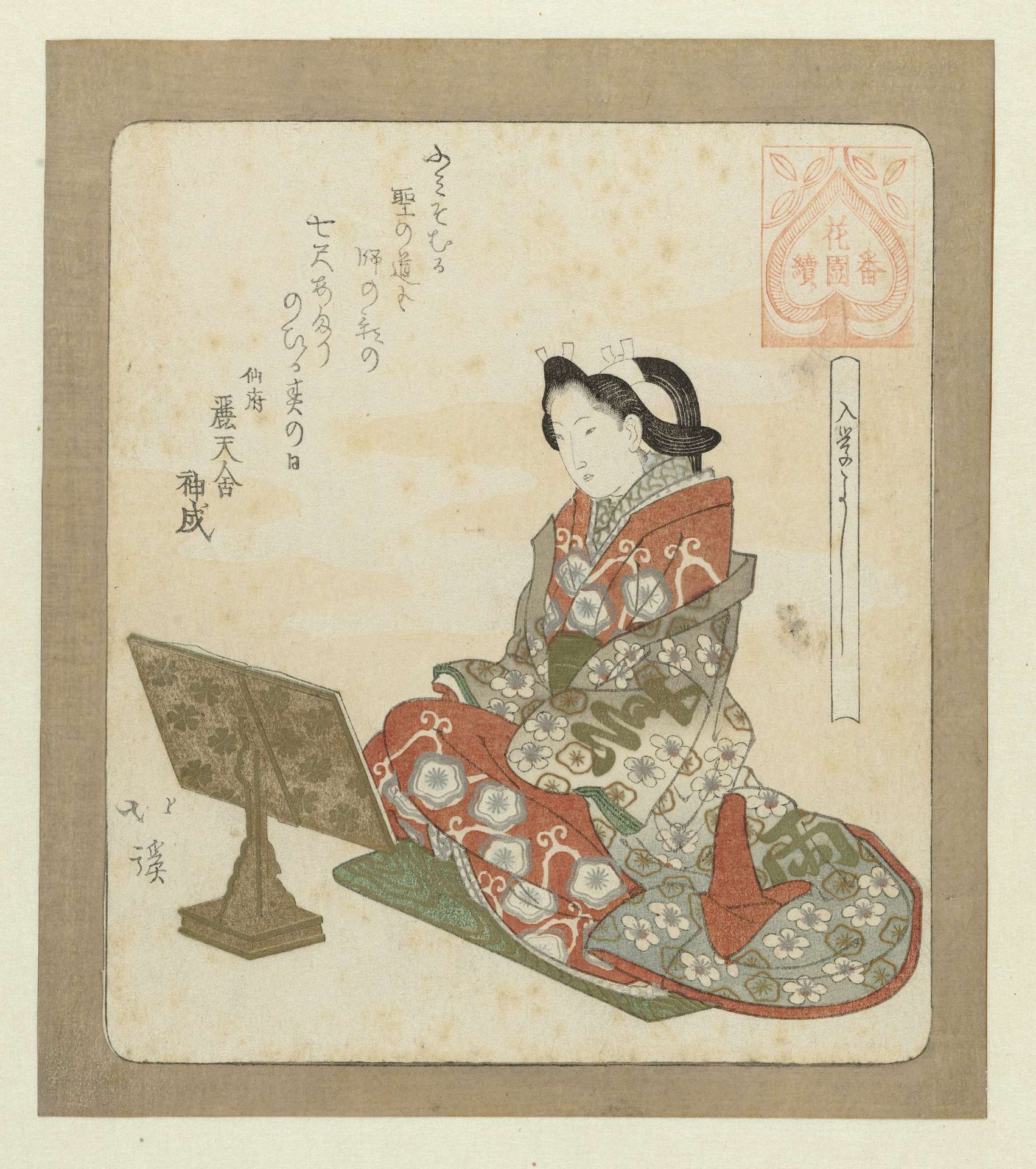
Totoya Hokkei created this woodblock print titled 'Het is goed om te beginnen met leren' in Japan during the first half of the 19th century. It depicts a young woman seated before a mirror stand. The artwork exists within the cultural context of the Edo period, during which there was a rise in urban culture and a growing merchant class. This era saw an increased interest in the浮世絵, or "pictures of the floating world," which depicted daily life, landscapes, and popular entertainment. Hokkei, who initially trained as an apprentice to a book seller, became a student of the renowned artist Hokusai and embraced this genre. Here, Hokkei presents a young woman, likely part of the courtesan class, absorbed in study. The presence of classical literature suggests that education was an important part of self cultivation and upward mobility. But perhaps more than that, this image represents an intimate moment of reflection, subtly questioning traditional roles and expectations. Hokkei captures not just an image, but a sense of individual agency within a structured society.

Artwork details
- Medium
- drawing, print, ink, woodblock-print
- Dimensions
- height 202 mm, width 179 mm
- Location
- Rijksmuseum
- Copyright
- Rijks Museum: Open Domain
Tags
Comments
Share your thoughts
About this artwork
Totoya Hokkei created this woodblock print titled 'Het is goed om te beginnen met leren' in Japan during the first half of the 19th century. It depicts a young woman seated before a mirror stand. The artwork exists within the cultural context of the Edo period, during which there was a rise in urban culture and a growing merchant class. This era saw an increased interest in the浮世絵, or "pictures of the floating world," which depicted daily life, landscapes, and popular entertainment. Hokkei, who initially trained as an apprentice to a book seller, became a student of the renowned artist Hokusai and embraced this genre. Here, Hokkei presents a young woman, likely part of the courtesan class, absorbed in study. The presence of classical literature suggests that education was an important part of self cultivation and upward mobility. But perhaps more than that, this image represents an intimate moment of reflection, subtly questioning traditional roles and expectations. Hokkei captures not just an image, but a sense of individual agency within a structured society.
Comments
Share your thoughts